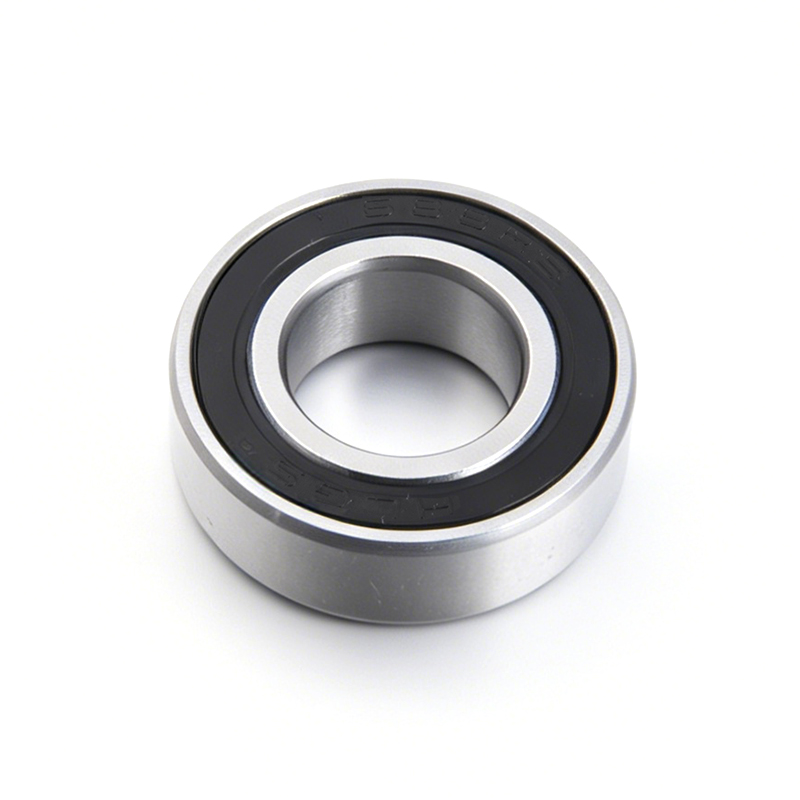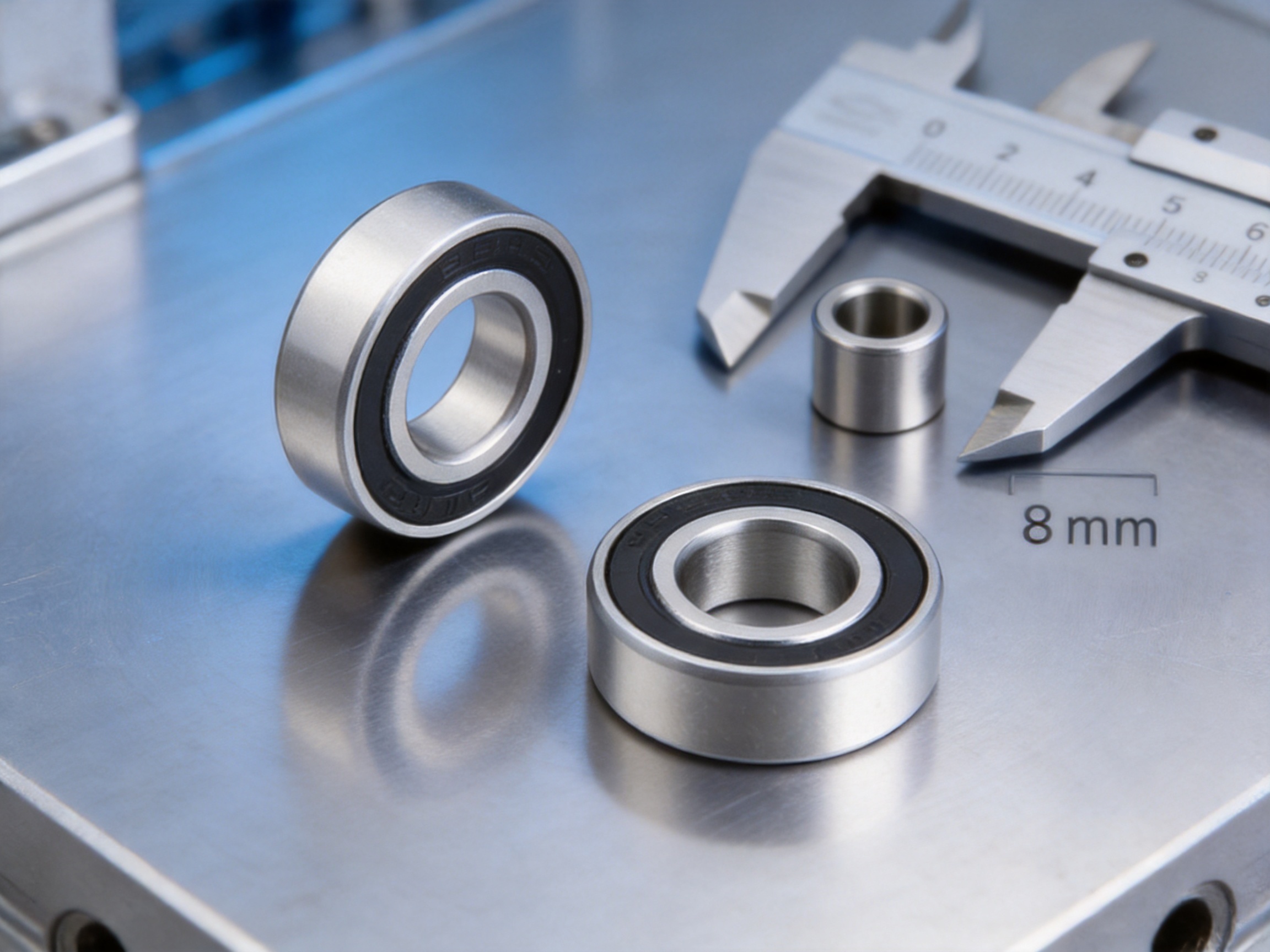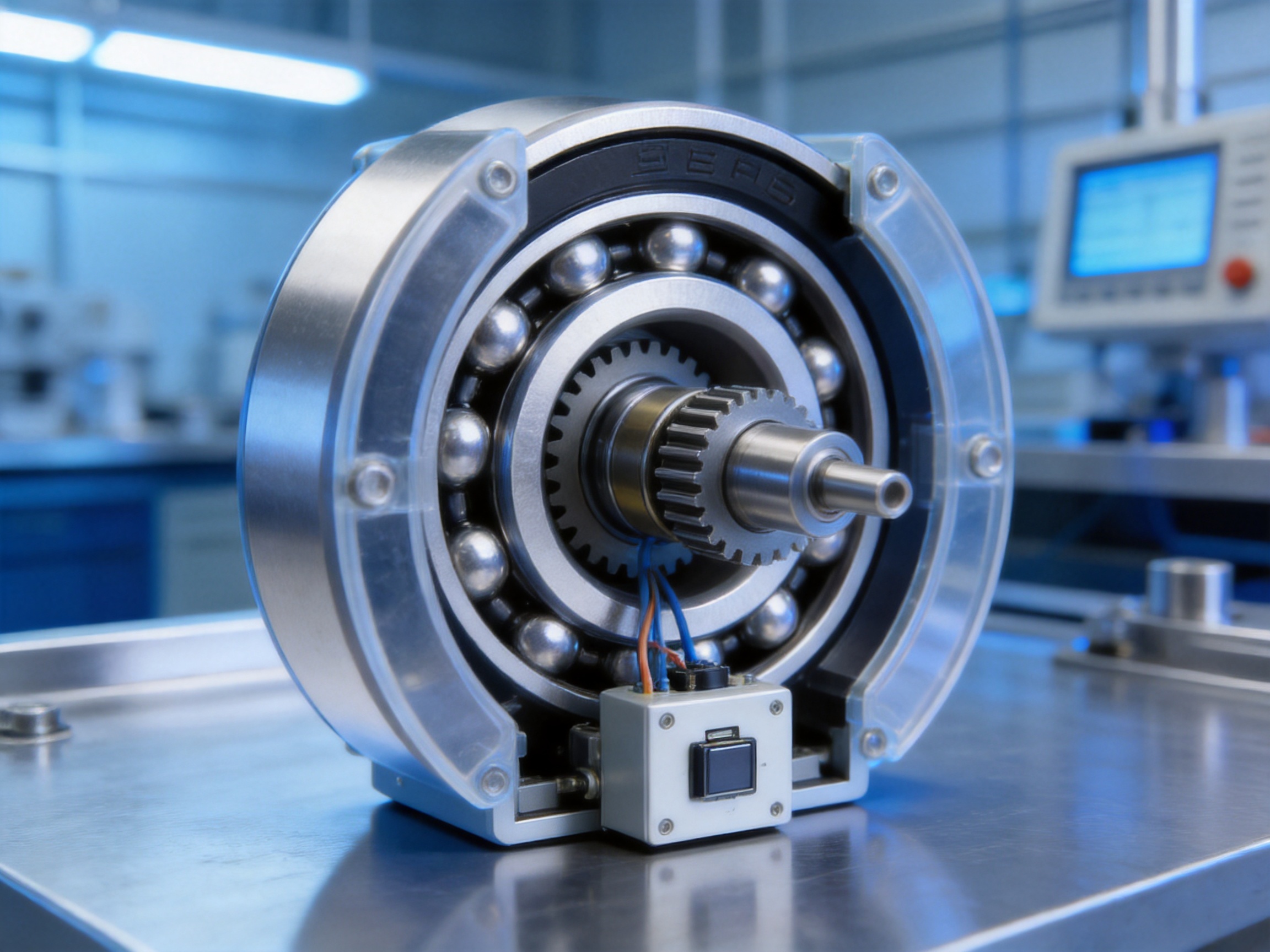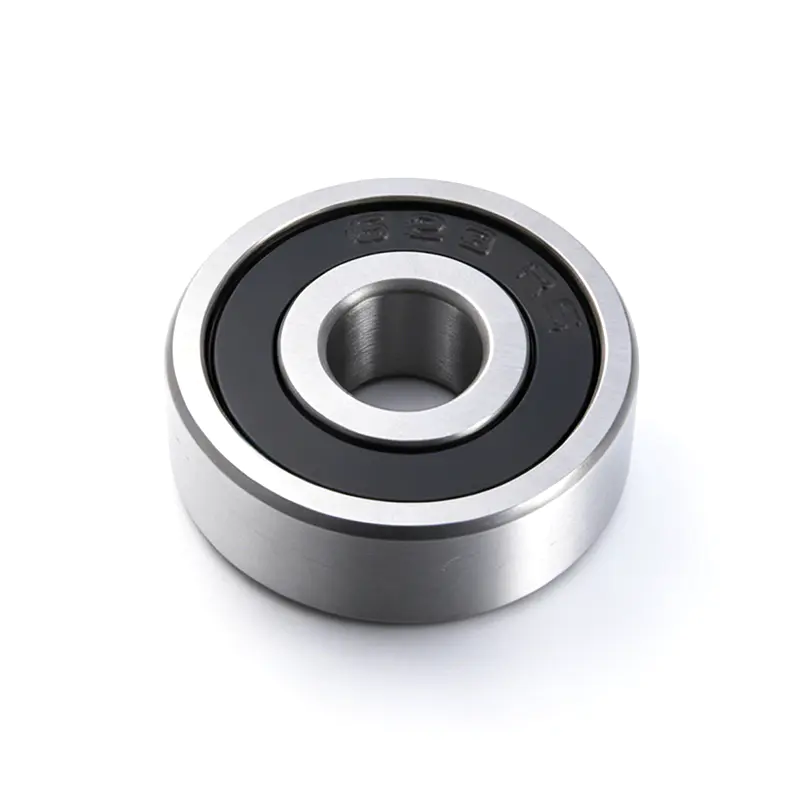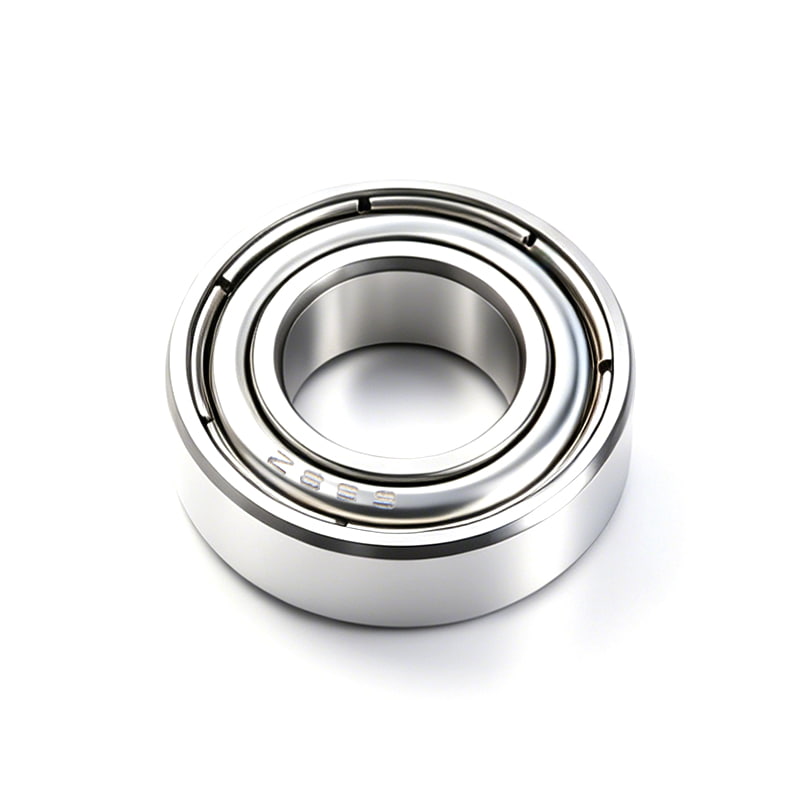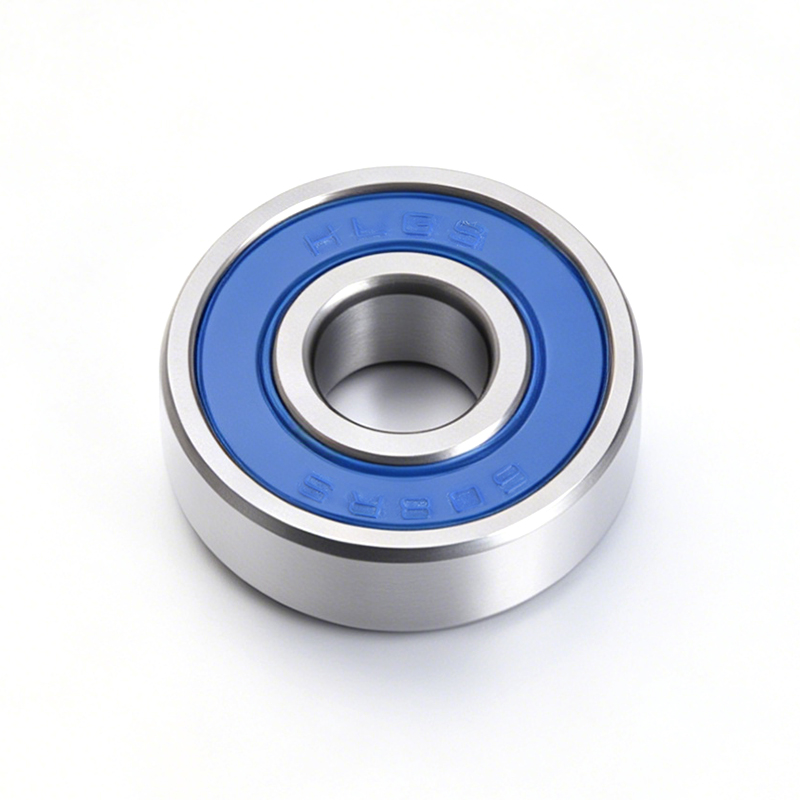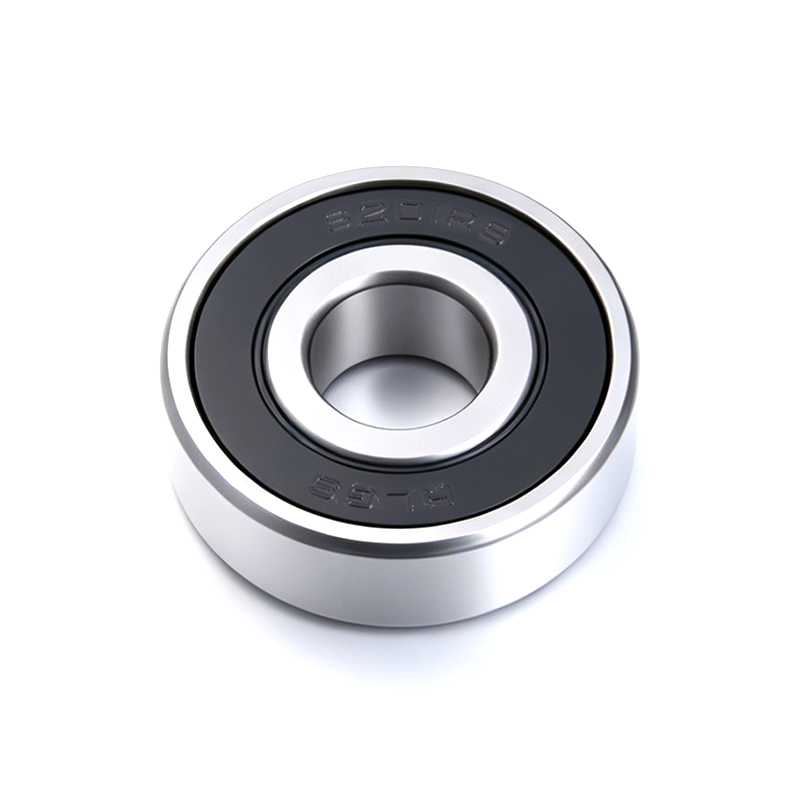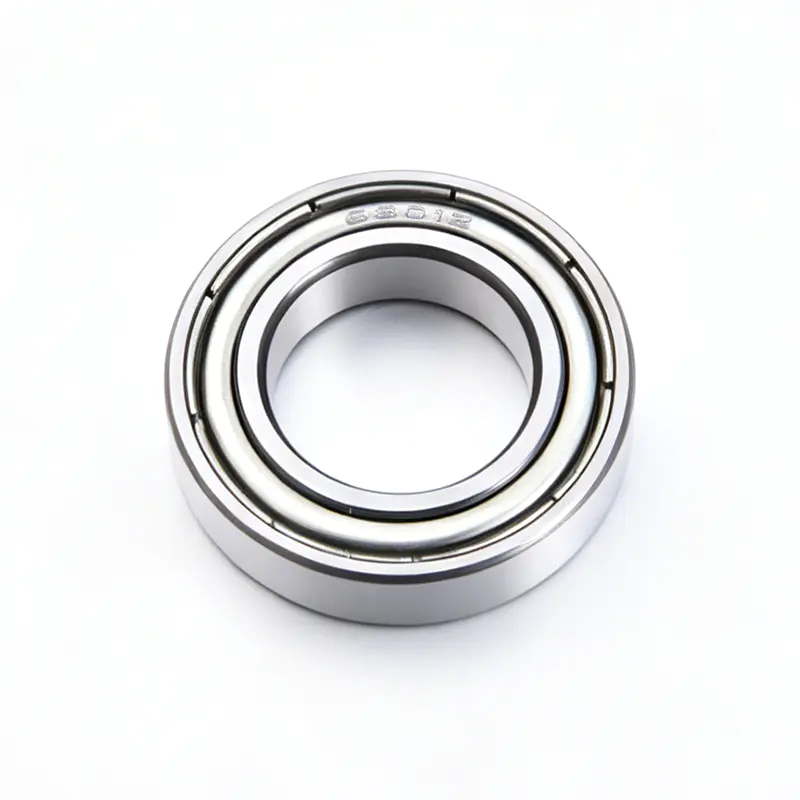
The S688-2RS is a miniature stainless steel deep groove ball bearing developed for equipment that requires reliable rotation within a highly restricted installation space. With an 8 mm bore, 16 mm outside diameter, and 5 mm width, this bearing provides a compact solution for miniature mechanisms, precision instruments, micro motors, electronic products, medical equipment, office machines, and small household appliances.
Its ultra-slim profile is one of its most important engineering advantages. Many compact machines cannot accommodate a conventional bearing with a larger outside diameter or greater width. In these applications, reducing bearing size can help designers minimize the overall equipment footprint, simplify the surrounding structure, and create additional room for wiring, sensors, gears, shafts, or protective components. The S688-2RS addresses these requirements while retaining the basic advantages of a deep groove ball bearing, including smooth rotation, moderate radial load capacity, low friction, and dependable operation under light-load conditions.
Manufactured from corrosion-resistant stainless steel, the bearing is designed to perform consistently in environments where ordinary bearing steel may be more vulnerable to oxidation, humidity, cleaning agents, or occasional exposure to corrosive contaminants. Its material selection, compact internal design, protective closure, and controlled manufacturing process make it suitable for manufacturers seeking a miniature bearing that balances dimensional efficiency, rotational stability, and long-term service performance.
The S688-2RS belongs to the miniature deep groove ball bearing family. Deep groove bearings are widely used because their raceway geometry enables them to support primarily radial loads while also accommodating limited axial loads from either direction. This versatile operating principle allows one bearing type to serve many different mechanisms, reducing design complexity and simplifying spare-parts management.
The bearing has the following standard dimensional specification:
| Parameter | Specification |
|---|---|
| Bearing designation | S688-2RS |
| Bearing type | Miniature stainless steel deep groove ball bearing |
| Bore diameter | 8 mm |
| Outside diameter | 16 mm |
| Width | 5 mm |
| Dynamic load rating | 830 N |
| Static load rating | 400 N |
| Approximate weight | 0.003 kg |
| Material options stated for the product | 440C stainless steel or AISI 304 stainless steel |
| Protective closure | Configuration to be confirmed according to the purchase specification |
The 8 × 16 × 5 mm size is particularly useful when a designer needs a bearing with a small radial envelope and minimal axial width. The 8 mm bore can accommodate a compact shaft while the 16 mm outside diameter allows the bearing to be integrated into a small housing. The 5 mm width helps reduce the axial length of the assembly, which may be important in handheld products, miniature actuators, compact fans, optical mechanisms, and precision control systems.
Space limitations are increasingly important in modern product development. Consumer electronics are becoming thinner, medical devices are becoming more portable, and automation equipment is incorporating more functions into smaller modules. In each of these applications, every millimeter of radial and axial space can affect the final design.
A conventional bearing may function correctly but still be unsuitable because it requires too much surrounding space. A larger bearing can force engineers to increase the size of the housing, enlarge the shaft support structure, reposition nearby components, or redesign the drive system. The S688-2RS provides an alternative by combining a small bore, narrow outside diameter, and slim width in one standard miniature bearing package.
The narrow 5 mm width is especially beneficial in assemblies where two bearings are installed on the same shaft. It can reduce the total distance occupied by the bearing arrangement and make it easier to position gears, pulleys, rotors, impellers, or encoder components. It may also help lower the total weight of a moving assembly, which is valuable in small motors and precision positioning mechanisms.
Compactness does not mean that the bearing is limited to one specialized application. Its deep groove structure enables it to perform in a wide range of rotating assemblies. The same basic bearing can be considered for small electric motors, miniature gearboxes, office equipment rollers, medical mechanisms, compact fans, sensor modules, and low-load transmission systems.
Compared with larger or heavier bearing designs, the S688-2RS may offer several practical design benefits:
• Reduced housing size and material consumption.
• Lower rotating mass in compact assemblies.
• More available space for electronic and mechanical components.
• Easier integration into thin or lightweight products.
• Reduced axial occupation when used in multiple-bearing arrangements.
• Greater flexibility for product miniaturization and portable equipment design.

S688-2RS Ultra-Slim Deep Groove Ball Bearing Features a Thin Profile and Is Space-Saving
The use of stainless steel is a major advantage of the S688-2RS over standard miniature bearings made only from conventional carbon-chromium bearing steel. Stainless steel can provide improved resistance to rust and corrosion, making it an appropriate choice for equipment exposed to humidity, condensation, cleaning procedures, or mildly aggressive operating conditions.
The product information identifies 440C and AISI 304 as stainless steel material options. These grades have different characteristics and should be selected according to the application. 440C stainless steel is commonly associated with high hardness and wear resistance after suitable heat treatment, making it useful where rolling contact durability and dimensional stability are important. AISI 304 is widely recognized for its corrosion resistance and broad industrial applicability. The final material selection should therefore consider load, speed, humidity, chemical exposure, temperature, cleanliness requirements, and the customer’s operating environment.
Stainless steel does not eliminate every form of corrosion, and it should not be treated as a substitute for correct lubrication, sealing, storage, and installation. However, it can provide a valuable additional margin of protection compared with ordinary bearing steel in many light-duty applications. This is particularly relevant for miniature equipment because a small amount of corrosion or contamination can have a proportionally large effect on running torque, noise, vibration, and service life.
A stainless steel miniature bearing can also support a cleaner and more stable appearance in visible mechanisms. This may be important in laboratory instruments, medical equipment, consumer products, food-related machinery, and premium compact devices where surface oxidation could affect both function and appearance.
When selecting the material, buyers should communicate the intended environment to the manufacturer. Important factors include whether the bearing will be exposed to washdown, salt-containing air, condensation, disinfectants, cleaning fluids, dust, or elevated temperatures. Material, lubricant, closure, and cage specifications should be reviewed as a complete system rather than selected independently.
Miniature bearings are often installed in products where noise and vibration are highly noticeable. In a small office device, medical instrument, handheld product, or consumer appliance, even a modest increase in bearing noise can affect the user’s perception of quality. The S688-2RS is designed to provide smooth and stable rotation for light-load mechanisms where quiet operation and consistent movement are important.
Low operating noise depends on multiple factors, including raceway finish, ball quality, internal clearance, cage design, lubricant condition, sealing structure, shaft and housing accuracy, installation alignment, and external load. A bearing cannot compensate for an incorrectly machined housing or an imbalanced rotating component. Nevertheless, a precisely manufactured miniature bearing provides an essential foundation for controlling noise and vibration.
The deep groove raceway supports continuous rolling contact between the balls and rings. When the bearing is correctly mounted and lubricated, rolling motion can replace the higher friction associated with sliding contact. This helps reduce energy loss and supports stable rotation in compact motors, rollers, fans, and transmission components.
For equipment manufacturers, consistent rotational behavior is often as important as the nominal load rating. A bearing that starts smoothly, maintains predictable torque, and produces stable vibration levels can help improve the performance of the entire product. This is especially relevant in instruments that use optical sensors, rotary encoders, micro-positioning systems, or small drive motors.
Noise performance should be evaluated under actual operating conditions. Speed, preload, shaft balance, mounting tolerance, lubricant viscosity, temperature, and surrounding structure all affect the final result. For high-sensitivity applications, customers may request specific noise, vibration, torque, or runout requirements during technical discussions and sample approval.
The listed dynamic load rating of the S688-2RS is 830 N, while the listed static load rating is 400 N. These values provide a useful reference when evaluating the bearing for a particular application. The dynamic rating is associated with bearing life calculations under rotating conditions, whereas the static rating is used to evaluate permanent deformation risk when the bearing is stationary or exposed to heavy shock and static loads.
Load ratings should not be interpreted as recommended operating loads for every application. Actual bearing life depends on the combination of radial load, axial load, rotational speed, lubrication, temperature, contamination, mounting quality, and duty cycle. A miniature bearing installed in a clean, well-aligned, lightly loaded mechanism may achieve excellent service performance, while the same bearing can experience premature damage if subjected to excessive impact, shaft deflection, or contamination.
The S688-2RS is particularly suited to light-load and moderate-duty mechanisms. Examples include small rollers, miniature fans, low-power motors, compact actuators, precision knobs, office equipment components, and small transmission devices. Where high shock loads, high preload, or severe continuous duty are expected, the bearing should be evaluated by an engineer using the complete operating data.
Static load capacity is also important during transportation, assembly, storage, and equipment stoppage. A small bearing may experience a high localized load if the shaft is pressed into place unevenly or if the assembly is dropped. Correct handling and installation are therefore essential to preserving the raceway and ball surfaces.
The product designation includes “2RS,” which is commonly used in the bearing industry to indicate sealing on both sides. The supplied product information also lists “Double metal shields (ZZ)” in the seal field. Because 2RS and ZZ can describe different closure constructions, the exact closure should be confirmed before ordering.
Rubber or elastomeric seals are generally selected when stronger protection against dust, moisture, and lubricant loss is required. Metal shields are often selected when lower friction and higher speed capability are important, provided the operating environment is sufficiently clean. The most appropriate option depends on the application’s speed, temperature, contamination level, lubrication requirements, and sealing expectations.
This configuration point is important for purchasing departments and equipment designers. The bearing designation, closure type, material grade, lubricant, cage material, internal clearance, and packaging specification should all be shown clearly on the technical drawing or purchase order. Confirming these details before mass production helps prevent avoidable substitutions and ensures that the delivered bearing matches the validated sample.
For applications exposed to dust, splash, or frequent handling, a sealed construction may provide better protection. For clean, high-speed miniature equipment, a shielded construction may offer an appropriate balance between protection and rotational resistance. Customers can discuss the required configuration with the manufacturer when requesting samples or production quotations.
The performance of a miniature bearing depends on the control of numerous small features. Raceway geometry, ball diameter variation, surface finish, ring roundness, internal clearance, axial alignment, closure fit, lubricant quantity, and cleanliness all influence final performance. Because the S688-2RS has a compact structure, manufacturing accuracy is especially important: small dimensional deviations can create noticeable changes in torque, noise, vibration, or service life.
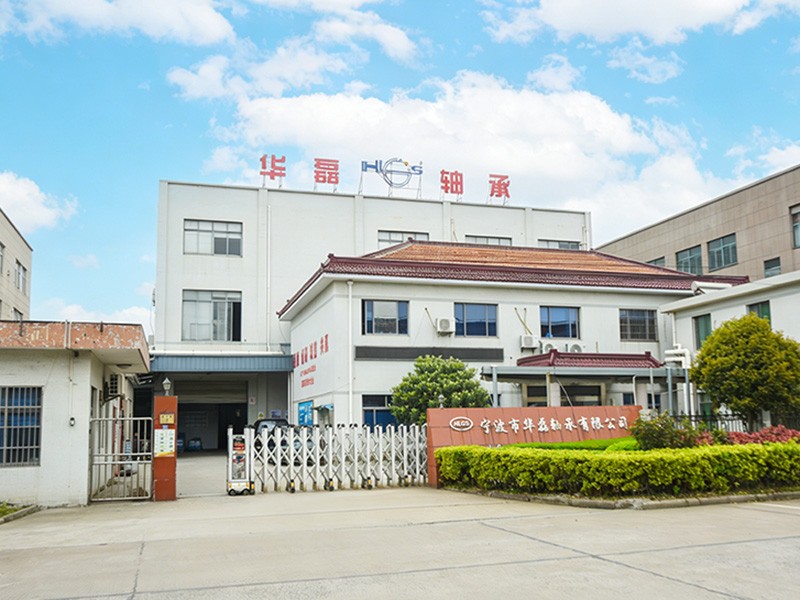
The manufacturer, Ningbo Zhenhai Hualei Bearing Co., Ltd., has operated since 2001 and specializes in miniature deep groove ball bearings. The company states that its products are strictly tested with advanced equipment and that it follows ISO 9001 and ISO/TS 16949 management systems. These management systems support structured procedures for production control, inspection, documentation, traceability, corrective action, and continuous improvement.
ISO 9001 provides a framework for consistent quality management and customer-focused process control. ISO/TS 16949, historically associated with automotive quality requirements, emphasizes process discipline, risk control, defect prevention, traceability, and continual improvement. For customers purchasing miniature bearings for electromechanical systems or automotive-related applications, a quality system aligned with these principles can provide greater confidence in repeatability and supplier management.
Advanced manufacturing is not limited to the final inspection stage. It begins with controlled raw-material procurement and continues through machining, heat treatment where applicable, grinding, superfinishing, cleaning, assembly, lubrication, closure installation, inspection, and packaging. Each stage must be managed so that the finished bearing remains within the required dimensional and functional limits.
Material control begins with the correct identification of stainless steel grade and the verification of incoming material. Chemical composition, hardness potential, corrosion characteristics, and heat-treatment response can affect the final performance of the rings. Balls, cages, seals, shields, and lubricants must also meet the specified design requirements.
For customers requiring a particular stainless steel grade, the material designation should be stated clearly in the technical agreement. If both 440C and AISI 304 are available, the manufacturer and customer should confirm which grade will be used for the specific order. This is especially important when corrosion resistance, hardness, magnetic response, cleaning compatibility, or temperature performance is critical.
Deep groove bearing rings require accurate raceway geometry. Machining and grinding processes must control diameter, roundness, width, radial profile, surface finish, and shoulder geometry. In miniature bearings, the acceptable variation is small because the bearing’s overall dimensions are small and the rolling elements have limited contact areas.
Controlled grinding helps produce the geometry needed for smooth rolling contact. Subsequent finishing operations can improve the raceway surface and reduce irregularities that might cause excessive noise or vibration. The objective is not simply to achieve a nominal dimension but to create a complete set of components that work together consistently.
The balls are critical to bearing performance. Diameter variation, sphericity, surface finish, and grade affect load distribution and rotational smoothness. If balls within one bearing have excessive variation, some balls may carry more load than others, increasing localized stress and potentially raising noise or torque.
Careful ball selection and matching help support uniform rolling contact. This is particularly important in miniature bearings used for precision instruments and micro motors, where small changes in rotational behavior can affect the function of the finished device.
Assembly requires controlled handling to prevent scratches, dents, foreign particles, and incorrect component placement. Bearing cleanliness is essential because particles inside the raceway can create indentation, noise, vibration, and accelerated wear. Clean assembly conditions, controlled lubrication, and suitable packaging help preserve the bearing’s condition between production and installation.
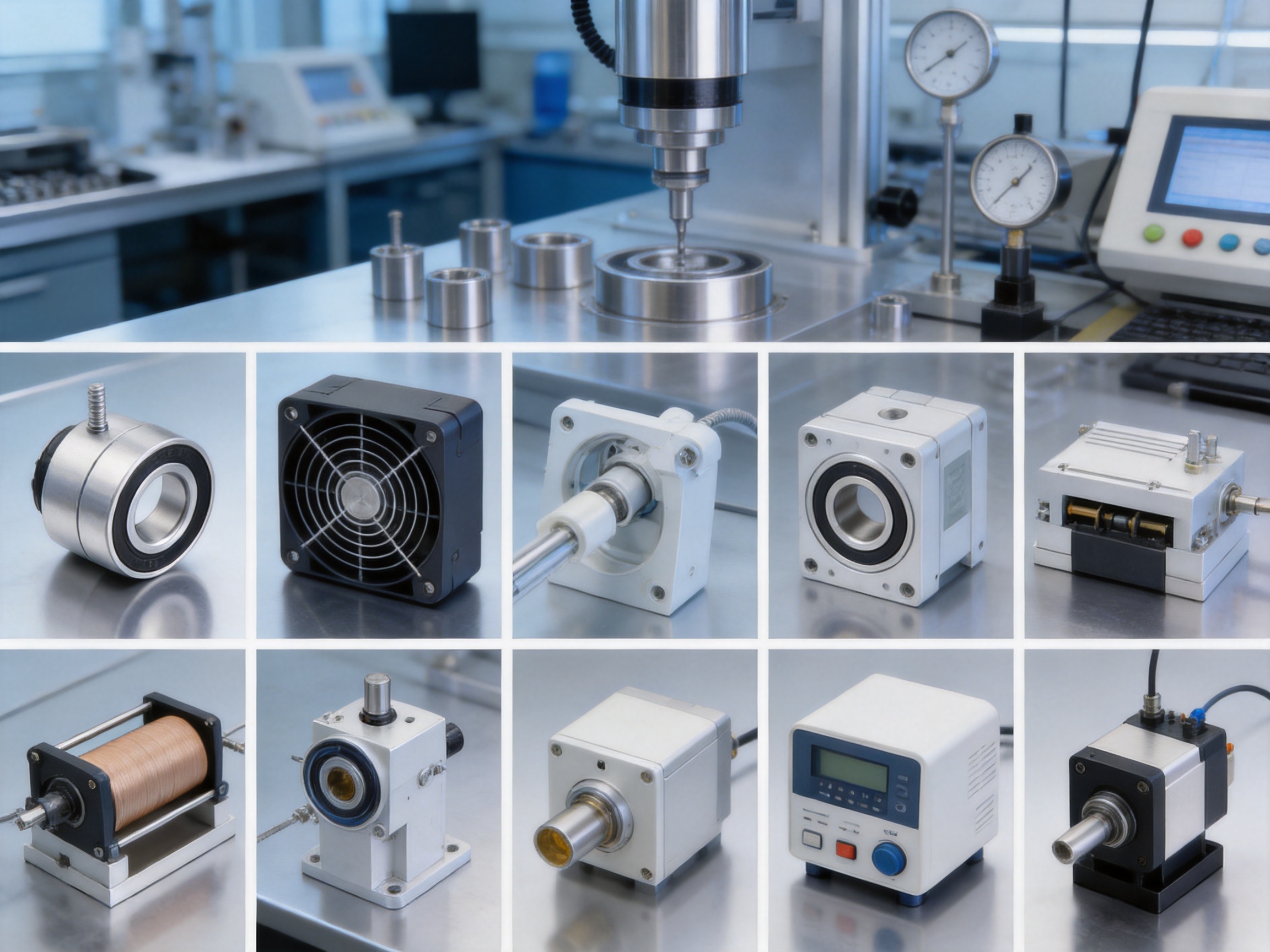
The manufacturer’s stated use of advanced testing equipment supports the inspection of finished products. Depending on the order requirements, inspection may include dimensional checks, rotational torque evaluation, noise and vibration testing, visual examination, closure verification, and sampling-based performance tests.
The company provides OEM and ODM services through its import and export department, Ningbo Hotex Mechanical & Electrical Technology Co., Ltd., established in 2016. This capability is valuable for customers who need customized packaging, special materials, alternative closures, application-specific lubrication, private labeling, or a bearing configuration adapted to a new product design.
OEM and ODM cooperation requires more than supplying a standard bearing number. It involves technical communication, drawing review, sample approval, change control, production scheduling, inspection documentation, and ongoing supply consistency. A manufacturer with experience in miniature deep groove bearings can help customers evaluate the relationship between dimensions, load, speed, material, sealing, and operating environment.
For volume production, a well-defined quality plan can identify critical characteristics and inspection frequency. It can also establish procedures for handling nonconforming product, approving engineering changes, and maintaining traceability. These systems help reduce the risk of variation between initial samples and later production batches.
The S688-2RS has several advantages that may distinguish it from conventional miniature bearing choices. The first is its compact 8 × 16 × 5 mm envelope. A bearing with a larger outside diameter may offer greater load capacity, but it can increase housing size and reduce design flexibility. For light-load applications, the smaller bearing can provide a more efficient solution.
The second advantage is stainless steel construction. Standard bearing steel can be suitable for clean and dry conditions, but stainless steel may provide better resistance to oxidation and environmental exposure. This can reduce maintenance concerns in products that cannot easily be serviced after assembly.
The third advantage is the combination of compactness and standard deep groove functionality. Designers do not need to create a completely specialized bearing arrangement for every small mechanism. A standard miniature deep groove bearing can be incorporated into familiar shaft and housing designs, simplifying procurement and replacement.
The fourth advantage is supplier specialization. A company focused on miniature deep groove ball bearings can develop detailed process knowledge around small components, including raceway finishing, ball matching, low-noise control, precision assembly, and application-specific quality requirements. This specialization can be particularly valuable compared with suppliers whose primary focus is only on large industrial bearings.
The fifth advantage is manufacturing and supply flexibility. The manufacturer’s experience in OEM and ODM services can support customers with different requirements, from standard catalog supply to customized production programs. This may help equipment manufacturers shorten development cycles and maintain consistency between prototype, pilot production, and full-scale manufacturing.
These advantages should be evaluated against the actual application. A larger bearing may be preferable for high loads, a ceramic bearing may be preferable for certain high-speed or electrically sensitive applications, and a fully sealed design may be preferable in heavily contaminated environments. The S688-2RS is strongest where compactness, stainless steel construction, smooth rotation, and light-load precision are central requirements.
Precision instruments often require small bearings that rotate smoothly without introducing excessive vibration. The S688-2RS may be used in rotary controls, compact measuring mechanisms, optical adjustment systems, laboratory equipment, and instrument actuators. Its narrow width can support compact instrument architecture, while stainless steel construction can be beneficial in controlled but frequently handled environments.
Micro motors require bearings that fit small rotor shafts and maintain stable rotation. The 8 mm bore and 16 mm outside diameter can be considered for compact motor assemblies, provided the motor’s speed, temperature, radial load, axial load, and electrical conditions are within the bearing’s design limits. Low noise and consistent torque are important because bearing irregularities can be amplified by the motor housing.
Small electronic devices often place a premium on reduced thickness, low weight, and quiet operation. The bearing may be suitable for compact fans, rotary controls, small drive modules, camera mechanisms, printers, scanners, and other devices containing moving parts. Stainless steel may also provide useful resistance to handling-related humidity and mild environmental exposure.
Small household appliances may contain fans, rollers, adjustment mechanisms, and compact transmission parts. The bearing can help support smooth movement in these products when the operating load and temperature are appropriately controlled. Designers should pay particular attention to dust, cleaning fluids, condensation, and motor heat when selecting the closure and lubricant.
Printers, scanners, copiers, document feeders, and other office machines depend on reliable small rollers and drive assemblies. Bearing noise can affect the perceived quality of an office machine, while dimensional stability supports accurate paper handling and component alignment. The ultra-slim structure can help reduce the size of internal modules.
Medical equipment may require compact, corrosion-resistant, and smoothly rotating components. Potential uses include small pumps, laboratory mechanisms, adjustment assemblies, diagnostic instruments, and controlled-motion modules. Medical-device manufacturers should complete their own validation for cleanliness, lubricant compatibility, sterilization exposure, biocompatibility requirements, and regulatory obligations before approving the bearing.
Robotics, automation modules, sensor mechanisms, compact actuators, and miniature transmission devices can benefit from the bearing’s small size and deep groove configuration. In these applications, the bearing should be evaluated together with shaft tolerance, housing tolerance, alignment, preload, duty cycle, and control-system requirements.
Correct installation is essential to achieving the expected performance of any miniature bearing. Before installation, inspect the bearing, shaft, and housing for damage, burrs, rust, dirt, and dimensional irregularities. The shaft and housing should be clean and accurately machined. Excessive interference, misalignment, or rough surfaces can create internal stress and increase running torque.
When pressing the bearing onto a shaft, apply force only to the ring that is being fitted. If the inner ring is being installed with an interference fit, pressing through the outer ring can transmit force across the rolling elements and damage the raceways. The same principle applies when fitting the outer ring into a housing.
Do not strike the bearing directly with a hammer or use uncontrolled impact. Use suitable installation tools, fixtures, or a controlled press. The bearing should be supported evenly, and the applied force should remain aligned with the shaft or housing axis.
After installation, rotate the assembly by hand if possible. Check for unusual roughness, binding, abnormal noise, or excessive resistance. Confirm that the shaft is correctly aligned and that adjacent components are not applying unintended axial or radial loads.
Do not wash out the factory lubricant unless the application specifically requires relubrication and the correct cleaning and lubrication procedure has been established. Removing the original lubricant without replacing it with a compatible product can significantly shorten service life. Lubricant selection should consider speed, temperature, load, material compatibility, and closure construction.
Although miniature bearings are often installed in maintenance-free products, operating conditions should still be controlled. Excessive load, shock, vibration, contamination, high temperature, and incorrect lubrication can reduce service life. The bearing should be protected from unnecessary impact during assembly, transportation, and equipment servicing.
Storage areas should be clean, dry, and free from corrosive vapors. Bearings should remain in their original packaging until they are ready for use. If packaging has been damaged or the product has been stored for an unusually long period, the bearing should be inspected before installation.
For rotating equipment, shaft balance and housing rigidity are important. A well-balanced rotor reduces vibration and uneven bearing loading. A weak or distorted housing can misalign the outer ring and create localized stress. Proper tolerances and controlled assembly are therefore as important as the bearing itself.
In applications with frequent washdown or chemical exposure, the customer should confirm that the stainless steel grade, closure, lubricant, and surrounding components are compatible with the cleaning process. Stainless steel can improve corrosion resistance, but the complete bearing assembly must be evaluated as a system.
Before placing an order, customers should prepare the main operating parameters. These include shaft diameter, available housing diameter, axial space, radial load, axial load, rotational speed, operating temperature, expected service life, contamination level, humidity, cleaning method, and installation arrangement.
The bearing designation should be checked against the final drawing. The S688-2RS name identifies the intended product, but the closure notation should be confirmed because the supplied information refers both to 2RS and double metal shields. If the application requires a particular type of seal or shield, this requirement should be stated separately and approved by the manufacturer.
Material grade should also be confirmed. 440C and AISI 304 stainless steels may be suitable for different priorities. Where hardness and wear resistance are central, a hardened stainless steel option may be appropriate. Where corrosion resistance and general stainless construction are emphasized, AISI 304 may be considered, subject to the bearing’s load and wear requirements.
Customers should request samples when the bearing will be used in a new product or a sensitive mechanism. Sample evaluation may include dimensional inspection, fit testing, speed testing, noise measurement, torque measurement, temperature monitoring, and endurance testing. Results should be recorded under realistic operating conditions rather than relying only on catalog data.
Ningbo Zhenhai Hualei Bearing Co., Ltd. combines long-term experience in miniature deep groove ball bearing production with a broad application background. Its bearings are used in food machinery, household appliances, automotive electromechanical systems, electric tools, mechanical transmission equipment, and motors. This range of applications indicates experience with different requirements for load, speed, environmental resistance, noise, and dimensional control.
The company’s stated philosophy of sincere trust and efficient service reflects the importance of communication in bearing supply. For a small component that can influence the reliability of an entire machine, prompt technical response and consistent documentation are valuable. Customers often need more than a price quotation; they may also require drawings, samples, test information, packaging details, production schedules, and change notifications.
Through OEM and ODM support, the supplier can cooperate with customers that need a standard S688-2RS bearing as well as customers developing a customized miniature bearing program. The cooperation process may include reviewing the installation envelope, confirming materials, selecting closures, determining lubrication, defining inspection requirements, and arranging sample approval before production.
A stable supplier relationship can help customers reduce procurement risk. It can also support product upgrades, replacement planning, and long-term availability. When the bearing is used in a high-volume product, communication about forecast demand, packaging, lot identification, and quality records can improve production planning on both sides.
For professional procurement, the following information should be included in the technical or purchasing documentation:
• Bearing designation and dimensions.
• Confirmed stainless steel grade.
• Confirmed seal or shield construction.
• Internal clearance requirement, if applicable.
• Lubricant type and filling quantity, if specified.
• Dynamic and static load ratings.
• Required rotational speed or operating temperature.
• Noise, vibration, torque, or runout requirements.
• Packaging and labeling requirements.
• Inspection and sampling requirements.
• Lot identification and traceability expectations.
• Sample approval and engineering change procedures.
Clearly defining these points helps ensure that the bearing supplied for mass production matches the bearing tested during product development. It also reduces the possibility of confusion caused by similar designations or different closure codes used by different suppliers.
The stated dimensions are 8 mm bore diameter, 16 mm outside diameter, and 5 mm width. The compact 8 × 16 × 5 mm envelope makes it suitable for miniature equipment and applications with limited radial and axial installation space.
It is a miniature stainless steel deep groove ball bearing. This design is primarily intended for radial loads and can also accommodate limited axial loads from either direction when correctly selected and installed.
The supplied information identifies 440C and AISI 304 stainless steel as material options. The appropriate grade should be confirmed according to load, wear, corrosion, temperature, and application requirements.
The listed dynamic load rating is 830 N and the listed static load rating is 400 N. The bearing is primarily positioned for light-load miniature applications. Actual suitability depends on speed, duty cycle, shock, lubrication, temperature, mounting, and expected service life.
In common bearing terminology, 2RS generally refers to sealing on both sides. However, the supplied specification also lists double metal shields, identified as ZZ. Because these closure types are not identical, customers should confirm the exact supplied configuration before ordering.
Its stainless steel construction can provide improved corrosion resistance compared with ordinary bearing steel. However, the complete application must be evaluated, including the stainless steel grade, closure, lubricant, humidity level, cleaning agents, and possible exposure to water or corrosive contaminants.
It can be considered for micro motors when the shaft size, radial and axial loads, speed, temperature, noise level, and service-life requirements are within the bearing’s capabilities. Motor balance, housing accuracy, and electrical conditions should also be evaluated.
The company states that it provides professional OEM and ODM services. Customers can discuss customized materials, closures, lubrication, packaging, labeling, inspection requirements, and other production details with the supplier.
Use clean, accurate shafts and housings, and apply installation force only to the ring being fitted. Avoid direct impact, side loading, contamination, and excessive interference. After installation, rotate the assembly and check for abnormal noise, roughness, or binding.
Potential application areas include precision instruments, micro motors, consumer electronics, small household appliances, office equipment, medical devices, compact transmission systems, automation modules, and other high-precision miniature machinery.
Sample evaluation is recommended for new applications, high-volume products, or mechanisms with strict noise, torque, temperature, or service-life requirements. Testing should be performed under conditions that represent actual product operation.
The S688-2RS is a compact stainless steel deep groove ball bearing designed for manufacturers that need dependable rotation in a restricted installation envelope. Its 8 × 16 × 5 mm dimensions support product miniaturization, while its stainless steel construction can improve resistance to oxidation and environmental exposure. The listed 830 N dynamic load rating and 400 N static load rating provide useful reference values for light-load precision applications.
Its advantages include an ultra-slim profile, versatile deep groove design, low operating noise potential, smooth rotation, low weight, and suitability for a broad range of miniature equipment. These characteristics can help designers reduce housing size, simplify compact assemblies, and achieve more efficient use of internal space.
The manufacturer’s experience since 2001, focus on miniature deep groove ball bearings, advanced testing capability, stated ISO 9001 and ISO/TS 16949 management systems, and OEM and ODM support provide an organized foundation for consistent production and international cooperation. Customers can further improve application results by confirming the stainless steel grade, closure construction, lubrication, dimensional tolerances, and quality requirements before ordering.
For the best performance, the S688-2RS should be selected as part of a complete mechanical system. Shaft and housing design, installation method, alignment, load, speed, contamination, temperature, and maintenance conditions all influence bearing life. When these factors are properly matched, this ultra-slim stainless steel bearing can provide a practical and efficient solution for compact precision machinery.
1. ISO 9001, Quality Management Systems—Requirements.
2. ISO/TS 16949, Quality Management Systems—Particular Requirements for the Application of ISO 9001 for Automotive Production and Relevant Service Part Organizations.
3. ISO 281, Rolling Bearings—Dynamic Load Ratings and Rating Life.
4. ISO 76, Rolling Bearings—Static Load Ratings.
5. General engineering principles for miniature deep groove ball bearing selection, installation, lubrication, and maintenance.
6. Manufacturer-provided S688-2RS product dimensions, materials, load ratings, applications, and company information.
Direct Answer Stainless steel bearings are the correct choice whenever a rotating assembly must re...
A spindle starts to leave a faint chatter mark at 8,000 rpm. The deep groove ball bearing meets its...
Choosing between an angular contact ball bearing and a deep groove ball bearing often comes down to...
Picture a maintenance engineer holding a replacement bearing stamped 6204-2RS C3. The part looks id...