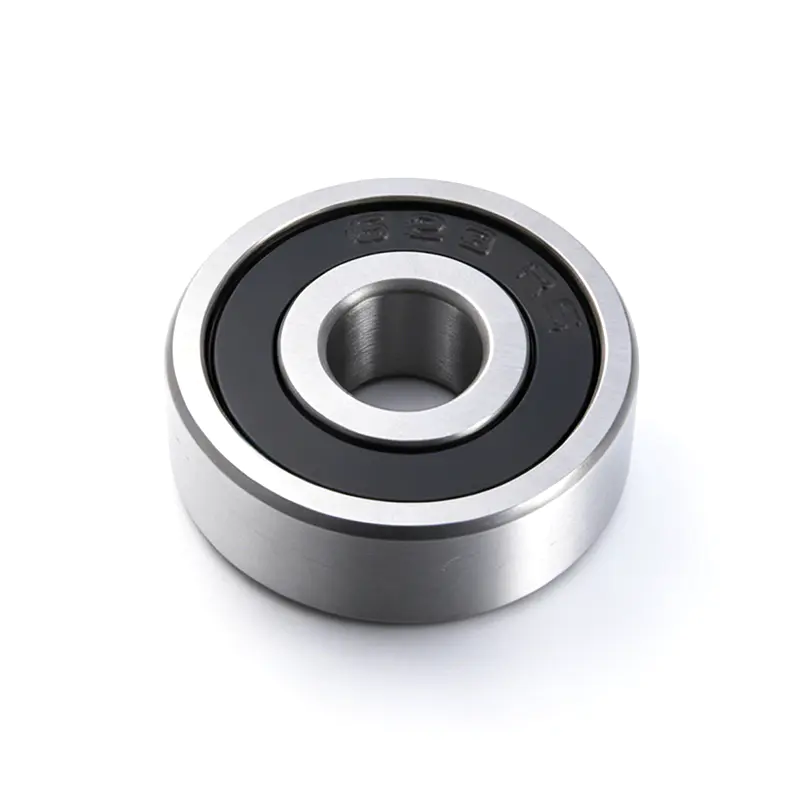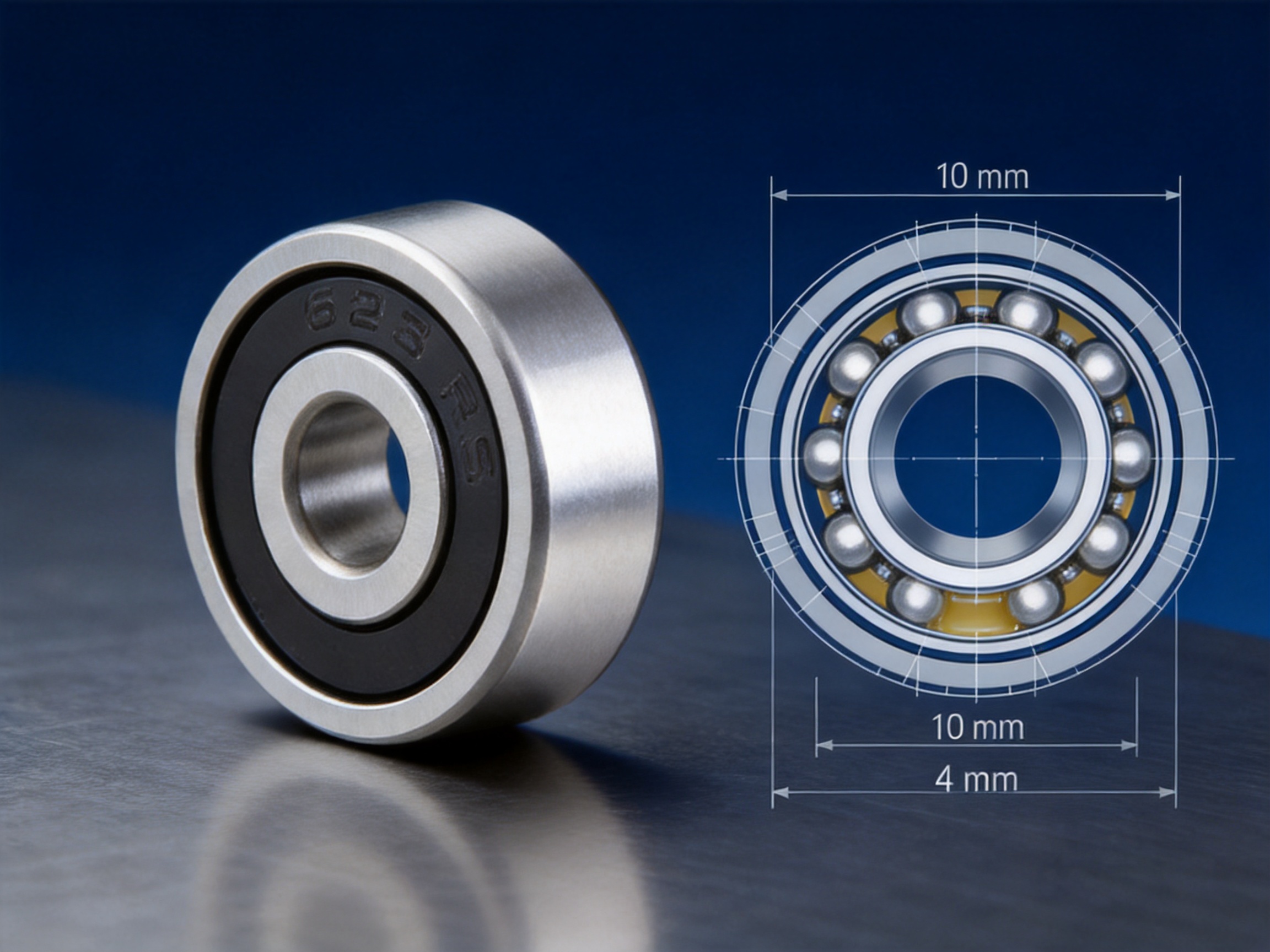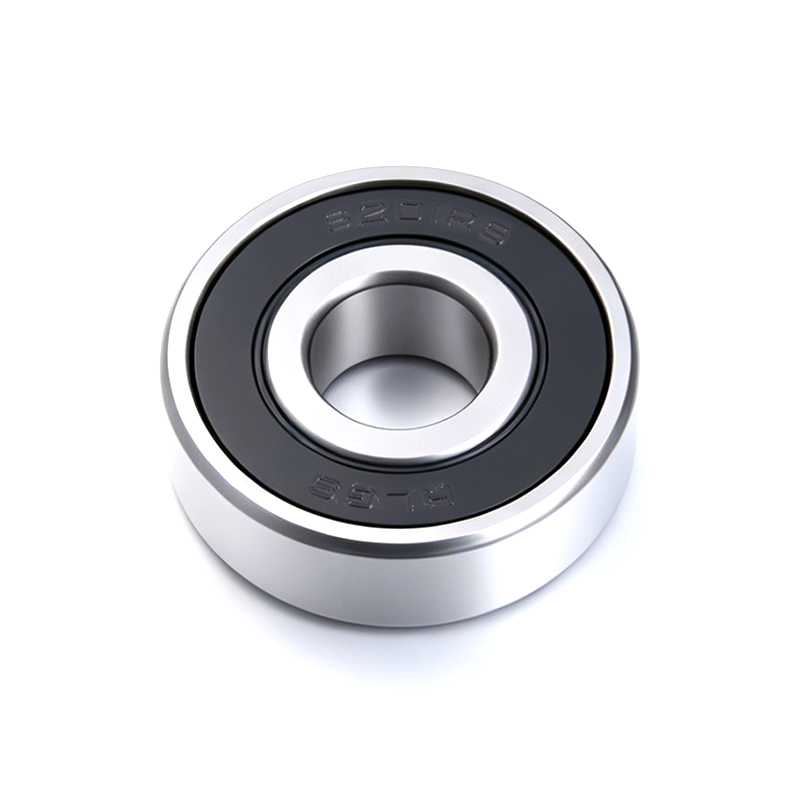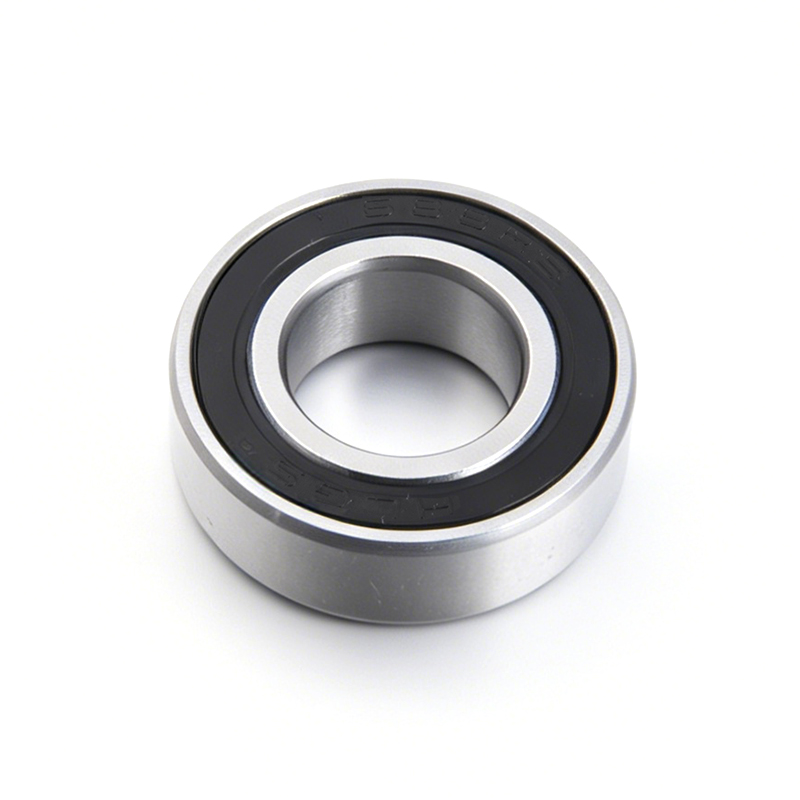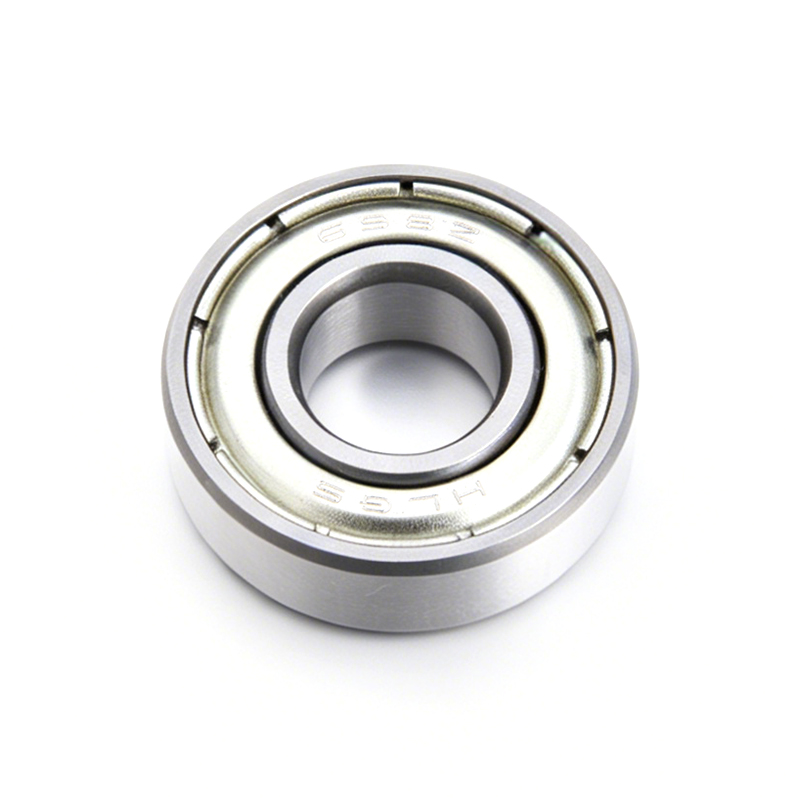
The 623-2RS miniature deep groove ball bearing is designed for equipment that requires dependable rotation, compact dimensions, low operating noise, and consistent service performance. With a 3 mm bore, 10 mm outside diameter, and 4 mm width, this bearing provides a practical solution for small mechanical assemblies where installation space is limited but reliable radial support is still essential.
Miniature bearings are used in many products that operate continuously or at relatively high speeds. Micro motors, precision instruments, small transmission systems, electric toys, compact actuators, household appliances, and other electromechanical devices all depend on bearings that can maintain stable rotation inside a small housing. In these applications, a bearing must do more than simply fit the available space. It must also control friction, reduce vibration, resist contamination, support radial loads, and maintain dimensional stability during extended operation.
The 623-2RS addresses these requirements through a compact deep groove design, GCr15 bearing steel construction, double-sided protective shielding, and carefully controlled manufacturing. Its standardized dimensions allow designers to integrate it into established bearing housings and replacement programs. Its small size helps reduce the weight and overall footprint of equipment, while its deep groove raceway supports smooth radial rotation and practical load-carrying performance.
With a dynamic load rating of 360 N and a static load rating of 130 N, the bearing is suitable for numerous light-duty and precision-oriented applications. The product is manufactured by Ningbo Zhenhai Hualei Bearing Co., Ltd., a specialist producer of miniature deep groove ball bearings with experience dating back to 2001. The company combines bearing production expertise, quality management systems, testing capabilities, and OEM and ODM support to serve customers in different industrial markets.

Durable 623-2RS Deep Groove Ball Bearing (GCr15/Stainless Steel)
The 623-2RS belongs to the miniature deep groove ball bearing family. It is a single-row radial bearing with a compact geometry intended primarily for radial loads. The standard dimensions are 3 mm for the bore, 10 mm for the outer diameter, and 4 mm for the bearing width. These dimensions make it suitable for shafts and housings used in small motors, miniature gear systems, sensors, instruments, and compact mechanical devices.
The bearing designation identifies the basic bearing series and its protective configuration. “623” refers to a common miniature bearing size, while the suffix indicates the supplied sealing or shielding arrangement. The product information identifies the bearing as having double metal shields, commonly designated ZZ. This configuration is intended to limit the entry of dust, loose particles, and other external contaminants while retaining the lubricant inside the bearing.
The product description also uses the commercial designation 623-2RS. Because bearing suffix conventions may differ between manufacturers and markets, purchasing departments and engineers should confirm the exact protection configuration before ordering. In the supplied specification, the relevant construction is clearly listed as double metal shields (ZZ). This specification should be used when matching the bearing with an existing assembly or replacement bearing.
| Parameter | Specification |
| Bearing number | 623-2RS |
| Bore diameter | 3 mm |
| Outer diameter | 10 mm |
| Width | 4 mm |
| Protective configuration | Double metal shields, ZZ |
| Dynamic load rating, Cr | 360 N |
| Static load rating, Cor | 130 N |
| Material | GCr15 bearing steel |
| Bearing type | Miniature single-row deep groove ball bearing |
These specifications provide a useful starting point for selection, but the complete application evaluation should also include speed, temperature, shaft and housing tolerances, lubrication, mounting method, load direction, vibration, contamination, and expected service life. A miniature bearing may be physically interchangeable with another bearing of the same nominal dimensions, yet differences in internal clearance, shield design, lubricant, material, or manufacturing quality can affect the final performance of the machine.
One of the most important advantages of the 623-2RS is its compact envelope. A 3 mm bore allows the bearing to support small shafts without requiring an oversized motor housing or structural frame. The 10 mm outer diameter helps designers keep surrounding components close together, while the 4 mm width minimizes axial space consumption.
Compact dimensions can provide several practical benefits. Smaller bearings may help reduce the size and mass of rotating assemblies. They can make it easier to place multiple shafts within a limited housing. They can also support the development of lightweight portable devices, compact control mechanisms, and miniature electric products. In many cases, reducing bearing size contributes to lower material consumption in the surrounding housing and a more efficient overall product layout.
Compared with larger deep groove bearings, the 623-2RS is better suited to small shafts, low-to-moderate radial loads, and assemblies where every millimeter matters. Compared with some open miniature bearings, the shielded configuration provides additional protection against ordinary airborne dust and loose contaminants. This can be particularly useful in enclosed devices, small gearboxes, and products that are handled frequently.
Compact size should not be interpreted as unlimited capability. Miniature bearings have a smaller rolling element system than larger bearings, and their load capacity must be evaluated according to the actual operating conditions. The stated 360 N dynamic load rating and 130 N static load rating should be considered during design calculations. Proper shaft support, alignment, mounting, and lubrication are especially important because small bearings can be sensitive to installation errors.
The deep groove ball bearing structure is widely used because it offers a balanced combination of radial load capacity, rotational smoothness, and design simplicity. The inner ring, outer ring, balls, cage, raceways, lubricant, and protective shields work together to support a rotating shaft while limiting friction between the moving parts.
A deep groove raceway allows the balls to maintain continuous contact with the inner and outer rings during normal operation. This arrangement is primarily intended for radial loads, although deep groove bearings can also accommodate limited axial loads depending on the magnitude, direction, speed, and operating conditions. For small electromechanical products, this versatility can simplify the bearing arrangement and reduce the need for multiple specialized bearing types.
The 623-2RS design is appropriate for applications that require smooth rotation and practical load support rather than extreme heavy-load capability. Its geometry is compatible with a wide range of standard shaft and housing arrangements. The standardized form also assists maintenance teams when replacing worn bearings, because the required envelope dimensions are clearly defined.
The raceway and rolling elements must be manufactured with high dimensional accuracy. Small deviations in roundness, surface finish, internal clearance, or ball diameter can affect noise, torque, vibration, and service life. For this reason, miniature bearing production requires more than simply reducing the dimensions of a larger bearing. It requires specialized control of grinding, superfinishing, cleaning, assembly, lubrication, shielding, and final inspection.
The supplied specification identifies GCr15 bearing steel as the material used for the bearing. GCr15 is a commonly used high-carbon chromium bearing steel selected for its hardness, wear resistance, fatigue strength, and suitability for precision rolling components. When correctly heat-treated and processed, it can provide a stable surface for raceways and rolling elements in many conventional bearing applications.
Material selection is important because bearing rings and balls experience repeated contact stress. During operation, the rolling elements pass through the raceways many times per second. The steel must resist permanent deformation, surface damage, pitting, and premature fatigue. A suitable bearing steel, combined with controlled heat treatment and accurate finishing, helps create the necessary balance between hardness and toughness.
The GCr15 material specification also provides procurement clarity. Buyers can identify the expected base material and include it in quality documentation, inspection plans, and technical purchasing requirements. For demanding applications, customers may request additional information concerning heat-treatment conditions, hardness, cleanliness, dimensional tolerances, internal clearance, lubricant type, or material traceability.
The product title refers to GCr15 and stainless steel, while the supplied technical table specifies GCr15 bearing steel. These materials are not identical. GCr15 is a bearing steel commonly used for standard bearing construction, whereas stainless bearing steel is selected when enhanced corrosion resistance is required. Customers working in humid, chemically exposed, food-processing, marine, or washdown environments should confirm the exact material version before placing an order. The standard specification provided for this product is GCr15 bearing steel.
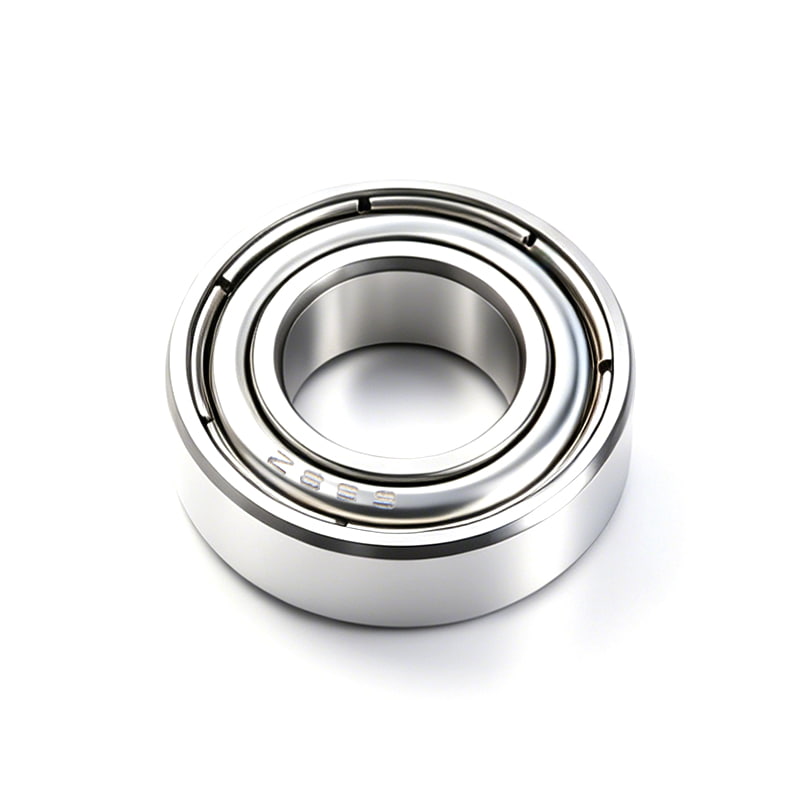
The bearing is specified with double metal shields, or ZZ protection, on both sides. These shields create a non-contact or closely controlled barrier around the rolling element area. Their purpose is to reduce the entry of dust, loose particles, and ordinary environmental impurities while helping retain the factory-applied lubricant.
Shielded bearings are often preferred in applications where the bearing is installed inside a housing or where the environment contains normal levels of airborne contamination. A shield can help protect the internal raceway from particles that might otherwise increase friction, produce abrasive wear, or contribute to noisy operation. It also reduces the likelihood that lubricant will migrate out of the bearing during ordinary operation.
Compared with an open bearing, the double-shielded 623-2RS can offer a more convenient ready-to-install solution. The user does not necessarily need to design a separate external dust cover for basic indoor applications. This may simplify assembly and reduce the number of surrounding components. It can also support more consistent production because the bearing arrives with its protective arrangement already installed.
Metal shields are not equivalent to contact rubber seals. They should not be treated as fully waterproof protection or as a substitute for a sealed bearing in aggressive environments. Where liquid spray, fine abrasive dust, chemical exposure, or frequent washing is expected, the application engineer should confirm whether the ZZ configuration is suitable. The exact shield and seal designation should always be verified with the supplier before final selection.
The 623-2RS has a stated dynamic load rating of 360 N and a static load rating of 130 N. The dynamic rating is used when evaluating the bearing under rotating load and calculating a theoretical basic rating life. The static rating is considered when the bearing is stationary or rotating at very low speed and is exposed to heavy load, shock, vibration, or intermittent operation.
Load ratings are reference values rather than guaranteed operating loads for every application. Actual bearing life depends on the size and direction of the load, speed, lubrication, cleanliness, alignment, installation quality, temperature, and vibration. A bearing subjected to a load well below its rating may still fail prematurely if it is contaminated, misaligned, damaged during installation, or operated without suitable lubrication.
The relatively balanced load performance of this miniature bearing makes it suitable for small rotating mechanisms. It can support radial forces generated by miniature pulleys, gears, fans, rotors, wheels, and small drive shafts. It may also accommodate limited axial forces when those forces remain within appropriate design limits. Where substantial axial loading is present, a different bearing arrangement or a more specialized bearing type may be required.
Designers should account for both the normal working load and temporary peak loads. Electric toys, portable equipment, and compact mechanical products may experience shock when dropped, stopped suddenly, or operated outside their normal orientation. The static load rating can help inform the assessment of these conditions, but it should not be used alone. Shaft deflection, housing stiffness, fit, and impact duration are also important factors.
Miniature bearings are often installed close to sensors, circuit boards, acoustic components, or user interfaces. Excessive bearing noise or vibration can therefore affect the perceived quality of the entire product. The 623-2RS is designed for smooth operation, low noise, and stable rotation when properly installed and lubricated.
Low noise depends on the accuracy of the raceways and balls, the quality of the cage, the consistency of the lubricant, the shield arrangement, the internal clearance, and the cleanliness of the assembled bearing. It also depends on the surrounding machine. A bearing may operate quietly in a correctly aligned housing but generate vibration if the shaft is bent, the fit is too tight, the housing is distorted, or the adjacent gear is improperly meshed.
A properly selected miniature bearing can help reduce energy losses in small motors and transmission systems. Lower friction may support improved motor efficiency, longer battery runtime in portable products, and reduced heat generation. These benefits are particularly valuable in compact assemblies, where there is limited space for cooling and where even a small temperature increase can affect electronic or plastic components nearby.
Noise and torque requirements should be agreed during the product development stage. For sensitive instruments or high-speed micro motors, buyers may need to specify noise grades, torque limits, vibration levels, lubricant requirements, and inspection procedures. Ningbo Zhenhai Hualei Bearing Co., Ltd. can support OEM and ODM cooperation, allowing technical requirements to be discussed according to the application rather than relying only on a general catalog description.
The product description emphasizes high-temperature resistance and stable operation in relatively high-temperature environments. This characteristic is valuable in small electromechanical products where heat may be generated by motor windings, friction, electrical resistance, or confined enclosure design.
Temperature performance is influenced by more than the bearing steel. The lubricant, cage material, shield material, internal clearance, fit, speed, and surrounding housing all contribute to the maximum practical operating temperature. A bearing that performs well at room temperature may require different lubrication or clearance when used continuously at elevated temperature.
Stable lubrication is especially important. If lubricant viscosity becomes unsuitable, friction and heat may increase. If the lubricant evaporates, oxidizes, or separates, the rolling contacts may become inadequately protected. For this reason, temperature claims should be evaluated together with the expected duty cycle, operating speed, heating pattern, and required service life.
For applications described as relatively high-temperature rather than extreme-temperature service, the 623-2RS may provide a practical solution when the operating conditions are within the bearing and lubricant specifications. Customers should request confirmation of the recommended temperature range for their specific lubricant and configuration. If the application involves continuous high heat, rapid temperature cycling, or a heat source close to the bearing, an application-specific evaluation is advisable.
Wear resistance is a central performance factor in miniature bearings because the internal components are small and the operating clearances are carefully controlled. Abrasive particles, inadequate lubrication, excessive preload, and poor alignment can accelerate wear and cause increased torque, noise, and temperature.
The 623-2RS combines GCr15 bearing steel with precision-finished raceways and protective shielding. This combination is intended to support stable operation over extended service periods when the bearing is used within its design limits. The bearing’s service life will depend on the actual load and speed profile, not simply on its nominal dimensions.
In a continuously rotating application, the basic rating life can be estimated using established bearing-life methods. For a ball bearing, the commonly used relationship is based on the dynamic load rating and the equivalent dynamic bearing load. However, theoretical rating life does not account for every real-world factor. Contamination, mounting damage, electrical current passage, lubricant degradation, vibration while stationary, and improper storage can all reduce actual service life.
Preventive maintenance can help preserve performance. Equipment builders should keep bearing packages sealed until use, avoid contact with dirty tools, ensure that shafts and housings are clean, and apply force only to the ring being fitted. During operation, unusual noise, rising temperature, increased vibration, or higher motor current may indicate a developing bearing problem.
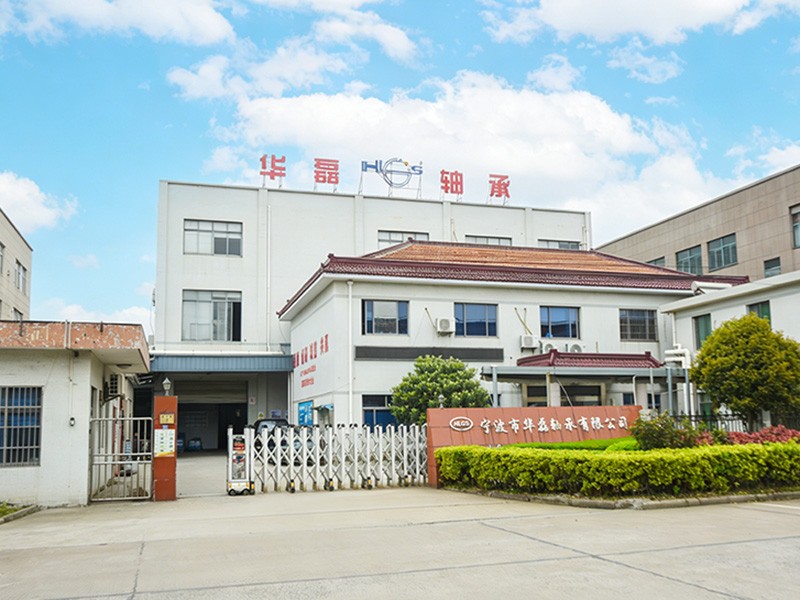
Ningbo Zhenhai Hualei Bearing Co., Ltd. was established in 2001 and specializes in miniature deep groove ball bearings. This focused product experience is important because miniature bearing manufacturing requires close attention to small-scale dimensional accuracy, surface quality, cleanliness, and assembly consistency.
The company states that its products are strictly tested with advanced equipment and that it follows ISO 9001 and ISO/TS 16949 management systems. ISO 9001 provides a framework for quality management, process control, documentation, corrective action, and continual improvement. ISO/TS 16949, associated with automotive quality requirements, emphasizes process discipline, defect prevention, traceability, risk management, and customer-specific requirements.
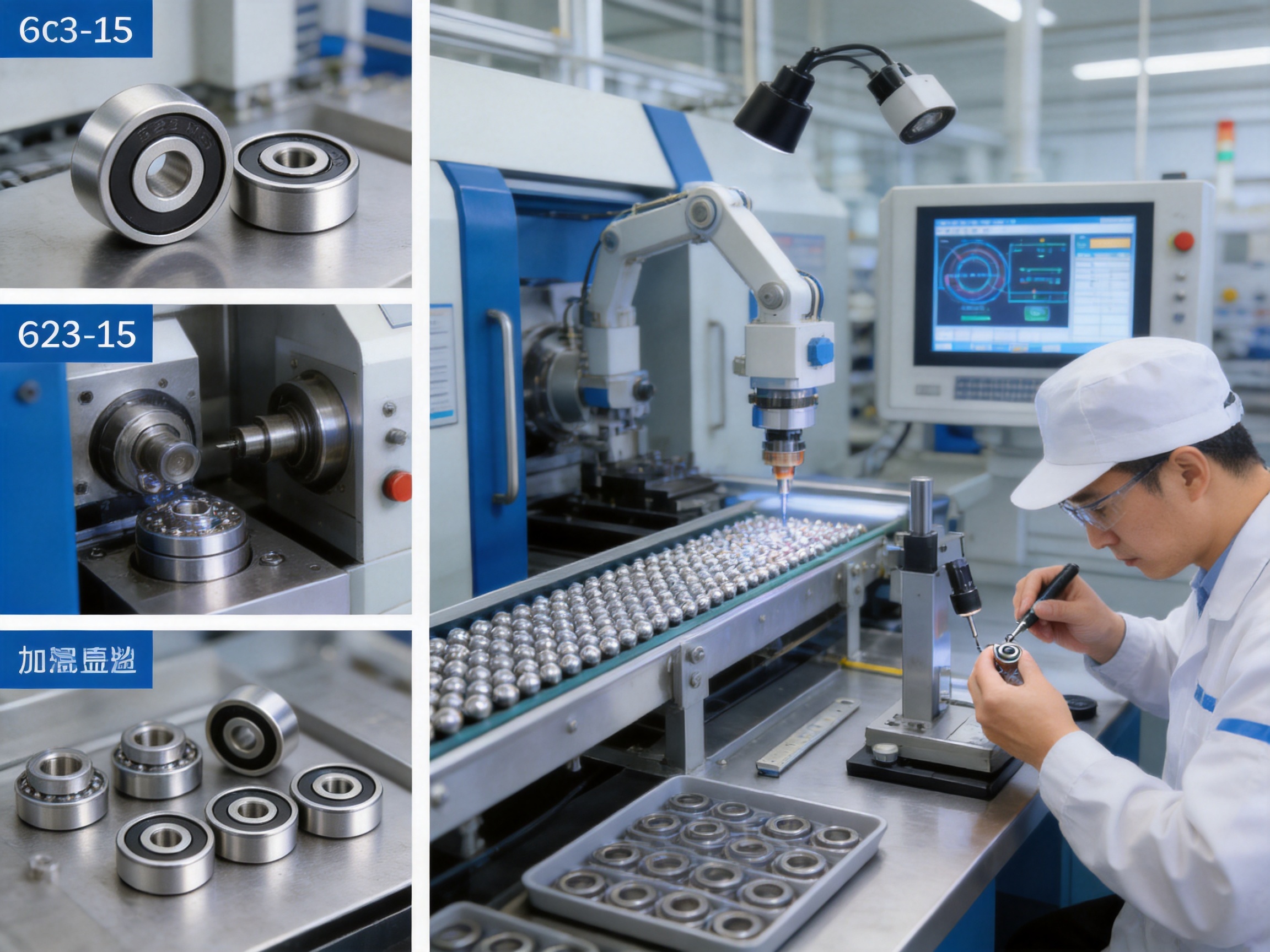
Quality systems are most effective when they are connected to actual production controls. For miniature bearings, this may include incoming material verification, controlled heat treatment, precision grinding, superfinishing, component cleaning, ball sorting, cage inspection, controlled assembly, lubricant management, shield installation, noise and vibration testing, dimensional inspection, and final packaging.
Each stage can influence the final bearing. Heat treatment affects hardness and dimensional stability. Grinding establishes the primary geometry. Superfinishing improves contact surfaces. Cleaning removes particles that might damage the raceways. Assembly controls the relationship between rings, balls, cage, and shields. Final testing helps identify products that do not meet the required performance criteria.
The company’s experience in serving food machinery, household appliances, automotive electromechanical systems, electric tools, mechanical transmission equipment, and motors demonstrates a broad understanding of different industrial requirements. These markets may demand different combinations of load capacity, operating speed, noise control, temperature resistance, contamination protection, packaging, and delivery consistency.
Production begins with suitable bearing steel and controlled material preparation. The raw material must meet required chemical and physical characteristics. Material consistency supports stable heat treatment and predictable machining results. For customers with strict quality requirements, material certificates and traceability records can be incorporated into the purchasing process.
Heat treatment develops the hardness and structural properties required for bearing rings and rolling elements. The process must be controlled to achieve an appropriate balance between wear resistance, fatigue strength, toughness, and dimensional stability. Excessive distortion can create problems during later grinding, so temperature control, cycle management, and inspection are important.
After heat treatment, bearing rings undergo precision machining and grinding. The inner raceway, outer raceway, bore, outside diameter, and side faces must conform to strict dimensional and geometric requirements. For a 3 mm bore bearing, even small deviations may influence shaft fit, rotational torque, and alignment.
Superfinishing improves the surface condition of the raceways. A smoother, more consistent raceway can help reduce friction, vibration, and contact stress. It also supports more stable lubricant film formation between the rolling elements and raceways.
The balls must be selected for consistency in size, roundness, and surface condition. The cage must guide the balls correctly while maintaining a controlled separation between them. Variation among the internal components can cause uneven load distribution or increased noise, so component matching and inspection are important aspects of miniature bearing production.
Cleanliness is essential before assembly. Fine particles left inside the bearing can become a source of abrasive wear or noise. Controlled assembly procedures help ensure that the rings, balls, cage, lubricant, and shields are correctly positioned without introducing contamination or mechanical damage.
The lubricant must be applied in a controlled quantity and distributed appropriately within the bearing. Too little lubricant may increase wear and temperature, while excessive lubricant may increase starting torque or operating resistance. The double metal shields are installed after the internal components and lubricant are prepared, creating the specified protective arrangement.
Final testing may include dimensional inspection, rotational torque evaluation, noise and vibration assessment, visual examination, shield verification, and packaging inspection. The exact tests depend on the product grade and customer requirements. The purpose is to confirm that the finished bearing meets the intended specification before shipment.
The 623-2RS offers several application-level advantages when compared with alternative bearing choices. Its most direct advantage over open miniature bearings is the presence of double-sided metal shielding. This helps protect the internal components in ordinary dusty conditions and reduces the need for an additional external protective arrangement.
Compared with larger bearings, its compact 3 mm by 10 mm by 4 mm envelope can help reduce equipment size, shaft diameter, housing space, and rotating mass. This is especially useful for portable devices, micro motors, small actuators, and lightweight mechanisms.
Compared with unstandardized or low-control miniature products, a bearing produced under formal quality management systems can provide better consistency in dimensions, inspection, documentation, and production traceability. Consistency is valuable to manufacturers who purchase bearings in volume and need predictable assembly results across multiple production batches.
Compared with application-specific custom bearings, a standard 623-series bearing can often be sourced and replaced more easily. Standard dimensions simplify design integration and maintenance planning. They may also reduce tooling and development requirements when the application does not need a special ring geometry or unusual mounting arrangement.
The bearing’s GCr15 construction offers a conventional and well-established material platform for general miniature bearing applications. Its stated 360 N dynamic load rating and 130 N static load rating provide useful design references for small radial-load mechanisms. Its smooth operation, high-speed adaptability, wear resistance, and compact structure make it a balanced option rather than a specialized solution limited to one particular machine type.
These advantages should be assessed against the alternatives according to actual conditions. A rubber-sealed bearing may be more appropriate for liquid exposure. A stainless steel bearing may be preferred for corrosion-sensitive environments. A ceramic hybrid bearing may be selected for extreme speed, electrical insulation, or special chemical conditions. The 623-2RS is strongest when the application requires a compact, shielded, steel miniature bearing for general precision equipment and electromechanical service.
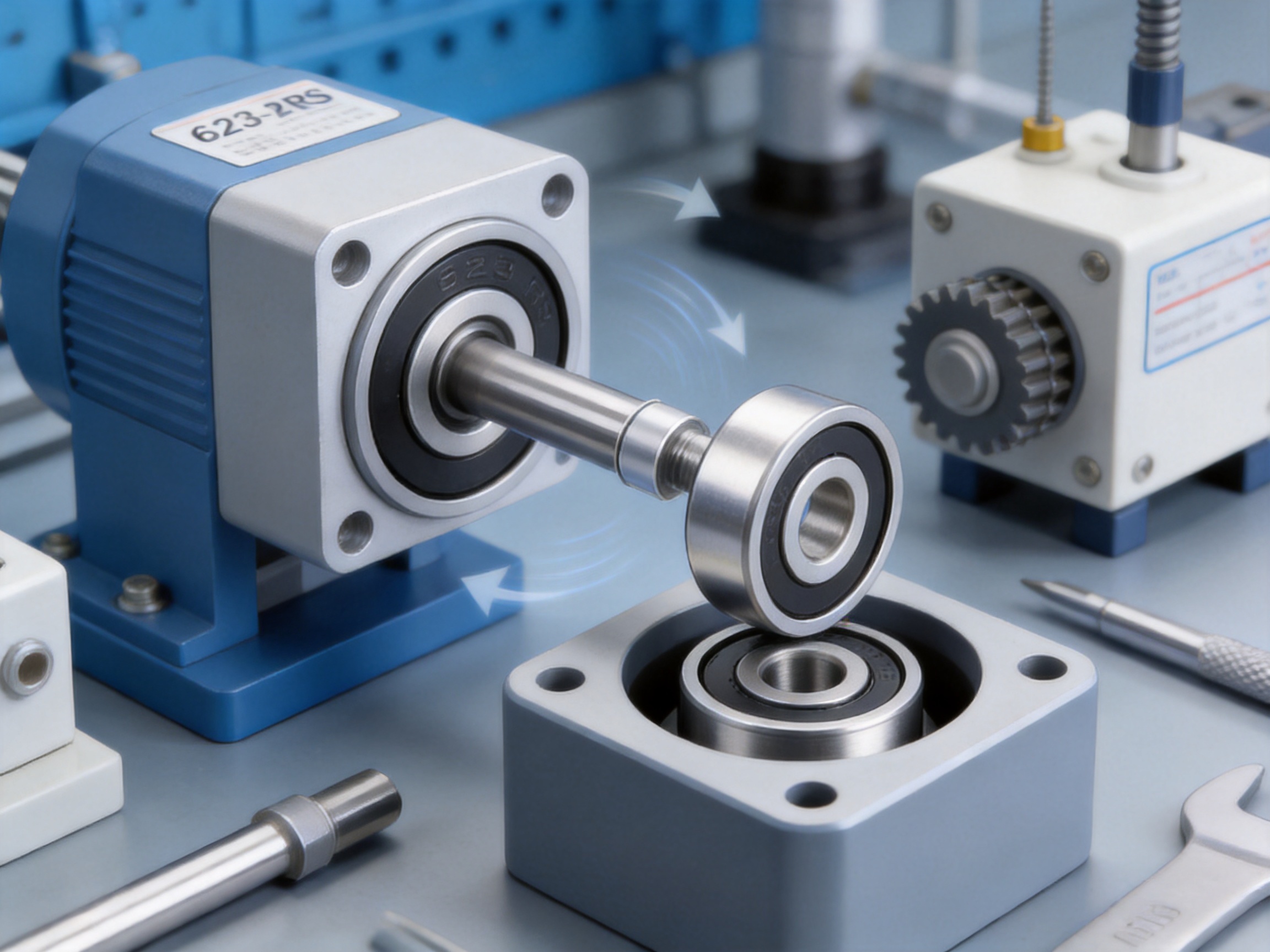
Micro motors require bearings that can support a small rotor while maintaining low friction and stable operation. The 623-2RS can be used in suitable motor designs where the shaft, load, speed, and temperature fall within the bearing’s capabilities. Its small bore and outside diameter help preserve a compact motor profile.
Precision instruments often require low vibration and controlled movement. The bearing can support small rotating shafts in measurement devices, optical mechanisms, laboratory equipment, and compact adjustment systems. Clean assembly and correct preload are particularly important in these applications.
Miniature gears, pulleys, rollers, and linkages can use deep groove bearings to support rotating components. The bearing’s radial load capacity is suitable for many light transmission systems. Designers should evaluate gear forces, belt tension, misalignment, and shock loads before confirming the selection.
Electric toys may contain small motors, wheels, fans, gear trains, or moving displays. A compact shielded bearing can simplify assembly and support smoother movement. Because toy products may experience intermittent operation and handling impact, housing strength and correct fitting are important.
Compact appliance mechanisms may use miniature bearings in fans, small actuators, control assemblies, and motorized adjustments. The suitability of the ZZ-shielded configuration depends on the appliance environment. High humidity, direct liquid contact, detergent exposure, or washdown conditions may require a different protection configuration.
Automotive electromechanical products may include small motors, actuators, sensors, and transmission components. These products can place greater demands on temperature stability, vibration resistance, traceability, and quality consistency. The bearing should be evaluated against the vehicle subsystem’s specific temperature, shock, speed, and service-life requirements.
Compact electric tools can use miniature bearings in auxiliary mechanisms, control systems, fans, and small gear arrangements. Tool applications may involve vibration and repeated start-stop cycles, so the static load, fit, and mounting method should be checked carefully.
Correct installation is essential for achieving the intended performance of any miniature bearing. Before installation, inspect the shaft and housing for burrs, scratches, corrosion, dirt, and dimensional damage. The shaft and housing should match the selected fit and should be aligned accurately.
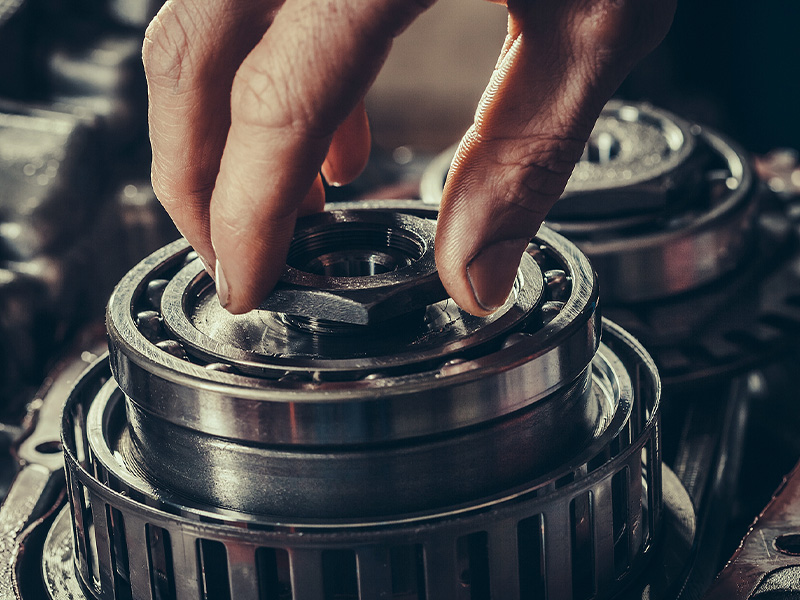
When pressing a bearing onto a shaft, apply force to the inner ring if the fit is on the shaft. When pressing the bearing into a housing, apply force to the outer ring. Applying force through the rolling elements can create raceway dents, brinelling, or internal damage even when the damage is not immediately visible.
Do not strike the bearing directly with a hammer or hard tool. Use a suitable sleeve, press, or controlled installation fixture. Ensure that the mounting force is distributed evenly around the correct ring. Avoid using the shields as a pressing surface, because deformation may affect protection or internal clearance.
Alignment should be checked after installation. Excessive shaft deflection, housing distortion, or angular misalignment can cause uneven loading and increased temperature. In small devices, a thin housing or plastic support may deform during screw tightening or assembly, so the bearing seat should be designed with sufficient rigidity.
Storage conditions also matter. Bearings should remain in their original packaging until they are needed. They should be kept in a clean, dry location with stable temperature and humidity. Avoid storing them near corrosive chemicals, vibration sources, or areas with large temperature fluctuations that may cause condensation.
Before purchasing the 623-2RS, buyers should confirm the following technical points:
First, verify that the nominal dimensions match the shaft and housing: 3 mm bore, 10 mm outside diameter, and 4 mm width. Confirm whether the bearing will be installed individually or as part of a paired or multi-bearing arrangement.
Second, confirm the protective configuration. The supplied specification identifies double metal shields, ZZ. If the application requires contact seals, water resistance, or chemical protection, request a suitable alternative or written confirmation.
Third, review the material requirement. The standard specification lists GCr15 bearing steel. If stainless steel is necessary because of corrosion exposure, verify the exact material and product code before ordering.
Fourth, evaluate load and speed. Compare the working radial load and peak load with the 360 N dynamic rating and 130 N static rating. Confirm that the planned rotational speed and acceleration are compatible with the bearing, lubricant, cage, and internal clearance.
Fifth, discuss temperature and lubrication. The description identifies high-temperature resistance and stable lubrication in relatively high-temperature environments, but the actual operating range should be confirmed for the selected configuration and duty cycle.
Sixth, specify quality and documentation needs. Volume buyers may require inspection reports, batch traceability, packaging standards, sampling plans, noise grades, or customer-specific approval procedures. These requirements should be agreed before production.
Seventh, assess supply requirements. Ningbo Zhenhai Hualei Bearing Co., Ltd. offers OEM and ODM services through its import and export department, Ningbo Hotex Mechanical & Electrical Technology Co., Ltd. Custom packaging, labeling, technical coordination, and export documentation may be discussed according to the project.
Manufacturers of motors, appliances, instruments, toys, tools, and transmission products often require more than a standard catalog bearing. They may need a specific lubricant, packaging format, inspection level, brand marking, internal clearance, noise requirement, or delivery schedule. OEM and ODM cooperation allows the bearing supplier and equipment manufacturer to coordinate these details during development and production.
Hualei Bearing has established an import and export department to support international business and technical cooperation. This structure can help customers communicate product requirements, coordinate samples, manage documentation, and arrange repeat orders. For larger projects, early communication is useful because bearing selection can influence shaft size, housing design, motor efficiency, noise, assembly tooling, and maintenance procedures.
A successful OEM or ODM program should define the technical specification clearly. It should identify the bearing number, dimensions, material, shield or seal configuration, lubricant, internal clearance, tolerances, test requirements, packaging, marking, and acceptance criteria. It should also define how engineering changes, nonconforming products, and batch traceability will be managed.
Supplier cooperation is especially valuable when the bearing is used in a new product. Sample testing can reveal whether the bearing’s torque, noise, temperature, and durability meet the equipment’s requirements. If adjustments are necessary, the supplier can work with the customer to identify a more suitable configuration.
For industrial customers, the performance of one bearing is important, but the consistency of thousands or millions of bearings is even more important. Variation in bore diameter, outside diameter, internal clearance, noise, lubricant quantity, or shield fit can create assembly problems and field failures.
A controlled production system reduces variation by standardizing procedures and inspection points. Documented work instructions help operators follow the same sequence. Process monitoring allows problems to be detected earlier. Statistical analysis can identify trends before they become large-scale quality issues. Corrective and preventive action systems help ensure that recurring problems are addressed systematically.
The company’s stated ISO 9001 and ISO/TS 16949 management systems support this type of organized approach. These systems are particularly relevant for customers serving automotive, electrical, appliance, and industrial markets where documentation, process control, and traceability may be required.
Manufacturing consistency also supports easier assembly. When bearings meet their dimensional specifications reliably, automated or semi-automated installation equipment can operate with fewer interruptions. Stable torque and noise characteristics help manufacturers maintain consistent product performance during end-of-line testing.
A properly selected and installed 623-2RS bearing generally requires limited routine maintenance because the lubricant and protective shields are supplied as part of the bearing assembly. However, the surrounding equipment should still be monitored for abnormal operating conditions.
Rough running may indicate contamination, raceway damage, excessive load, poor alignment, or installation marks. High temperature may result from excessive preload, an interference fit that is too tight, insufficient lubrication, high speed, or external heat. Unusual noise may be associated with damaged balls, raceways, shields, cage components, or adjacent machine parts.
If a bearing fails earlier than expected, the replacement process should include a root-cause investigation. Simply replacing the bearing without correcting the original problem may lead to repeated failures. Inspect the shaft and housing, review the load and speed conditions, examine the lubricant, check for contamination, and evaluate whether the bearing was installed using the correct force and tools.
Electrical current can also damage bearings in motor applications. If current passes through the bearing, it may create fluting or localized electrical erosion on the raceways. In such cases, the motor design may require grounding improvements, insulation, or a bearing configuration specifically intended for electrical current protection.
The bearing has a 3 mm bore diameter, a 10 mm outer diameter, and a 4 mm width. These dimensions make it suitable for miniature shafts and compact housings.
It is a miniature single-row deep groove ball bearing designed primarily for radial loads and smooth rotational motion. It can accommodate limited axial loading depending on the application.
The supplied technical information specifies double metal shields, commonly identified as ZZ. The shields help reduce the entry of dust and loose impurities and help retain internal lubricant.
No waterproof performance should be assumed from the listed ZZ metal-shield configuration. Applications involving water, liquid spray, chemicals, or frequent washing should be reviewed with the supplier to determine whether a contact-sealed or corrosion-resistant version is more appropriate.
The technical table specifies GCr15 bearing steel. Customers requiring stainless steel should confirm the exact product material before ordering because GCr15 and stainless bearing steel have different characteristics.
The stated dynamic load rating is 360 N, and the stated static load rating is 130 N. These values are reference ratings and should be evaluated together with the actual operating load, speed, temperature, lubrication, alignment, and shock conditions.
Yes, it is intended for applications such as micro motors and other small electromechanical systems when the motor’s shaft size, load, speed, temperature, and environmental conditions are compatible with the bearing specifications.
The product description emphasizes high-temperature resistance and stable lubrication in relatively high-temperature environments. The precise allowable temperature depends on the lubricant, bearing configuration, speed, duty cycle, and surrounding equipment. Customers should confirm the operating range for their application.
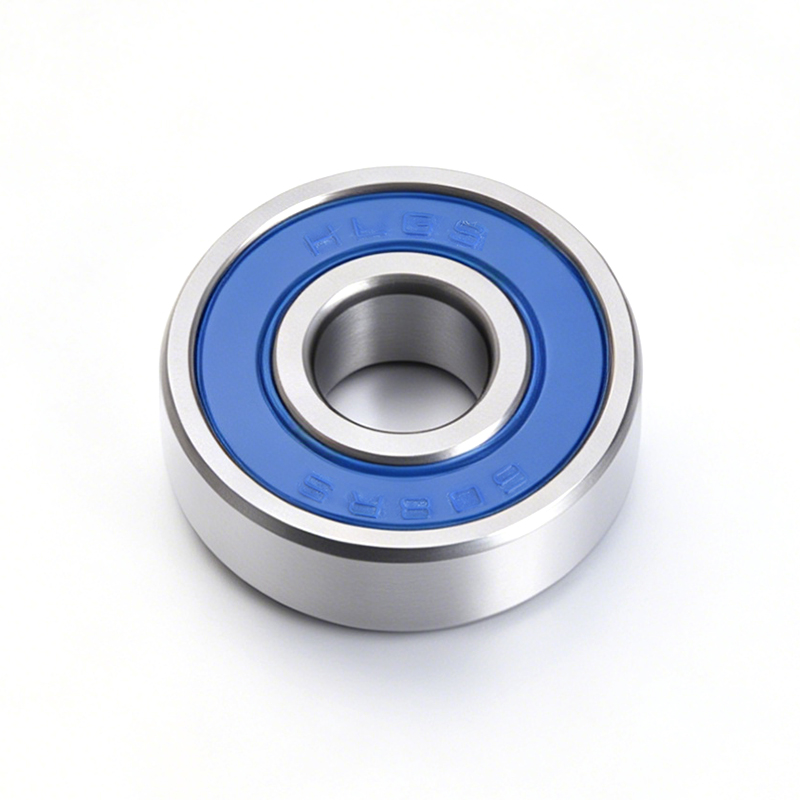
The double metal shields provide additional protection against ordinary dust and loose contamination and help retain lubricant. An open bearing may offer lower resistance in some conditions, but it requires greater environmental protection and may be more vulnerable to contamination.
A rubber-sealed bearing generally provides stronger contact protection against liquids and fine contaminants, but it may produce greater friction or torque. The ZZ-shielded 623-2RS is more appropriate when low resistance and ordinary contamination protection are priorities.
Use a clean, aligned shaft and housing. Apply installation force only to the ring being fitted, use a suitable press or sleeve, and avoid transmitting force through the rolling elements. Do not strike the bearing directly or deform the shields.
Yes. Ningbo Zhenhai Hualei Bearing Co., Ltd. provides OEM and ODM services through its import and export department. Customers can discuss product specifications, packaging, quality requirements, and other project details with the supplier.
Typical industries include micro motors, precision instruments, household appliances, electric toys, small transmission systems, electric tools, automotive electromechanical equipment, food machinery, and general mechanical products.
The 623-2RS miniature deep groove ball bearing provides a compact and versatile solution for small rotating mechanisms. Its 3 mm bore, 10 mm outside diameter, and 4 mm width support space-efficient equipment designs, while the deep groove structure provides practical radial load capability and smooth rotation. The stated 360 N dynamic load rating and 130 N static load rating make it suitable for many light-duty and precision-oriented applications.
Its GCr15 bearing steel construction, double metal shields, wear resistance, high-speed adaptability, low-noise operation, and stable lubrication contribute to dependable performance when the bearing is correctly selected and installed. The shielded configuration is useful in ordinary indoor environments, although customers must confirm suitability when liquid exposure, aggressive chemicals, or severe contamination is expected.
Behind the product is a manufacturer with experience in miniature deep groove bearing production since 2001. Ningbo Zhenhai Hualei Bearing Co., Ltd. supports customers through specialized manufacturing, advanced testing, ISO 9001 and ISO/TS 16949 management systems, and OEM and ODM capabilities. Its experience across motors, appliances, automotive electromechanical systems, tools, machinery, and transmission products provides a strong foundation for application-oriented bearing supply.
For buyers seeking a standard miniature bearing for compact electromechanical equipment, the 623-2RS is a practical option to evaluate. Final selection should be based on confirmed dimensions, material, shield configuration, load, speed, temperature, lubrication, environmental exposure, and required service life. When these factors are matched correctly, the bearing can contribute to efficient, quiet, and reliable operation in a wide range of small machines.
1. ISO 9001, Quality Management Systems — Requirements.
2. ISO/TS 16949, Quality Management Systems for Automotive Production and Relevant Service Parts Organizations.
3. ISO 281, Rolling Bearings — Dynamic Load Ratings and Rating Life.
4. ISO 76, Rolling Bearings — Static Load Ratings.
5. General engineering principles for miniature deep groove ball bearing selection, installation, lubrication, and maintenance.
6. Product specification for the 623-2RS miniature deep groove ball bearing, including dimensions, load ratings, protective configuration, and material data.
A spindle starts to leave a faint chatter mark at 8,000 rpm. The deep groove ball bearing meets its...
A motor that has run for years rarely announces a bearing failure early. The first sign is a low hu...
Picture a maintenance engineer holding a replacement bearing stamped 6204-2RS C3. The part looks id...
The Direct Answer: A Deep Groove Ball Bearing Supports Both Radial and Axial Loads Using a Simple, ...