Lin Yutong — After-Sales Service Manager
Home / Author / Lin Yutong — After-Sales Service Manager / 6901ZZ Compact Deep Groove Ball Bearing for Fans, Motors, and Electronic Devices

6901ZZ Compact Deep Groove Ball Bearing for Fans, Motors, and Electronic Devices

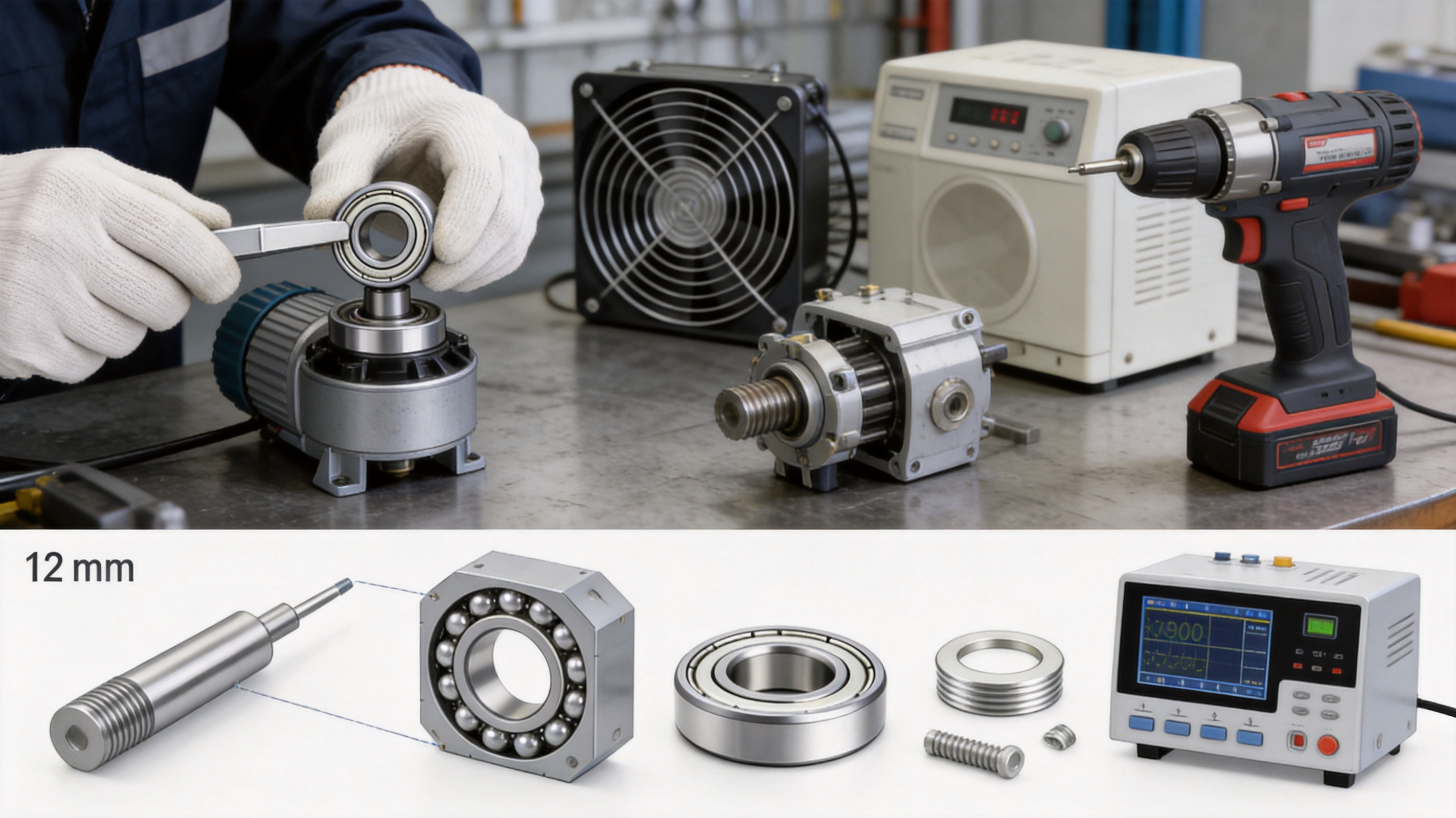
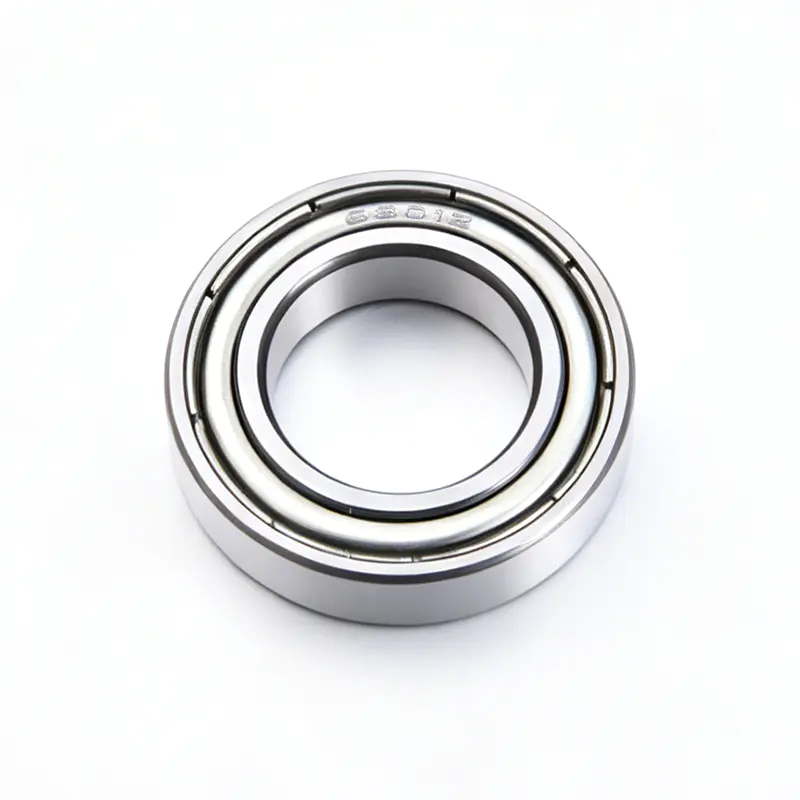
The 6901ZZ is a compact double-shielded deep groove ball bearing designed for applications where installation space is limited but dependable rotational performance remains essential. With a standard 12 × 24 × 6 mm size, this miniature bearing provides a practical balance of compact dimensions, smooth operation, load capacity, and service life. It is suitable for small motors, fans, household appliances, power tools, precision transmission mechanisms, and electronic equipment that require accurate rotation within a slim housing.

Although small in size, a miniature bearing must meet demanding requirements. It may operate at relatively high rotational speed, function inside equipment with little room for maintenance, and support rotating components that are sensitive to vibration and noise. The 6901ZZ addresses these requirements through its deep groove raceway design, high-quality GCr15 bearing steel, strict heat treatment, precision manufacturing, and double-sided metal shields.

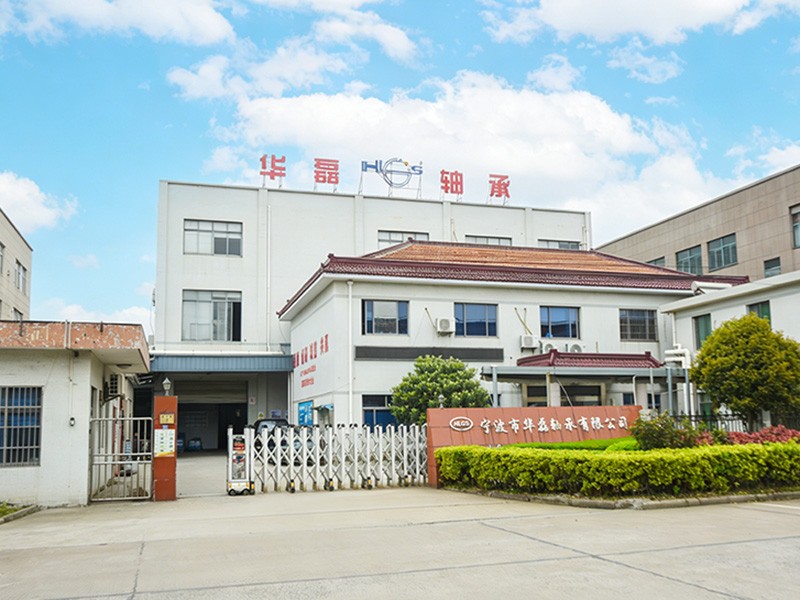
Manufactured by Ningbo Zhenhai Hualei Bearing Co., Ltd., the 6901ZZ forms part of a broad range of miniature and deep groove ball bearings developed for industrial and commercial use. The manufacturer has operated since 2001 and applies systematic quality control, advanced testing equipment, and ISO 9001 and ISO/TS 16949 management systems to its production and service operations. These capabilities support consistent dimensions, stable running characteristics, and dependable supply for original equipment manufacturers, distributors, and maintenance buyers.

For designers selecting a miniature bearing, the 6901ZZ offers more than a compact outline. Its specifications, shielding arrangement, material quality, and manufacturing controls all contribute to a bearing that can deliver reliable performance in space-constrained applications.

6901ZZ Compact Ball Bearing for Fans, Motors and Electronic Devices

Product Overview

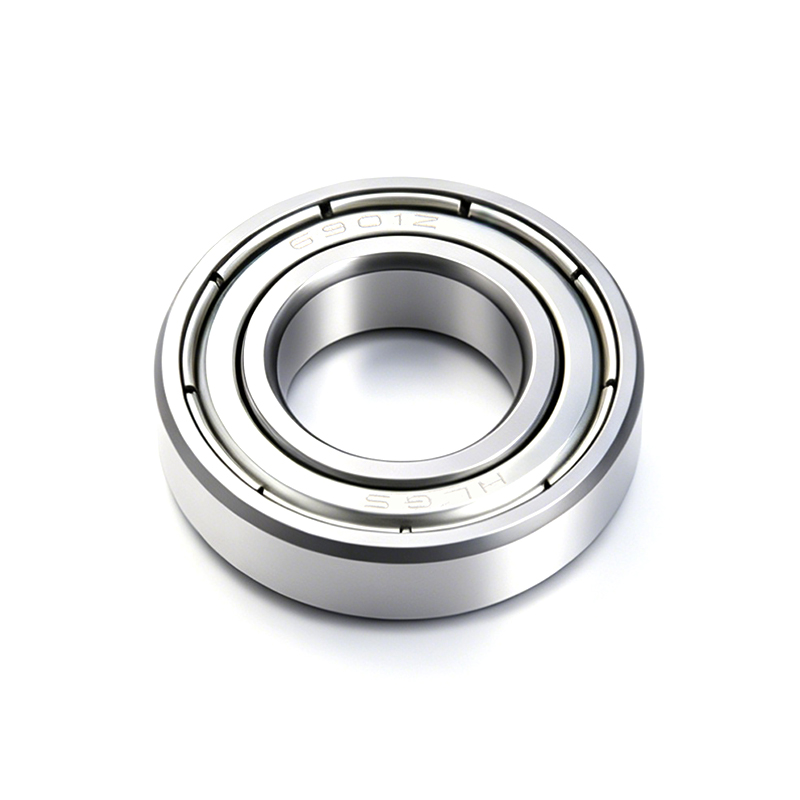
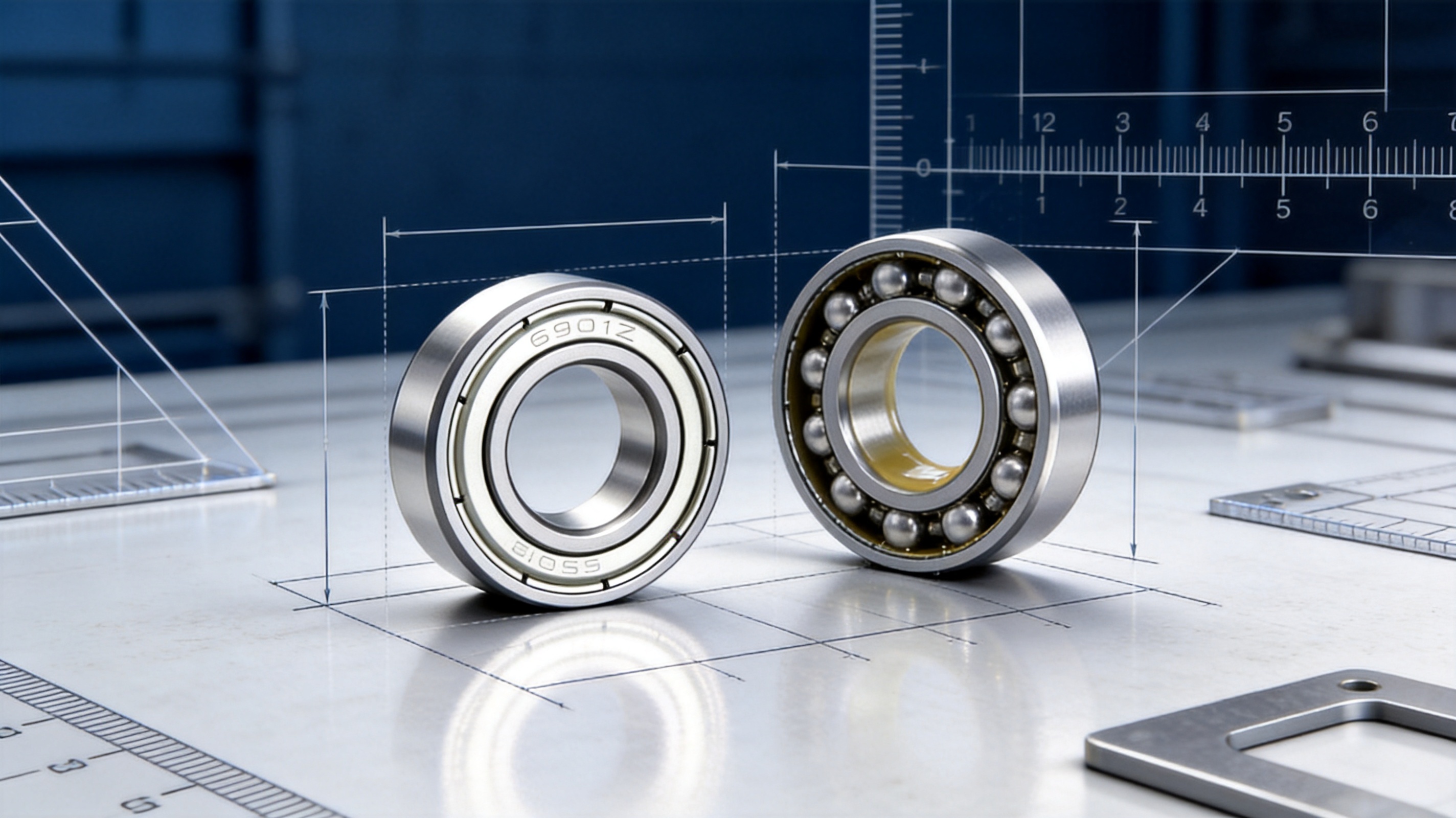
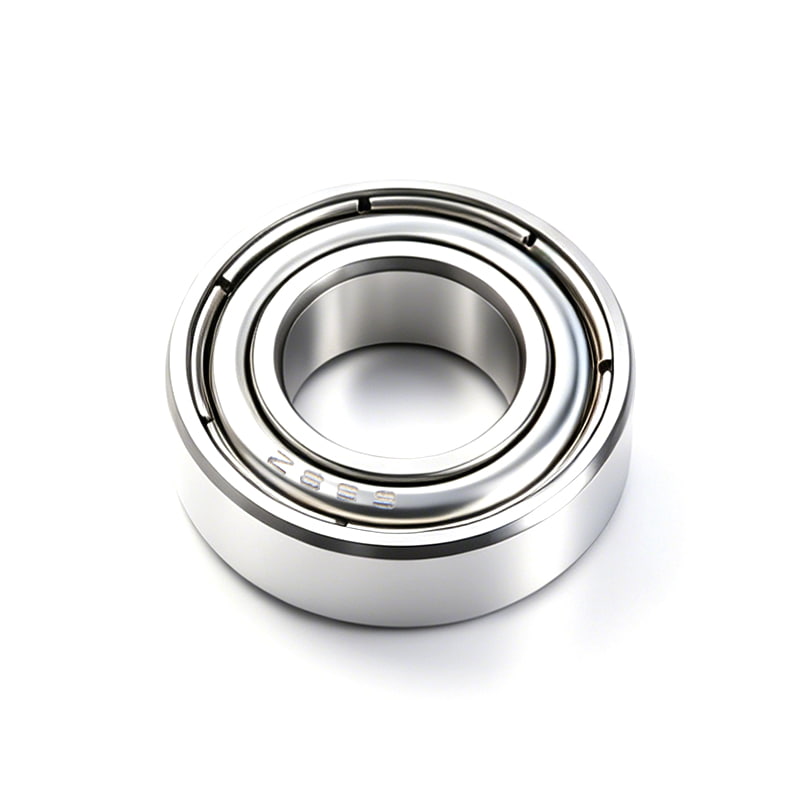
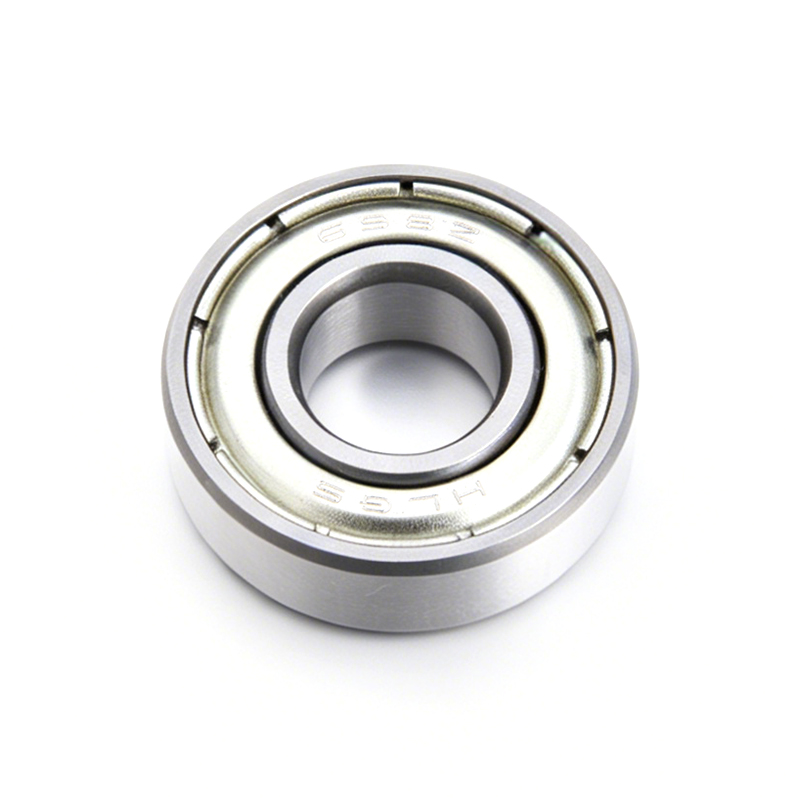
The 6901ZZ is a single-row deep groove ball bearing with an inner bore of 12 mm, an outer diameter of 24 mm, and a width of 6 mm. The designation “6901” identifies the dimensional series, while “ZZ” indicates that the bearing is fitted with metal shields on both sides. These shields help limit the entry of dust and other external contaminants while retaining the factory-applied lubricant inside the bearing.

The bearing is designed for light to medium load conditions. Its dynamic load rating is 2,340 N, and its static load rating is 1,060 N. These values provide a useful basis for evaluating the bearing in relation to applied radial loads, occasional axial loads, rotational speed, operating temperature, and required service life. Actual performance depends on the complete operating environment, including shaft and housing accuracy, lubrication, alignment, contamination, and installation quality.

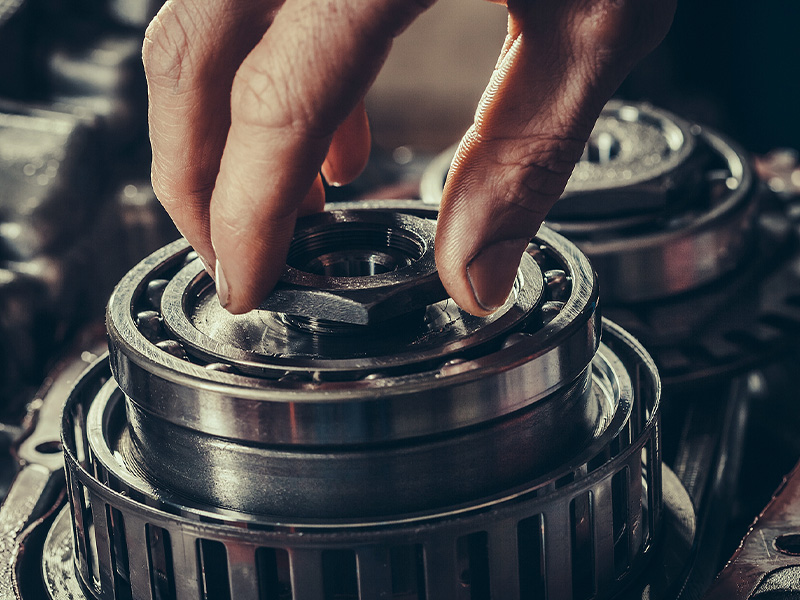
Deep groove ball bearings are among the most versatile bearing types used in mechanical equipment. Their raceway geometry allows them to support primarily radial loads while also accommodating axial loads in both directions within suitable limits. This makes them suitable for rotating shafts, rollers, pulleys, fans, small gear mechanisms, and compact motor assemblies.

The 6901ZZ is especially useful when a larger bearing would occupy too much space or add unnecessary weight. Its 6 mm width can help designers reduce the axial length of a bearing arrangement. Its 12 mm bore is suitable for compact shafts, while the 24 mm outside diameter provides an appropriate supporting surface for a small housing or bearing seat.

Key Specifications

Parameter Specification Design Significance
Bearing number 6901ZZ Identifies the bearing size and double metal-shield configuration
Bore diameter 12 mm Fits a 12 mm nominal shaft
Outside diameter 24 mm Defines the required housing or bearing seat diameter
Width 6 mm Supports compact axial installation
Shield arrangement Double metal shields, ZZ Helps reduce contamination entry and lubricant loss
Dynamic load rating, Cr 2,340 N Used for evaluating bearing fatigue life under rotating load
Static load rating, Cor 1,060 N Used for evaluating permanent deformation risk during stationary or shock loading
Material GCr15 bearing steel Provides hardness, wear resistance, and fatigue strength after treatment

The compact dimensions and standard configuration make the bearing easy to specify for new equipment and convenient to replace in existing assemblies. Engineers can use the published dimensions as a starting point for shaft, housing, shoulder, spacer, and retention design. Before final selection, the operating speed, temperature, applied load, expected life, lubrication conditions, and environmental exposure should be checked against the actual application.

Why the 6901ZZ Is Suited to Compact Equipment

Miniaturization is a continuing trend in motors, fans, electronic devices, household appliances, and portable tools. Product designers often need to reduce the size of a housing while maintaining sufficient output, efficiency, and reliability. The bearing arrangement is a critical part of this process because bearings occupy both radial and axial space.

The 6901ZZ addresses this challenge with a narrow 6 mm width. Compared with wider bearings having a similar bore, its slim profile can help reduce the length of a rotor or shaft assembly. It may also allow a smaller housing, a shorter spacer arrangement, or greater room for electrical components, airflow passages, and protective structures.

Small size can also reduce rotating mass. A lighter bearing may contribute to lower inertia in compact rotating systems, which can be useful where rapid start-up, controlled speed changes, or low energy consumption are important. The overall effect depends on the complete assembly, but a compact bearing gives designers greater flexibility when optimizing a small mechanism.

The 6901ZZ is also suitable for applications in which the bearing is installed inside a closed product and is not intended to be serviced frequently. Its double metal shields provide a practical level of protection against ordinary dust and help keep the internal lubricant in place. While ZZ shields are not intended to replace a fully sealed bearing in heavily contaminated or wet environments, they are well suited to many enclosed, clean, or moderately dusty applications.

Deep Groove Design and Running Performance

The deep groove raceway is one of the reasons this bearing type is widely used. The inner and outer raceways are formed to guide the balls smoothly while distributing contact forces over the rolling elements. When the shaft and housing are correctly aligned, this geometry supports consistent rotation and helps limit friction compared with sliding contact arrangements.

In a compact motor or fan, smooth rotation directly affects operating quality. Excessive friction can increase power consumption, heat generation, and wear. Poor raceway quality or inconsistent internal geometry can produce vibration, audible noise, and uneven torque. Precision manufacturing of the raceways, balls, cage, and shield interfaces is therefore important even when the bearing itself is small.

The 6901ZZ is designed for stable rotation and low noise under light to medium load conditions. Its performance is supported by the combination of bearing steel quality, controlled heat treatment, accurate grinding, appropriate internal clearance, and careful assembly. These factors work together; no single feature can guarantee performance in isolation.

Deep groove bearings can accommodate radial load as their primary function. They can also accommodate axial load in either direction, although the allowable axial load depends on the size and direction of the load, rotational speed, lubrication, internal clearance, and the relationship between radial and axial forces. In applications with substantial thrust, frequent shock, or severe misalignment, a different bearing arrangement may be more suitable.

Benefits for Fans and Small Motors

Fans and small motors often require bearings that combine low friction, compact size, quiet operation, and dependable service life. The rotor may turn continuously for long periods, making friction and lubrication stability important. The 6901ZZ can support the shaft while occupying limited space within the motor end shield or fan housing.

In fan applications, vibration control is particularly important. Even a small amount of bearing noise or imbalance can become noticeable when combined with the sound of airflow. A properly manufactured and correctly installed 6901ZZ can help maintain smooth shaft rotation. However, system-level balancing, shaft straightness, housing rigidity, and impeller balance are equally important to final fan performance.

Small motors used in appliances, office equipment, pumps, toys, automation equipment, and electronic products may operate in intermittent or continuous cycles. The 6901ZZ can be selected for such systems when its load, speed, and environmental limits are appropriate. Its standard size also makes it easier to integrate into repeat-production assemblies.

Double Metal Shields and Maintenance Advantages

The “ZZ” designation means that the bearing has metal shields on both sides. These shields are positioned close to the inner ring without forming the same type of contact found in many rubber-sealed designs. As a result, metal-shielded bearings are often selected where low friction and relatively high rotational speed are important.

The primary purpose of the shields is to reduce the movement of dust, particles, and other contaminants into the internal rolling contact area. They also help retain grease within the bearing. By slowing lubricant loss and restricting the entry of ordinary environmental particles, the shields can support longer maintenance intervals in suitable operating conditions.

Metal shields offer a useful balance for enclosed machinery. They are generally appropriate for clean or moderately dusty environments where the bearing is protected by the surrounding equipment. They are not designed as a complete barrier against water, liquid spray, chemical exposure, or fine abrasive contamination. When the application involves washdown, high humidity, corrosive substances, or direct fluid contact, engineers should evaluate a sealed bearing or an additional external sealing arrangement.

Because the shields are integrated into the bearing structure, the 6901ZZ can be installed as a ready-to-use component. Users should not remove the shields during normal installation or attempt to wash out the factory lubricant unless the bearing is specifically intended for relubrication. Removing or deforming a shield may reduce the protective performance and introduce assembly contamination.

GCr15 Bearing Steel and Material Reliability

The 6901ZZ is manufactured from GCr15 bearing steel. This high-carbon chromium steel is widely used for rolling bearings because it can achieve the hardness, dimensional stability, wear resistance, and fatigue strength needed in rolling-contact applications.

Rolling elements and raceways experience repeated contact stress during operation. Each ball passes through the loaded zone many times, and the raceway surfaces must withstand this repeated pressure without premature pitting, spalling, cracking, or excessive wear. The material must therefore provide a controlled combination of hardness and toughness.

Material quality begins with the selection and control of steel before machining. Clean steel with suitable chemical composition and low levels of harmful inclusions contributes to more reliable rolling contact. Production controls must continue through forging or forming, heat treatment, grinding, cleaning, assembly, and final inspection.

GCr15 is not simply selected for its nominal chemical composition. Its performance also depends on metallurgical structure, heat-treatment consistency, surface finish, residual stress, and dimensional accuracy. For this reason, a professional bearing manufacturer must control the full production process rather than relying solely on incoming material certification.

Heat Treatment and Dimensional Stability

Strict heat treatment is an important part of the manufacturing process for the 6901ZZ. Correct heating, soaking, quenching, and tempering help develop the required hardness and microstructure in the rings and other bearing components. Inadequate or inconsistent treatment can reduce fatigue life, increase wear, or create dimensional instability during service.

Heat treatment must be controlled according to component size, steel condition, furnace performance, temperature uniformity, and process timing. Miniature components can respond quickly to temperature changes, so accurate process control is especially important. After treatment, components may undergo inspection for hardness, distortion, surface condition, and other quality characteristics.

Dimensional stability matters because the bearing has a narrow width and relatively small raceways. Small deviations in ring geometry, roundness, or raceway form can influence internal clearance, running noise, friction, and load distribution. Controlled heat treatment and subsequent precision grinding help maintain the geometry needed for stable operation.

Advanced Manufacturing Process

The manufacturing performance of a miniature deep groove bearing depends on a sequence of coordinated operations. Each stage contributes to the final result, and process consistency is essential when bearings are produced in volume for motors, appliances, and equipment manufacturers.

1. Material Preparation

Production begins with bearing steel selected for rolling-contact applications. Incoming material should be checked against required specifications, including chemical composition, surface condition, dimensions, and metallurgical quality. Proper storage also helps protect the material from corrosion, contamination, and mechanical damage before processing.

2. Ring Forming and Machining

The inner and outer rings are formed and machined to create the basic bearing geometry. The bore, outside diameter, side faces, and raceway areas are produced through controlled operations. Allowances are retained for heat-treatment changes and final grinding.

At this stage, concentricity and material flow are important. Poorly controlled forming or machining can create defects that later affect roundness, raceway quality, or dimensional stability. Professional production lines use repeatable tooling, controlled cutting parameters, and inspection procedures to limit variation.

3. Heat Treatment

The rings and rolling elements undergo heat treatment to develop the required hardness and structural properties. The process must be carefully controlled to limit distortion while achieving sufficient resistance to rolling-contact fatigue and wear.

After treatment, components are inspected and prepared for finishing. If necessary, corrective operations are applied to meet the required geometry. Heat-treatment control is one of the important distinctions between a consistently manufactured bearing and a component that merely matches the nominal dimensions.

4. Precision Grinding

Grinding produces the final surfaces and dimensions required for the inner and outer rings. Raceway grinding is especially important because the raceway must guide the balls accurately and distribute load smoothly. Bore and outside-diameter grinding also influence fit, alignment, and installation.

Fine surface finishing helps reduce friction and vibration. A controlled surface finish supports the formation of a stable lubricant film and limits localized stress concentrations. Grinding equipment must be maintained carefully, and process monitoring is required to prevent thermal damage, excessive stock removal, or unwanted profile variation.

5. Ball and Cage Preparation

The rolling balls must have controlled diameter variation, roundness, surface finish, and hardness. In a miniature bearing, even small differences between balls can affect load distribution and running noise. The cage spaces and guides the balls, helping maintain separation and orderly movement around the raceway.

Proper ball selection and cage assembly contribute to smooth torque and stable rotation. Contamination must be controlled during this stage because particles trapped inside the bearing can create indentations or abrasive wear during operation.

6. Cleaning and Assembly

Before assembly, rings, balls, cages, shields, and related components must be cleaned to remove machining residue and foreign matter. The components are then assembled in a controlled environment. The shields are fitted on both sides, and the specified lubricant is applied in an appropriate quantity.

Grease quantity is important. Too little lubricant can accelerate wear and increase noise, while too much can create churning, heat, and starting torque. The correct quantity depends on the bearing design and intended application. Factory lubrication allows the 6901ZZ to be supplied as a compact, ready-to-install unit for many normal operating conditions.

7. Final Inspection and Testing

Finished bearings are checked for key dimensions, appearance, rotation quality, noise, vibration, shield condition, and other defined characteristics. Depending on the production and customer requirements, inspection may include dimensional measurement, rotational torque evaluation, sound analysis, visual examination, and sampling-based life or load verification.

Advanced testing equipment helps identify variation that may not be visible during a simple manual check. This is particularly valuable for miniature bearings because a small defect can have a noticeable effect on noise, friction, or service life. Consistent testing also supports batch traceability and continuous process improvement.

Manufacturing Strengths of the Supplier

Ningbo Zhenhai Hualei Bearing Co., Ltd. has specialized in miniature deep groove ball bearings since 2001. Its product range serves food machinery, household appliances, automotive electromechanical systems, electric tools, mechanical transmission devices, and motors. This range of applications gives the company experience with different requirements for size, load, speed, noise, sealing, and supply consistency.

The company operates under the HLGS registered trademark and follows ISO 9001 and ISO/TS 16949 management systems. ISO-based management provides a framework for documented processes, controlled production, corrective action, quality objectives, and continual improvement. ISO/TS 16949 is associated with the demanding quality expectations of the automotive supply chain, where traceability, process discipline, defect prevention, and consistent delivery are especially important.

Quality management is valuable to buyers because bearing performance depends on repeatability. A prototype bearing may operate satisfactorily, but production equipment needs thousands or millions of components with consistent dimensions and performance. A systematic quality framework helps reduce variation across batches and supports communication between the manufacturer and the customer.

The company also provides OEM and ODM services through Ningbo Hotex Mechanical & Electrical Technology Co., Ltd., established in 2016 as its import and export department. OEM and ODM capability can assist customers who need customized packaging, product identification, special production requirements, application consultation, or coordinated export service.

For distributors and equipment manufacturers, supplier capability includes more than production machinery. It also includes technical communication, documentation, delivery coordination, quality feedback, and the ability to maintain specifications over time. The manufacturer’s stated focus on sincere trust and efficient service supports long-term cooperation for standard and customized bearing requirements.

Advantages Compared with Less Controlled Alternatives

Many bearings may share the same nominal 12 × 24 × 6 mm dimensions, but nominal size alone does not fully define performance. Differences in steel quality, heat treatment, raceway geometry, ball grade, shielding, grease quantity, inspection, and process stability can affect the behavior of the finished bearing.

The 6901ZZ offers several practical advantages when compared with low-cost or less controlled alternatives. Its GCr15 bearing steel is selected for rolling-contact performance. Its heat treatment is controlled to support hardness and dimensional stability. Its raceways and bearing surfaces are precision finished for smooth rotation. Its double metal shields help protect the internal components in suitable environments. Its manufacturing system is supported by documented quality management and advanced testing equipment.

These advantages should not be interpreted as a guarantee that the bearing will outperform every competing product in every application. Bearing selection is application-specific. A competitor may offer a different internal clearance, seal type, lubricant, material grade, or special coating that is better for a particular environment. The strength of the 6901ZZ is its balanced design for compact, general-purpose applications requiring stable rotation, low noise, and practical contamination protection.

The bearing can also provide a more appropriate solution than an oversized bearing. Installing a larger bearing where it is not required may increase cost, weight, housing size, and rotational inertia. A correctly selected miniature bearing can simplify the assembly and leave more design freedom for other components.

Application Areas

Small Electric Motors

The 6901ZZ can be used in compact motors for appliances, office equipment, automation products, small pumps, and other electromechanical systems. It supports the rotor shaft while allowing a slim motor structure. The double shields are useful where the motor interior is relatively clean and regular relubrication is not planned.

Fans and Blowers

Small fans require smooth rotation and controlled vibration. The 6901ZZ can support fan shafts in ventilation equipment, electronic cooling modules, household products, and compact blowers. Designers should consider fan balance, shaft alignment, operating speed, temperature, and the level of airborne dust before final selection.

Household Appliances

Household appliances frequently contain small motors, rollers, actuators, and rotating mechanisms. A standard miniature bearing can simplify replacement and reduce the space required for internal components. The 6901ZZ may be appropriate where the operating load and environment fall within the bearing’s intended range.

Electric and Small Power Tools

Small power tools can expose bearings to vibration, intermittent shock, and varying speed. The 6901ZZ may be used in compact transmission mechanisms and motor assemblies when the applied loads are appropriately controlled. Tool designers should evaluate impact loading carefully because repeated shock can affect bearing life even when the average load appears moderate.

Electronic and Precision Equipment

Electronic devices and precision mechanisms may require a bearing with low noise, small dimensions, and stable rotation. The 6901ZZ can be used in compact drives, positioning mechanisms, small rollers, instrument assemblies, and other equipment where a 12 mm bore and 6 mm width are suitable.

Mechanical Transmission Systems

The bearing may support shafts, guide rollers, idlers, or small pulleys in mechanical transmission equipment. Deep groove geometry provides versatility when the load is mainly radial with limited axial components. Correct shaft and housing tolerances remain essential for achieving the expected performance.

Installation Recommendations

Proper installation is necessary to obtain the full benefit of a precision bearing. Before installation, confirm the bearing number, dimensions, shield arrangement, and condition of the packaging. Do not install a bearing that has visible corrosion, impact damage, shield deformation, or contamination.

The shaft and housing should be clean and free from burrs. Measure or verify the relevant fits according to the equipment design. An excessively tight fit can reduce internal clearance and increase operating temperature, while an excessively loose fit can allow creep, fretting, vibration, or positional instability.

When pressing the bearing onto a shaft, apply force only to the ring with the interference fit. If the inner ring is being fitted to the shaft, apply installation force to the inner ring. If the outer ring is being fitted into a housing, apply force to the outer ring. Passing force through the balls can damage the raceways and create premature noise or failure.

Use clean tools and avoid striking the bearing directly with a hammer. If heating is required for installation, use controlled and even heating. Do not expose a shielded bearing to excessive temperature that may damage the lubricant, shields, or material properties.

After installation, rotate the shaft by hand where possible. Check for abnormal resistance, roughness, binding, or noise. Confirm that retaining components, spacers, seals, and shoulders do not apply unintended axial pressure. The bearing should operate within the alignment and clearance conditions for which it was selected.

Lubrication and Operating Environment

The factory-applied grease in a ZZ-shielded bearing is intended to support normal service without routine relubrication in many applications. The correct service life depends on speed, load, temperature, contamination, and the surrounding equipment. Users should not automatically add grease to a factory-lubricated miniature bearing because over-lubrication can increase heat and torque.

Operating temperature should be considered carefully. High temperature can reduce grease life, alter internal clearance, and accelerate material degradation. Low temperature can increase grease viscosity and starting torque. If the bearing will operate outside ordinary ambient conditions, the lubricant, clearance, shield design, and material suitability should be confirmed before production use.

The ZZ shield provides protection against ordinary dust but is not intended for immersion or direct liquid exposure. In wet, abrasive, chemically aggressive, or heavily contaminated environments, additional protection may be necessary. This could include external seals, protective covers, a different bearing seal configuration, or a redesigned housing.

Clean assembly conditions are equally important. A bearing can be damaged by particles introduced during handling even when the surrounding operating environment is clean. Keep bearings in their original packaging until installation, and avoid placing them on dirty work surfaces.

How to Select the Right Bearing for a Project

Start by confirming the required bore, outside diameter, and width. For the 6901ZZ, the nominal dimensions are 12 × 24 × 6 mm. Next, identify the principal load direction and calculate or estimate the radial and axial loads. The dynamic load rating of 2,340 N and static load rating of 1,060 N provide reference values, but they should be used with recognized bearing-life and static-load calculations rather than treated as simple allowable loads.

Determine the operating speed and duty cycle. Continuous rotation, intermittent operation, frequent starts and stops, and rapid acceleration can place different demands on the bearing. Evaluate the expected temperature and the possibility of heat transfer from a motor, gearbox, brake, or nearby electrical component.

Review the environment. Dust, moisture, oil, chemicals, vibration, shock, and washdown requirements may influence the choice between metal shields, rubber seals, special grease, coatings, or alternative bearing types. The 6901ZZ is generally appropriate for clean to moderately dusty applications where low friction and a compact design are priorities.

Finally, review installation, maintenance, and supply requirements. A standard bearing can be an excellent choice when replacement availability and consistent dimensions are important. For high-volume production, discuss packaging, inspection documentation, batch identification, delivery schedules, and OEM or ODM requirements with the supplier.

Quality Assurance and Customer Support

For a miniature bearing, quality assurance must cover both measurable dimensions and functional behavior. A bearing may appear acceptable while still having excessive noise, incorrect internal clearance, uneven torque, or insufficient shield retention. A comprehensive inspection approach therefore combines dimensional checks with performance testing.

Advanced equipment can help measure roundness, raceway geometry, vibration, noise, and rotational characteristics. Statistical process control can identify gradual variation before it becomes a larger production problem. Corrective and preventive action systems help manufacturers investigate the causes of nonconformities rather than simply sorting defective components after production.

Supplier communication is also part of quality assurance. Buyers should provide the application, load, speed, operating temperature, environment, annual quantity, packaging requirements, and any special inspection expectations. With this information, the manufacturer can help confirm whether the 6901ZZ is appropriate or whether another configuration should be considered.

Ningbo Zhenhai Hualei Bearing Co., Ltd. supports customers through its experience in miniature bearings, OEM and ODM services, export coordination, and application-oriented product supply. Its location in Ningbo provides access to an established manufacturing and logistics environment, supporting domestic and international distribution.

Q&A: 6901ZZ Miniature Deep Groove Ball Bearing

What does 6901ZZ mean?

“6901” identifies the bearing’s dimensional series, corresponding to a 12 mm bore, 24 mm outside diameter, and 6 mm width. “ZZ” indicates double metal shields, with one shield on each side of the bearing.

What are the dimensions of the 6901ZZ?

The nominal dimensions are 12 mm bore diameter, 24 mm outside diameter, and 6 mm width. These dimensions should be confirmed against the shaft, housing, and available installation space before ordering.

What material is used for the bearing?

The bearing uses GCr15 bearing steel. This material is widely applied to rolling bearings because it can provide suitable hardness, wear resistance, and rolling-contact fatigue performance when properly heat treated and finished.

What are the load ratings?

The stated dynamic load rating is 2,340 N, and the stated static load rating is 1,060 N. These ratings are reference values for engineering calculations. Actual allowable loads depend on speed, load direction, operating conditions, fit, alignment, and required service life.

Is the 6901ZZ suitable for high-speed rotation?

Its compact deep groove design and metal shields can support applications requiring smooth rotation and relatively low friction. However, the permissible speed must be evaluated according to lubrication, temperature, internal clearance, load, and the specific equipment design. A universal speed limit should not be assumed without application review.

Is the 6901ZZ waterproof?

No. The ZZ metal shields help reduce the entry of ordinary dust and retain lubricant, but they are not intended to provide complete waterproof protection. Applications involving water spray, immersion, washdown, or heavy moisture may require a different sealing arrangement or additional external protection.

Can the bearing be relubricated?

In many normal applications, the factory-applied grease is intended to provide service without routine relubrication. Adding grease without confirming the bearing design can cause excessive churning, heat, or contamination. Consult the supplier before attempting relubrication.

What industries use this bearing?

The 6901ZZ can be used in small motors, fans, household appliances, electric tools, precision transmission mechanisms, electronic devices, food machinery, automotive electromechanical systems, and other compact equipment requiring a standard miniature bearing.

How should the bearing be installed?

Use clean tools, verify the shaft and housing fits, and apply installation force only to the ring receiving the interference fit. Avoid transferring force through the rolling elements, striking the bearing directly, or damaging the shields during installation.

What makes this bearing different from a low-cost alternative?

Performance differences can result from steel quality, heat-treatment control, raceway precision, ball grade, lubricant quantity, shield fit, inspection, and production consistency. The 6901ZZ is manufactured with GCr15 bearing steel, controlled processing, double metal shields, and quality-management systems designed to support repeatable performance.

Can the manufacturer provide OEM or ODM services?

The manufacturer provides OEM and ODM services through its import and export organization. Customers can discuss product specifications, packaging, documentation, inspection requirements, and other project needs directly with the supplier.

Conclusion

The 6901ZZ is a compact and versatile deep groove ball bearing for applications that require dependable rotation within limited space. Its 12 × 24 × 6 mm dimensions make it suitable for small shafts, slim housings, miniature motors, fans, electronic equipment, household appliances, and precision mechanisms.

The bearing combines a deep groove design with GCr15 bearing steel, controlled heat treatment, precision finishing, and double metal shields. These features support smooth rotation, low noise, reduced maintenance requirements, and stable performance under light to medium load conditions. The stated 2,340 N dynamic load rating and 1,060 N static load rating provide useful engineering reference points for application evaluation.

Its value also comes from the manufacturing system behind the product. Ningbo Zhenhai Hualei Bearing Co., Ltd. has specialized in miniature deep groove ball bearings since 2001 and supports production through advanced testing, documented quality management, ISO 9001 and ISO/TS 16949 systems, and OEM and ODM capabilities. This combination of product design and manufacturing discipline makes the 6901ZZ a practical choice for customers seeking standard miniature bearings with consistent quality and dependable supply.

Before final selection, engineers should confirm load, speed, temperature, lubrication, contamination, alignment, fit, and service-life requirements. When these factors match the bearing’s intended operating range, the 6901ZZ can provide an efficient, space-saving, and reliable solution for a broad variety of rotating assemblies.

References

1. ISO 15, Rolling Bearings—Radial Bearings—Boundary Dimensions, International Organization for Standardization.

2. ISO 281, Rolling Bearings—Dynamic Load Ratings and Rating Life, International Organization for Standardization.

3. ISO 76, Rolling Bearings—Static Load Ratings, International Organization for Standardization.

4. ISO 9001, Quality Management Systems—Requirements, International Organization for Standardization.

5. ISO/TS 16949, Quality Management Systems—Particular Requirements for the Application of ISO 9001 for Automotive Production and Relevant Service Part Organizations.

6. Rolling Bearing Catalogue, General Engineering Principles and Bearing Selection Guidance, major bearing industry technical publications.

7. GCr15 Bearing Steel Technical Data and Heat-Treatment Practice, materials engineering references for rolling-bearing manufacture.

8. Product specifications and company information supplied for the 6901ZZ miniature deep groove ball bearing.

Product: 6901ZZ Compact Ball Bearing for Fans, Motors and Electronic Devices


Recent Articles