Mireille Qiao — International Sales Executive
Home / Author / Mireille Qiao — International Sales Executive / 608-2RS Deep Groove Ball Bearing: Compact Performance for Skates, Power Tools, and Miniature Motors

608-2RS Deep Groove Ball Bearing: Compact Performance for Skates, Power Tools, and Miniature Motors

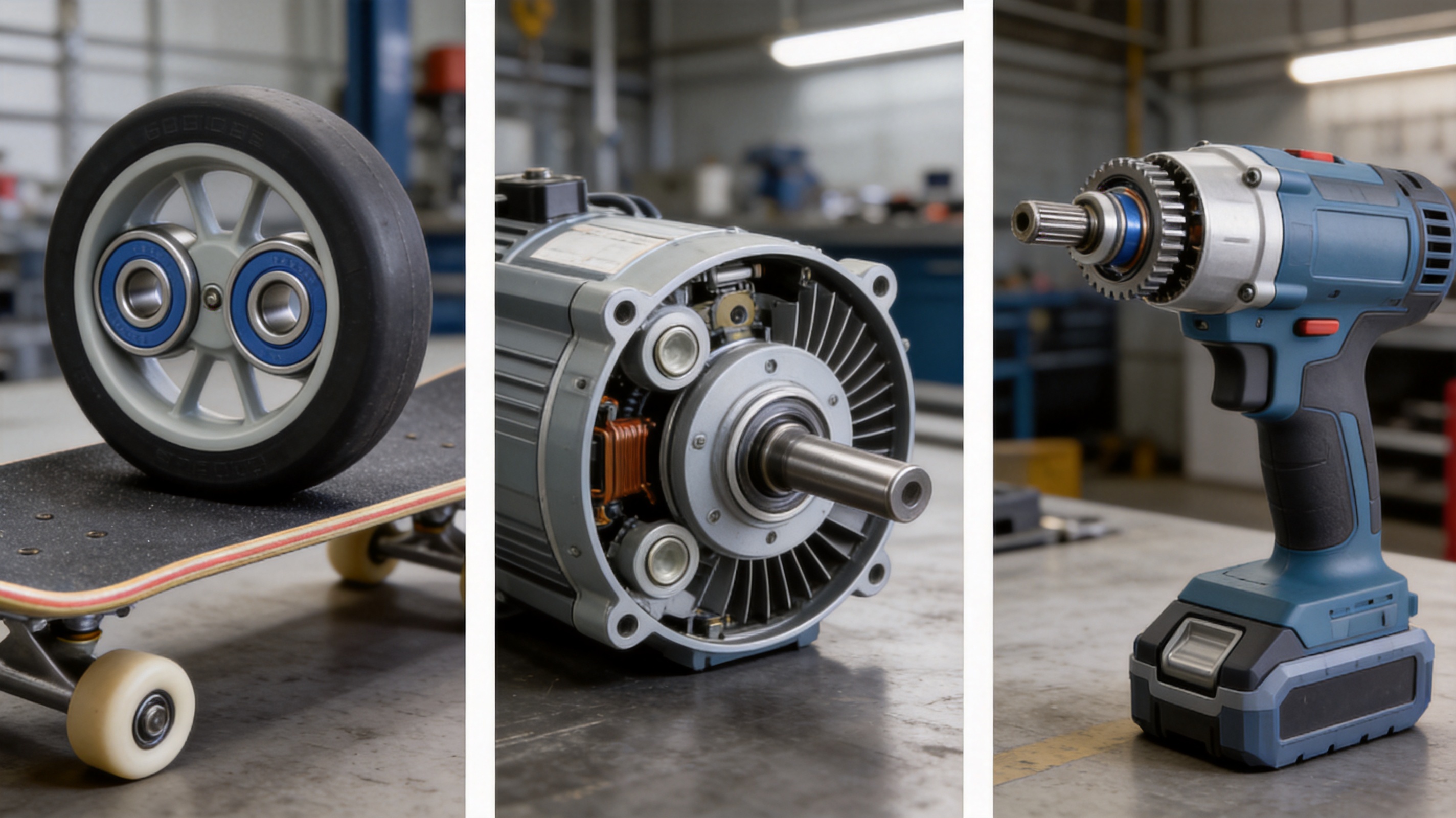
The 608-2RS deep groove ball bearing is one of the most recognizable miniature bearing sizes in modern mechanical design. Its compact 8 mm bore, 22 mm outside diameter, and 7 mm width provide a practical combination of load capacity, rotational smoothness, and installation flexibility. This dimensional format is widely selected for skate wheels, inline skates, miniature motors, power tools, small electromechanical equipment, household appliances, and mechanical transmission assemblies.

Although its physical size is modest, the 608 bearing performs an important role in systems where low friction, dependable rotation, and efficient use of space are essential. A bearing of this type supports rotating shafts, reduces sliding friction, maintains alignment between moving components, and helps equipment operate with lower energy loss. When manufactured and tested correctly, it can provide stable performance over long operating periods, even in applications involving frequent starts, stops, vibration, and high rotational speed.

The 608-2RS model described in this article is manufactured from GCr15 bearing steel and is specified with a dynamic load rating of 3,450 N and a static load rating of 1,420 N. Its standard dimensions make it easy to source and replace, while its deep groove raceway design allows it to accommodate primarily radial loads together with moderate axial loads in either direction.

For buyers, designers, and equipment manufacturers, the value of this product extends beyond its basic dimensions. Material quality, heat treatment, raceway accuracy, ball quality, sealing or shielding configuration, lubrication, inspection procedures, and production consistency all influence the actual performance of a miniature bearing. The manufacturing capabilities and quality-management experience of Ningbo Zhenhai Hualei Bearing Co., Ltd. support the production of miniature deep groove ball bearings for a broad range of industrial and commercial uses.

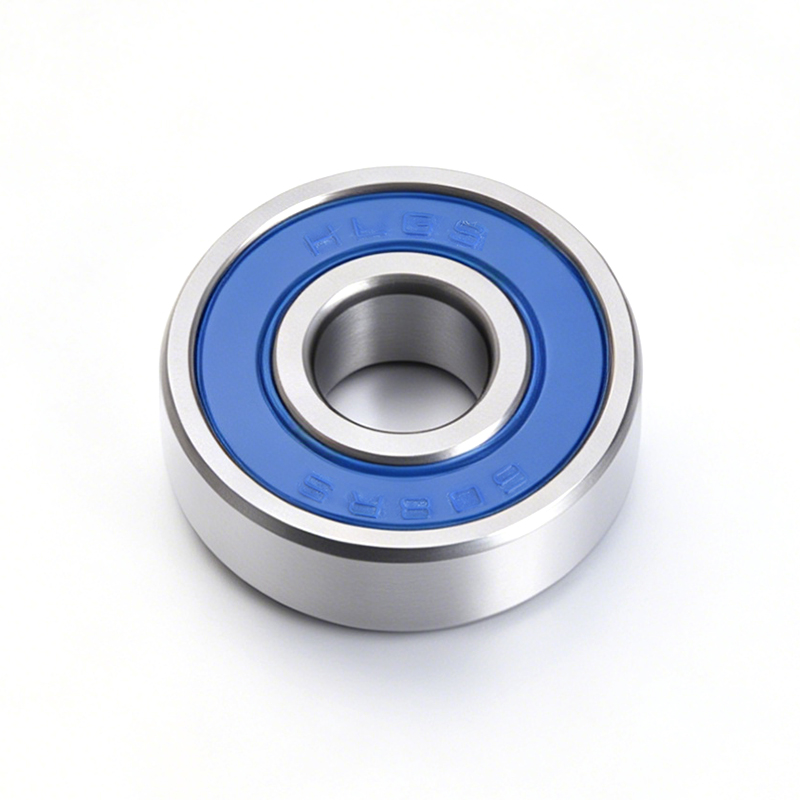
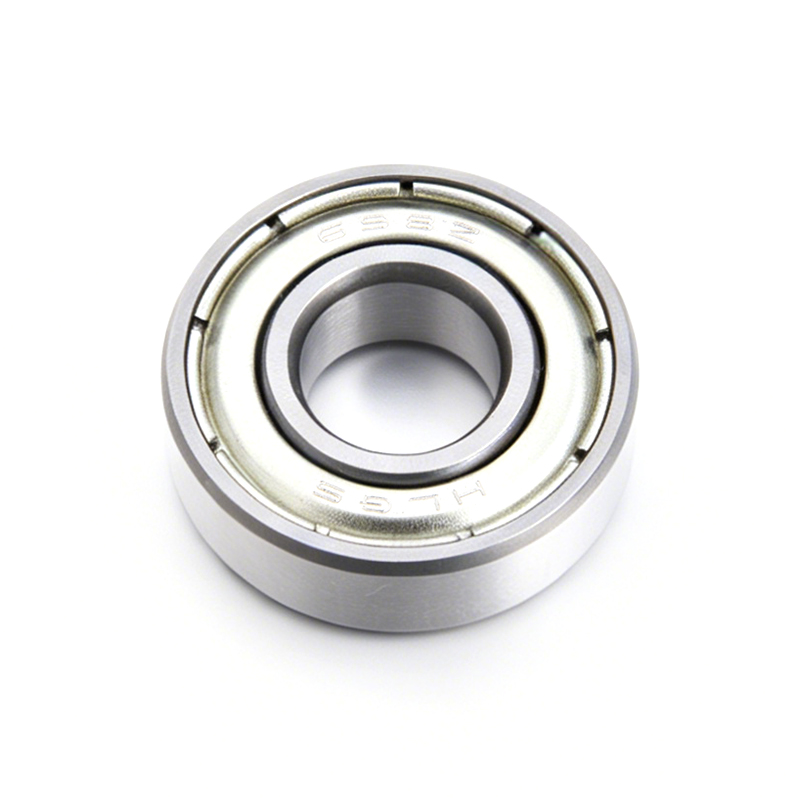
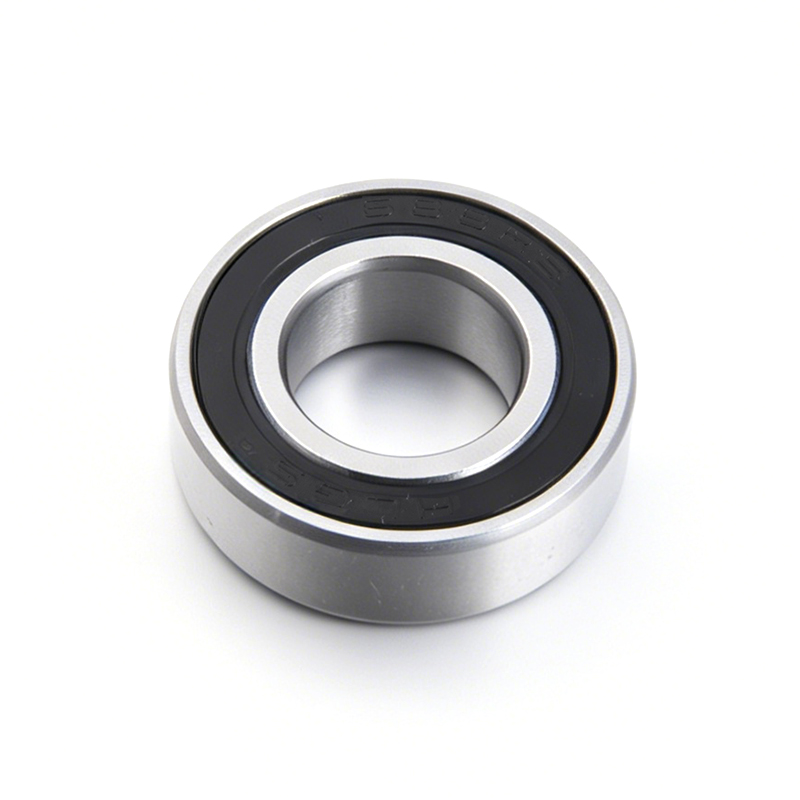
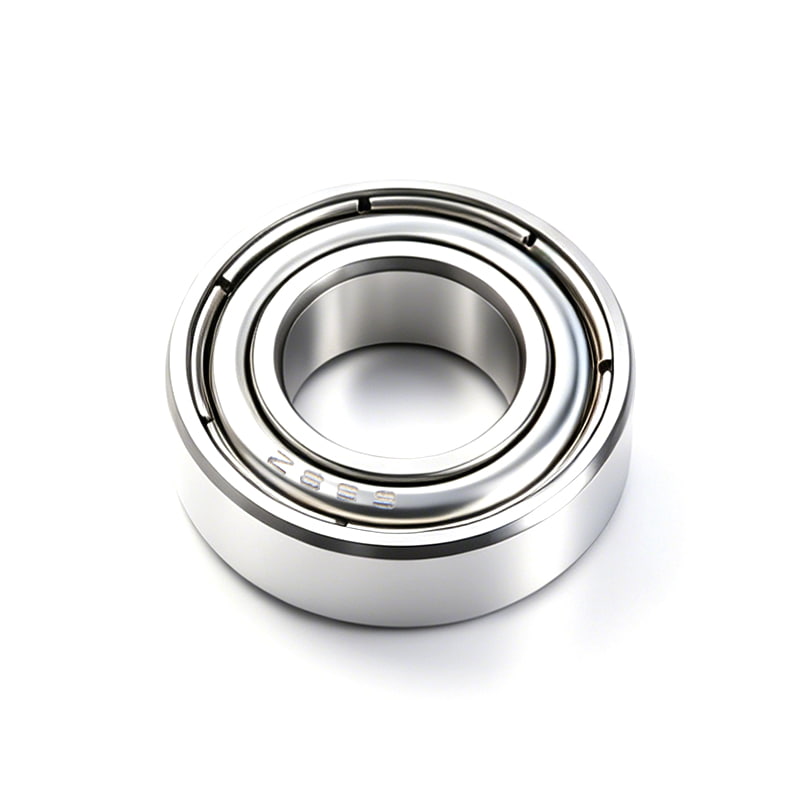
608-2RS Deep Groove Ball Bearing for Ideal for Skate, Power Tool and Mini Motor

What Is a 608-2RS Deep Groove Ball Bearing?

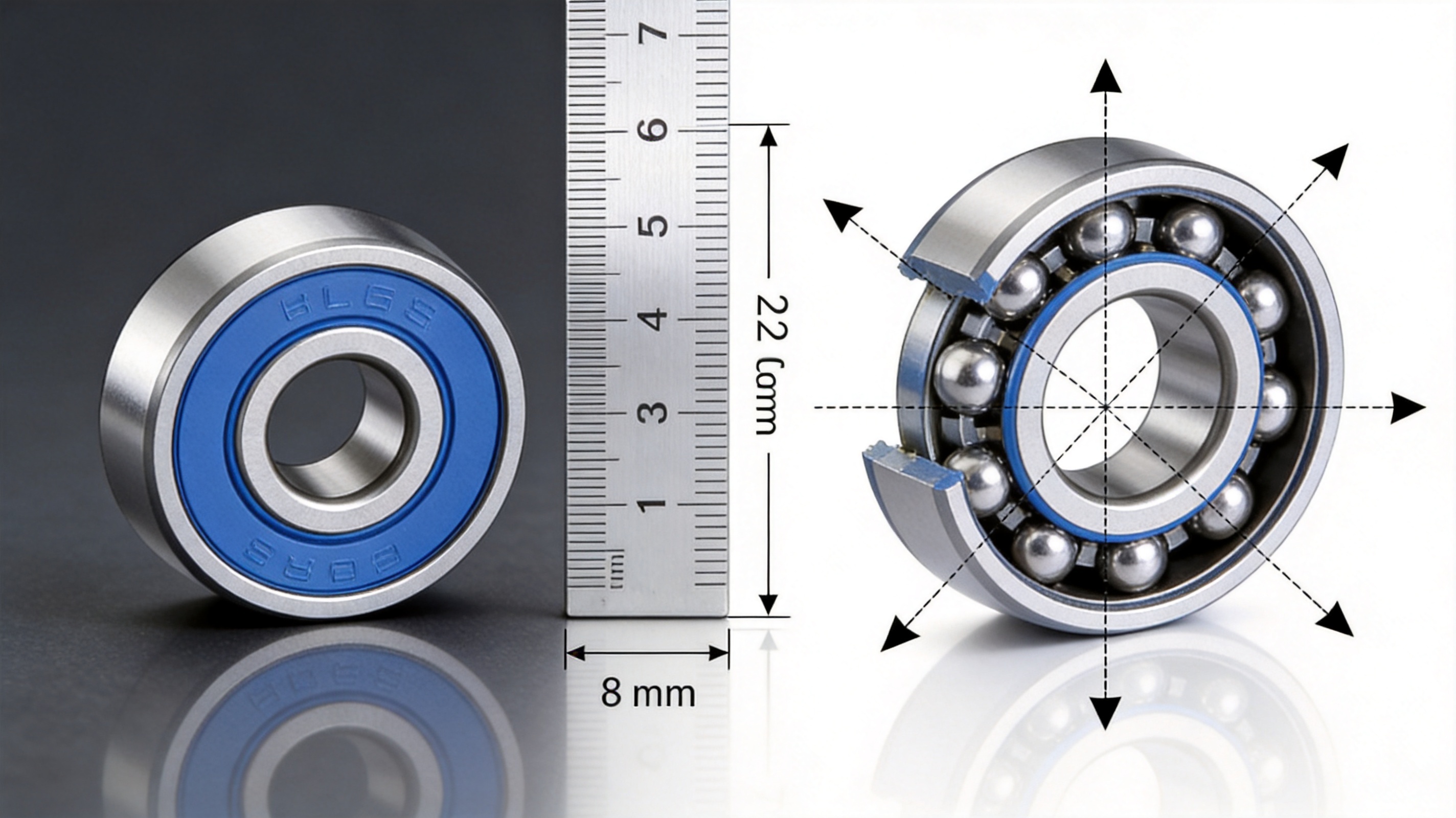
A deep groove ball bearing consists of an inner ring, an outer ring, rolling balls, a cage, and a closure system. The inner ring is fitted to or rotates with a shaft, while the outer ring is usually installed in a housing or wheel hub. The rolling balls travel along precision-formed raceways in both rings. Instead of allowing the shaft and housing to slide directly against one another, the bearing converts much of the sliding motion into rolling motion.

The designation 608 identifies a common miniature bearing size. In the standard dimensional format supplied for this product, the bore is 8 mm, the outside diameter is 22 mm, and the width is 7 mm. These dimensions are particularly useful in compact assemblies. A shaft with an 8 mm diameter can be supported without requiring a large housing, leaving more room for surrounding components such as gears, spacers, seals, magnets, fan blades, wheel cores, or electrical elements.

The term “deep groove” refers to the geometry of the raceways. The grooves are deep enough to retain the balls securely and support radial loads efficiently. Because the raceways extend around the circumference of the rings, the bearing can also accommodate limited axial loads from either direction. This makes the design more versatile than a bearing intended only for one specific loading direction.

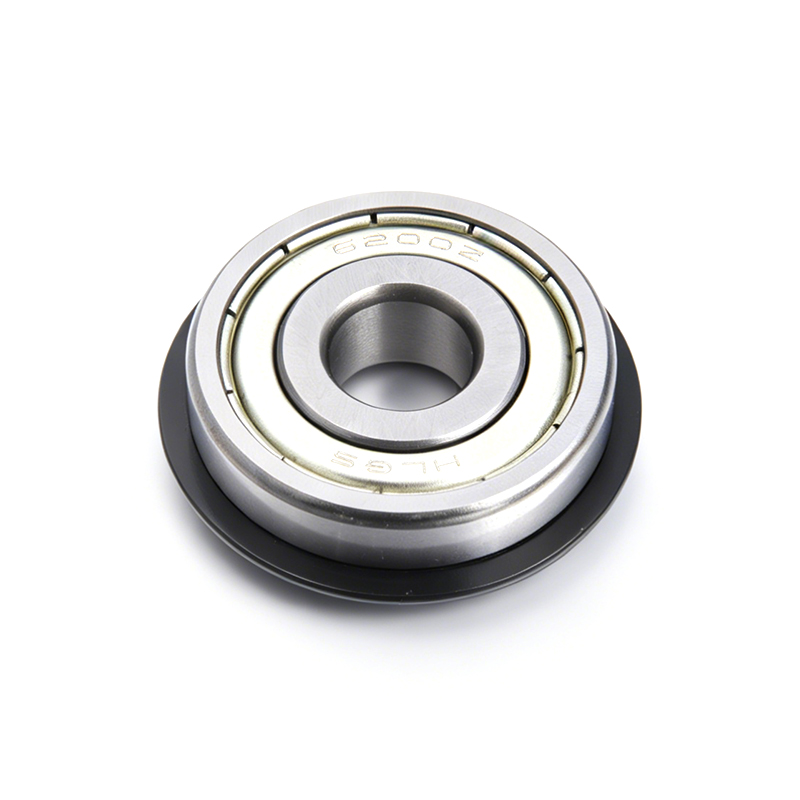
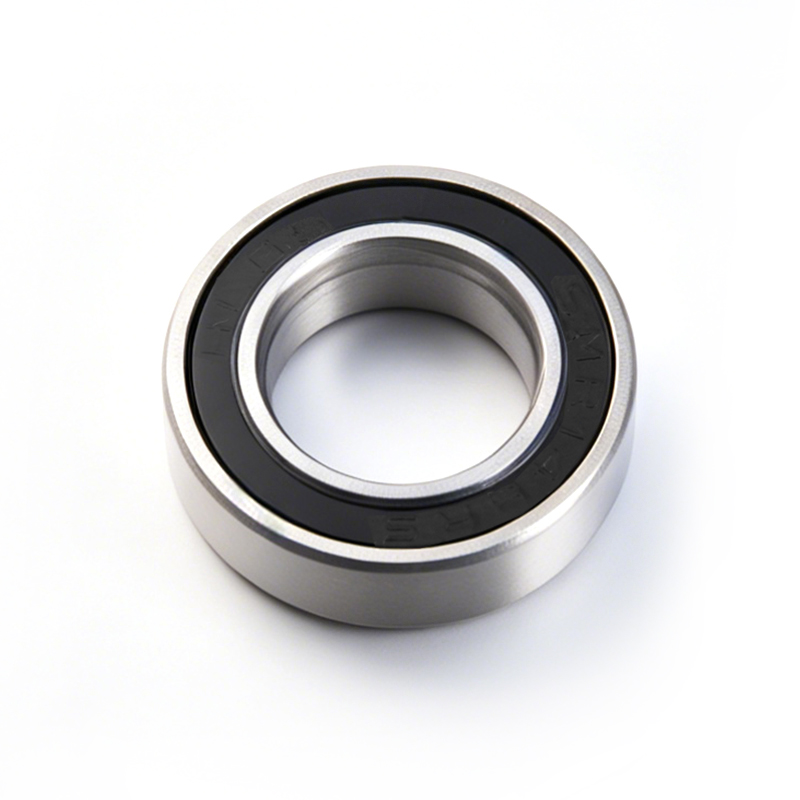
The product title uses the designation 608-2RS, which is commonly associated in the bearing market with contact seals on both sides. However, the supplied product specification identifies the closure as “double metal shields (ZZ).” These are not identical closure systems. A ZZ or 2Z bearing normally uses non-contact metal shields, while a 2RS bearing normally uses rubber or elastomeric contact seals. Buyers should confirm the exact closure code, material, friction requirement, and sealing arrangement with the manufacturer before placing a production order. The dimensional and load information in this article follows the supplied specification, while the closure terminology should be verified for the intended batch.

Dimensional Characteristics and Engineering Significance

The 8 × 22 × 7 mm format is a major reason for the popularity of the 608 bearing. The 8 mm bore is suitable for many small shafts used in wheels, motors, rollers, pulleys, and compact transmission mechanisms. The 22 mm outside diameter offers enough radial section for a practical raceway and rolling element arrangement while keeping the housing relatively small. The 7 mm width helps designers minimize the axial length of an assembly.

Compact dimensions can simplify product architecture. For example, a designer creating a small motor may use the bearing to support a rotor shaft without increasing the motor’s overall length. In a skate wheel, the narrow width allows two bearings to be installed with an internal spacer while maintaining a compact wheel hub. In a power tool, the bearing can support a rotating shaft in a confined gearbox or fan section.

Standardized dimensions also help reduce replacement complexity. Distributors, maintenance departments, and original equipment manufacturers can identify the bearing by its designation and dimensional series. When the shaft, housing, load, speed, clearance, lubrication, and closure conditions are compatible, a standard 608 bearing can often be replaced without redesigning the entire assembly.

ParameterSpecificationEngineering Importance
Bearing designation608-2RSIdentifies the product size and stated closure configuration; closure terminology should be confirmed with the supplier.
Bore diameter8 mmFits an appropriately dimensioned 8 mm shaft or axle.
Outside diameter22 mmDefines the required housing, wheel hub, or mounting seat.
Width7 mmControls axial installation space and bearing spacing.
Closure specificationDouble metal shields (ZZ), according to supplied informationHelps limit the entry of dust and impurities while influencing friction and maintenance requirements.
Dynamic load rating3,450 NUsed in bearing life calculations for rotating load conditions.
Static load rating1,420 NUsed to assess permanent deformation risk under stationary or shock loading.
MaterialGCr15 bearing steelProvides a hard, wear-resistant material for rings and rolling components when properly heat treated.

GCr15 Bearing Steel and Material Reliability

The bearing rings and rolling elements are specified as GCr15 bearing steel. GCr15 is a high-carbon chromium bearing steel commonly used for precision rolling bearings. Its popularity comes from its combination of hardness, wear resistance, fatigue strength, and suitability for controlled heat treatment.

Raw material quality is important because bearing components experience repeated stress cycles. As the balls roll through the raceways, small contact areas carry concentrated loads. If the material contains excessive inclusions, defects, or inconsistent structure, fatigue damage may occur prematurely. A reliable manufacturing process therefore begins with suitable steel, controlled forming or machining, and appropriate inspection.

Heat treatment is another critical stage. The rings and rolling elements need sufficient hardness to resist indentation and wear, but they must also retain enough toughness to withstand operating loads and assembly forces. Incorrect heating, quenching, or tempering can create excessive distortion, residual stress, inadequate hardness, or brittleness. Properly controlled heat treatment supports consistent dimensional stability and longer service life.

GCr15 is not the only material available for miniature bearings. Stainless steel may be selected when corrosion resistance is especially important, while ceramic or hybrid constructions may be used for specialized high-speed, electrically insulated, or chemically demanding applications. Nevertheless, GCr15 remains a practical choice for general-purpose equipment because it offers a strong balance between cost, performance, availability, and manufacturing maturity.

Compared with lower-grade steels or poorly controlled materials, a properly processed GCr15 bearing can offer more stable raceway hardness and improved resistance to rolling contact fatigue. This advantage is especially meaningful in products such as skate bearings and power-tool bearings, where repeated rotation and vibration can expose material weaknesses quickly.

Precision Raceways and Rolling Elements

The performance of a deep groove ball bearing depends heavily on the relationship between its raceways and balls. The raceways must have accurate geometry and a smooth surface finish. The balls must be sufficiently round and consistent in diameter so that the load is distributed evenly as they circulate.

Surface irregularities can increase noise, vibration, friction, and local stress. A raceway that is not correctly formed may cause the balls to contact unevenly. In a miniature bearing, even small deviations can influence operating behavior because the bearing has limited internal space and relatively small rolling elements.

Precision manufacturing therefore involves several coordinated steps. Rings may be turned, ground, superfinished, and inspected. Balls are produced and graded according to dimensional and geometric requirements. The cage must maintain appropriate ball spacing while allowing smooth circulation. The final assembly must preserve cleanliness and correct internal clearance.

Consistent internal clearance is particularly important. If clearance is too small, thermal expansion or an overly tight fit can create excessive preload, increasing friction and operating temperature. If clearance is too large, the shaft may experience unwanted movement, noise, or vibration. The correct clearance depends on shaft and housing fits, operating temperature, speed, load, and application requirements.

A manufacturer with experience in miniature deep groove bearings can optimize these variables for different applications. A skate bearing may need quiet rotation and resistance to intermittent contamination. A miniature motor bearing may require low torque and stable operation at continuous speed. A power-tool bearing may need to tolerate vibration, shock, and elevated temperatures. The basic 608 dimensions remain the same, but the internal design and production controls can be adapted to the application.

Closure Systems: Shields, Seals, and Contamination Control

Miniature bearings often operate in environments where dust, fibers, lubricant particles, moisture, and other impurities may be present. A closure system helps protect the internal rolling elements and lubricant. The supplied information describes the product as having double metal shields, commonly identified by the code ZZ or 2Z.

Metal shields are generally designed to restrict the entry of larger contaminants while producing relatively low friction. Because a non-contact shield does not normally rub directly against the inner ring, it can be appropriate for applications where rotational speed and low starting torque are important. This makes shielded bearings attractive for small motors, fans, rollers, and other mechanisms that require smooth rotation.

Rubber contact seals, commonly associated with the 2RS designation, can provide a stronger barrier against dust and moisture because the sealing lip contacts the inner ring. The trade-off may include greater friction, higher starting torque, and somewhat different temperature or speed limitations. The ideal selection depends on the environment and operating conditions.

Since the product title identifies the bearing as 608-2RS while the supplied technical table identifies double metal shields, purchasers should treat the closure code as a specification requiring confirmation. This is not merely a labeling issue. The closure design affects friction, contamination resistance, lubrication retention, speed capability, sound, and service life.

For dry indoor applications such as some miniature motors or clean mechanical devices, a shielded configuration may provide an effective balance between protection and low friction. For outdoor skate use, dusty workshops, or applications exposed to water spray, a contact-sealed version may be preferred if compatible with the required speed and torque. The manufacturer can help confirm the correct version before production.

Load Capacity and Operating Performance

The supplied dynamic load rating for the bearing is 3,450 N, while the static load rating is 1,420 N. These values are important reference points for engineering calculations, but they should not be interpreted as a simple maximum working load. Bearing selection must consider the type of load, speed, duty cycle, shock, lubrication, mounting, temperature, and desired service life.

The dynamic load rating is used in calculations involving rotating loads and bearing fatigue life. A higher applied load generally reduces calculated fatigue life, while a lower applied load generally increases it. The relationship is not linear, so engineers commonly use recognized bearing-life equations and applicable industry standards rather than relying only on a basic load comparison.

The static load rating relates to permanent deformation that may occur when the bearing is stationary or subjected to slow movement, heavy shock, or high peak loading. A bearing may continue to rotate after an indentation has formed, but noise, vibration, and fatigue life can be adversely affected. For this reason, static safety factors are important in skate applications involving impacts, power tools experiencing sudden loads, and equipment that may be transported or stored under pressure.

The deep groove design allows the 608 bearing to carry radial loads efficiently. It can also accommodate axial forces in either direction, although the allowable axial load depends on the magnitude of the radial load, internal geometry, fit, lubrication, and operating speed. If an application involves substantial axial loading, frequent thrust reversals, or severe misalignment, another bearing type may be more suitable.

Advantages in Skateboard and Inline Skate Applications

The 608 bearing became widely associated with skateboards and inline skates because its dimensions fit many standard wheel hubs. In these applications, the bearing supports the axle and permits the wheel to rotate around it. Two bearings are commonly installed in each wheel, often with a spacer between them to improve clamping and alignment.

One of the primary advantages is low rolling resistance. Smooth raceways, properly graded balls, suitable lubricant, and correct installation help the wheel rotate efficiently. Lower friction can contribute to a more responsive ride and reduced energy loss, although real-world performance also depends on wheel material, rider weight, axle tightness, road surface, temperature, and contamination.

The compact size is also important. A 7 mm-wide bearing can be installed inside a relatively narrow wheel hub. Standard 8 mm bore dimensions make the bearing compatible with many axles and replacement systems. This standardization helps users maintain equipment without needing custom wheel or axle components.

Skate bearings may encounter road dust, fine grit, moisture, and repeated vibration. A suitable shield or seal reduces contamination entry, but no closure system can compensate for poor installation or severe exposure indefinitely. Users should avoid forcing dirt into the bearing, should use appropriate cleaning methods, and should replace bearings that develop roughness, excessive play, corrosion, or abnormal noise.

For skate manufacturers and distributors, consistent dimensions are essential. If the outside diameter or width varies excessively, the bearing may fit poorly in the wheel hub or create alignment problems. Consistent production and inspection help reduce these issues and support predictable assembly across large quantities of wheels.

Advantages in Miniature Motors

Miniature motors require bearings that occupy little space while supporting a rotating shaft at stable speed. The 608 format can be used in certain motor architectures where the 8 mm bore and 22 mm outside diameter match the shaft and housing design.

Motor applications place emphasis on low friction, low noise, dimensional accuracy, and long-term lubricant stability. Imbalance, shaft misalignment, excessive interference fits, and incorrect internal clearance can all create vibration or heat. A precision-manufactured deep groove bearing helps establish a reliable mechanical foundation for the rotor assembly.

The shielded version described in the supplied information may be appropriate where low contact friction is valued and the motor operates in a relatively controlled environment. If the motor is exposed to heavy dust or moisture, the purchaser should evaluate whether a contact-sealed configuration would provide better protection.

Bearing noise is affected by many factors, including raceway finish, ball quality, cage design, lubricant, clearance, electrical or magnetic forces, and motor assembly accuracy. Therefore, the bearing cannot be evaluated independently from the entire motor. However, consistent bearing production gives motor manufacturers a better starting point for controlling vibration and acoustic performance.

For high-speed motors, engineers should verify the limiting speed, lubricant type, temperature rise, preload, and balance requirements. The standard size alone does not guarantee suitability for every motor speed. A properly selected bearing should be tested under the actual duty cycle before mass production.

Advantages in Power Tools

Power tools place demanding requirements on small bearings. Drills, grinders, sanders, saws, rotary tools, and similar equipment may expose bearings to high speed, vibration, impact, dust, and thermal cycling. The 608 bearing can be useful in compact power-tool mechanisms when its load and speed capabilities match the design.

GCr15 bearing steel provides a durable rolling contact surface when correctly heat treated. This is valuable in tools that undergo repeated start-stop cycles and changing loads. The deep groove configuration can support radial loads from rotating shafts and moderate axial forces generated by gears, fans, or tool mechanisms.

Power-tool designers should pay close attention to housing rigidity and shaft alignment. A miniature bearing may be manufactured to a high standard, but an inaccurately machined housing can distort the outer ring. Excessive shaft interference can reduce internal clearance, while inadequate fits can allow ring creep. Either condition may increase heat, noise, or wear.

Dust protection is another central consideration. Metal shields can help reduce the entry of particles, but abrasive dust may still reach the bearing under severe conditions. Where the tool operates in concrete dust, wood dust, metal particles, or other aggressive contamination, the closure type and surrounding labyrinth design should be evaluated together.

In replacement markets, the 608 bearing offers a practical advantage because it is a familiar and widely available format. Maintenance technicians can identify the bearing by its size and replace worn components without modifying the tool. For original equipment manufacturers, standard dimensions can simplify sourcing and inventory planning.

Use in Household Appliances and Electromechanical Equipment

Beyond skates and power tools, miniature deep groove ball bearings are used in many household appliances and small electromechanical systems. Potential applications include compact fans, small pumps, actuators, rollers, kitchen equipment, office machines, appliance motors, and mechanical adjustment systems.

In household equipment, the bearing may be expected to operate quietly for extended periods. A smooth raceway finish, accurate balls, stable lubrication, and controlled clearance can contribute to reduced operating noise. The closure system helps protect the lubricant and internal components from ordinary household dust.

Food machinery requires additional attention to hygiene, washdown exposure, lubricant selection, and regulatory requirements. A standard GCr15 bearing may be suitable for some enclosed or indirect applications, but applications involving direct food contact or frequent cleaning may require specially specified stainless materials, food-grade lubricants, or sealed bearing designs. The product should always be matched to the applicable sanitation and safety requirements.

Automotive electromechanical systems can also use miniature bearings in auxiliary devices, although automotive environments often involve temperature changes, vibration, moisture, and demanding durability targets. Engineers must validate the bearing under actual environmental and duty-cycle conditions rather than selecting solely by size.

Manufacturing Process and Quality Control

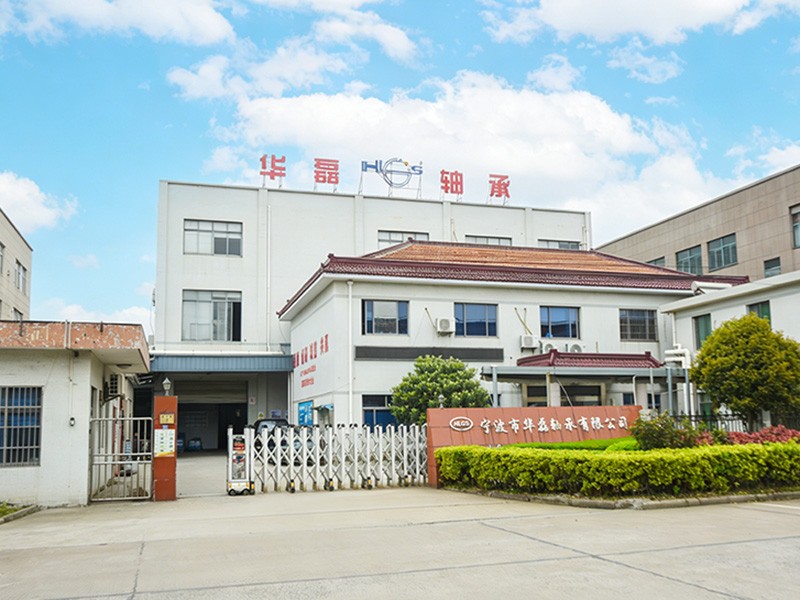
The quality of a miniature bearing is determined by the entire production chain. Advanced equipment is valuable, but equipment must be combined with process discipline, trained personnel, controlled materials, and documented inspection methods. Ningbo Zhenhai Hualei Bearing Co., Ltd. has specialized in miniature deep groove ball bearings since its establishment in 2001, giving it long-term experience with the dimensional and performance requirements of compact bearing products.

Material Preparation

Production begins with bearing steel selected for chemical composition, cleanliness, and consistency. Material control helps ensure that the rings and rolling elements respond predictably during machining and heat treatment. For GCr15 components, attention to steel cleanliness and microstructure is especially important because rolling contact fatigue can be influenced by internal material conditions.

Ring Manufacturing

The inner and outer rings are formed and machined to create the required bore, outside diameter, width, raceways, shoulders, and closure interfaces. Each operation must control dimensional accuracy and leave sufficient material for later grinding and finishing operations.

Grinding and superfinishing improve the geometry and surface condition of the raceways. These stages are essential because the balls roll directly across the raceway surfaces. A consistent finish helps reduce friction, vibration, and localized stress. Dimensional inspection verifies that the rings meet the required size and roundness limits.

Heat Treatment

Heat treatment develops the hardness and structural properties required for rolling contact. The process must be controlled to limit distortion and preserve the intended geometry. After heat treatment, components may require additional grinding or finishing to restore precise dimensions.

Good heat-treatment control supports the bearing’s ability to resist wear, indentation, and fatigue. It also contributes to consistency between production lots, which is important for OEM customers that require predictable assembly and service performance.

Ball and Cage Assembly

Rolling balls are selected according to size, roundness, and quality requirements. The cage maintains separation between the balls and guides them around the raceways. Assembly must be performed in a clean environment because foreign particles can become trapped inside the bearing and create early damage.

The manufacturer’s assembly controls should also address the correct number of balls, cage fit, internal clearance, and smooth rotation. A bearing may have acceptable external dimensions but still perform poorly if its internal assembly is inconsistent.

Lubrication and Closure Installation

Lubricant is applied in a controlled quantity and type. Too little lubricant may increase wear and heat, while too much may increase drag and temperature, especially at high speed. The appropriate lubricant depends on the application, speed, operating temperature, and closure system.

Closure installation must be accurate and secure. Shields or seals should be seated correctly without damaging the rings or creating unwanted deformation. Because the supplied specification describes double metal shields while the product designation includes 2RS, the final closure arrangement should be clearly recorded on the technical drawing, purchase order, sample approval, and packaging label.

Inspection and Testing

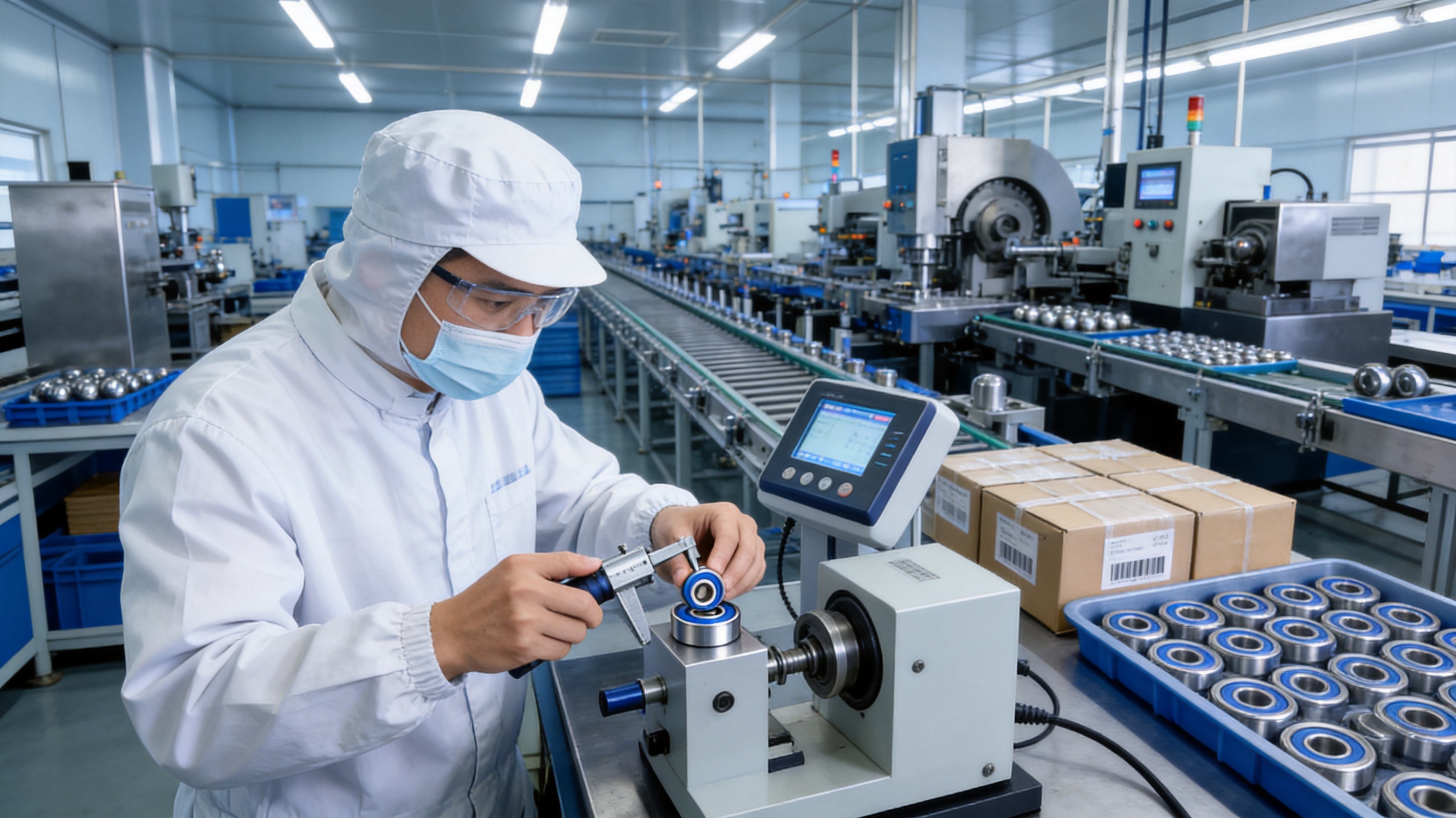
Inspection may include dimensional measurement, rotational testing, noise and vibration evaluation, visual examination, clearance verification, and packaging checks. Advanced inspection equipment can identify deviations that are difficult to detect through visual examination alone.

Ningbo Zhenhai Hualei Bearing Co., Ltd. states that its products are strictly tested with advanced equipment and that it follows ISO 9001 and ISO/TS 16949 management systems. ISO 9001 supports structured quality-management practices, while ISO/TS 16949 was developed for automotive-related quality requirements. These systems can help establish documented procedures, traceability, corrective action, process monitoring, and continuous improvement.

Quality certification does not replace application-specific validation, but it provides an organized framework for controlling production and responding to customer requirements. For OEM and export customers, documented quality procedures can improve confidence in repeat orders and technical communication.

Advantages Compared with Generic Competitors

Many 608 bearings are available in the global market, and product quality can vary significantly even when the dimensions appear identical. The main advantages of a professionally manufactured bearing are not always visible from the outside. They are found in material consistency, raceway accuracy, ball grading, heat treatment, internal clearance, lubrication control, closure installation, cleanliness, and inspection.

One advantage of the Hualei manufacturing approach is specialization. A company focused on miniature deep groove ball bearings can develop dedicated knowledge of the tolerances, assembly behavior, noise characteristics, and common application problems associated with compact bearing sizes. This specialization can be valuable compared with suppliers that treat miniature bearings as a minor part of a very broad product range.

Another advantage is manufacturing experience. Since 2001, the company has built experience producing bearings for food machinery, household appliances, automotive electromechanical systems, electric tools, mechanical transmission devices, and motors. Exposure to different industries encourages attention to varied requirements such as low noise, contamination resistance, durability, OEM consistency, and cost control.

Material selection also provides a meaningful point of comparison. The stated use of GCr15 bearing steel is appropriate for a broad range of general-purpose applications when the steel is correctly processed and heat treated. Buyers should compare not only the material name but also hardness, cleanliness, dimensional stability, surface finish, and quality documentation.

Customization and technical communication can distinguish an established manufacturer from a purely trading-based supplier. Hualei’s import and export department, Ningbo Hotex Mechanical & Electrical Technology Co., Ltd., was established in 2016 to support international business, OEM, and ODM services. This structure can help overseas customers coordinate specifications, packaging, documentation, samples, and production orders.

Competitive advantage should ultimately be evaluated through samples, inspection reports, application testing, and total cost of ownership. A lower purchase price may be outweighed by early failures, noisy operation, inconsistent fit, or frequent replacement. A bearing with stable quality can reduce assembly interruptions, warranty risk, and maintenance expense.

OEM, ODM, and Wholesale Supply Strengths

OEM customers often need more than a standard bearing number. They may require special packaging, private labels, controlled lot sizes, customized grease, alternative closure materials, specific clearance classes, or inspection records. A manufacturer with OEM and ODM experience can help convert these requirements into practical production specifications.

For wholesale buyers, supply stability is equally important. A distributor may need consistent dimensions and performance across repeated shipments. Changes in steel source, closure design, lubricant, or internal clearance can affect customer satisfaction even when the printed bearing number remains unchanged. Clear product documentation and change-control procedures help reduce this risk.

International customers may also require export packaging that protects bearings from humidity, dust, impact, and corrosion during transport and storage. Packaging should preserve product identification and lot traceability. The bearing designation, dimensions, closure type, material, quantity, and production information should be easy to verify.

Technical service is another consideration. Customers may need guidance on shaft fits, housing fits, preload, lubrication, speed, noise, or failure analysis. A supplier that can discuss these matters directly is better positioned to support long-term cooperation than one that only provides a price quotation.

Hualei’s stated philosophy of “sincere trust and efficient service” reflects the importance of communication in industrial supply. For a miniature bearing, small specification differences can create major performance consequences. Accurate communication between manufacturer and customer is therefore part of product quality.

Installation Recommendations

Correct installation is essential for achieving the expected performance of a 608 bearing. Before installation, inspect the shaft and housing for burrs, corrosion, dirt, deformation, and incorrect dimensions. The shaft should be clean and sufficiently smooth, while the housing seat should provide the required fit without distortion.

When pressing a bearing onto a shaft, apply force only to the ring receiving the interference fit. If the inner ring is being fitted to the shaft, pressing through the outer ring can transmit force through the balls and damage the raceways. Similarly, when fitting the outer ring into a housing, installation force should be applied to the outer ring.

Do not strike the bearing directly with a hard tool. Use a suitable installation sleeve or press fixture that supports the correct ring. Excessive force can create brinelling, ring distortion, seal or shield damage, and changes in internal clearance.

For skateboard and inline skate assemblies, ensure that the axle, wheel hub, bearing seats, and spacer are correctly aligned. Do not overtighten the axle to the point that the wheel cannot rotate freely. After installation, rotate the wheel by hand and check for roughness, grinding noise, side play, or resistance.

For motors and power tools, shaft alignment and housing concentricity should be checked during assembly. If the bearing is installed with a severe misalignment, the load may concentrate on one side of the raceway. This can increase heat and reduce service life even when the applied load is below the catalog rating.

Maintenance and Service Considerations

Many miniature bearings are designed as factory-lubricated, closed units and are not intended to be relubricated during normal service. Attempting to remove shields or seals can introduce contamination or damage the closure. Maintenance procedures should follow the manufacturer’s recommendation for the specific configuration.

In skate applications, users should periodically check for rough rotation, abnormal noise, corrosion, excessive looseness, and reduced rolling efficiency. Cleaning methods vary according to the closure type. Aggressive solvents, compressed air, or high-pressure water can damage the lubricant or drive contamination past the closure.

Power tools may require more frequent inspection because dust and vibration can accelerate wear. If a bearing becomes unusually hot, noisy, or difficult to rotate, the root cause should be investigated. Replacing the bearing without correcting an overloaded shaft, damaged housing, misalignment, or contamination source may lead to another early failure.

Storage conditions also influence bearing quality. Bearings should remain in their original packaging until needed and should be stored in a clean, dry environment with limited temperature fluctuation. Long-term exposure to humidity can cause corrosion, especially if packaging is damaged or the bearing is not adequately protected.

How to Select the Correct Configuration

Although the 608 size is standardized, the best configuration depends on the application. Buyers should identify the operating speed, radial load, axial load, shock level, temperature, humidity, contamination, required noise level, expected service life, shaft fit, housing fit, and maintenance plan.

Closure selection deserves special attention. A non-contact metal-shielded version may offer lower friction and good performance in relatively clean environments. A contact-sealed version may provide stronger protection against dust and moisture but can generate more friction. Since this product information contains both “2RS” and “double metal shields (ZZ),” customers should request confirmation of the exact supplied configuration.

Material selection should also be application-specific. GCr15 steel is suitable for many general-purpose applications, but stainless steel may be preferable in corrosive or washdown environments. Special lubricants may be required for low-temperature, high-temperature, food-related, vacuum, or chemically exposed applications.

Load ratings should be checked against the actual duty cycle. Designers should not use the dynamic rating as a direct working-load limit or assume that a bearing will achieve a particular service life without considering speed, lubrication, fit, and environmental conditions. Application testing is recommended for critical products.

Recommended Inspection Points for Buyers

Before approving a supplier or production batch, buyers can evaluate several measurable characteristics. The first is dimensional conformity: 8 mm bore, 22 mm outside diameter, and 7 mm width should match the agreed tolerance class and application fit.

The second is rotational behavior. Sample bearings can be checked for smoothness, abnormal noise, starting torque, radial play, and visible closure damage. For large-volume orders, inspection should be based on an agreed sampling plan rather than a single sample.

The third is material and process documentation. Customers may request material certificates, heat-treatment records, inspection reports, and quality-system documentation when required by their industry or internal procedures.

The fourth is packaging and traceability. Each shipment should identify the product number, closure type, quantity, lot information, and any customer-specific requirements. Traceability supports efficient investigation if a problem occurs in the field.

The fifth is application validation. A bearing that performs well in a hand test may behave differently at operating speed, temperature, and load. Testing in the actual wheel, motor, power tool, or appliance provides the most useful evidence.

Q&A: Common Questions About the 608-2RS Bearing

What are the dimensions of the 608 bearing?

The supplied dimensions are an 8 mm bore, 22 mm outside diameter, and 7 mm width. These dimensions are commonly written as 8 × 22 × 7 mm.

What does deep groove mean?

Deep groove describes the raceway geometry inside the bearing rings. The deep continuous grooves retain the balls and allow the bearing to support radial loads as well as limited axial loads in both directions.

Is the 608-2RS suitable for skateboards?

Yes, the 608 size is widely used in skateboard and inline skate wheels when the wheel hub, axle, load, and closure configuration are compatible. Correct installation, clean wheel seats, proper spacers, and suitable maintenance are necessary for reliable service.

Can this bearing be used in a power tool?

It can be used in suitable power-tool assemblies when the operating speed, load, temperature, contamination, and fit are within the bearing’s capabilities. Power-tool manufacturers should validate the bearing under actual vibration, dust, and duty-cycle conditions.

What material is used?

The supplied specification lists GCr15 bearing steel. This high-carbon chromium bearing steel is widely used for rolling-bearing rings and rolling elements because it can provide hardness, wear resistance, and fatigue strength after suitable heat treatment.

What are the load ratings?

The stated dynamic load rating is 3,450 N, and the stated static load rating is 1,420 N. These values are used as engineering reference data and should not be treated as simple maximum operating loads.

Does 2RS mean metal shields?

In common bearing terminology, 2RS generally refers to rubber contact seals, while ZZ or 2Z generally refers to metal shields. The supplied product information calls the bearing 608-2RS but lists double metal shields (ZZ). Customers should confirm the exact closure before purchasing.

Are metal shields waterproof?

Metal shields help restrict dust and larger impurities, but they are not normally equivalent to rubber contact seals for water resistance. If moisture or washdown exposure is expected, the purchaser should evaluate a suitable contact-sealed or corrosion-resistant configuration.

Can the bearing be relubricated?

Closed miniature bearings are commonly supplied with factory lubricant and are often not designed for routine relubrication. Removing the closure may introduce contamination or damage the bearing. Follow the manufacturer’s technical recommendation.

What should be checked during installation?

Check the shaft and housing dimensions, remove burrs and contamination, apply installation force to the ring receiving the fit, and avoid transmitting force through the rolling elements. After installation, verify smooth rotation and the absence of excessive play or noise.

What makes a professional manufacturer different from a generic supplier?

A professional manufacturer controls material selection, machining, heat treatment, grinding, assembly, lubrication, closure installation, inspection, packaging, and traceability. These controls help provide more consistent performance than products made without documented process management.

Does ISO certification guarantee suitability for every application?

No. A quality-management system supports consistent processes, but the bearing still must be selected and validated for the specific load, speed, temperature, contamination, fit, and service-life requirements of the application.

Conclusion

The 608-2RS deep groove ball bearing is a compact and versatile solution for applications requiring dependable shaft support in limited space. Its 8 × 22 × 7 mm dimensions, deep groove design, GCr15 bearing steel construction, 3,450 N dynamic load rating, and 1,420 N static load rating make it suitable for many skate, miniature motor, power-tool, appliance, and electromechanical applications.

Its principal advantages include standardized dimensions, efficient radial load support, smooth rotation, broad application compatibility, and convenient replacement. Compared with inconsistent generic alternatives, a professionally manufactured bearing can offer greater confidence through controlled steel quality, heat treatment, raceway finishing, rolling-element selection, assembly cleanliness, lubrication control, inspection, and traceability.

Ningbo Zhenhai Hualei Bearing Co., Ltd. brings more than two decades of miniature deep groove bearing manufacturing experience, supported by advanced testing equipment, ISO 9001 and ISO/TS 16949 management systems, and OEM and ODM service capabilities through its international business structure. These strengths can support customers seeking repeatable quality, technical coordination, wholesale supply, and customized bearing programs.

Before ordering, buyers should confirm the exact closure configuration because the supplied information combines the 2RS designation with a double metal shield specification. Once the closure, material, clearance, lubrication, fit, and application requirements are clearly defined, the 608 bearing can provide an effective balance of performance, size, availability, and cost for a wide range of compact mechanical systems.

References

International Organization for Standardization. ISO 9001, Quality Management Systems—Requirements.

International Organization for Standardization. ISO 281, Rolling Bearings—Dynamic Load Ratings and Rating Life.

International Organization for Standardization. ISO 76, Rolling Bearings—Static Load Ratings.

International Organization for Standardization. ISO 15243, Rolling Bearings—Damage and Failures—Terms, Characteristics and Causes.

International Organization for Standardization. ISO/TS 16949, Quality Management Systems—Particular Requirements for the Application of ISO 9001 for Automotive Production and Relevant Service Part Organizations.

American Bearing Manufacturers Association. Rolling Bearing Engineering Principles and Load Rating Practices.

SKF. Rolling Bearings Technical Handbook, Bearing Selection, Installation, Lubrication, and Maintenance Principles.

Timken. Engineering Manual, Rolling Bearing Design, Load, Fit, Lubrication, and Service-Life Considerations.

GCr15 Bearing Steel Technical Literature. Material Characteristics, Heat Treatment, Hardness, and Rolling Contact Fatigue Performance.

Product: 608-2RS Deep Groove Ball Bearing for Ideal for Skate, Power Tool and Mini Motor


Recent Articles