Mireille Qiao — International Sales Executive
Home / Author / Mireille Qiao — International Sales Executive / 6200ZZNR Deep Groove Ball Bearing for Compact Motors and Power Tools

6200ZZNR Deep Groove Ball Bearing for Compact Motors and Power Tools

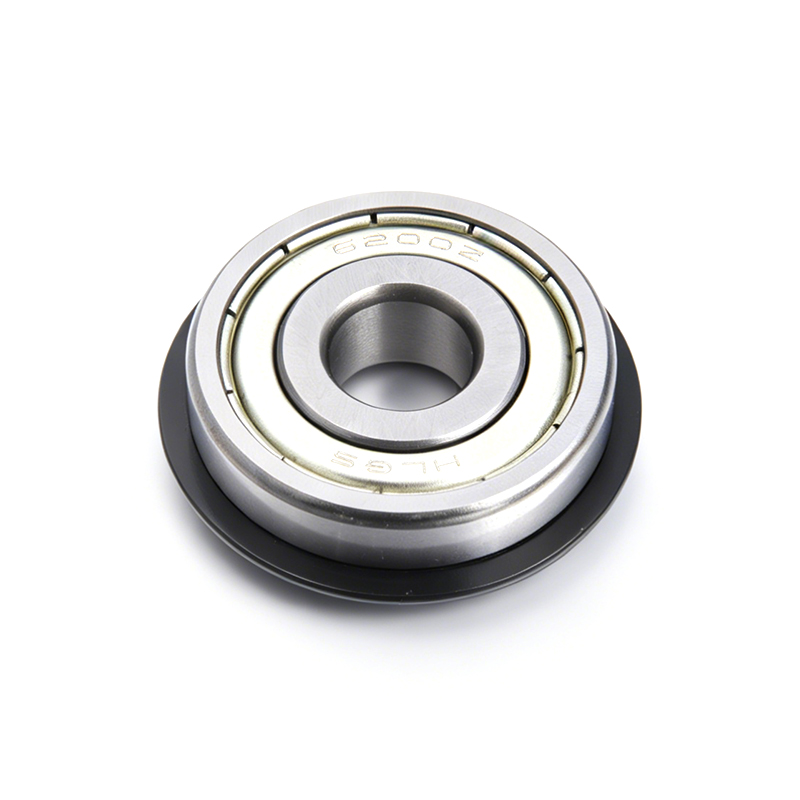
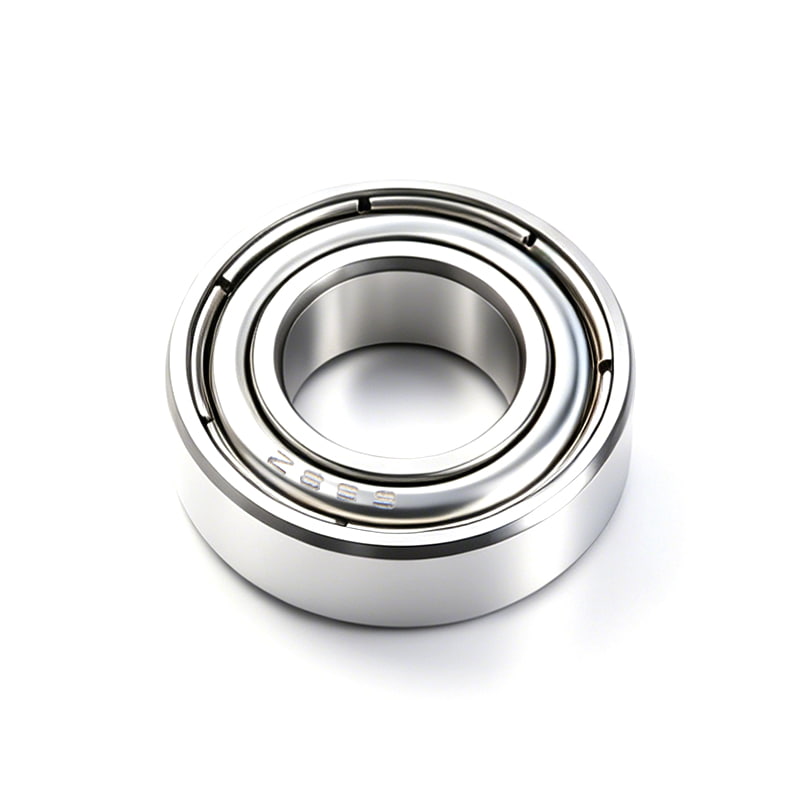
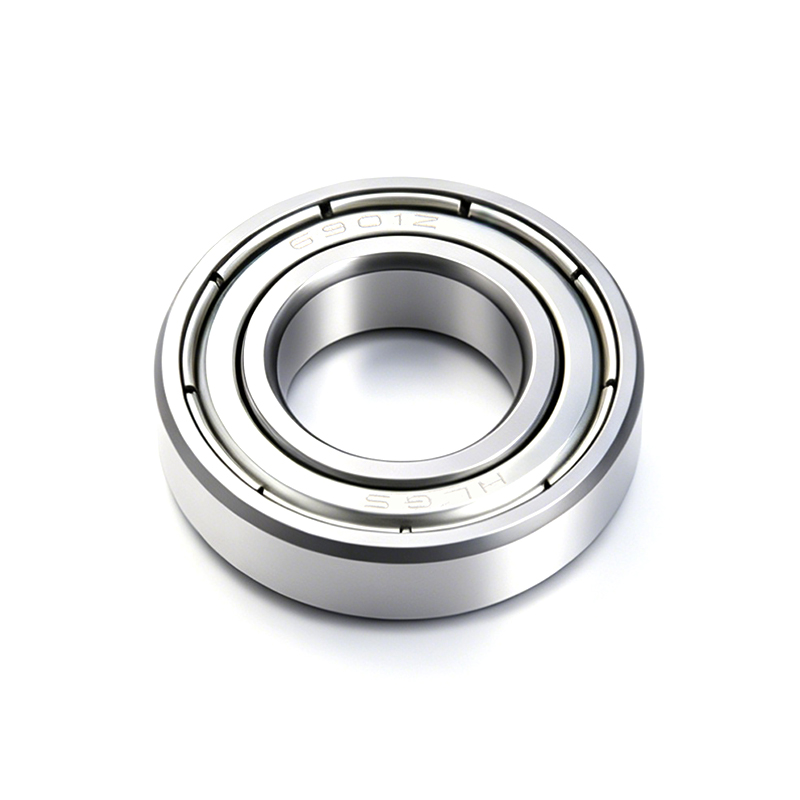
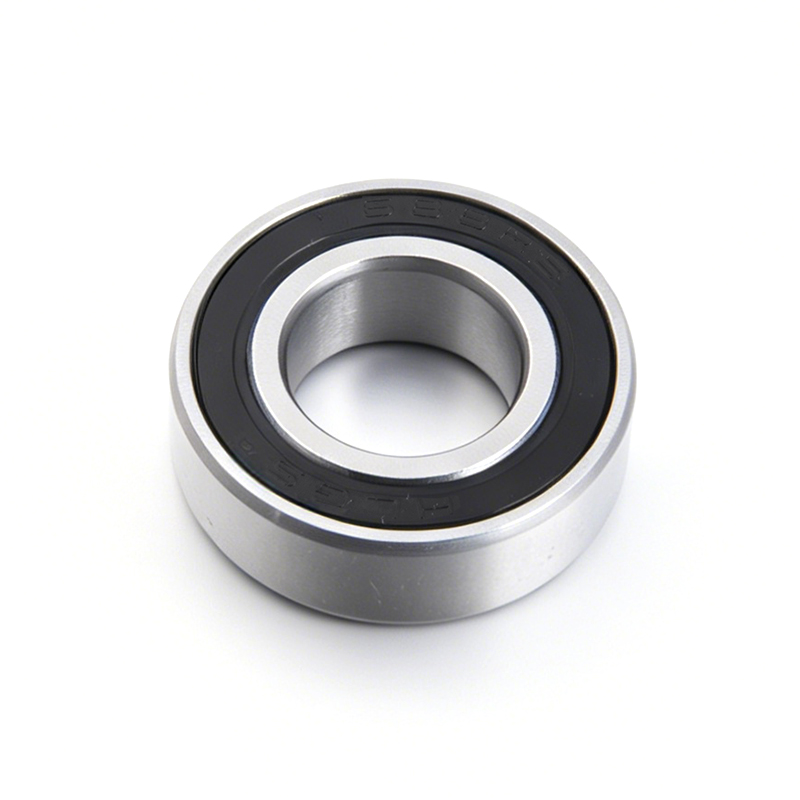
The 6200ZZNR industrial bearing is a compact, practical, and versatile single-row deep groove ball bearing developed for applications that require dependable rotation, efficient space utilization, and straightforward installation. With a 10 mm bore, 30 mm outside diameter, and 9 mm width, this bearing fits a broad range of small motors, fans, power tools, household appliances, and light-duty mechanical transmission systems.

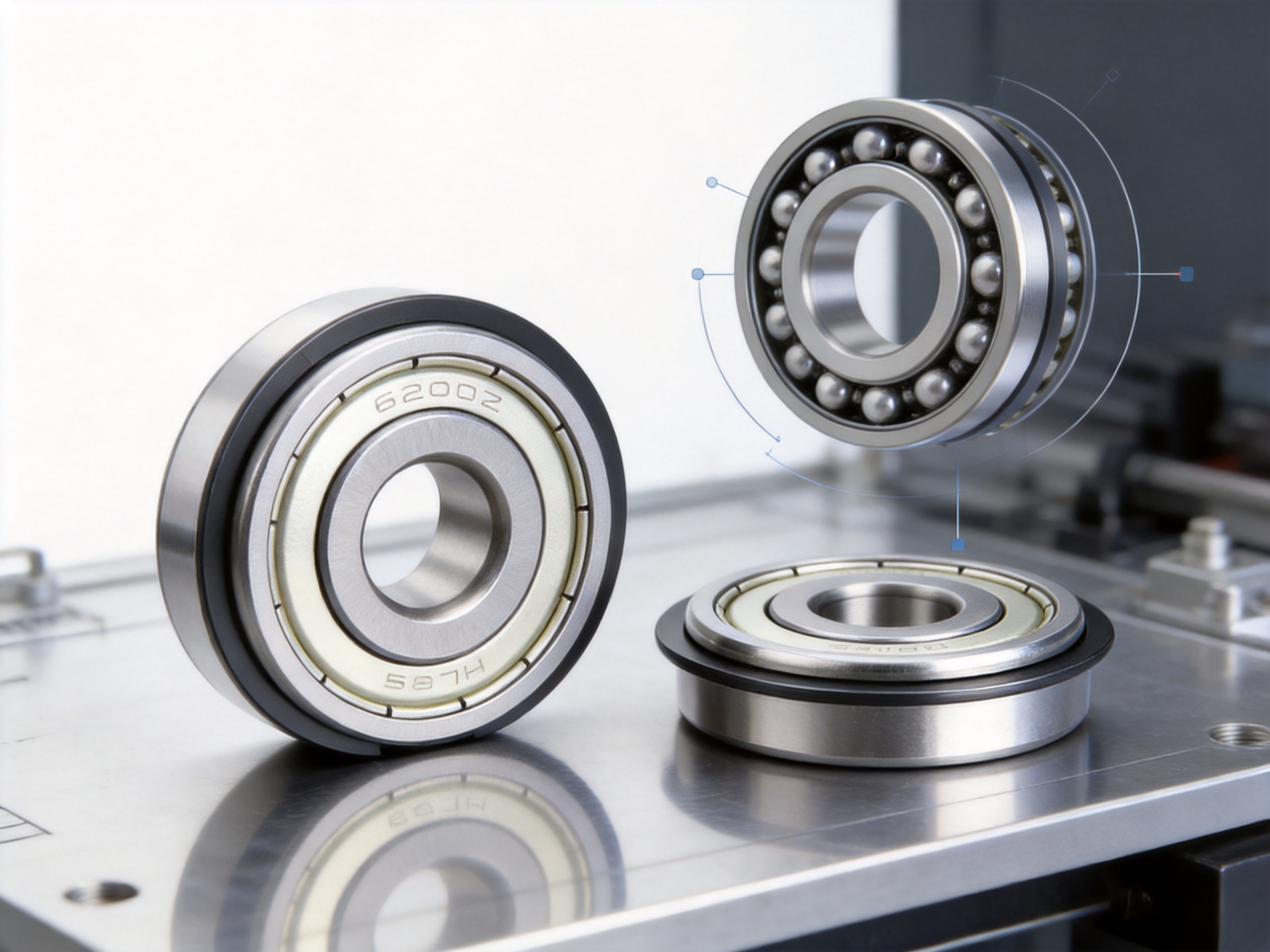
Its designation describes several important design features. The basic 6200 bearing configuration is a single-row deep groove ball bearing. The “ZZ” suffix indicates double metal shields, while “NR” identifies the retaining groove and snap ring on the outer ring. Together, these features create a bearing that combines the operating advantages of a shielded bearing with the positioning convenience of an integrated snap ring.

For equipment designers, maintenance technicians, and industrial buyers, the 6200ZZNR offers more than a standard bearing dimension. It provides a ready-to-install solution for applications where axial positioning, contamination resistance, low friction, and consistent service are important. The bearing is manufactured from high-carbon chromium bearing steel, commonly identified as GCr15, and is designed to support both radial loads and axial loads acting in either direction within suitable operating conditions.

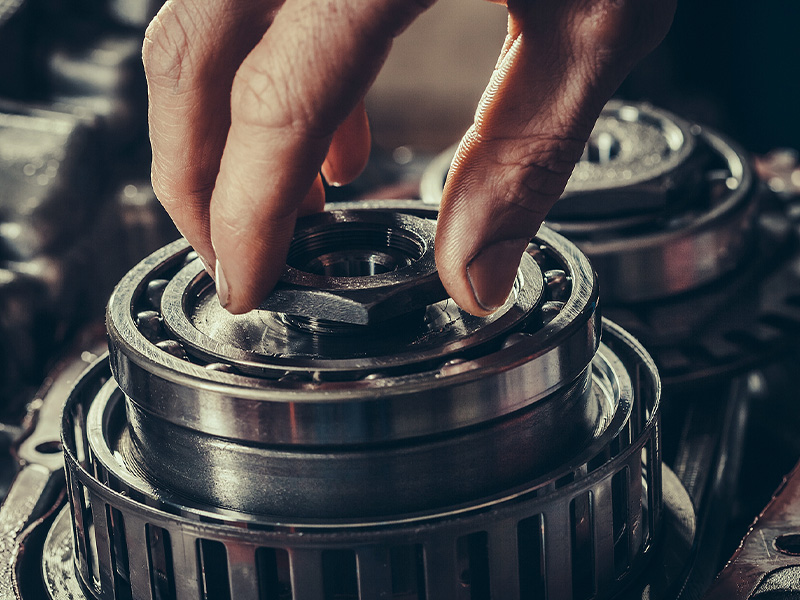
Unlike a plain bearing or a simple unshielded ball bearing, the 6200ZZNR is engineered as a complete rolling-element assembly. Its inner ring, outer ring, balls, cage, shields, and snap ring work together to provide stable rotation. This integrated structure helps equipment manufacturers simplify assembly and helps maintenance teams reduce the number of separate components required during replacement.

6200ZZNR Industrial Bearing Is Designed for Small Motors and Power Tools

Product Overview and Main Specifications

The 6200ZZNR belongs to the deep groove ball bearing family, one of the most widely used bearing categories in industrial machinery. Deep groove raceways allow the bearing to accommodate radial loads while also supporting moderate axial loads from either direction. This makes the design suitable for rotating shafts that may experience more than one type of force during operation.

The bearing has a nominal bore diameter of 10 mm. This dimension allows it to be mounted on shafts used in compact electric motors, small gear mechanisms, fans, rollers, actuators, and portable equipment. The 30 mm outside diameter provides a practical housing fit, while the 9 mm width keeps the bearing compact in the axial direction.

ParameterSpecification
Bearing number6200ZZNR
Bore diameter, d10 mm
Outside diameter, D30 mm
Width, B9 mm
Shield arrangementDouble metal shields, ZZ
Positioning featureOuter-ring snap ring, NR
Dynamic load rating, Cr5,100 N
Static load rating, Cor2,200 N
MaterialHigh-carbon chromium bearing steel, GCr15
Bearing typeSingle-row deep groove ball bearing

The dynamic load rating of 5,100 N represents the bearing’s calculated capacity for repeated rolling contact under defined rating conditions. It is an important reference value for estimating fatigue life when the bearing is subject to continuous rotation and changing loads. The static load rating of 2,200 N provides a reference for stationary or slow-moving conditions where excessive permanent deformation of the raceways and rolling elements must be avoided.

These ratings should not be interpreted as universal working limits for every installation. Actual bearing life depends on load magnitude, speed, lubrication, shaft and housing accuracy, operating temperature, contamination, vibration, installation technique, and the direction of the applied forces. Correct application engineering is therefore essential, particularly when the bearing is used in equipment with frequent starts and stops, shock loading, or high-speed operation.

Understanding the 6200ZZNR Designation

6200 Basic Bearing Configuration

The 6200 designation identifies the basic dimensional series and internal bearing arrangement. As a single-row deep groove ball bearing, it contains one row of precision balls running between a grooved inner ring and a grooved outer ring. The deep raceway geometry enables the bearing to carry radial loads while accommodating axial forces in both directions.

This arrangement is popular because it provides a useful balance between load capacity, speed capability, compactness, and cost. Compared with more specialized bearing designs, a standard deep groove bearing is generally easier to source, install, replace, and maintain. It can also be used in many orientations, making it suitable for horizontal, vertical, and inclined shaft arrangements.

ZZ Double Metal Shields

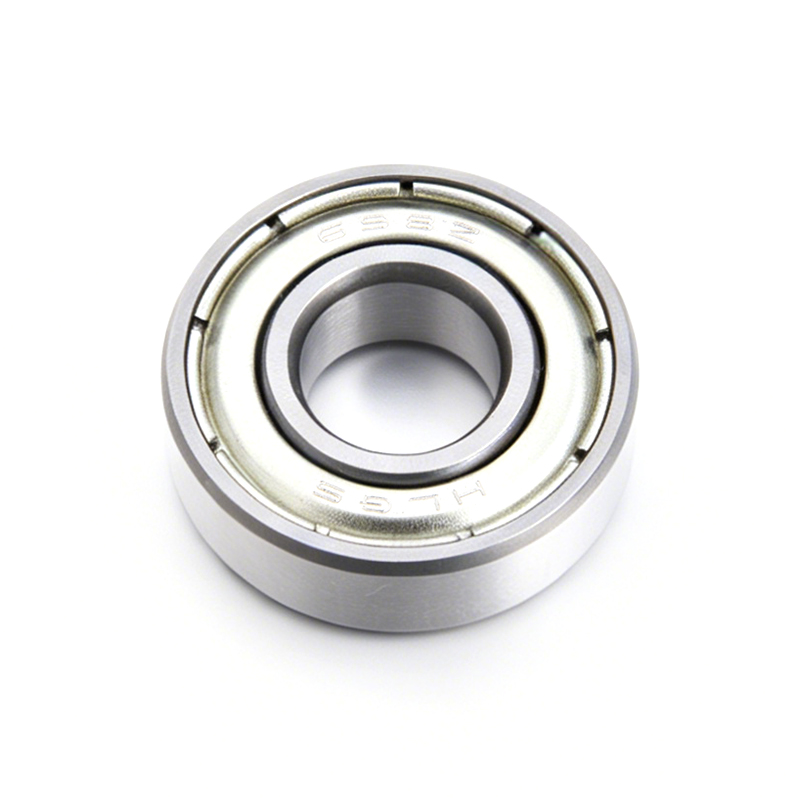
The ZZ designation indicates two non-contacting metal shields, one on each side of the bearing. These shields help reduce the entry of dust and larger particles while helping retain the factory-applied grease inside the bearing. Since the shields do not normally contact the inner ring, they create limited additional friction compared with contact seals.

Double metal shields are especially useful in clean or moderately dusty environments where the bearing does not require a high level of water exclusion. They are commonly selected for electric motors, fans, office equipment, household appliances, and small power tools. Their low-contact design can support smooth rotation and moderate speed capability.

Metal shields are not a substitute for a fully sealed bearing in applications exposed to heavy water spray, washdown, mud, or fine abrasive contamination. However, in the intended operating range of the 6200ZZNR, they provide a practical balance between contamination protection, low running resistance, and economical construction.

NR Snap Ring Arrangement

The NR suffix indicates that the outer ring is manufactured with a retaining groove and fitted snap ring. This feature allows the bearing to be axially located in a housing without requiring a separate external retaining component. The snap ring can simplify assembly and help maintain the bearing’s designed position during operation.

In compact products, available space is often limited. A separate retaining plate, shoulder, or circlip may increase housing size, component count, and assembly time. The integrated snap ring of the 6200ZZNR can reduce these concerns. It is particularly useful where the housing has a corresponding groove or shoulder arrangement designed to accept the bearing’s retaining ring.

Housing and shaft tolerances must still be controlled carefully. The snap ring is intended for axial positioning and retention within a properly designed housing; it should not be treated as a substitute for correct interference or clearance fits. The housing groove, shoulder, and ring seat must be compatible with the bearing dimensions and the forces expected during operation.

Performance Advantages in Compact Equipment

Efficient Radial Load Support

The primary function of the 6200ZZNR is to support radial loads while allowing a shaft to rotate with low mechanical resistance. Radial forces may come from belt tension, gear engagement, fan imbalance, rotor weight, pulley loads, or other forces acting perpendicular to the shaft centerline.

The deep groove raceways distribute contact between the balls and rings over a carefully controlled rolling path. When the bearing is correctly loaded and lubricated, the rolling elements reduce sliding friction compared with plain sliding surfaces. This helps support stable operation and reduces the energy lost as heat.

Bidirectional Axial Load Capability

Many compact machines experience axial forces in both directions. A fan rotor, small gear train, or tool spindle may shift slightly because of thrust, assembly tolerances, or changes in operating conditions. The deep groove design allows the 6200ZZNR to accommodate moderate axial loads from either direction without requiring a separate thrust bearing for every application.

The actual axial capacity depends on the radial load, operating speed, lubrication, internal clearance, and bearing arrangement. When axial forces are high or continuous, a dedicated thrust bearing or a more specialized angular contact arrangement may be appropriate. For ordinary light-duty and moderate-duty machinery, however, the bidirectional capability of the deep groove design provides valuable flexibility.

Low Heat Generation

Low heat generation is important in small motors and portable equipment because the surrounding structure may have limited thermal dissipation. Excessive bearing heat can affect lubricant life, motor winding temperature, plastic components, insulation systems, and dimensional stability.

The 6200ZZNR is designed with a non-contact metal shield arrangement that helps protect the lubricant without creating the same level of rubbing resistance associated with contact seals. When the bearing is operated within a suitable speed and load range, this design supports smooth rotation and helps control temperature rise.

Heat generation is also influenced by installation quality. Misalignment, excessive interference fits, incorrect shaft dimensions, overloading, contaminated grease, and insufficient internal clearance can all increase friction. The bearing’s design provides a strong foundation for efficient operation, but the complete assembly must be engineered correctly.

Compact Installation

With a width of only 9 mm, the bearing is suited to assemblies where axial space is restricted. Its small envelope allows designers to create compact motor housings, lightweight fan assemblies, and portable power tools without using oversized bearing supports.

The 10×30×9 mm size is also convenient for replacement programs. Standardized dimensions allow maintenance departments to keep a manageable inventory and reduce the risk of extended downtime caused by difficult-to-source components. When the original bearing arrangement uses a compatible snap-ring configuration, the 6200ZZNR can provide a direct and efficient replacement option.

Extended Service Potential

Long service life results from the interaction of several factors rather than from one feature alone. The GCr15 steel provides a hard, wear-resistant material for the rings and rolling elements. The shield arrangement helps retain grease and limit contamination. The snap ring helps maintain axial location. The deep groove geometry distributes loads efficiently. Together, these features support dependable operation when the bearing is applied within its intended conditions.

Good service life also depends on clean handling, accurate fits, appropriate lubrication, correct alignment, and effective protection of the surrounding machine. A high-quality bearing can be damaged during installation if force is transmitted through the rolling elements. For this reason, the installation tool should apply force to the ring being fitted, and impact directly on the shields or cage should be avoided.

Advantages Compared with Alternative Bearing Choices

The 6200ZZNR competes with several possible bearing configurations, including open bearings, contact-sealed bearings, standard shielded bearings without snap rings, and plain bearings. Each option has a suitable operating range, but the 6200ZZNR offers a balanced combination of features for many compact industrial applications.

Compared with Open Bearings

Open bearings allow easy access to the rolling elements and raceways, which can be useful in systems with an external oil supply or a controlled lubrication system. However, they provide little protection against airborne dust and may allow grease to escape more readily.

The double metal shields of the 6200ZZNR provide a practical advantage in small motors, fans, and appliances where a separate lubrication system is not available. The shields help retain the manufacturer’s grease and reduce the risk of contamination entering the rolling contact area. This can simplify product design and reduce routine lubrication requirements.

Compared with Contact-Sealed Bearings

Contact-sealed bearings are often selected for applications that require stronger protection against water, fine dust, or other contaminants. Their sealing lips contact the inner ring, creating a more effective barrier in many environments. However, the contact can increase friction, torque, and heat generation, particularly as speed rises or the seal material ages.

The 6200ZZNR uses non-contact metal shields, which may offer lower rotational resistance and lower operating torque in clean or moderately contaminated environments. This makes it attractive for motors and tools where efficiency, quiet operation, and smooth starting are important. If the equipment is exposed to frequent water ingress or heavy contamination, a contact-sealed configuration may be more suitable.

Compared with Bearings Without Snap Rings

A standard 6200ZZ bearing without a snap ring may require a housing shoulder, retaining plate, external circlip, or other axial positioning device. Such an arrangement can be completely effective, but it may require additional machining and parts.

The NR version integrates the retention feature into the outer-ring design. This can streamline assembly, reduce the number of loose components, and provide a predictable axial reference point. It can also help manufacturers reduce assembly steps and simplify service replacement, provided that the housing is designed for the snap ring.

Compared with Plain Bearings

Plain bearings can be useful in low-speed oscillating mechanisms, low-cost hinges, and applications where shock loads or contamination make rolling elements unsuitable. Nevertheless, they generally rely on sliding contact and may require suitable material pairing, lubrication, or regular maintenance.

The 6200ZZNR uses rolling contact to support continuous rotation efficiently. It is therefore better suited to motor shafts, fan shafts, rollers, and rotating mechanical transmission components where reduced friction and consistent running behavior are important.

Compared with More Specialized Bearing Types

Angular contact, cylindrical roller, tapered roller, and spherical bearings each provide specialized capabilities. Angular contact bearings are advantageous for higher combined radial and axial loads. Roller bearings can provide greater radial load capacity in certain arrangements. Tapered and spherical bearings address specific load or alignment requirements.

However, specialized designs may require more space, more complex mounting arrangements, matched sets, preload control, or additional maintenance knowledge. The 6200ZZNR is advantageous when the application needs a dependable, economical, and easily replaceable bearing rather than a highly specialized load arrangement.

Materials and Manufacturing Quality

GCr15 High-Carbon Chromium Bearing Steel

The rings and rolling elements of the 6200ZZNR are made from high-carbon chromium bearing steel, commonly referred to as GCr15. This material is widely used in precision bearing production because it can achieve the hardness, wear resistance, dimensional stability, and fatigue performance required for rolling contact.

Material quality begins with controlled steel procurement and continues through heat treatment and finishing. The cleanliness and consistency of the steel influence the bearing’s resistance to rolling-contact fatigue. Proper heat treatment develops the required hardness while helping maintain a balanced combination of toughness and dimensional stability.

For a small bearing, even minor material or process variation can affect noise, vibration, torque, and service life. This is why reliable production depends on controlled processes rather than visual inspection alone. Each manufacturing stage must contribute to the final performance of the assembled bearing.

Precision Ring Production

The inner and outer rings are produced through a sequence of forming, turning, heat treatment, grinding, and superfinishing operations. Raceway geometry is especially important because the balls must travel smoothly through the grooves. Surface roughness, roundness, waviness, and dimensional accuracy all influence the bearing’s running behavior.

Precision grinding removes material in a controlled manner and establishes the final dimensions of the raceways, ring diameters, and side faces. Superfinishing can further improve the raceway surface by reducing irregularities that could increase friction or generate vibration.

The outer ring also requires accurate machining of the retaining groove used with the NR snap ring. The groove must be positioned and formed consistently so that the ring can perform its retention function without compromising the bearing’s dimensional compatibility.

Rolling Element Control

The balls must have consistent diameter, roundness, surface finish, and material properties. Variations among balls can influence load distribution, torque, noise, and vibration. Precision sorting and inspection help ensure that the rolling elements are suitable for assembly into the bearing.

During operation, the balls transmit forces between the inner and outer raceways. If the load is unevenly distributed, localized stress may rise and reduce fatigue life. Consistent ball quality, correct internal geometry, and controlled assembly help maintain smooth load sharing.

Cage and Shield Integration

The cage separates the balls and guides them around the raceways. Its design must provide stable ball spacing while minimizing friction and interference. The cage is assembled with care to avoid deformation that could affect rotation or create abnormal noise.

The two metal shields are fitted to the outer ring and positioned to protect the internal space. Shield installation must be controlled so that the shields remain secure while maintaining the intended non-contact relationship with the inner ring. Damage, distortion, or improper seating can affect contamination protection and torque performance.

Snap Ring Installation

The snap ring is installed after the outer-ring groove has been inspected for accuracy and cleanliness. Its fit must be secure and consistent. A properly installed ring provides the axial retention function expected by the equipment designer.

Because the snap ring is an important part of the bearing’s installation concept, it should be included in incoming inspection. Buyers may verify its presence, seating, profile, and compatibility with the housing groove. This is particularly important for automated assembly lines where a missing or incorrectly installed retaining ring could cause production interruptions.

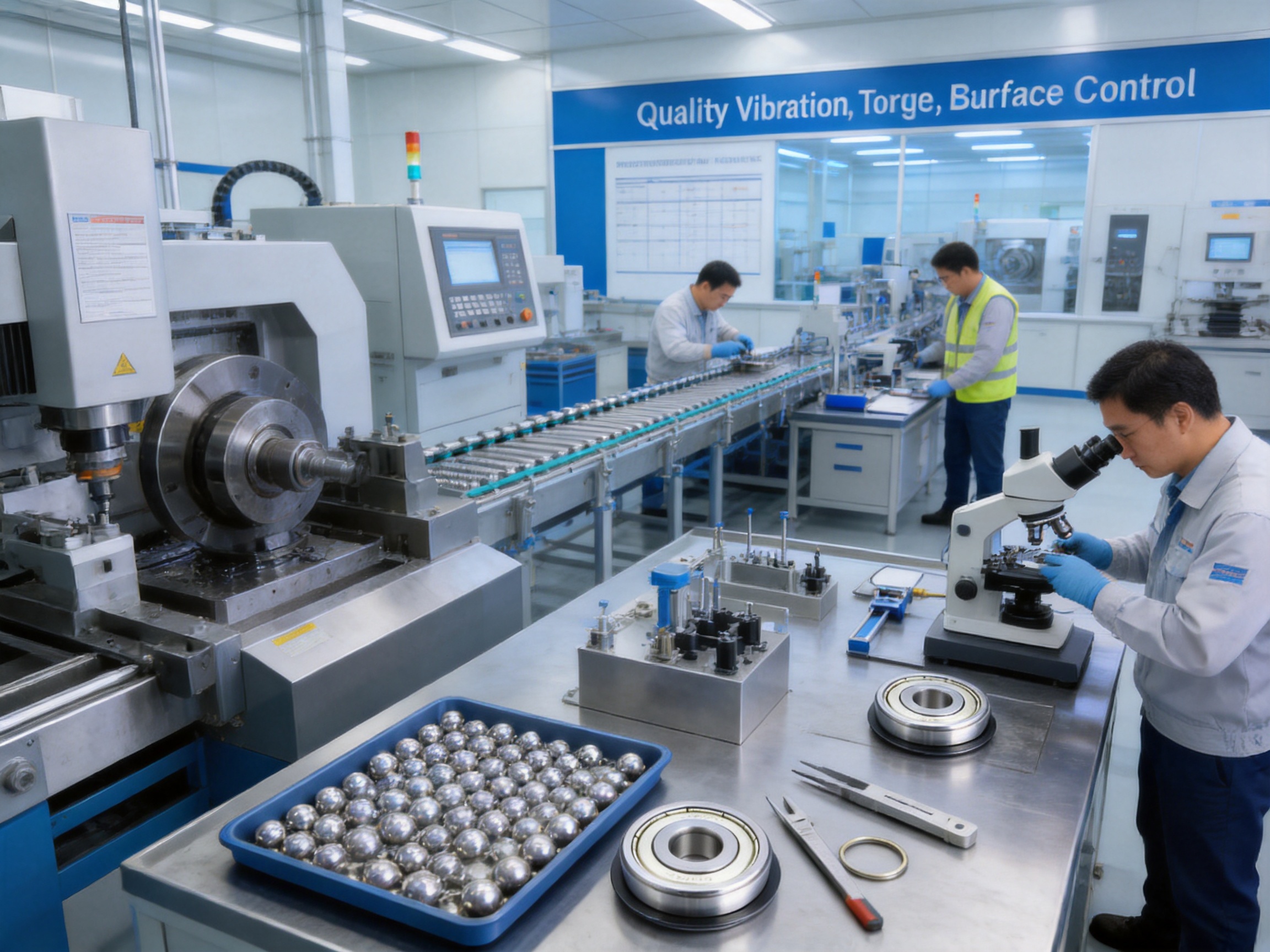
Advanced Production and Quality-Control Strengths

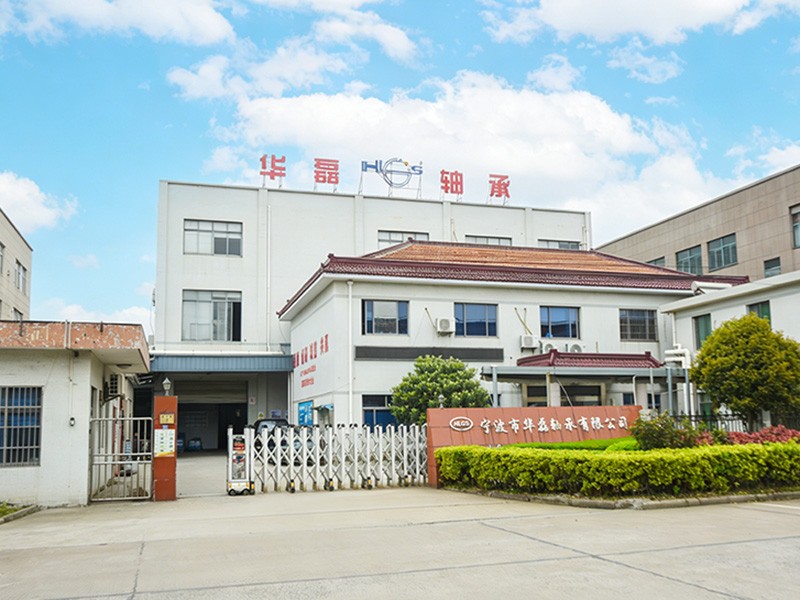
The manufacturer behind the product has operated since 2001 and specializes in miniature and compact deep groove ball bearings. Its experience in this product category supports the development of repeatable processes for small bearing dimensions, shielded configurations, and application-specific variants such as snap-ring bearings.

Manufacturing quality is supported by advanced testing equipment and formal management systems. The company follows ISO 9001 and ISO/TS 16949 management systems, demonstrating an emphasis on documented procedures, traceability, process control, corrective action, and continual improvement. ISO-based systems do not replace product inspection, but they help establish a consistent framework for controlling production and responding to quality issues.

In practical terms, an effective bearing manufacturing process includes incoming material verification, machining control, heat-treatment monitoring, grinding inspection, component cleaning, assembly control, lubricant management, final testing, and packaging protection. These controls are especially important for shielded bearings because internal contamination or improper grease quantity may not be visible after final assembly.

Advanced equipment can be used to evaluate dimensional accuracy, rotation torque, noise, vibration, temperature behavior, and component condition. The exact test plan may vary according to product specification and customer requirements, but the objective remains the same: identify deviations before the bearing reaches the customer and confirm that the finished product meets the required performance standard.

The company’s specialization also provides an advantage in customization and production support. It serves industries including food machinery, household appliances, automotive electromechanical systems, electric tools, mechanical transmission equipment, and motors. Exposure to these applications helps the manufacturer understand the differing requirements for quiet running, compact design, load support, contamination resistance, and service reliability.

In addition to standard production, the company provides OEM and ODM services through its import and export department, established in 2016. OEM capability can support customers that require production according to supplied drawings, specifications, packaging requirements, or labeling instructions. ODM capability can support projects that need engineering cooperation in selecting dimensions, shields, snap rings, lubrication, materials, or other bearing characteristics.

Application Areas

Small Electric Motors

The 6200ZZNR is well suited to small electric motors used in appliances, ventilation equipment, automation units, and compact machinery. Motor bearings must rotate smoothly, operate with controlled noise, and withstand continuous radial loading from the rotor. The shielded structure helps retain grease and reduce the entry of ordinary airborne dust.

The snap ring can simplify axial positioning inside the motor end shield or housing. This may help manufacturers reduce the need for a separate retaining component. Proper rotor balance, shaft accuracy, and bearing alignment remain essential because motor vibration can be transmitted directly to the bearing.

Fans and Blowers

Fans frequently operate for long periods, making low friction and stable temperature important. The 6200ZZNR can support fan shafts and small blower assemblies where the radial load is moderate and the environment is not exposed to severe liquid contamination.

Fan designers should consider imbalance, belt tension, air movement, and expected running speed. Excessive imbalance may generate cyclic loads that shorten bearing life. Correct balancing and accurate housing alignment allow the bearing to perform more effectively.

Power Tools

Compact power tools require bearings that fit within limited internal space while supporting high-speed rotation and intermittent loads. Drills, grinders, sanders, small saws, and other portable devices may subject bearings to vibration, acceleration, and short periods of increased force.

The 6200ZZNR’s compact size and double metal shields make it a practical option for suitable power-tool mechanisms. Engineers must confirm that the bearing’s speed, load, temperature, and contamination requirements are compatible with the specific tool. Tools exposed to fine abrasive dust may require additional external sealing or a different bearing configuration.

Household Appliances

Household appliances often require quiet, reliable, and economical rotating components. The bearing can be applied in small motors, rollers, fans, pumps, and mechanical transmission systems when the operating load and environmental conditions are appropriate.

For appliance manufacturers, consistent dimensions and repeatable noise performance are important. A bearing that installs predictably can support efficient production and reduce field service concerns. Metal shields are also useful where low rotational resistance and grease retention are preferred.

Light-Duty Mechanical Transmission

Small transmission systems may include pulleys, rollers, gears, shafts, and drive mechanisms. The 6200ZZNR can support radial loads from these components while accepting moderate axial forces in either direction.

Gear and pulley systems should be evaluated for overhung load, belt tension, shaft deflection, and alignment. If the bearing is exposed to substantial shock or heavy continuous loading, a larger or more specialized bearing may be required. In light-duty systems, however, the standard deep groove arrangement provides a useful combination of simplicity and performance.

Installation Recommendations

Correct installation is essential to achieving the expected life of any rolling bearing. Before installation, verify the bearing number, dimensions, shield arrangement, snap ring configuration, and overall condition. The bearing should be kept in its original packaging until it is ready for use.

Shafts and housings should be clean, dry, and free from burrs. Measure the mating surfaces to confirm that the fits are appropriate for the expected load and rotation. A shaft fit that is too tight may reduce internal clearance and increase operating temperature. A housing fit that is too loose may allow creep, fretting, or unwanted movement.

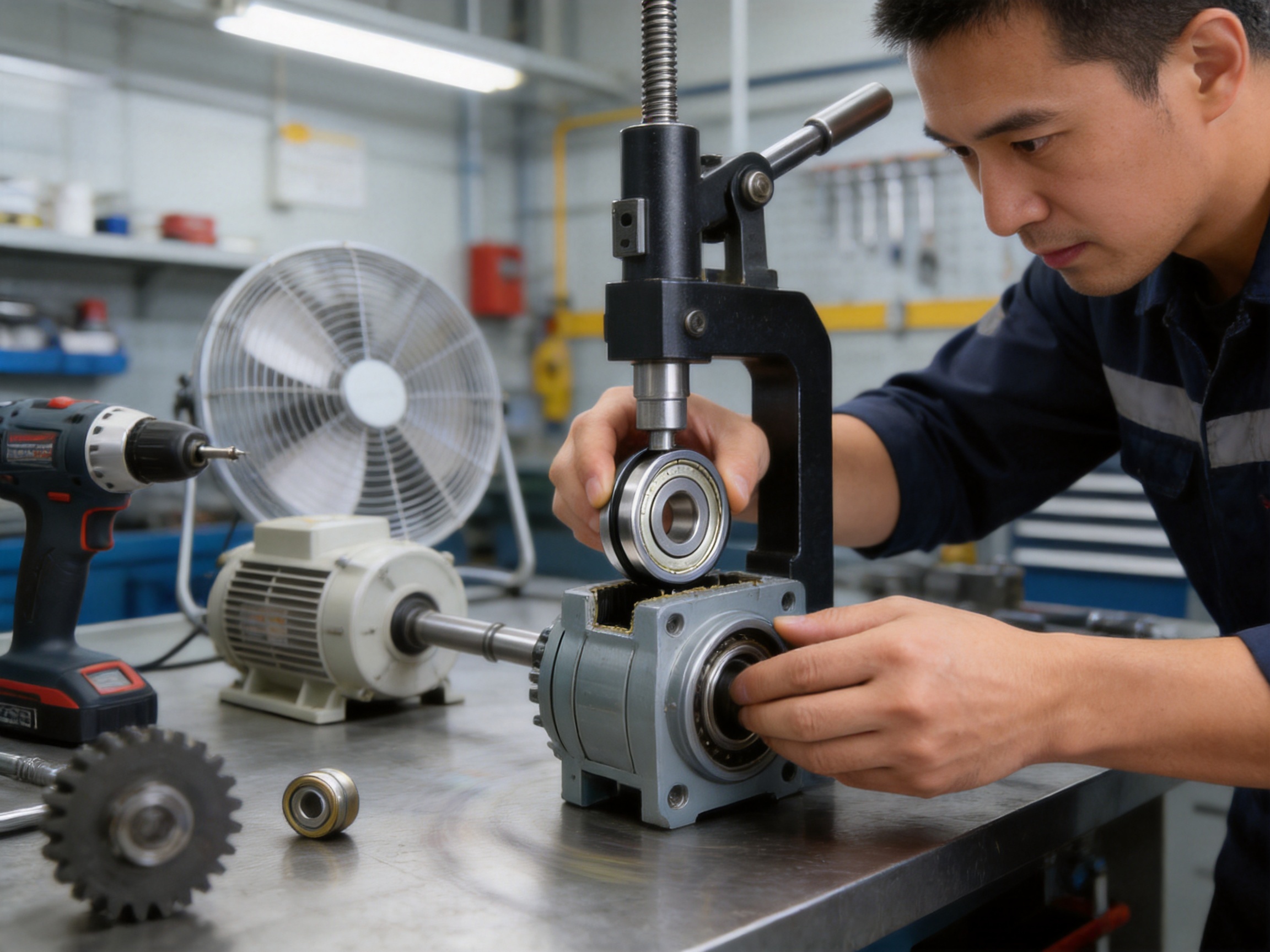
When pressing the bearing onto a shaft, apply installation force to the inner ring. When pressing the bearing into a housing, apply force to the outer ring. If force is applied through the balls, raceways may become dented or brinelled, even if the damage is not immediately visible.

Do not hammer directly on the shields, cage, or snap ring. If impact tools are unavoidable, use suitable tooling and distribute the force evenly through the correct ring. Induction heating or another controlled heating method may be used for certain interference-fit installations, provided that the bearing temperature remains within an appropriate range and the shields, grease, and material properties are not damaged.

The housing must include the correct groove or shoulder arrangement for the NR snap ring. After installation, confirm that the snap ring is fully seated and that the bearing is positioned correctly. Rotate the shaft by hand before operating the equipment. Rotation should be smooth, without abnormal resistance, scraping, or roughness.

Alignment should be checked after installation. Although deep groove ball bearings can tolerate limited operational conditions involving small alignment deviations, excessive misalignment creates uneven loading and can raise noise, vibration, and temperature. The shaft, housing, seals, and adjacent components should be assembled concentrically whenever possible.

Lubrication and Operating Conditions

The 6200ZZNR is supplied with lubrication retained by its double metal shields. In many normal applications, the factory lubricant is intended to support the bearing for its planned service period. Additional grease should not be added automatically, particularly when the shields are not designed for routine relubrication.

Over-greasing can increase churning, torque, and heat generation. Using an incompatible lubricant can cause grease separation, hardening, softening, corrosion, or deterioration of the shield and cage materials. If relubrication is required by the application, the correct procedure and lubricant should be determined by the equipment manufacturer or bearing engineer.

Operating temperature is affected by speed, load, ambient conditions, fit, alignment, and lubricant behavior. A gradual increase in temperature during initial running may be normal, but sudden overheating, persistent abnormal noise, or strong vibration indicates that the system should be inspected.

The metal shields provide protection against ordinary dust and help retain grease, but they are not designed to withstand every form of contamination. External seals, covers, labyrinth arrangements, or a different sealed bearing may be required where there is exposure to water, abrasive powder, chemical mist, or high-pressure cleaning.

Selection and Service-Life Considerations

When selecting the 6200ZZNR, begin with the required bore, outside diameter, and width. Confirm that the 10 mm shaft and 30 mm housing seat are compatible with the equipment design. Next, review the applied radial and axial loads and compare them with the bearing’s dynamic and static load ratings.

For continuously rotating equipment, bearing life is commonly evaluated using the dynamic load rating, equivalent dynamic bearing load, and operating speed. The calculated life is an engineering estimate, not a guaranteed calendar period. Contamination, installation damage, vibration, and poor lubrication can reduce actual service life significantly.

Static load evaluation is important when the machine is stationary under load, exposed to shock, or subject to vibration. The static load rating of 2,200 N provides a reference for assessing permanent deformation risk. If the equipment experiences impact loads, the peak force should be considered rather than only the average operating load.

Noise and vibration requirements should also influence the selection. A small motor used in a quiet appliance may need tighter control of bearing noise and assembly alignment than a general-purpose transmission unit. The manufacturer’s experience with motors, appliances, tools, and electromechanical systems can support discussions about application-specific requirements.

Temperature, speed, contamination, and installation fit should be documented during the selection process. These factors allow the supplier and buyer to determine whether the ZZ shield arrangement and standard internal configuration are appropriate or whether another variant would provide better performance.

Inspection, Maintenance, and Troubleshooting

Routine inspection should focus on sound, vibration, temperature, shaft movement, and visible signs of contamination. A healthy bearing normally produces a consistent operating sound. Grinding, clicking, rumbling, or intermittent knocking may indicate raceway damage, contamination, cage problems, or incorrect installation.

Abnormal temperature can result from excessive preload, an overly tight fit, insufficient clearance, excessive grease, high speed, misalignment, or an external load that is greater than expected. The surrounding machine should be checked before replacing the bearing because the root cause may be related to the shaft, housing, pulley, gear, or drive system.

Visible rust, grease leakage, shield distortion, or snap-ring damage should be treated as warning signs. A damaged shield may allow contamination to enter. A displaced snap ring may indicate an incorrect housing groove, excessive axial force, or improper assembly.

If replacement is required, remove the bearing using tools that apply force to the correct ring. Do not reuse a bearing that has been removed from a heavily loaded or contaminated assembly unless it has been professionally inspected. Rolling-contact damage may not be visible during a quick examination.

Observed conditionPossible causesRecommended checks
High operating temperatureExcessive fit, overload, over-greasing, misalignment, high speedCheck fits, load, speed, alignment, and lubricant condition
Rough rotationContamination, brinelling, raceway damage, installation impactInspect rings, balls, shields, and installation method
Unusual noiseVibration, damaged raceway, poor lubrication, incorrect assemblyCheck shaft runout, housing alignment, and bearing condition
Axial movementIncorrect housing fit, missing or displaced snap ring, loose shaftVerify NR ring seating and housing groove dimensions
Short service lifeContamination, overload, poor storage, misalignment, shock loadingReview operating history and complete assembly conditions

Supply, Customization, and Technical Cooperation

For industrial buyers, product quality is only one part of supplier evaluation. Delivery stability, communication, technical support, packaging, documentation, and the ability to manage repeat orders also influence the total cost of ownership. A manufacturer with long-term experience in compact deep groove bearings can help customers reduce uncertainty during product development and production planning.

The manufacturer offers a broad range of deep groove ball bearings under its HLGS trademark and serves customers in several industrial sectors. Its product experience includes food machinery, household appliances, automotive electromechanical systems, electric tools, mechanical transmission devices, and motors. This broad application background supports practical communication about operating environments and design priorities.

OEM and ODM services provide additional flexibility. Customers may require standard 6200ZZNR bearings with specific packaging or quality documentation, or they may need cooperation on a related bearing configuration. Engineering discussions may include dimensions, shield types, snap-ring arrangements, clearance, grease selection, packaging, inspection plans, and production quantities.

For larger programs, a clear technical agreement should define drawings, tolerances, material requirements, performance expectations, acceptance criteria, marking, packaging, and change-control procedures. This helps ensure that the supplied bearing remains consistent over the life of the project.

Professional service is also important during replacement and troubleshooting. If a 6200ZZNR bearing shows premature damage, useful information includes operating speed, load, temperature, installation method, shaft and housing dimensions, lubricant, contamination exposure, and photographs of the failed components. Such information can help identify whether the cause is bearing-related or connected to the surrounding machine.

Why the 6200ZZNR Is a Practical Industrial Choice

The strength of the 6200ZZNR lies in its balanced design. It is not intended to replace every bearing type in every environment. Instead, it offers a strong solution for compact rotating equipment that needs standard dimensions, dependable radial support, moderate bidirectional axial capacity, grease retention, and convenient axial positioning.

The double metal shields support cleaner operation and help retain internal lubrication without the rubbing resistance of contact seals. The outer-ring snap ring simplifies installation where a compatible housing groove is available. The GCr15 material supports the hardness and wear resistance needed for rolling contact. The 10×30×9 mm envelope fits many compact assemblies.

Compared with a basic open bearing, the 6200ZZNR offers greater protection and convenience. Compared with a standard shielded bearing without an NR ring, it can simplify housing retention. Compared with a contact-sealed bearing, it may reduce friction in suitable clean or moderately dusty environments. Compared with a plain bearing, it provides the efficiency and consistency of rolling contact during continuous rotation.

Its suitability is further supported by the manufacturer’s long-term focus on miniature and compact deep groove ball bearings, formal ISO-based management systems, advanced testing equipment, and OEM and ODM capabilities. These strengths are valuable to customers seeking both a dependable component and a supplier able to support repeatable industrial production.

For small motors, fans, power tools, household appliances, and light-duty transmission equipment, the 6200ZZNR offers an efficient combination of performance, installation simplicity, and application flexibility. When selected according to load, speed, temperature, contamination, and fit requirements, it can contribute to stable equipment operation and reduced maintenance interruptions.

Frequently Asked Questions

What type of bearing is the 6200ZZNR?

The 6200ZZNR is a single-row deep groove ball bearing. It has a 10 mm bore, a 30 mm outside diameter, and a 9 mm width. It is fitted with double metal shields and an outer-ring retaining groove with a snap ring.

What does ZZ mean on the bearing?

ZZ means that the bearing has two metal shields, one on each side. These shields help retain grease and reduce the entry of ordinary dust and particles. Because the shields are generally non-contacting, they can support low rotational resistance in appropriate applications.

What does NR mean on the bearing?

NR indicates an outer-ring snap-ring arrangement. The outer ring has a retaining groove and is supplied with a snap ring for axial positioning in a compatible housing.

Can the 6200ZZNR support axial loads?

Yes. As a deep groove ball bearing, it can support moderate axial loads from both directions in addition to radial loads. The allowable axial load depends on the radial load, speed, lubrication, internal clearance, and overall application conditions.

Is the 6200ZZNR suitable for high-speed motors?

It may be suitable for certain high-speed motor applications, but the actual suitability must be confirmed using the required speed, load, temperature, lubrication, and noise criteria. Metal shields can provide low friction, but incorrect fits, misalignment, or excessive loads may still cause overheating.

Is this bearing waterproof?

No bearing should be described as universally waterproof based only on a ZZ designation. Double metal shields provide protection against ordinary dust and help retain grease, but applications with heavy water exposure, washdown, or liquid contamination may require contact seals or additional external protection.

What material is used for the bearing?

The bearing is made from high-carbon chromium bearing steel, identified as GCr15. This material is widely used for bearing rings and rolling elements because of its hardness, wear resistance, and rolling-contact fatigue performance.

Where is the 6200ZZNR commonly used?

Common applications include small motors, fans, power tools, household appliances, light-duty mechanical transmission systems, rollers, and other compact rotating equipment.

How should the bearing be installed?

Use clean, accurate tools and apply installation force only to the ring being fitted. Apply force to the inner ring when mounting on a shaft and to the outer ring when mounting in a housing. Do not strike the shields, cage, balls, or snap ring directly. Confirm that the NR snap ring is fully seated in the housing groove.

Does the bearing require additional grease?

In many standard applications, the factory-applied grease is intended to support the bearing for its planned service period. Do not add grease without confirming the correct procedure and lubricant. Over-greasing can increase friction and heat.

How can buyers confirm whether the bearing is suitable?

Buyers should compare the bearing’s dimensions, load ratings, speed, shield arrangement, snap-ring requirement, operating temperature, contamination level, and expected service life with the machine requirements. Technical information about the shaft, housing, load, and operating environment should be shared with the supplier when application conditions are complex.

Can the manufacturer provide OEM or ODM support?

Yes. The manufacturer provides OEM and ODM services and can cooperate on product specifications, packaging, documentation, and related bearing requirements. Specific engineering details should be confirmed during the project review.

Conclusion

The 6200ZZNR is a compact deep groove ball bearing designed to meet the practical needs of small rotating machinery. Its 10×30×9 mm dimensions, GCr15 bearing steel construction, 5,100 N dynamic load rating, and 2,200 N static load rating provide a useful foundation for dependable operation in suitable applications.

Its double metal shields help retain lubrication and reduce contamination entry, while the outer-ring snap ring simplifies axial positioning in a compatible housing. These features give the bearing advantages over open bearings, shielded bearings without retaining rings, and plain bearings in many compact motor, fan, power-tool, appliance, and light-transmission applications.

Reliable performance also depends on manufacturing discipline. The manufacturer’s experience since 2001, focus on compact deep groove bearings, advanced testing equipment, ISO 9001 and ISO/TS 16949 management systems, and OEM and ODM capabilities provide important support for customers seeking consistent industrial supply.

When the bearing is selected correctly and installed with suitable fits, alignment, lubrication, and contamination protection, the 6200ZZNR can provide smooth rotation, controlled heat generation, simplified assembly, and long service potential. It is a practical choice for equipment designers and maintenance teams that need a standardized bearing with both shielding and integrated axial retention.

References

1. ISO 281, Rolling Bearings — Dynamic Load Ratings and Rating Life.

2. ISO 76, Rolling Bearings — Static Load Ratings.

3. ISO 9001, Quality Management Systems — Requirements.

4. ISO/TS 16949, Quality Management Systems for Automotive Production and Relevant Service Parts Organizations.

5. SKF, Rolling Bearings Catalogue, sections on deep groove ball bearings, seals, shields, mounting, and bearing life.

6. NSK, Technical Information on Deep Groove Ball Bearings, bearing materials, lubrication, installation, and operating conditions.

7. FAG, Rolling Bearing Fundamentals, bearing designation systems, load ratings, fits, and maintenance practices.

8. Timken, Engineering Manual, rolling bearing selection, installation, lubrication, and troubleshooting principles.

Product: 6200ZZNR Industrial Bearing Is Designed for Small Motors and Power Tools


Recent Articles