Mireille Qiao — International Sales Executive
Home / Author / Mireille Qiao — International Sales Executive / 6901ZZ Compact Deep Groove Ball Bearing for Fans, Motors, and Electronic Devices

6901ZZ Compact Deep Groove Ball Bearing for Fans, Motors, and Electronic Devices

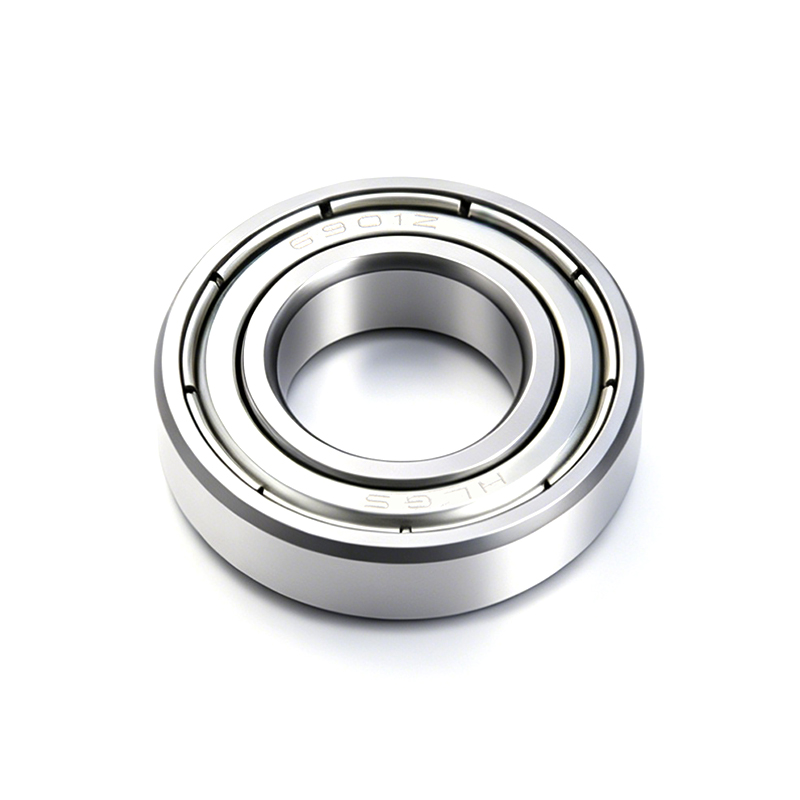
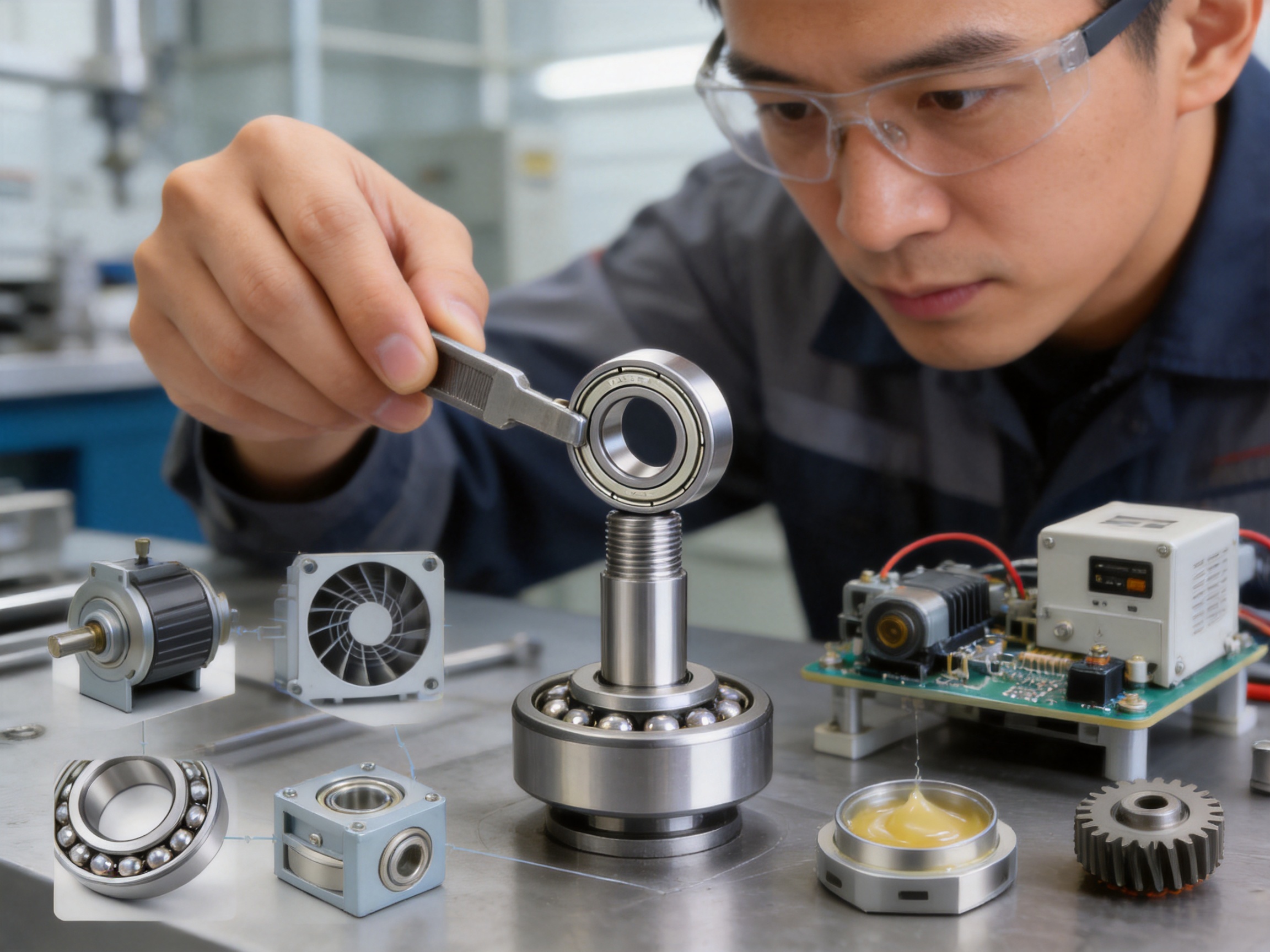
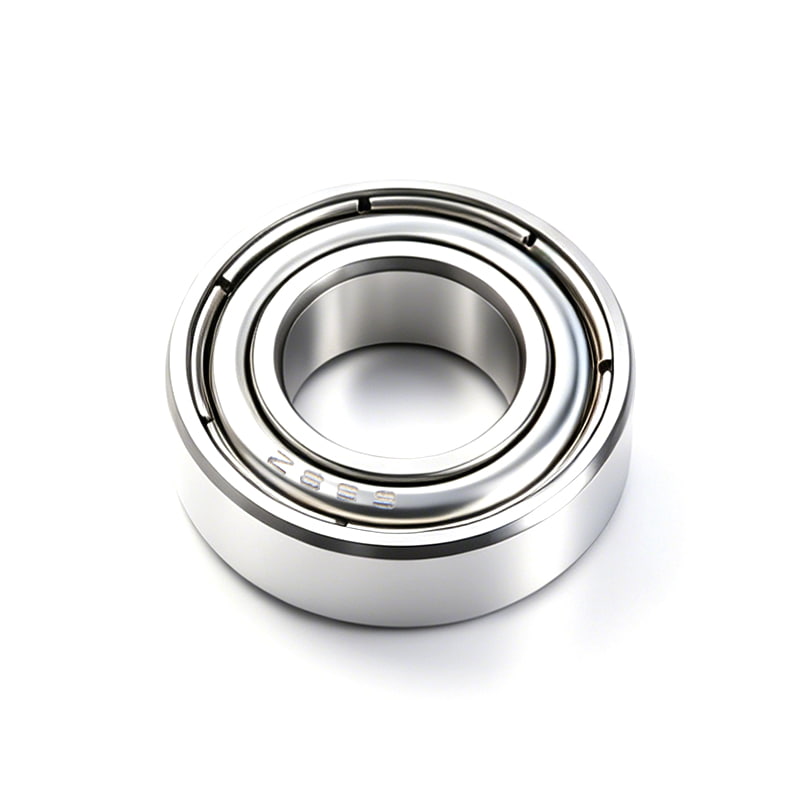
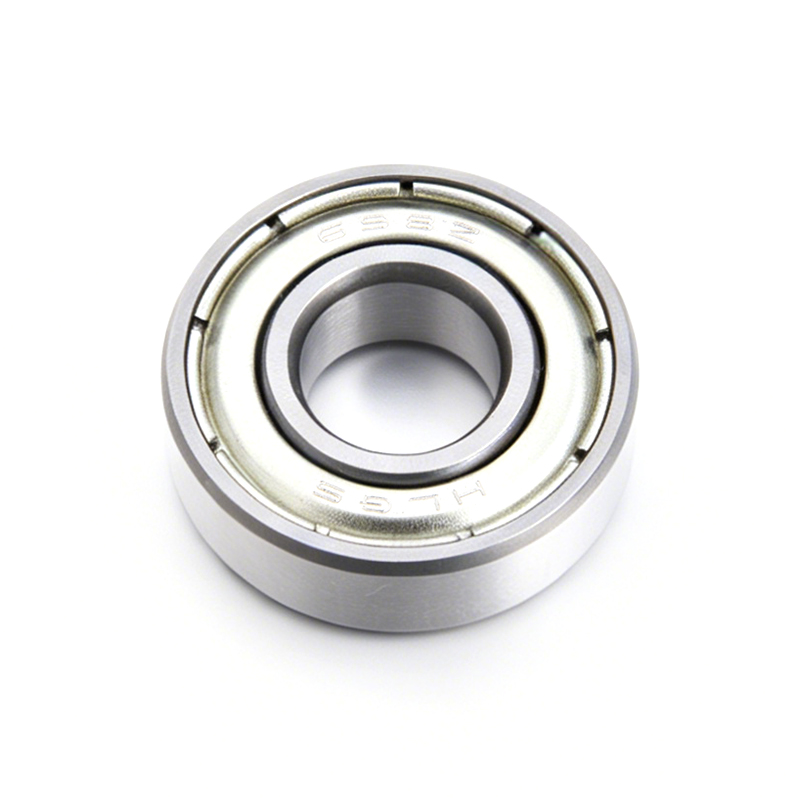
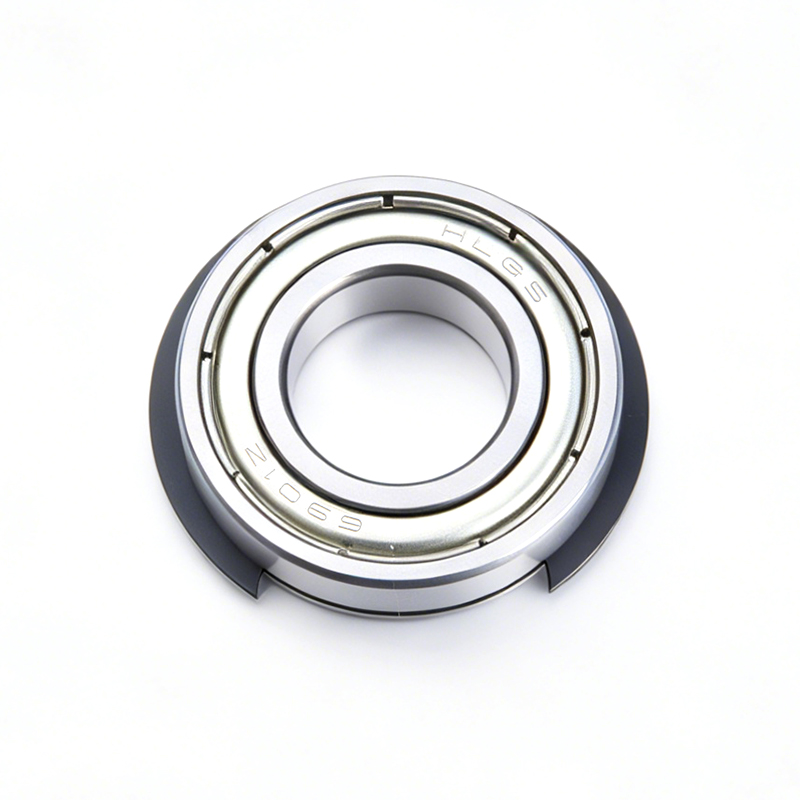
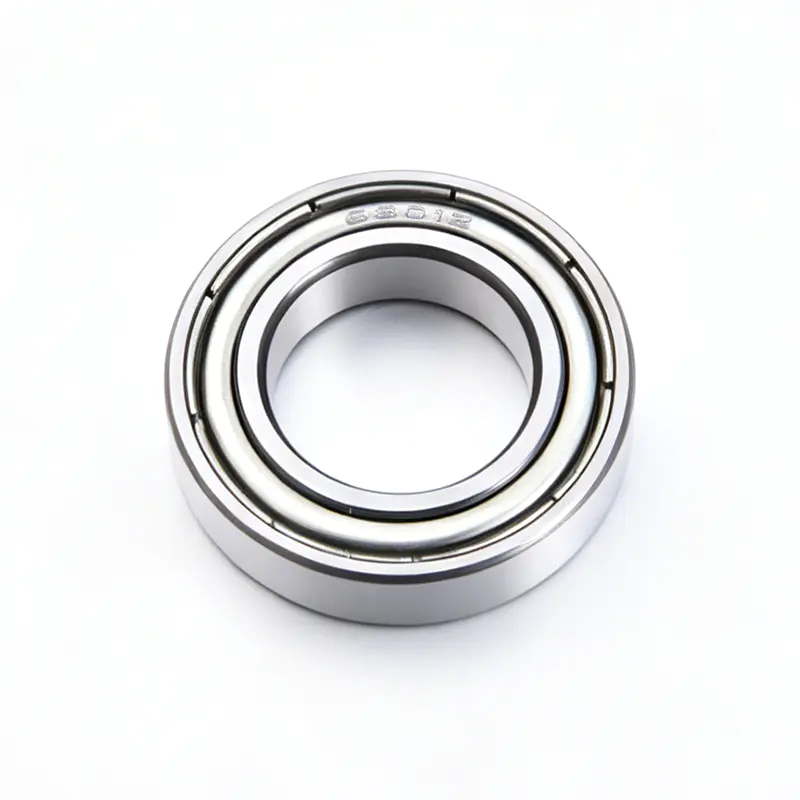
The 6901ZZ is a compact double-shielded deep groove ball bearing developed for applications that require dependable rotation, low operating noise, and efficient use of limited installation space. With a 12 mm bore, 24 mm outside diameter, and 6 mm width, this miniature bearing provides a practical solution for compact mechanisms, small motors, household appliances, electronic devices, precision transmission systems, and light-duty power tools.

Although its dimensions are small, the 6901ZZ is designed to deliver consistent performance through a carefully controlled combination of bearing steel, heat treatment, precision machining, shield construction, assembly control, and inspection. Its standard configuration supports straightforward replacement and integration into equipment designed around the 6901 bearing size.

The bearing is manufactured from GCr15 bearing steel, a material widely used for rolling-element bearings because of its hardness, wear resistance, fatigue strength, and dimensional stability. The double-sided metal shield, identified by the suffix “ZZ,” helps limit the entry of dust and other contaminants while retaining lubricant inside the bearing. This makes the 6901ZZ suitable for many applications where a non-contact shield is preferred over an open bearing.

For buyers, designers, maintenance engineers, and distributors, the 6901ZZ combines compact geometry with a practical load rating. Its listed dynamic load rating is 2,340 N, while its static load rating is 1,060 N. These values make the bearing suitable for light to medium operating conditions when the application is correctly designed and the bearing is properly installed.

Product Overview

The 6901ZZ belongs to the small-sized deep groove ball bearing family. Deep groove ball bearings are among the most widely used bearing types because they can support radial loads, accommodate limited axial loads in both directions, and operate efficiently at relatively high speeds. Their simple internal geometry also supports economical production, easy installation, and broad interchangeability.

The 6901ZZ designation identifies the basic bearing series and shielding arrangement. The “6901” size designation corresponds to a bearing with a 12 mm bore, 24 mm outer diameter, and 6 mm width. The “ZZ” suffix indicates double metal shields, with one shield installed on each side of the bearing.

These dimensions allow the bearing to fit into slim housings and compact shaft arrangements. It can be used where the available radial space is limited and where designers need to reduce the overall size or weight of a mechanism. The narrow width can also help reduce shaft overhang and support compact product architecture.

ParameterSpecificationPractical Significance
Bearing number6901ZZIdentifies the bearing size and double-shielded configuration
Bore diameter12 mmFits a 12 mm nominal shaft seat when the shaft tolerance is correctly selected
Outside diameter24 mmSupports installation in a compact 24 mm nominal housing seat
Width6 mmSuitable for narrow axial installation spaces
Seal or shield arrangementDouble metal shields, ZZHelps reduce dust entry and lubricant loss
Dynamic load rating2,340 NIndicates the bearing’s reference capacity for repeated rotating load
Static load rating1,060 NIndicates the reference capacity under stationary or slowly rotating load
MaterialGCr15 bearing steelProvides hardness, wear resistance, and rolling-contact fatigue performance

Why the 6901ZZ Is Valuable in Compact Equipment

Compact equipment creates several engineering challenges. Designers must fit shafts, gears, rotors, spacers, electrical components, seals, and housings into a small volume. At the same time, the rotating assembly must remain stable, quiet, and durable. A bearing that is too large can increase the size and weight of the final product, while a bearing that is too small may not provide the required capacity or service life.

The 6901ZZ occupies a useful middle position for many small rotating assemblies. Its 12 mm bore allows it to support shafts larger than those used in very small instrument bearings, while its 24 mm outside diameter and 6 mm width maintain a slim profile. This combination makes the bearing applicable to miniature motors, fans, small transmission systems, electronic equipment, household appliances, and compact tools.

One important advantage is the efficient use of installation space. The narrow 6 mm width can help engineers design thinner housings and shorter bearing spans. In equipment such as small fans, compact motors, and precision mechanisms, even a few millimeters can influence the external dimensions, component arrangement, and product weight.

Another advantage is the standardization of the basic dimensions. Standard bearing sizes are easier to source, replace, and integrate into new designs than highly specialized or custom-sized components. Maintenance teams can use the bearing number to identify the required replacement, while distributors can organize inventory using a recognized size designation.

The double metal shields provide an additional practical benefit. They help reduce the entrance of dust particles and limit the escape of factory-applied grease. Compared with an open bearing, the ZZ arrangement normally requires less protection from the surrounding assembly. Compared with contact seals, metal shields can offer lower friction and support efficient operation where environmental contamination is moderate rather than severe.

The 6901ZZ is not intended to replace every possible bearing design. Applications exposed to water, heavy dirt, corrosive chemicals, or direct washdown may require a sealed bearing, additional external protection, special grease, or a different bearing arrangement. However, for many indoor and moderately clean operating environments, the double-shielded design offers a balanced combination of protection, speed capability, and low friction.

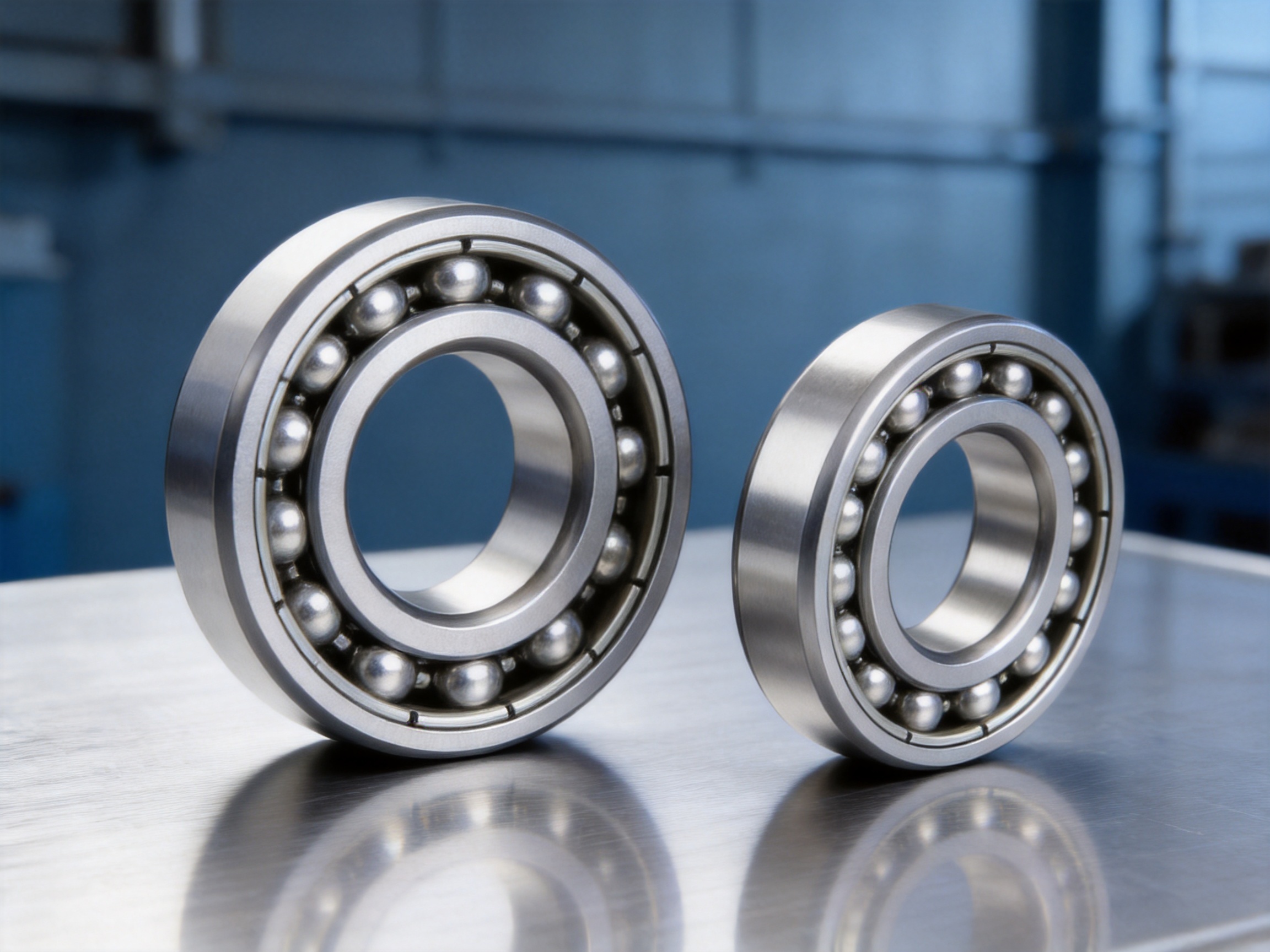
6901ZZ Compact Ball Bearing for Fans, Motors and Electronic Devices

Advantages Compared with Less Suitable Alternatives

Compact Dimensions Compared with Larger Bearing Series

A larger bearing may offer greater capacity, but it can also increase housing size, shaft length, rotating mass, and material consumption. In applications where loads are modest, selecting a larger bearing than necessary can create unnecessary design costs. The 6901ZZ provides a compact alternative for systems that require a 12 mm shaft interface and moderate load support.

Its 24 mm outside diameter is particularly useful where the housing wall, motor frame, or supporting bracket has restricted radial space. The 6 mm width also reduces axial packaging requirements. These characteristics can help manufacturers develop lighter and more compact products without immediately moving to a less robust miniature bearing size.

Metal Shields Compared with Open Bearings

An open bearing has no protective shield, which can make it vulnerable to dust, fibers, and particles generated by nearby components. Open bearings may be suitable inside clean, sealed housings where lubricant circulation or easy relubrication is important. In many practical products, however, the bearing is exposed to the general internal atmosphere of the machine.

The two metal shields of the 6901ZZ form a barrier around the rolling elements. They do not create the same contact sealing effect as rubber seals, but they can reduce contamination entry while maintaining a relatively low-friction configuration. This is useful in fans, small motors, electronic devices, and appliances where operating efficiency and quiet rotation are important.

Low-Noise Operation Compared with Poorly Controlled Bearings

Noise and vibration are influenced by many factors, including raceway accuracy, ball roundness, internal clearance, surface finish, lubrication, shield alignment, shaft fit, housing fit, and installation quality. A bearing with poor dimensional consistency can produce irregular rotation, elevated vibration, and unwanted acoustic output.

The 6901ZZ is produced through controlled manufacturing and inspection procedures intended to support stable rotation. Proper heat treatment helps the rings and other bearing components maintain their mechanical properties. Precision grinding and controlled assembly help produce a more consistent rolling path. When the bearing is correctly matched to its shaft and housing, these factors contribute to smooth operation.

Practical Protection Compared with Unshielded Miniature Bearings

Very small unshielded bearings can be sensitive to surrounding dust and lubricant migration. In an electronic device or miniature motor, maintenance access may be limited, making early contamination difficult to correct. A double-shielded bearing can reduce the likelihood of such problems in ordinary clean or moderately dusty environments.

The ZZ configuration is also useful when the customer wants a factory-lubricated bearing that can be installed without a separate relubrication procedure. This can simplify assembly and help reduce maintenance requirements. The appropriate grease type and expected service life should still be evaluated according to speed, temperature, load, and environmental conditions.

Material Selection and Mechanical Reliability

GCr15 bearing steel is the standard material specified for the 6901ZZ. This chromium alloy bearing steel is widely selected for rolling bearings because it can achieve high hardness after heat treatment while retaining the toughness needed for normal bearing service. Its material characteristics support resistance to rolling-contact fatigue, wear, and permanent deformation.

Bearing rings are exposed to repeated stress as the balls pass over the raceways. Even when the external load is moderate, the contact pressure between a ball and a raceway is concentrated in a small area. The material must therefore withstand many repeated cycles without excessive wear or early surface damage.

High-quality bearing steel also helps support dimensional consistency during grinding and finishing. If the material is unstable or contains excessive inclusions, the risk of premature fatigue, noise, and surface defects can increase. For this reason, material selection is an important foundation of bearing quality rather than a simple specification detail.

The use of GCr15 does not mean that every application has identical performance. Bearing life depends on actual load, speed, lubrication, temperature, alignment, contamination, installation, and storage. Nevertheless, the material provides a well-established basis for producing a dependable standard deep groove ball bearing.

Heat Treatment and Its Role in Service Life

Heat treatment is one of the most important stages in bearing manufacturing. The process is used to develop the required hardness and structural properties in the bearing rings. A controlled heat-treatment cycle may include heating, holding, quenching, and tempering stages, with each stage affecting hardness, toughness, dimensional stability, and resistance to fatigue.

If the material is under-treated, the raceways may experience excessive wear or indentation. If it is treated too aggressively or inadequately tempered, the components may become more vulnerable to brittleness or dimensional changes. Consistent process control is therefore essential for miniature bearings, where small geometric deviations can have a noticeable effect on running performance.

For the 6901ZZ, strict heat treatment supports the long-term stability of the raceways under light to medium loads. It also helps the finished rings withstand repeated contact stress from the rolling elements. The result is a bearing designed to maintain smooth rotation over an extended service period when operating conditions remain within the intended range.

Heat treatment must be followed by appropriate grinding and inspection. Even a properly hardened ring requires accurate raceway geometry and surface finishing. The interaction between material properties and machining precision determines how effectively the bearing performs in real equipment.

Precision Manufacturing Process

The manufacturing process for a miniature deep groove ball bearing involves multiple controlled stages. Each stage influences the final performance, and quality cannot be created through final inspection alone. A reliable production system combines suitable raw materials, stable equipment, trained operators, process documentation, measurement, cleaning, assembly control, and testing.

Raw Material Preparation

Production begins with bearing steel selected for chemical consistency and mechanical performance. Steel is formed into suitable ring blanks, and the blanks are prepared for turning and subsequent heat treatment. At this point, dimensional allowances are carefully considered because the components will change during hardening and later finishing operations.

Material identification and batch control help manufacturers trace components through production. Traceability is valuable for quality analysis, process improvement, and customer support. It also allows production teams to compare performance across different material lots and identify the source of any abnormal result.

Turning and Forming

Turning operations create the basic geometry of the inner and outer rings. The bore, outside diameter, side faces, and preliminary raceway profiles are formed with controlled machining allowances. Accurate turning provides a stable foundation for heat treatment and final grinding.

For a bearing as compact as the 6901ZZ, process stability is especially important. Small errors in the bore or outside diameter can affect shaft fit, housing fit, internal clearance, and rotation. Controlled tooling and regular measurement help maintain the required geometry throughout production.

Heat Treatment

After preliminary machining, the rings undergo heat treatment to achieve the required hardness and structural characteristics. Heating, quenching, and tempering parameters are controlled according to the material and component dimensions. The purpose is to provide a raceway capable of withstanding repeated rolling contact while limiting distortion.

Post-treatment inspection can include hardness verification, dimensional checks, and examination for visible defects. The components then proceed to grinding and finishing operations, where the final dimensions and raceway quality are established.

Grinding and Superfinishing

Grinding is used to achieve the precise dimensions and geometry required for bearing assembly. The inner and outer ring raceways must be accurately positioned relative to the bore, outside diameter, and side faces. Errors in roundness, waviness, or alignment can increase vibration and noise.

Fine finishing improves the raceway surface and supports stable contact between the balls and rings. A smooth raceway helps reduce friction, limits localized stress, and supports more consistent lubricant behavior. For small bearings used in motors and electronic devices, these details can have a direct effect on acoustic performance.

Ball Selection and Component Matching

The balls must be selected and matched according to size, roundness, surface quality, and grade requirements. Consistency among the balls helps distribute load evenly and reduces irregular motion. The number and arrangement of balls are determined by the bearing design and required performance characteristics.

Component matching is important because the inner ring, outer ring, balls, cage, shields, and lubricant must work together as one assembly. The goal is not simply to produce individual parts within broad dimensional limits, but to create a bearing with controlled internal behavior and repeatable rotation.

Cage Installation and Lubrication

The cage separates the balls and guides them around the raceways. Correct cage assembly helps maintain ball spacing, reduce sliding contact, and support smooth operation. Lubricant is then applied in a controlled quantity suitable for the intended bearing configuration.

Too little lubricant may lead to increased friction, heat, and wear. Too much lubricant can increase churning resistance and operating temperature, particularly at higher speeds. Controlled filling helps provide a consistent balance between protection and efficiency.

Metal Shield Installation

The two metal shields are installed on opposite sides of the bearing. Their position and clearance must be controlled so that the shields protect the internal components without contacting the rotating ring. Incorrect shield installation can create friction, noise, or damage during operation.

The ZZ design is a non-contact shielding arrangement. This configuration helps limit contamination entry while allowing the bearing to rotate with relatively low resistance. It is an appropriate choice for many clean and moderately dusty environments, although it should not be treated as a complete barrier against water or severe contamination.

Final Cleaning and Inspection

After assembly, bearings are cleaned and inspected. Inspection may involve dimensional measurement, visual examination, rotational testing, noise and vibration evaluation, and verification of shield installation. Advanced equipment can identify abnormal sound, excessive vibration, inconsistent torque, or other indicators of assembly or component problems.

Strict final testing is particularly important for miniature bearings because the products are often installed in equipment where replacement is time-consuming or costly. A consistent bearing reduces the risk of unexpected noise, unstable rotation, and premature maintenance.

Performance Characteristics of the 6901ZZ

Load Capacity

The listed dynamic load rating of the 6901ZZ is 2,340 N. Dynamic load rating is used as a reference for the bearing’s ability to withstand repeated rotating loads. It is not a universal operating limit and should not be interpreted as the maximum permissible load for every application.

Actual bearing life is influenced by the magnitude and direction of the load, rotational speed, lubrication, contamination, shaft and housing accuracy, temperature, and alignment. Engineers should calculate the expected load and life using recognized bearing-selection methods rather than selecting a bearing based only on its basic rating.

The static load rating is listed as 1,060 N. Static capacity is important when the bearing is stationary, starts and stops frequently, experiences shock loads, or operates at very low speed. Excessive static load can create permanent dents in the raceways, which may later produce noise and vibration during rotation.

Low Noise and Smooth Rotation

Small motors, fans, electronic devices, and household appliances often operate close to users. In these products, bearing noise can become a significant part of the overall acoustic output. The 6901ZZ is designed for stable rotation through controlled raceway geometry, consistent rolling elements, suitable lubrication, and careful assembly.

Noise performance also depends on the surrounding product. A rigid or poorly aligned housing can transfer vibration into the frame. An oversized interference fit can reduce internal clearance, while excessive looseness can permit shaft movement. Electrical imbalance, fan blade imbalance, gear mesh, and resonance may also create noise that is not caused by the bearing itself.

For this reason, the bearing should be evaluated as part of the complete assembly. Proper shaft and housing tolerances, accurate alignment, balanced rotating parts, and correct installation are essential to achieving the quiet performance expected from a precision miniature bearing.

Friction and Rotational Efficiency

The compact deep groove design and non-contact metal shields support efficient rotation in applications where low friction is important. This is useful for small fans, miniature motors, electronic mechanisms, and portable equipment that may have limited power available.

Friction is affected by radial load, axial load, lubricant quantity, rotational speed, temperature, internal clearance, shield clearance, and mounting conditions. The bearing should therefore be operated within the conditions established during equipment design and testing.

Service Life

The service life of a 6901ZZ bearing depends on the complete operating environment. A clean, correctly aligned, properly lubricated bearing carrying a moderate load can provide long service. By contrast, contamination, excessive preload, shaft misalignment, impact loading, high temperature, insufficient lubrication, or incorrect storage can shorten life.

The bearing’s double metal shields help preserve the internal lubricant and reduce the entry of ordinary airborne dust. This can lower maintenance requirements in equipment where bearing access is limited. However, shielded bearings should still be protected from direct water, corrosive vapors, and heavy particle contamination through suitable equipment design.

Applications

Fans and Ventilation Devices

The 6901ZZ is suitable for many compact fans and ventilation assemblies using a 12 mm shaft arrangement. Its narrow width supports slim fan structures, while the shielded configuration helps protect the lubricant from ordinary dust inside the equipment.

Fan applications require attention to balance and alignment. Even a high-quality bearing cannot compensate for an unbalanced impeller or a bent shaft. The housing should be rigid, the shaft seat should be clean and accurately finished, and the bearing should be installed without impact damage.

Miniature Motors

Small motors used in appliances, instruments, office equipment, and automation systems often require bearings that combine low friction with stable rotation. The 6901ZZ can support rotor shafts in compact motor designs where the expected load is within the bearing’s capacity.

Motor designers should consider radial magnetic forces, belt or gear loads, axial forces, rotor weight, speed, temperature, and electrical operating conditions. Bearing selection should also account for current passage and electrical erosion risks in applications involving variable-frequency drives or unusual electrical environments.

Household Appliances

Household appliances commonly contain small motors, fans, pumps, actuators, and transmission mechanisms. The 6901ZZ can be used in suitable internal assemblies where the operating temperature, load, speed, and contamination level are compatible with a double-shielded bearing.

Its standardized size can simplify service replacement and help appliance manufacturers maintain a consistent bill of materials. The bearing’s compact design also supports efforts to reduce appliance size and weight without abandoning a robust rolling-bearing arrangement.

Small Power Tools

Compact power tools may include rotating spindles, cooling fans, gear trains, and auxiliary mechanisms. The 6901ZZ can be considered for light to medium load positions, especially where a narrow bearing envelope is valuable.

Power-tool designers must evaluate vibration, intermittent shock, high acceleration, dust exposure, and operating temperature. Tools that generate large amounts of abrasive dust may require external seals or additional protective structures. The bearing should be selected only after the complete duty cycle has been reviewed.

Electronic Devices and Precision Equipment

Electronic equipment often has strict requirements for size, noise, energy consumption, and reliability. The 6901ZZ can support compact rotating components in devices where a 12 mm shaft interface is appropriate.

Examples may include small cooling systems, compact drive mechanisms, positioning devices, instrument assemblies, and precision transmission systems. The low-profile geometry allows designers to preserve internal space for circuit boards, wiring, sensors, and other components.

Mechanical Transmission Systems

Small gears, rollers, pulleys, and shafts can use deep groove ball bearings to reduce friction and maintain alignment. The 6901ZZ can be used in transmission mechanisms where the radial and axial loads remain within suitable limits.

When gears or pulleys are used, the resulting radial load should be calculated carefully. Belt tension, gear force, overhung load, and shock during starting or stopping can produce loads greater than the nominal equipment rating. Correct bearing spacing and shaft support are also important for avoiding excessive bending.

Installation Recommendations

Correct installation is essential to realizing the advantages of a precision bearing. Before installation, verify the bearing number, dimensions, shield configuration, and application requirements. The shaft and housing should be clean, free from burrs, and checked for damage or distortion.

The bearing should be pressed through the ring that receives the installation force. If the bearing is being fitted onto a shaft, force should be applied to the inner ring. If it is being fitted into a housing, force should be applied to the outer ring. Applying force through the balls can damage the raceways and create early noise or fatigue.

Impact tools, hammers, and improvised installation methods should be avoided unless an appropriate bearing installation tool is used. Even small impact marks can create permanent indentations in the raceways. Such damage may not be visible during assembly but can lead to vibration and shortened service life.

Excessive interference can reduce internal clearance and increase operating temperature. Insufficient interference can allow creep between the bearing ring and mating component. Shaft and housing tolerances should therefore be selected according to load direction, speed, temperature, material, and mounting arrangement.

Alignment should be checked after assembly. Misalignment can increase contact stress and produce uneven loading across the raceways. In paired-bearing arrangements, the spacing and relative position of the bearings should be designed to support the shaft without creating unnecessary preload.

After installation, the assembly should be rotated by hand when possible. Abnormal roughness, binding, scraping, or excessive looseness may indicate contamination, incorrect fit, shield interference, damaged components, or misalignment. Early inspection can prevent the bearing from being placed into service under abnormal conditions.

Lubrication and Environmental Considerations

The 6901ZZ is normally supplied with factory-applied grease suitable for its intended general operating conditions. The grease reduces rolling and sliding friction, protects surfaces, and helps limit wear. The correct lubricant quantity is important because both under-lubrication and over-lubrication can create problems.

Under-lubrication may produce metal-to-metal contact, elevated temperature, and accelerated wear. Over-lubrication may increase churning, torque, and heat generation. For many sealed or shielded miniature bearings, relubrication is not practical, so product selection should consider the expected service life from the beginning.

Temperature has a direct effect on grease performance, material stability, and internal clearance. Applications with elevated temperatures should be reviewed carefully. A standard bearing may not be suitable for continuous high-temperature operation without a special lubricant, heat-resistant cage, or modified internal design.

The metal shields provide useful protection against ordinary dust but are not equivalent to rubber contact seals. For applications exposed to water spray, condensation, mud, abrasive powder, or chemical contamination, additional external shielding or a different bearing configuration may be necessary.

Storage conditions also affect bearing quality. Bearings should remain in their original packaging until use and should be kept in a clean, dry environment with stable temperature and humidity. Prolonged exposure to moisture can cause corrosion, while careless handling can damage the shields or contaminate the lubricant.

Quality Management and Manufacturing Strengths

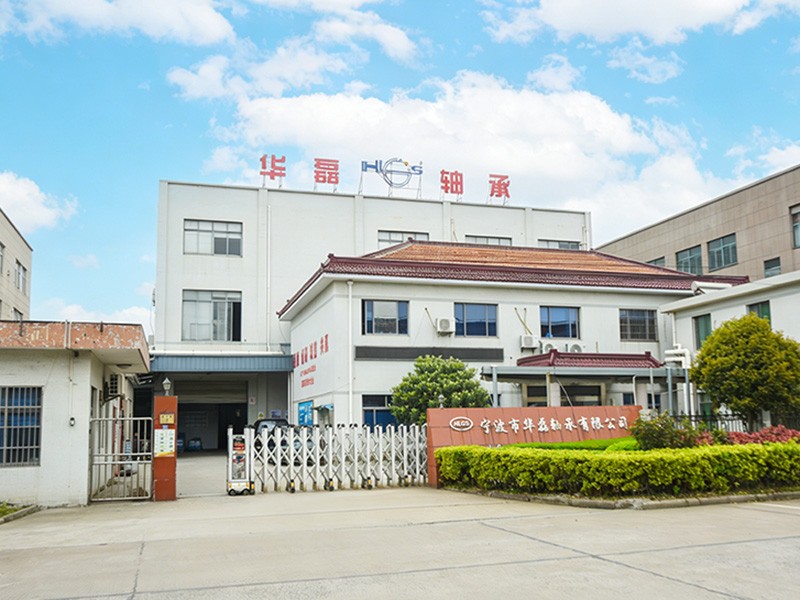
Ningbo Zhenhai Hualei Bearing Co., Ltd. was established in 2001 and specializes in miniature deep groove ball bearings. Its long-term focus on this product category supports accumulated experience in material selection, bearing production, quality control, application understanding, and customer service.

The company manufactures a broad range of deep groove ball bearings under the HLGS registered trademark. Its products are used in food machinery, household appliances, automotive electromechanical systems, electric tools, mechanical transmission devices, motors, and other equipment.

For the 6901ZZ, this manufacturing specialization is valuable because miniature bearings require close attention to dimensional accuracy, surface quality, cleanliness, internal clearance, shield installation, lubrication, noise, and vibration. A manufacturer with experience in small bearings can build process controls around these specific requirements rather than treating miniature products as merely reduced versions of larger bearings.

The company follows ISO 9001 and ISO/TS 16949 management systems. These management frameworks support documented procedures, process monitoring, corrective action, traceability, customer-oriented quality control, and continual improvement. Certification alone does not determine the performance of an individual bearing, but a structured quality system provides an important foundation for repeatable manufacturing.

Advanced testing equipment is used to inspect products before delivery. Testing can support evaluation of dimensions, rotation, noise, vibration, hardness, and other quality characteristics. Consistent inspection helps identify process deviations and reduces the risk of nonconforming products entering customer production lines.

The company also established Ningbo Hotex Mechanical & Electrical Technology Co., Ltd. in 2016 as its import and export department. This structure supports international communication, order coordination, technical discussions, and logistics services for customers in different markets.

OEM and ODM services provide additional flexibility for customers with application-specific needs. While the 6901ZZ is based on a standard size and configuration, professional support may be useful when customers need packaging customization, private labeling, special order quantities, documentation, or evaluation of alternative bearing configurations.

Benefits for Distributors and Industrial Buyers

The standard 6901ZZ designation simplifies product identification. Buyers can specify the bearing number together with the required quantity, packaging, quality documentation, and application conditions. This improves communication between manufacturers, distributors, maintenance teams, and equipment builders.

For distributors, the product’s compact size and broad application range can make it a practical inventory item. One bearing type may serve several equipment categories, including small motors, fans, appliances, tools, and electronic mechanisms. This can reduce the number of different items required for routine replacement programs.

For OEM customers, stable production and technical communication are important. A bearing supplier should be able to discuss load, speed, temperature, installation, lubrication, noise, and environmental factors instead of focusing only on nominal dimensions. This application-based approach helps reduce the risk of selecting a bearing that fits physically but fails to meet performance requirements.

For maintenance customers, dependable packaging, clear bearing identification, and repeatable quality are equally important. A replacement bearing that matches the original dimensions and configuration can reduce downtime and simplify repair procedures. Nevertheless, maintenance teams should investigate the cause of the original bearing failure before installing a replacement.

How to Select the Correct 6901ZZ Bearing

Begin by confirming the shaft diameter, housing diameter, and available axial width. The 6901ZZ has a 12 mm bore, 24 mm outside diameter, and 6 mm width. These dimensions must match the mating components and should not be assumed from appearance alone.

Next, determine the load type. Deep groove ball bearings primarily support radial loads but can also accommodate axial loads in both directions within appropriate limits. If the application has a large axial load, heavy shock, severe misalignment, or high moment load, another bearing type or arrangement may be more appropriate.

Rotational speed must also be evaluated. Speed limits depend on lubrication, internal clearance, cage design, load, heat dissipation, shield arrangement, and mounting conditions. The bearing should be tested in the actual assembly when acoustic output, temperature, or energy efficiency is critical.

Environmental conditions should be reviewed in detail. Consider dust, moisture, water spray, chemicals, abrasive particles, vacuum, temperature variation, and cleaning procedures. The ZZ shield is suited to many ordinary indoor conditions but may not provide sufficient protection in harsh environments.

Finally, review installation and maintenance requirements. If the bearing will be difficult to access after assembly, factory lubrication and double shielding may be especially beneficial. If frequent relubrication is required, an open or specially serviceable bearing may be preferable.

Failure Prevention

Premature bearing failure often results from causes outside the bearing’s basic manufacturing quality. Contamination is one of the most common causes. Dust, metal particles, fibers, and moisture can enter during storage, installation, or operation. Clean work areas and protective equipment design are therefore essential.

Improper mounting is another major cause. Pressing on the wrong ring, using excessive force, striking the bearing, or misaligning the shaft can damage the raceways and balls. Installation tools should be selected for the specific fit and bearing size.

Overloading can lead to fatigue, deformation, and excessive heat. Loads from belts, gears, fans, couplings, and external structures should be calculated rather than estimated casually. Shock loads during starting, stopping, impact, or tool use should also be considered.

Insufficient or unsuitable lubrication may cause wear, discoloration, noise, and seizure. Conversely, excessive lubricant can create heat and drag. The specified lubricant should not be mixed with an incompatible grease without technical evaluation.

Misalignment and housing distortion can create uneven raceway loading. This may cause localized wear and vibration even when the nominal radial load is low. Shaft shoulders, housing seats, spacers, and retaining features should be designed to support the bearing without twisting or distorting the rings.

Electrical current can also damage bearings in certain motor applications. If current passes through the rolling contacts, electrical discharge may create fluting or pitting on the raceways. The equipment designer should evaluate grounding, insulation, drive systems, and any need for electrically insulated bearing solutions.

Inspection and Maintenance

During routine maintenance, listen for abnormal noise and check for changes in vibration, temperature, or rotational resistance. A gradual increase in noise may indicate contamination, lubricant deterioration, raceway damage, or alignment problems.

Visual inspection can identify damaged shields, corrosion, grease leakage, or evidence of overheating. A damaged metal shield should not be ignored because it may allow contamination to enter the bearing or cause interference with the rotating ring.

When replacing a bearing, clean the surrounding shaft and housing before installation. Inspect the mating surfaces for fretting, wear, burrs, looseness, and distortion. If the shaft or housing is damaged, installing a new bearing alone may not resolve the problem.

Record operating conditions and failure symptoms whenever possible. Information about speed, load, temperature, installation method, service duration, and contamination can help identify the root cause and improve future bearing selection.

Technical Positioning of the 6901ZZ

The 6901ZZ is best understood as a compact, general-purpose, double-shielded deep groove ball bearing for light to medium duty. Its strengths are its small envelope, recognized dimensions, practical load ratings, low-maintenance shield arrangement, and suitability for stable rotation in many compact devices.

It offers a balanced alternative to open bearings when basic dust protection is required, and it offers a more space-efficient option than larger bearing series when the load does not justify a larger envelope. Its GCr15 steel construction and controlled heat treatment support dependable rolling-contact performance.

The bearing is particularly attractive when equipment designers need a combination of compactness, low noise, standard replacement availability, and efficient operation. It is not a universal solution for heavy loads, extreme temperatures, severe contamination, or significant misalignment. Correct application engineering remains essential.

Frequently Asked Questions

What do the numbers in 6901ZZ mean?

The “6901” identifies the bearing size series, which corresponds to a 12 mm bore, 24 mm outside diameter, and 6 mm width. The “ZZ” suffix indicates double metal shields, with one shield on each side of the bearing.

Is the 6901ZZ a sealed bearing?

The 6901ZZ is a double-shielded bearing rather than a contact-sealed bearing. Its metal shields help reduce dust entry and retain lubricant, but they do not provide the same level of water and contamination protection as rubber contact seals.

What material is used for the 6901ZZ?

The specified material is GCr15 bearing steel. This material is widely used for bearing rings and rolling components because it can provide high hardness, wear resistance, and resistance to repeated rolling-contact fatigue after suitable heat treatment.

What are the load ratings?

The listed dynamic load rating is 2,340 N, and the listed static load rating is 1,060 N. These are reference ratings used in bearing calculations. Actual operating capacity and service life depend on load direction, speed, lubrication, temperature, alignment, contamination, and installation.

Can the 6901ZZ be used in a small electric motor?

Yes, it can be used in suitable small electric motors when the shaft size, load, speed, temperature, electrical conditions, and environmental protection requirements are compatible with the bearing. Motor designers should evaluate rotor loads, vibration, heat generation, and any risk of electrical current passing through the bearing.

Can it be used in a fan?

The bearing is suitable for many compact fan designs using a 12 mm shaft arrangement. Fan balance, shaft straightness, housing accuracy, and correct installation are important because imbalance or misalignment can create noise and reduce bearing life.

Does the 6901ZZ require relubrication?

In many general applications, the bearing is supplied with factory-applied grease and is intended to operate without routine relubrication. The need for relubrication depends on speed, temperature, load, contamination, and equipment design. Relubrication should not be performed without confirming lubricant compatibility and the bearing’s service requirements.

How should the bearing be installed?

Apply installation force only to the ring that receives the fit. Use force on the inner ring when mounting onto a shaft and on the outer ring when mounting into a housing. Avoid impact through the balls, contamination, shield damage, and excessive force.

What environments are suitable for a ZZ-shielded bearing?

The 6901ZZ is suitable for many clean or moderately dusty indoor environments, including motors, fans, appliances, electronic devices, and compact mechanisms. Applications involving direct water, heavy abrasive dust, corrosive chemicals, or severe contamination may require additional protection or a different sealing arrangement.

What makes this bearing suitable for limited installation space?

Its 6 mm width and 24 mm outside diameter provide a compact radial and axial envelope, while the 12 mm bore supports a practical small-shaft arrangement. This combination helps designers reduce housing size and fit the bearing into slim mechanisms.

Why is quality inspection important for miniature bearings?

Small dimensional errors can significantly affect internal clearance, fit, noise, vibration, and service life. Inspection of dimensions, hardness, rotation, noise, vibration, shields, and assembly quality helps support consistent performance from batch to batch.

Can the 6901ZZ be used as a replacement for another bearing?

It can replace another bearing only when the dimensions, shield arrangement, load ratings, speed, lubrication, and application requirements are compatible. The original bearing number and equipment documentation should be checked before replacement.

Conclusion

The 6901ZZ is a compact double-shielded deep groove ball bearing designed for reliable rotation in applications where space, noise, and maintenance requirements are important. Its 12×24×6 mm dimensions make it suitable for slim assemblies, while its GCr15 bearing steel construction, controlled heat treatment, precision finishing, and inspection support stable performance.

The bearing’s double metal shields help reduce dust entry and retain lubricant, making it a practical choice for many small motors, fans, household appliances, electronic devices, precision mechanisms, power tools, and transmission systems. Its 2,340 N dynamic load rating and 1,060 N static load rating provide useful capacity for light to medium operating conditions when the bearing is correctly selected.

Its strongest advantages are compact packaging, standard dimensions, low-maintenance protection, efficient rotation, and broad application flexibility. These benefits are supported by the manufacturer’s long experience in miniature deep groove ball bearings, structured quality management, advanced testing, and OEM and ODM capabilities.

For the best results, users should evaluate the complete application rather than selecting a bearing based only on size. Load, speed, temperature, lubrication, contamination, alignment, shaft and housing fits, installation method, and maintenance access all influence bearing performance. When these factors are properly controlled, the 6901ZZ can provide a dependable and economical solution for compact rotating equipment.

References

ISO 15, Rolling Bearings—Radial Bearings—Boundary Dimensions, International Organization for Standardization.

ISO 281, Rolling Bearings—Dynamic Load Ratings and Rating Life, International Organization for Standardization.

ISO 76, Rolling Bearings—Static Load Ratings, International Organization for Standardization.

ISO 9001, Quality Management Systems—Requirements, International Organization for Standardization.

ISO/TS 16949, Quality Management Systems for Automotive Production and Relevant Service Part Organizations, International automotive quality management standard.

SKF Rolling Bearings Catalogue, principles of bearing selection, lubrication, mounting, and maintenance.

NSK Rolling Bearings Technical Information, deep groove ball bearing design and application guidance.

Product technical information for the 6901ZZ compact deep groove ball bearing, including dimensions, material, shielding arrangement, and load ratings.

Product: 6901ZZ Compact Ball Bearing for Fans, Motors and Electronic Devices


Recent Articles