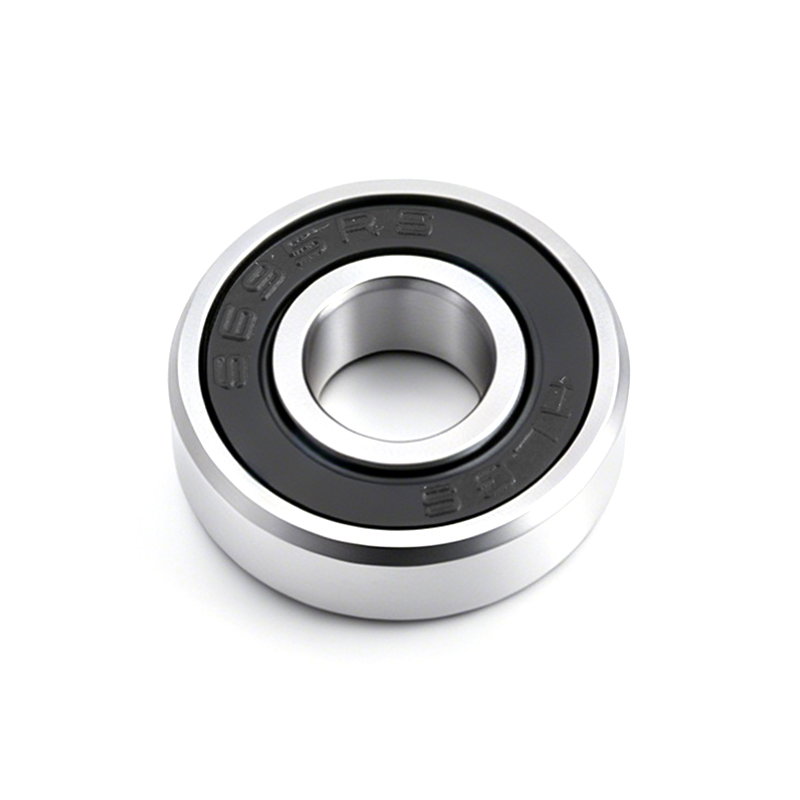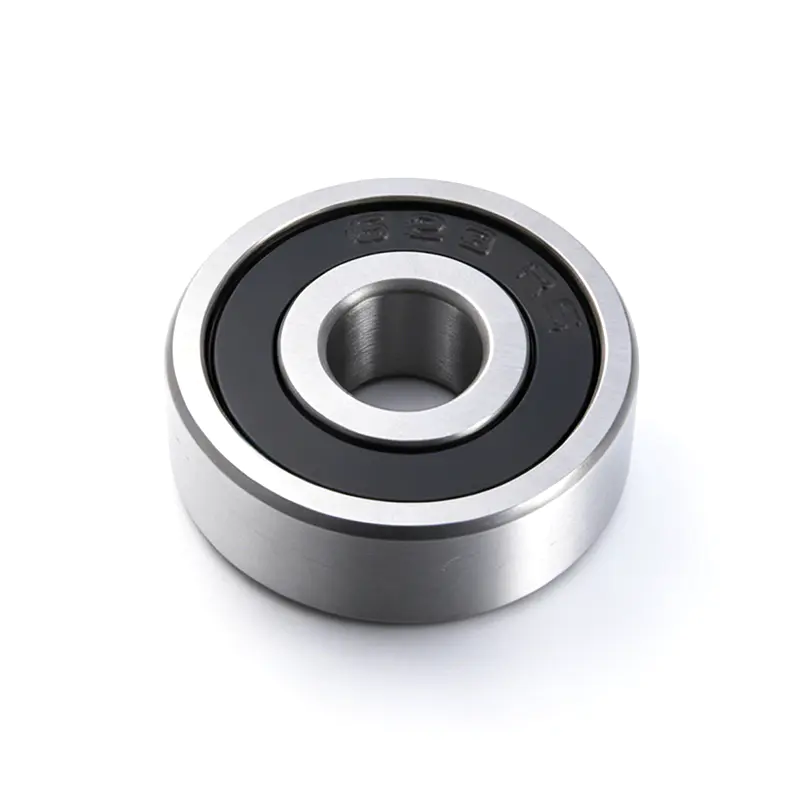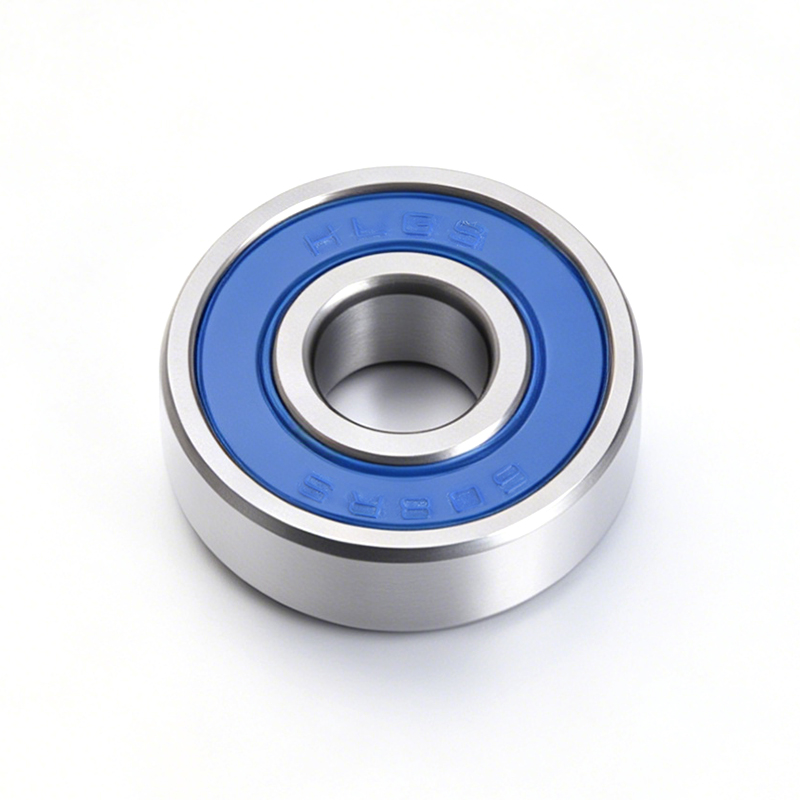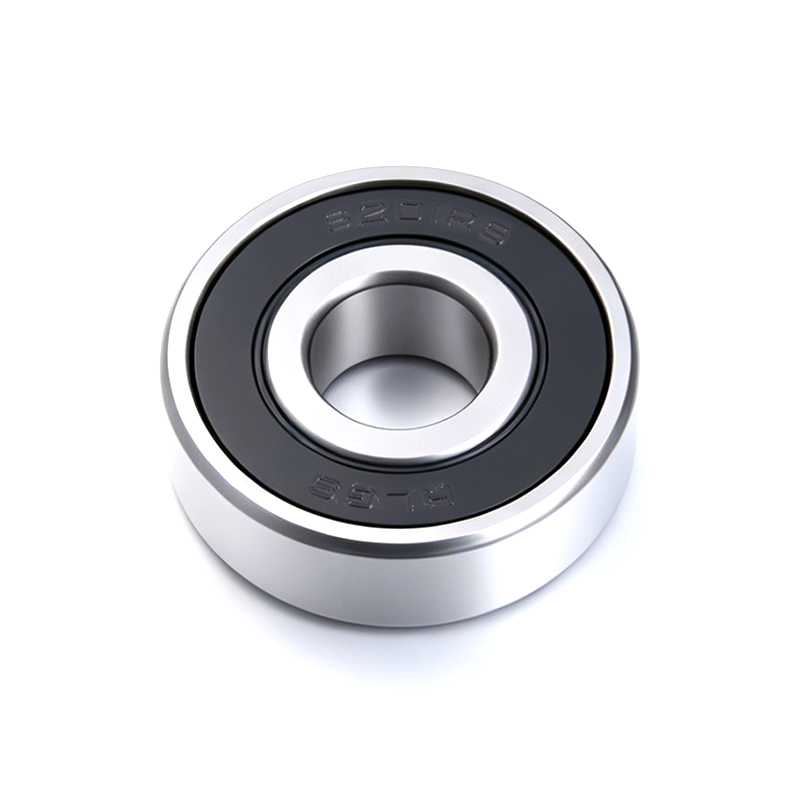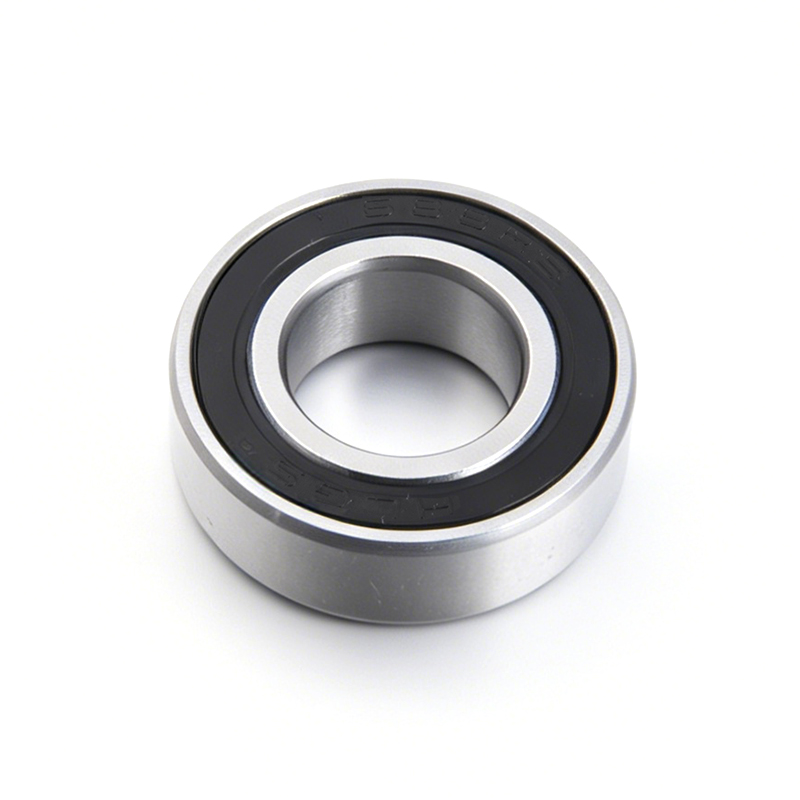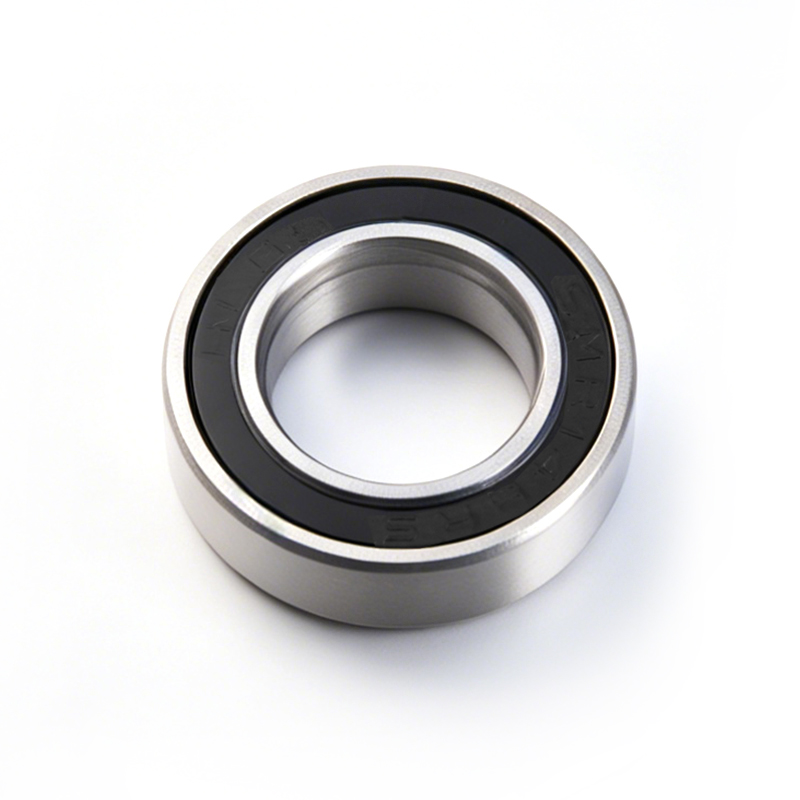
The S695-2RS is a miniature stainless steel deep groove ball bearing developed for compact equipment, light-duty machinery, and precision applications where installation space is limited. With a 5 mm bore, 13 mm outside diameter, and 4 mm width, this bearing provides a practical combination of small size, corrosion resistance, smooth rotation, and dependable service life.
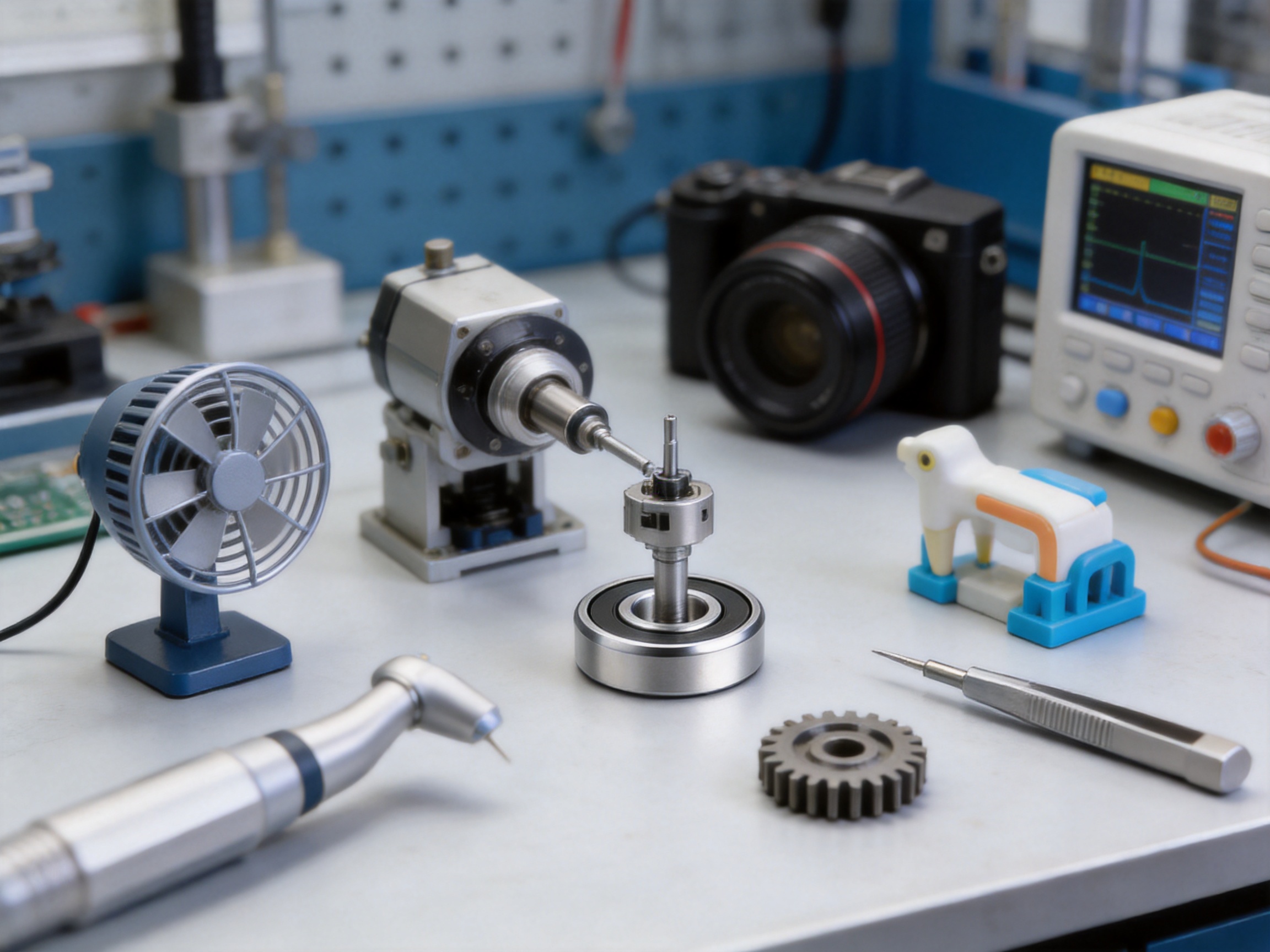
Miniature bearings are often installed in products where every millimeter matters. Small fans, toys, micro motors, camera modules, dental tools, electronic devices, precision instruments, and household appliances all require bearing components that can operate reliably without adding unnecessary size or weight. The S695-2RS is designed for these requirements while maintaining the familiar operating advantages of the deep groove ball bearing design.
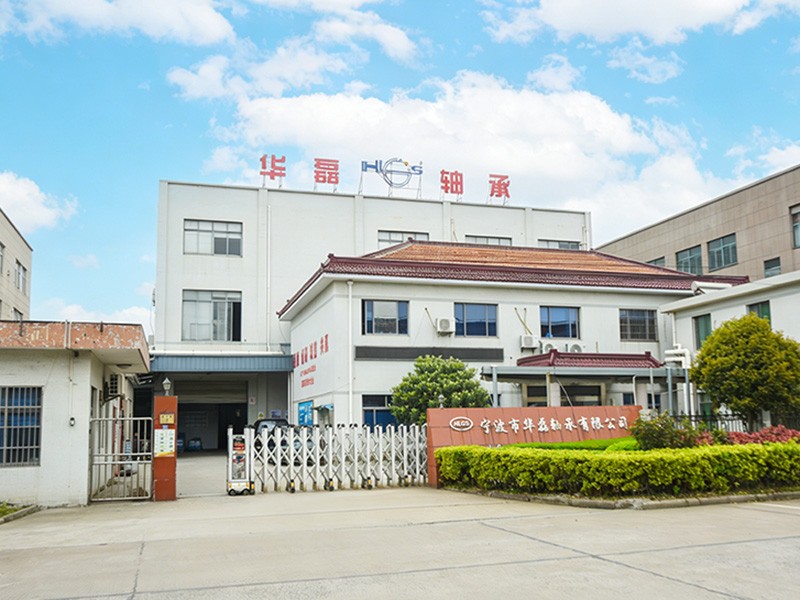
Manufactured by Ningbo Zhenhai Hualei Bearing Co., Ltd., the product forms part of a broader range of miniature deep groove ball bearings produced for industrial, commercial, and OEM applications. The company has specialized in miniature bearing production since 2001 and supports customers with standard products, customization, OEM services, and ODM cooperation.
The S695-2RS belongs to the miniature stainless steel bearing family. Its compact dimensions make it suitable for mechanisms that require a small radial bearing with low installation requirements. The bearing is particularly useful when a conventional carbon steel bearing may be exposed to humidity, occasional moisture, cleaning conditions, or an environment where corrosion resistance is important.
The bearing has a nominal bore diameter of 5 mm. This bore is compatible with small shafts used in micro motors, miniature transmissions, fan assemblies, precision mechanisms, and compact rotating components. The 13 mm outside diameter gives the bearing a relatively small external envelope, while the 4 mm width helps designers reduce axial space consumption.
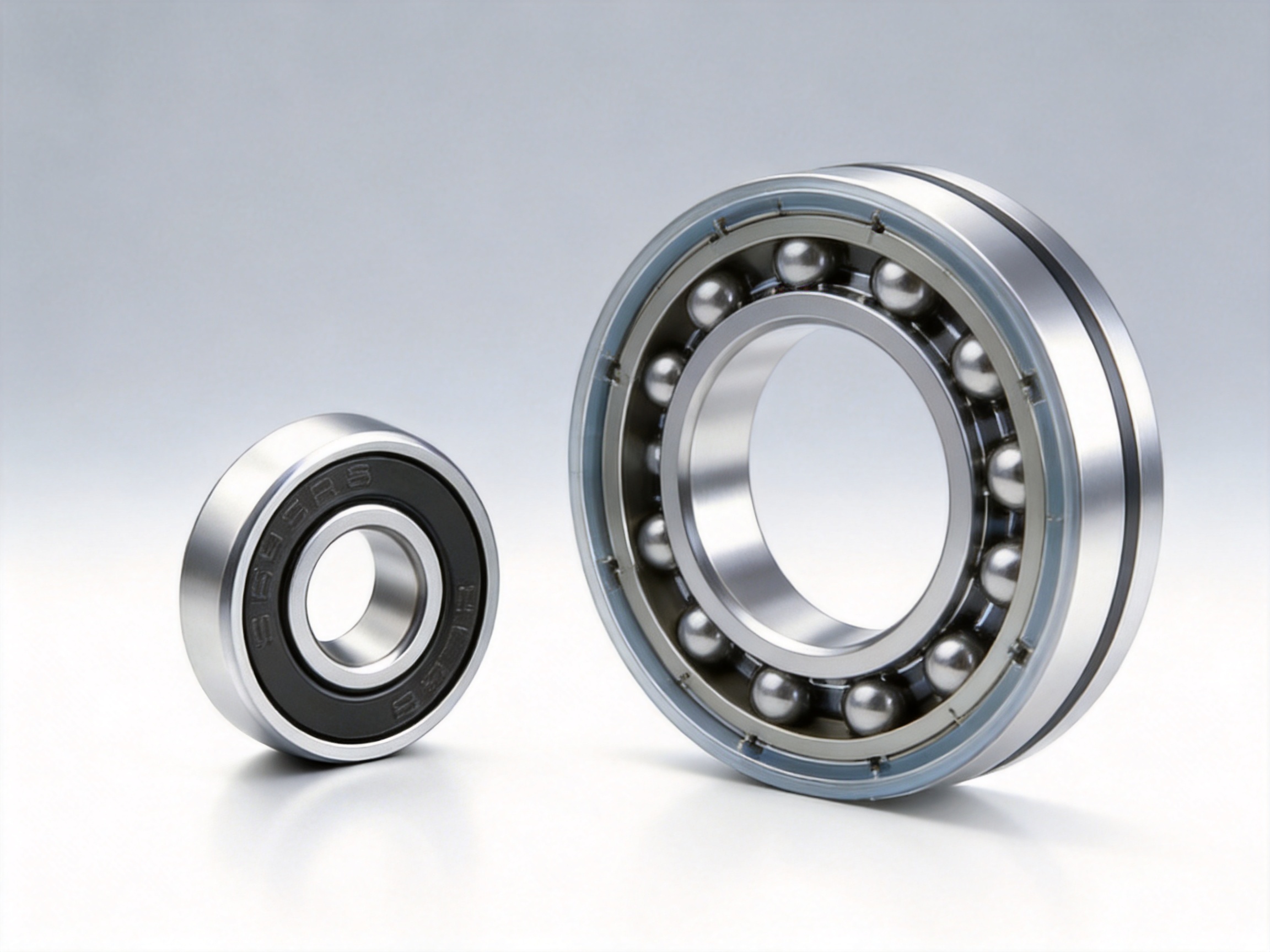
Its deep groove raceway geometry is intended primarily for radial loads, although deep groove ball bearings can also accommodate limited axial loads depending on the operating conditions, fit, speed, lubrication, and overall assembly design. This versatility is one reason the deep groove configuration remains one of the most widely used bearing types in mechanical equipment.
| Parameter | Specification |
| Bearing number | S695-2RS |
| Bearing type | Miniature stainless steel deep groove ball bearing |
| Bore diameter | 5 mm |
| Outside diameter | 13 mm |
| Width | 4 mm |
| Specified sealing designation | 2RS product designation; supplied information also identifies double metal shields as ZZ |
| Material | Stainless steel, identified as 440C/AISI 304 in the supplied specification |
| Dynamic load rating, Cr | 550 N |
| Static load rating, Cor | 220 N |
| Approximate weight | 0.002 kg |
Because the supplied technical information uses both the S695-2RS designation and the description “double metal shields (ZZ),” purchasers should confirm the final sealing configuration before ordering. In industry terminology, “2RS” commonly refers to two contact rubber or elastomer seals, while “ZZ” commonly refers to two non-contact metal shields. The correct designation can influence friction, contamination protection, speed capability, lubrication retention, and installation suitability. Technical confirmation is therefore recommended for production orders.
A miniature bearing may appear simple because of its small physical size, but its operating requirements can be demanding. Small bearings often rotate at relatively high speeds, work inside compact housings, and have less available space for heat dissipation. A small error in shaft alignment, fit, cleanliness, lubrication, or handling can have a significant effect on performance.
The selection of a miniature bearing should consider more than the bore and outside diameter. Engineers should evaluate the expected radial and axial loads, rotational speed, operating temperature, humidity, exposure to chemicals, vibration, noise requirements, shaft and housing tolerances, installation method, and desired service life.
The S695-2RS offers a standardized compact geometry that simplifies the design process. Its dimensions are suitable for applications that need a 5 mm shaft interface and a 13 mm housing seat. Designers can use the product in new assemblies or as a replacement where the same dimensional envelope is required.
Stainless steel construction is another important selection factor. A bearing used in a humid environment or a product exposed to intermittent condensation may need more corrosion resistance than a standard bearing made entirely from conventional bearing steel. Stainless steel does not eliminate all corrosion risk, and material performance depends on the specific grade, surface condition, lubricant, contaminants, and environment. Nevertheless, it can provide a valuable additional level of protection for many light-duty applications.
The primary advantage of the S695-2RS is its compact 5 × 13 × 4 mm size. This small envelope makes it suitable for miniature assemblies in which a larger bearing would increase the housing size, add weight, or interfere with nearby components.
Compact bearings can help product designers reduce the size of motors, actuators, fans, toys, instruments, and portable devices. In equipment where multiple bearings are used, the low individual weight can also contribute to a lighter overall product. The approximate weight of 0.002 kg supports applications that require low moving mass.
Despite its small dimensions, the bearing provides published dynamic and static load ratings. The dynamic load rating is listed as 550 N, while the static load rating is listed as 220 N. These values offer a useful starting point for engineering calculations, although actual bearing life and safe operation depend on load direction, speed, lubrication, mounting conditions, temperature, contamination, and duty cycle.
The stainless steel material gives the bearing an advantage in applications where corrosion resistance is more important than the maximum load capacity normally associated with some conventional bearing steels. Stainless steel is frequently considered for equipment used in humid rooms, laboratory devices, small appliances, electronic products, and other environments where exposure to moisture may occur.
The supplied specification identifies stainless steel grades as 440C/AISI 304. These materials have different characteristics, so the exact material applied to the rings, balls, shields, or other components should be confirmed with the manufacturer for a particular order. Grade 440C is commonly associated with hardened stainless bearing components, while AISI 304 is widely used for corrosion-resistant hardware and components. The final material combination affects hardness, wear resistance, corrosion behavior, magnetic response, and load performance.
For customers comparing products from different suppliers, material traceability and clear material confirmation are important. A bearing described simply as “stainless steel” may not have the same properties as another bearing carrying the same general description. The manufacturing process, heat treatment, cleanliness, surface finish, and component quality are also essential to the final result.
The deep groove ball bearing structure is valued for its simple construction, relatively low friction, and ability to accommodate radial loads in a wide range of machinery. It is also capable of supporting limited axial loads in both directions, depending on the bearing size and operating conditions.
For miniature equipment, this versatility can reduce the number of specialized components required. One compact bearing may support a rotating shaft while also helping maintain axial positioning within the assembly. However, the axial loading limits should be evaluated carefully rather than assumed from the bearing type alone.
The deep groove design is also familiar to maintenance teams and equipment manufacturers. Standardized dimensions make replacement easier, and the bearing can be integrated into many common housing and shaft arrangements.
At approximately 0.002 kg, the S695-2RS contributes little mass to a rotating system. This characteristic is useful in small fans, toys, camera mechanisms, miniature motors, and portable devices. Lower rotating mass may support responsive operation and help designers control the total weight of the finished assembly.
Low weight also supports efficient logistics and inventory management. Manufacturers that purchase multiple bearing sizes can store compact products in relatively small spaces, while service organizations can keep replacement bearings available without a significant storage burden.
Miniature bearings are commonly used where smooth rotation and consistent mechanical support are required. The S695-2RS is suitable for precision instruments, electronic devices, camera modules, dental tools, and micro motors, provided that the operating conditions remain within the product’s intended range.
In these applications, bearing performance is influenced by more than nominal load capacity. Noise, vibration, torque, runout, cleanliness, seal or shield behavior, and dimensional consistency can all affect the final product. A bearing manufacturer with experience in miniature products is better positioned to address these requirements than a supplier focused only on large, general-purpose bearings.

S695-2RS Industrial Grade Bearing Is Suitable for Small Fans, Toys and Precision Tools
Small fans used in electronic equipment, ventilation modules, cooling devices, and household products require bearings that fit within a narrow motor housing. The 5 mm bore and 13 mm outside diameter of the S695-2RS make it suitable for compact fan designs that need dependable shaft support without a large bearing seat.
Fan performance can be affected by vibration, imbalance, dust, temperature, and continuous operating hours. Correct shaft alignment and proper installation are especially important because a small bearing can be sensitive to excessive misalignment or assembly force. The sealing or shielding configuration should also be selected according to whether the fan operates in a clean indoor environment or in a location where dust and moisture are present.
Toys, hobby mechanisms, robotic kits, and educational devices often use small motors, wheels, pulleys, and rotating joints. These products benefit from miniature bearings because compact components can improve movement and reduce friction compared with simple sliding interfaces.
The stainless steel construction may be useful where products are stored in variable environments or handled frequently. For toys intended for children, bearing installation must be fully enclosed and designed according to applicable product safety requirements. The bearing itself should never be treated as a substitute for proper guarding, secure assembly, or safety testing.
Micro motors are used in appliances, instruments, automation products, pumps, actuators, and small electronic systems. Their internal space is limited, and the bearing must support the rotor while maintaining acceptable friction and vibration characteristics.
The S695-2RS can serve as a compact radial support bearing in these assemblies. Engineers should evaluate motor speed, starting torque, operating temperature, current loading, rotor balance, and expected service life. High-speed motor applications may require a specific internal clearance, lubricant, cage design, or sealing arrangement, so final selection should be based on application data rather than dimensions alone.
Precision instruments may use miniature bearings in adjustment mechanisms, rotating sensors, compact drives, optical modules, and positioning components. Electronic devices may use them in miniature fans, moving mechanisms, and internal actuators.
Stainless steel can be an advantage when the instrument is used in a controlled but humid environment or when long-term surface appearance and corrosion resistance are important. Clean handling and suitable packaging are equally important because small particles can become significant contaminants in a miniature bearing.
Dental tools and compact medical-related equipment can require small bearings that operate smoothly and withstand frequent use. The S695-2RS may be considered for suitable light-duty mechanisms, but the complete equipment design must address sterilization, cleaning chemicals, speed, temperature, lubricant compatibility, and regulatory requirements.
Not every stainless steel bearing is automatically appropriate for direct clinical use or repeated sterilization. The equipment manufacturer must verify material compatibility and compliance with the relevant standards for the intended application. Where a bearing is installed in a dental handpiece or similar high-speed device, specialized high-speed bearing specifications may be required.
Camera modules and optical mechanisms benefit from compact bearings that take up little space and contribute to smooth, controlled movement. The bearing may be used in lens adjustment assemblies, rotating modules, miniature shutters, stabilizing mechanisms, or other precision components.
For optical products, low noise, low vibration, clean assembly, and stable torque can be particularly important. The selected seal or shield configuration should balance contamination protection against friction and rotational resistance.
Small household appliances may include compact motors, fans, mixers, pumps, and adjustment mechanisms. These products can experience humidity, temperature changes, vibration, and frequent start-stop operation.
The stainless steel design of the S695-2RS may help improve resistance to environmental exposure compared with a non-stainless alternative. However, the product should be matched to the actual duty cycle. Applications involving heavy loads, high temperatures, aggressive chemicals, or continuous water exposure may require a different bearing design or additional protective measures.
Ningbo Zhenhai Hualei Bearing Co., Ltd. was established in 2001 and specializes in miniature deep groove ball bearings. More than two decades of experience provide a foundation for understanding the dimensional, material, and process requirements associated with small bearings.
Miniature bearing manufacturing requires careful control because the small component size leaves less room for dimensional variation. Raceway geometry, ball quality, surface finish, cage fit, sealing or shielding, lubricant quantity, and cleanliness all influence the finished bearing. A stable production system must control these factors consistently from incoming material through final inspection.
The manufacturing process begins with suitable raw materials and component preparation. Bearing rings must be formed and machined to create accurate raceways and mounting surfaces. Balls must meet requirements for diameter, roundness, surface finish, and material consistency. Cages, seals, or shields must be produced to the correct dimensions so that they do not interfere with rotation.
For stainless steel bearings, material selection is particularly important. The material must provide an appropriate balance between corrosion resistance, hardness, wear resistance, and manufacturability. Material identification and process control help reduce the risk of inconsistent performance between production batches.
Precision machining establishes the basic dimensional accuracy of the inner ring, outer ring, and raceways. The 5 mm bore and 13 mm outside diameter must remain within the specified tolerance range so that the bearing can be correctly fitted to the shaft and housing.
The 4 mm width is also important for axial installation. If the bearing is too wide, it may create unwanted preload or interfere with adjacent components. If it is too narrow, the assembly may not locate the bearing correctly. Consistent machining helps ensure interchangeability and simplifies production assembly for OEM customers.
Where hardened stainless bearing materials are used, heat treatment can influence hardness, dimensional stability, wear resistance, and service life. Heat treatment must be controlled carefully because miniature rings can be more sensitive to distortion and dimensional changes.
After heat treatment, grinding and finishing operations help refine the raceways and mounting surfaces. Smooth raceways reduce irregular contact between the balls and rings. Surface quality also affects noise, friction, lubricant behavior, and fatigue resistance.
Cleanliness is a fundamental requirement in miniature bearing production. Dust, metal particles, abrasive residue, moisture, or excess lubricant can affect rotation and shorten service life. Controlled cleaning processes help prepare components for assembly.
During assembly, the balls, rings, cage, lubricant, and sealing or shielding elements must be combined without damaging precision surfaces. The correct amount and type of lubricant are important. Too little lubricant may increase wear, while too much may increase torque and heat generation. The selection depends on speed, temperature, load, storage requirements, and application environment.
The company states that its products are strictly tested with advanced equipment. For miniature bearings, inspection may include dimensional checks, rotational torque evaluation, noise and vibration testing, visual inspection, seal or shield verification, and load-related assessment.
Testing provides a way to identify variation before products reach the customer. It also supports process improvement by showing whether machining, assembly, lubrication, or packaging operations are producing consistent results. For OEM customers, inspection records and agreed acceptance criteria can be incorporated into the purchasing and quality process.
The company follows ISO 9001 and ISO/TS 16949 management systems according to the supplied company information. These systems indicate a structured approach to quality management and automotive-related process requirements. Customers should confirm the current certification scope and validity when specific certification documentation is required for a project.
Small bearings can be damaged by impact, moisture, contamination, or incorrect storage. Appropriate packaging helps protect the bearing from the time it leaves the production line until it reaches the customer’s assembly area.
Packaging should maintain product identification and batch traceability while preventing unnecessary movement inside the package. For stainless steel bearings, packaging should also reduce exposure to corrosive contaminants. Customers should store the bearings in a clean, dry environment and keep them in their original packaging until they are ready for installation.
When comparing the S695-2RS with alternative miniature bearings, buyers should examine the complete product rather than relying only on the lowest purchase price. Dimensional accuracy, material verification, production consistency, inspection, technical support, and delivery reliability can have a major effect on the total cost of ownership.
A standard carbon steel bearing may be suitable for clean, dry, indoor applications, and it may offer an economical solution for general machinery. However, corrosion can become a concern when the bearing is exposed to humidity, condensation, or unsuitable storage conditions.
The stainless steel construction of the S695-2RS gives it an advantage in applications where corrosion resistance is a priority. This can reduce the risk of premature surface deterioration and help maintain the appearance and function of the component. The correct stainless material and environment must still be verified, especially in the presence of salt, chemicals, or continuous moisture.
A larger bearing may provide a higher load capacity, but it also requires more housing space and may increase product weight. In small fans, toys, camera modules, and micro motors, the additional size may not provide a practical benefit if the application is light-duty.
The S695-2RS offers a more space-efficient choice for applications that fit within its load and speed range. Its small envelope can simplify product packaging and help manufacturers achieve a compact final design.
Low-cost bearings from uncertain sources may appear attractive during initial purchasing, but inconsistent dimensions, material substitutions, uneven lubrication, poor packaging, and limited inspection can create problems during assembly and field operation.
The value of a manufacturer with established production experience lies in process stability and accountability. A supplier that can provide product identification, technical communication, inspection support, and OEM or ODM cooperation offers greater confidence for repeat production than a source that only provides an anonymous component.
Custom components may be necessary for highly specialized mechanisms, but they often require additional engineering, tooling, testing, and approval time. A standard miniature bearing such as the S695-2RS can reduce development effort when its dimensions and performance are suitable.
Standardization also helps simplify maintenance and replacement. If the same bearing is used across several products or production lines, inventory management becomes easier and service personnel can reduce the number of different replacement parts they need to keep available.
The published dynamic load rating of the S695-2RS is 550 N, and the static load rating is 220 N. These values should not be interpreted as a direct guarantee of service life under every operating condition. Bearing life calculations generally require the equivalent dynamic load, rotational speed, reliability target, lubrication condition, contamination level, and other operating factors.
Designers should avoid applying loads that exceed the bearing’s intended range. Shock loads, sudden starts, belt tension, gear forces, shaft misalignment, and housing distortion may create higher internal stresses than the nominal operating load suggests.
The shaft and housing fits must be selected according to the rotating ring, load direction, temperature range, and required accuracy. An excessively tight fit may reduce internal clearance and increase friction, while an excessively loose fit may allow creep, vibration, or fretting.
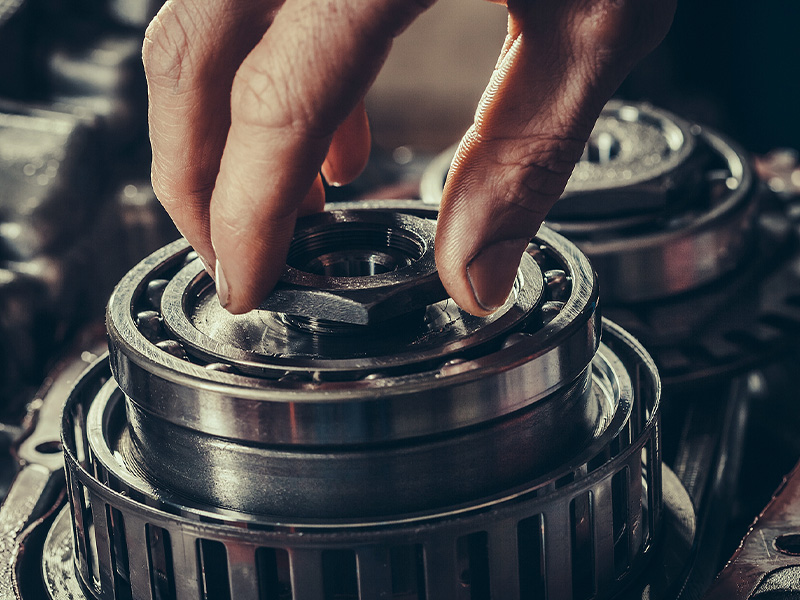
Small bearings are particularly sensitive to improper installation. The mounting force should be applied to the ring being fitted. Pressing through the rolling elements can create brinelling or raceway damage. If the inner ring is being fitted onto a shaft, force should be applied to the inner ring. If the outer ring is being fitted into a housing, force should be applied to the outer ring.
The suitable operating speed depends on the bearing’s internal design, lubrication, seal or shield configuration, load, cooling conditions, and assembly accuracy. A miniature bearing may rotate at high speed in one application but run at a much lower speed when heavily loaded or exposed to elevated temperatures.
Temperature affects lubricant viscosity, seal performance, material expansion, internal clearance, and service life. Engineers should confirm the permissible operating range for the exact version of the product, especially if the bearing will be used in a motor, dental tool, appliance, or other continuously operating device.
Lubrication reduces friction and wear between the balls and raceways. The appropriate lubricant depends on speed, temperature, load, storage period, noise requirements, and chemical compatibility. Mixing different greases without verification is not recommended because additives and base oils may be incompatible.
Sealed or shielded bearings are normally supplied with a specified quantity of lubricant. If relubrication is not expected, the original lubricant should be selected for the anticipated service conditions. If the bearing must be relubricated, the seal or shield arrangement and maintenance procedure should be reviewed in advance.
The supplied product information refers to the S695-2RS designation and also lists double metal shields, identified as ZZ. Since these configurations have different characteristics, customers should request confirmation of the exact version before final approval.
Contact seals generally provide stronger protection against contaminants and better lubricant retention, but they may increase friction and operating torque. Metal shields usually offer lower contact resistance and may be suitable for cleaner environments, but they are not equivalent to contact seals in contamination protection. The best choice depends on the operating environment and performance priorities.
Stainless steel can improve corrosion resistance, but no bearing material is universally resistant to every chemical or environment. Saltwater, cleaning agents, acids, alkaline solutions, disinfectants, and aggressive vapors can affect rings, balls, cages, shields, seals, and lubricant in different ways.
If the application involves regular chemical cleaning or direct liquid exposure, the complete bearing construction should be reviewed with the manufacturer. The customer should specify the chemicals, concentration, temperature, exposure time, and cleaning method so that material compatibility can be evaluated accurately.
Bearings should remain in their original packaging until the assembly area is ready. Work surfaces, tools, shafts, and housings should be clean. Operators should avoid touching precision raceways with dirty hands or tools.
Before installation, inspect the shaft and housing for burrs, dents, corrosion, contamination, and dimensional problems. A damaged shaft or housing can prevent the bearing from seating correctly and may cause vibration or premature failure.
Do not strike the bearing directly with a hammer. Use a suitable installation tool or press, and apply force only to the ring being fitted. Avoid applying installation force through the balls because this can create permanent raceway marks.
After installation, rotate the assembly by hand when possible. Any abnormal roughness, binding, excessive noise, or unusual resistance should be investigated before the equipment is placed into service. Operators should also confirm that the bearing is not subjected to unintended axial preload or housing distortion.
During storage, keep bearings in a dry, clean, temperature-controlled environment. Avoid storing them near corrosive chemicals, excessive vibration, or areas where condensation occurs. Stock rotation helps prevent unnecessary long-term storage and supports traceability.
Ningbo Zhenhai Hualei Bearing Co., Ltd. provides OEM and ODM services through Ningbo Hotex Mechanical & Electrical Technology Co., Ltd., which was established in 2016 as the company’s import and export department. This structure supports communication with customers requiring customized packaging, product identification, technical specifications, or coordinated export services.
OEM customers may require a stable standard bearing with their own packaging or part number. ODM customers may need support during product development, including dimensional selection, material discussions, sealing options, performance requirements, and sample evaluation.
Effective cooperation begins with accurate application information. Customers should provide the bearing dimensions, shaft and housing conditions, load, speed, temperature, humidity, contamination, expected operating hours, and any special requirements. Details such as allowable noise, starting torque, vibration, lubricant type, and packaging standards can also be important.
A manufacturer with experience in miniature bearings can help identify whether a standard S695-2RS configuration is appropriate or whether another miniature bearing design should be considered. Technical discussions before mass production can reduce the risk of selecting a bearing that fits dimensionally but does not meet the application’s operating requirements.
The quality of a bearing is determined by more than the raw material or nominal dimensions. Consistent manufacturing, inspection, packaging, and technical support all contribute to product value. For customers purchasing bearings repeatedly, dependable batch-to-batch performance can be more important than a small difference in unit price.
The company’s experience since 2001, focus on miniature deep groove ball bearings, and stated quality management systems provide a foundation for serving industrial customers. Its bearing range supports food machinery, household appliances, automotive electromechanical systems, electric tools, mechanical transmission devices, and motors.
The company also operates under the HLGS registered trademark and has developed a reputation based on sincere trust and efficient service according to its company information. For international customers, the ability to communicate technical requirements, coordinate export orders, and support OEM or ODM projects can simplify procurement.
Before ordering the S695-2RS, confirm the required bore, outside diameter, and width. The listed dimensions are 5 mm, 13 mm, and 4 mm respectively. Confirm that the bearing fits the shaft, housing, shoulder arrangement, and available axial space.
Confirm the material specification and whether the application requires a particular stainless steel grade. If corrosion resistance is essential, provide the manufacturer with details of humidity, water, salt, cleaning agents, and other environmental exposure.
Confirm the exact seal or shield configuration. The product designation is S695-2RS, while the supplied information also lists double metal shields (ZZ). This detail should be resolved before purchase because the two configurations can have different friction and contamination-protection characteristics.
Confirm the expected speed, load, temperature, duty cycle, and service life. Ask whether the standard lubricant is suitable for the application and whether special grease, low-noise performance, or high-speed capability is required.
For volume orders, discuss sample approval, inspection standards, packaging, labeling, batch traceability, delivery schedule, and replacement or warranty procedures. These details help create a clear quality agreement between the supplier and customer.
The S695-2RS is a miniature stainless steel deep groove ball bearing. It is intended for compact, light-duty, and precision-oriented applications such as small fans, toys, micro motors, electronic devices, camera modules, dental tools, and precision instruments.
The nominal dimensions are 5 mm bore diameter, 13 mm outside diameter, and 4 mm width. These dimensions are commonly written as 5 × 13 × 4 mm.
The supplied specification identifies stainless steel and references 440C/AISI 304. Because these grades have different properties, customers requiring a specific material should confirm the exact component material and grade with the manufacturer before ordering.
The listed dynamic load rating is 550 N, and the listed static load rating is 220 N. These values are reference specifications. Actual performance depends on load type, speed, lubrication, temperature, installation, contamination, and operating time.
The stainless steel construction can provide improved corrosion resistance compared with many standard carbon steel bearings. However, suitability depends on the type and duration of moisture exposure. Continuous water, saltwater, chemicals, or cleaning fluids may require a special bearing design and should be reviewed with the manufacturer.
In common bearing terminology, 2RS generally refers to two rubber or elastomer contact seals. The supplied product information also identifies double metal shields as ZZ. Since these are different configurations, purchasers should confirm whether the required product has contact seals or metal shields.
ZZ commonly refers to two non-contact metal shields. Metal shields can help protect the bearing from larger contaminants while generally producing less contact friction than rubber seals. They do not provide exactly the same sealing effect as contact seals.
It may be suitable for some high-speed miniature motor applications, but the decision depends on speed, load, lubricant, internal clearance, seal or shield type, temperature, and rotor balance. The manufacturer should confirm the appropriate version for the actual motor operating conditions.
It may be considered for suitable light-duty mechanisms in dental tools, but the complete equipment design must address speed, sterilization, cleaning chemicals, lubricant compatibility, temperature, and regulatory requirements. A general stainless steel bearing should not automatically be assumed to be suitable for every clinical or sterilization application.
Use clean tools and apply installation force only to the ring being fitted. Do not transmit pressing force through the balls. Inspect the shaft and housing for burrs, contamination, and dimensional problems before assembly. Abnormal noise or resistance after installation should be investigated.
According to the supplied company information, the company provides professional OEM and ODM services through its import and export department. Customers can discuss product specifications, packaging, labeling, samples, and customized requirements with the supplier.
Customers should provide the required dimensions, material, seal or shield type, speed, load, temperature, environment, lubricant requirements, packaging, and quantity. A technical confirmation or approved sample is recommended before mass production, particularly because the supplied information uses both 2RS and ZZ sealing terminology.
The S695-2RS miniature stainless steel deep groove ball bearing is a compact solution for products that require reliable shaft support in a limited installation space. Its 5 × 13 × 4 mm dimensions, low approximate weight, stainless steel construction, and published load ratings make it suitable for a broad range of light-duty applications.
Its strongest advantages are compact integration, corrosion-resistant material options, versatile deep groove geometry, and suitability for micro motors, small fans, toys, precision tools, instruments, electronic devices, camera modules, and household appliances. Compared with unverified low-cost alternatives, the value of the product is supported by the manufacturer’s long experience in miniature bearing production, structured quality management, inspection capability, and OEM and ODM support.
For the best result, customers should evaluate the complete operating environment rather than selecting by dimensions alone. Load, speed, temperature, lubrication, fit, contamination, and installation quality all affect bearing performance. The seal or shield specification should also be confirmed because the supplied product information references both the 2RS designation and ZZ metal shields.
With proper application review, installation, storage, and quality confirmation, the S695-2RS can provide an efficient and dependable bearing option for compact precision equipment and other small rotating mechanisms.
1. Product specification supplied for the S695-2RS miniature stainless steel deep groove ball bearing.
2. General engineering principles for deep groove ball bearing selection, installation, lubrication, and maintenance.
3. ISO 9001 quality management system principles.
4. ISO/TS 16949 automotive quality management system information as identified in the supplied company profile.
5. General bearing industry terminology for 2RS contact seals and ZZ metal shields.
6. Manufacturer information supplied for Ningbo Zhenhai Hualei Bearing Co., Ltd., including company history, product applications, testing, OEM services, ODM services, and management systems.
7. Standard mechanical design practices for miniature bearing fits, load evaluation, storage, and installation.
Direct Answer Stainless steel bearings are the correct choice whenever a rotating assembly must re...
A spindle starts to leave a faint chatter mark at 8,000 rpm. The deep groove ball bearing meets its...
A motor that has run for years rarely announces a bearing failure early. The first sign is a low hu...
Picture a maintenance engineer holding a replacement bearing stamped 6204-2RS C3. The part looks id...