Mireille Qiao — International Sales Executive
Home / Author / Mireille Qiao — International Sales Executive / F688ZZ Flanged Miniature Deep Groove Ball Bearing: Compact Performance for Precision Applications

F688ZZ Flanged Miniature Deep Groove Ball Bearing: Compact Performance for Precision Applications

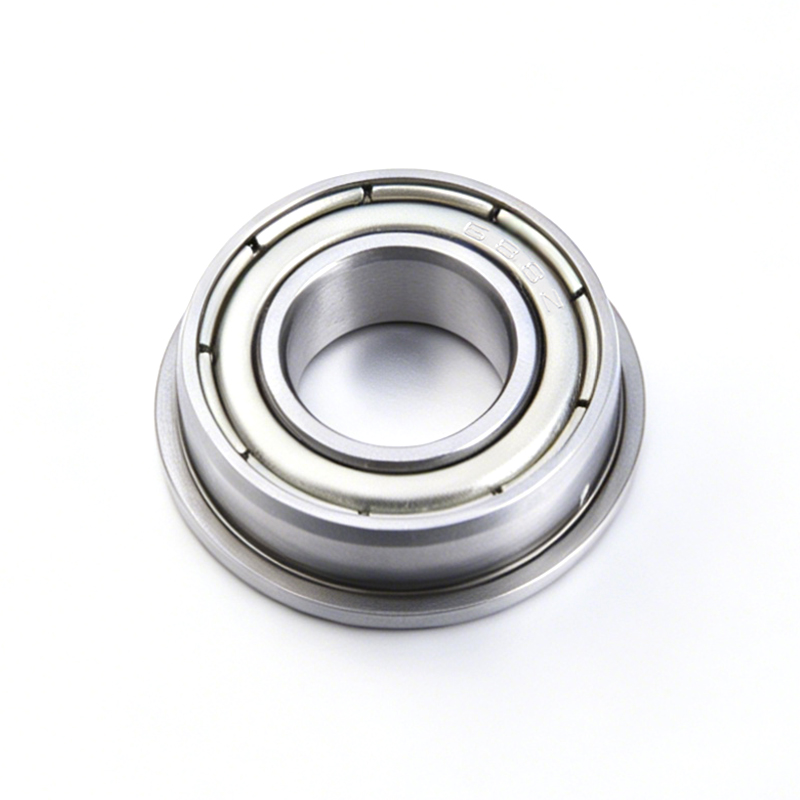
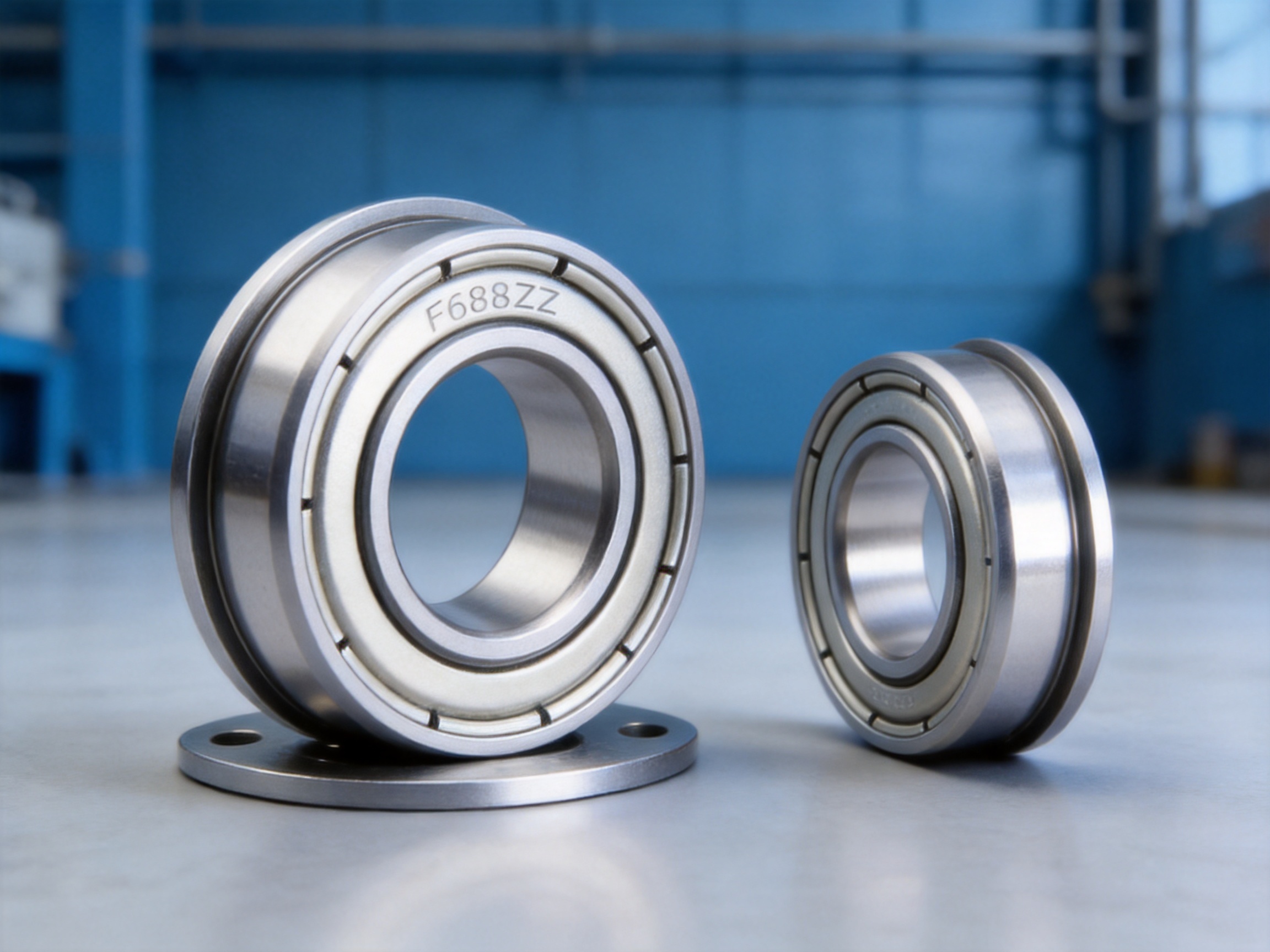
The F688ZZ flanged miniature deep groove ball bearing is designed for applications where installation space is limited but dependable rotational performance remains essential. With an 8 mm bore, 16 mm outside diameter, 5 mm width, and 17.5 mm flange diameter, this bearing offers a practical combination of compact dimensions, positioning convenience, low friction, and reliable service for light-duty mechanisms.

Miniature bearings are used in a wide range of products, including small motors, office equipment, consumer electronics, household appliances, precision instruments, compact transmission systems, and small electromechanical assemblies. In these applications, designers often need to solve several problems at once: the bearing must occupy very little radial and axial space, maintain smooth rotation, support repeated operation, and remain easy to install. The F688ZZ addresses these requirements through its flanged configuration, double metal shields, precision bearing-steel construction, and standardized miniature bearing geometry.

Unlike a standard 688 bearing, the F688ZZ includes an integrated flange around one side of the outer ring. This flange can help locate the bearing in a housing, reduce the need for additional positioning components, and improve installation consistency. It is particularly useful when the housing has a simple through-hole design and the bearing must be seated against a defined shoulder.

The bearing is manufactured for light-duty continuous operation and is suitable for mechanisms that require compact, stable, and relatively quiet rotation. Its 1,260 N dynamic load rating and 590 N static load rating provide useful capacity for many small mechanical systems when the bearing is properly installed and operated within its intended conditions.

Product Overview

The F688ZZ is a flanged miniature deep groove ball bearing with double metal shields. Its designation identifies several important characteristics. The letter “F” indicates the flanged outer-ring configuration, while “688” identifies the basic miniature bearing size series. The suffix “ZZ” refers to two non-contact metal shields, one on each side of the bearing.

The basic dimensions are suitable for compact assemblies. The 8 mm bore accommodates a small shaft, the 16 mm outer diameter fits into a compact housing, and the 5 mm width helps limit the overall axial length of the rotating assembly. The flange extends to 17.5 mm in diameter, creating an external locating surface without significantly increasing the bearing body’s radial size.

ParameterSpecification
Bearing numberF688ZZ
Bore diameter8 mm
Outside diameter16 mm
Width5 mm
Flange diameter17.5 mm
Shield configurationDouble metal shields, ZZ
Dynamic load rating1,260 N
Static load rating590 N
Material optionsGCr15 bearing steel or stainless steel, according to configuration

The compact dimensions make the F688ZZ particularly appropriate for products in which conventional full-size bearings would be excessive. The bearing can help reduce the size of a mechanism while still providing a defined rolling interface between a shaft and housing.

Why the Flanged Design Matters

The integrated flange is one of the most important advantages of the F688ZZ. In a conventional unflanged bearing arrangement, the housing may require a shoulder, retaining ring, spacer, circlip, adhesive, or another component to prevent axial movement. These additional features can increase part count, manufacturing time, and assembly complexity.

A flanged bearing provides an integrated locating surface. When the housing is correctly designed, the flange can rest against the housing face and establish a repeatable axial position. This can simplify the housing geometry and help reduce the risk of installing the bearing too deeply or too far from the intended reference surface.

The flange can also improve installation stability in compact products. Small housings often provide limited access for tools, and installing separate retainers may be inconvenient. The flanged construction helps guide the design toward a simpler press-fit or controlled-fit arrangement. The exact fit should still be selected according to the housing material, operating temperature, load direction, shaft tolerance, and required service life.

For production assembly, the flanged structure can offer an additional benefit: it creates a visible and physical installation reference. This may help operators and automated equipment confirm that the bearing has reached the correct seating position. In high-volume production, even small improvements in assembly repeatability can reduce rework and improve consistency.

The flange is not intended to replace every retaining method in every application. If the bearing experiences substantial axial force, shock loading, severe vibration, or unusual housing deformation, the designer may still need a dedicated retention feature. Nevertheless, for many compact light-duty assemblies, the flange provides a convenient and effective positioning solution.

Compact Dimensions for Space-Limited Equipment

Miniaturization is a central requirement in modern mechanical and electromechanical design. Products are becoming smaller, lighter, and more integrated, while their functions continue to expand. Bearings used in these products must therefore operate within tight dimensional envelopes.

The 8×16×5 mm bearing body of the F688ZZ occupies little space while retaining the fundamental advantages of a deep groove ball bearing. The small bore is suited to compact shafts, while the 16 mm outside diameter can fit into small bearing seats and molded or machined housings. The 5 mm width limits axial growth in assemblies where every millimeter matters.

Applications may include miniature rollers, small gear systems, compact belt drives, small fans, instrument mechanisms, office-machine assemblies, and low-load motor arrangements. The bearing may also be used in custom mechanisms where a standard 8 mm shaft is already part of the design.

Using a compact bearing can reduce the size of neighboring parts. Smaller housings may require less material, occupy less product volume, and weigh less. A reduced bearing envelope can also provide greater freedom for positioning circuit boards, gears, sensors, covers, and other components within the same enclosure.

Although small bearings are often associated with delicate equipment, compact size does not eliminate the need for correct engineering. Shaft alignment, housing roundness, mounting force, lubrication, speed, temperature, and contamination control all influence performance. The F688ZZ is most effective when its compact dimensions are matched with a carefully designed mounting environment.

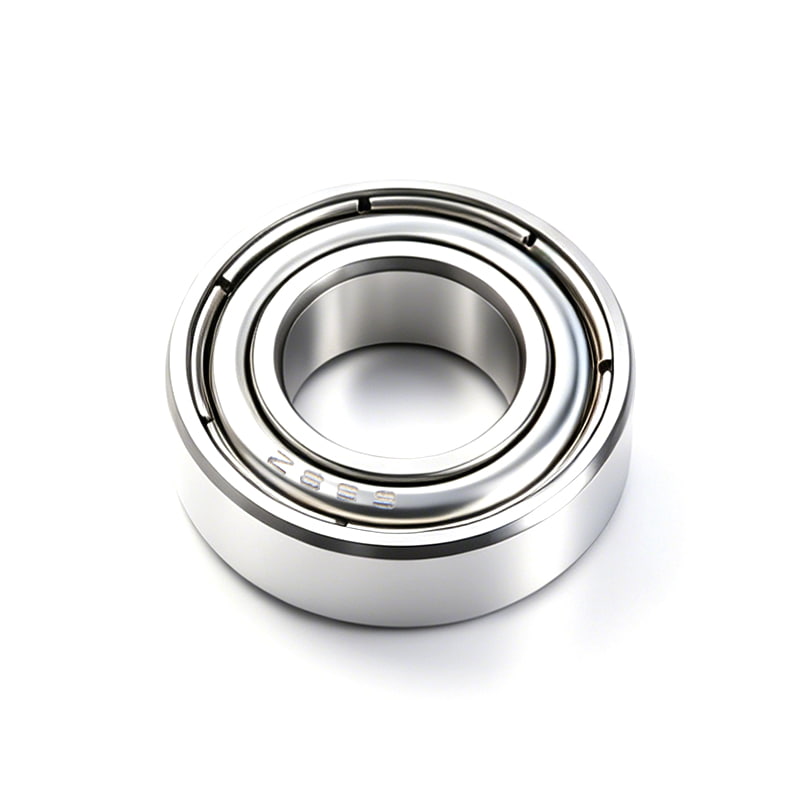
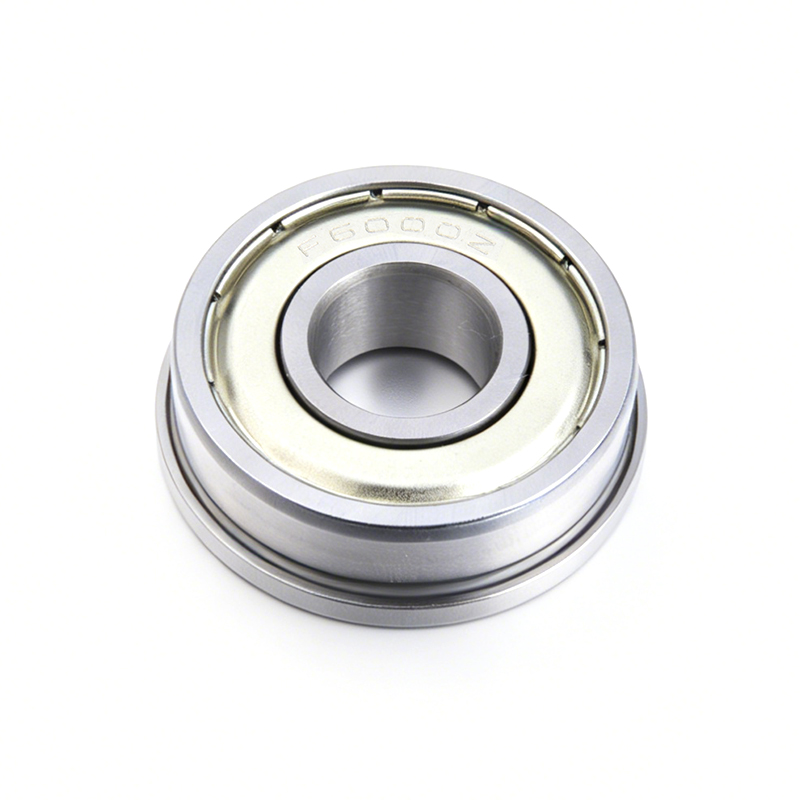
F688ZZ Flanged Mini Bearing Features a Space-Saving Design Ideal for Small Devices

Deep Groove Ball Bearing Performance

The internal geometry of a deep groove ball bearing allows it to support radial loads and moderate axial loads in both directions. This makes the bearing versatile for small rotating mechanisms. The raceway and ball arrangement provide a rolling contact path that generally produces less friction than a plain sliding interface under comparable conditions.

For light-duty equipment, low rolling resistance can support smooth movement and efficient operation. Reduced friction may also help limit heat generation, power consumption, and wear. These characteristics are valuable in small motors and battery-powered products, where the available energy is limited and excess resistance can affect overall efficiency.

The F688ZZ has a stated dynamic load rating of 1,260 N and a static load rating of 590 N. The dynamic rating is used when evaluating repeated rotating loads and expected fatigue life, while the static rating is relevant when the bearing is stationary or subjected to heavy intermittent loading. These values are reference ratings rather than direct guarantees of service life in every application.

Actual bearing life depends on many variables. Load magnitude, load direction, rotational speed, lubrication, temperature, contamination, shaft and housing fits, misalignment, vibration, mounting technique, and duty cycle all have an effect. A bearing operating under clean, aligned, moderate-load conditions can perform very differently from one exposed to shock, dust, excessive preload, or poor installation.

Dynamic Load Considerations

Dynamic loading occurs when the bearing rotates under an applied load. In a small mechanism, the load may come from belt tension, gear forces, pulley tension, rotor imbalance, shaft weight, or external contact pressure. The bearing should be selected so that the expected equivalent dynamic load remains appropriate for the rating and desired service life.

When calculating bearing requirements, designers should consider both the steady load and any peak or fluctuating loads. A mechanism that normally operates at a low load may still experience high transient forces during starting, stopping, reversing, jamming, impact, or rapid acceleration.

Static Load Considerations

Static loading is important when the bearing is not rotating or when a high load is applied at very low speed. Excessive static loading can create permanent deformation at the raceway or ball contact points. Such deformation may later cause noise, vibration, rough rotation, or reduced precision.

The 590 N static load rating provides a reference for evaluating stationary and slow-speed conditions. Designers should also examine shock loads and uneven force distribution, because a short-duration impact can be more damaging than a smooth, evenly distributed load of the same average magnitude.

Double Metal Shields for Practical Protection

The F688ZZ uses double metal shields, identified by the “ZZ” suffix. The shields are fitted on both sides of the bearing to help retain lubricant and reduce the entry of dust, particles, and other contaminants. They also provide a practical protective barrier for many indoor and general-purpose applications.

Metal shields are useful where low friction and compact construction are important. Because they are non-contact or designed with controlled clearance rather than rubbing directly against the inner ring, they can support smooth rotation and avoid the seal drag associated with some contact-sealed designs.

At the same time, ZZ shields are not intended to provide the same level of environmental sealing as contact rubber seals. If the bearing will operate in water spray, heavy dust, corrosive chemicals, abrasive particles, or washdown conditions, the designer should evaluate whether a different sealing configuration or additional external protection is required.

The shield arrangement is well suited to clean or moderately protected environments such as office equipment, small appliances, precision instruments, enclosed motors, and compact mechanical assemblies. Proper housing design remains important. Even a shielded bearing should not be exposed unnecessarily to metal chips, abrasive dust, cleaning fluids, or condensation.

Material Selection and Bearing Durability

The product information identifies GCr15 bearing steel and stainless steel as material options. GCr15 is a widely used high-carbon chromium bearing steel known for hardness, wear resistance, and suitability for rolling-contact components. It is commonly selected for applications requiring dependable fatigue performance under ordinary industrial conditions.

Stainless steel may be considered when improved corrosion resistance is important. The appropriate material depends on the operating environment, expected loads, speed, temperature, and maintenance requirements. Stainless-steel bearing components can be advantageous in applications where moisture or mild corrosive exposure is a concern, although the exact performance depends on the selected stainless-steel grade, heat treatment, lubricant, shields, and surrounding components.

Material selection is only one part of bearing quality. Raceway geometry, ball grade, heat treatment, dimensional accuracy, surface finish, cleanliness, lubricant condition, and assembly control also contribute significantly to performance. A high-quality material cannot compensate for poor manufacturing precision or contamination.

For this reason, miniature bearing production requires careful control of every stage. Small components have limited contact areas, so minor dimensional variation, surface defects, or contamination can have a noticeable effect on noise, torque, and service life.

Manufacturing Processes Supporting Consistent Quality

The manufacturer specializes in miniature deep groove ball bearings and has operated in this field since 2001. Its product range covers a broad selection of deep groove ball bearing designs for food machinery, household appliances, automotive electromechanical systems, electric tools, mechanical transmission equipment, and motors.

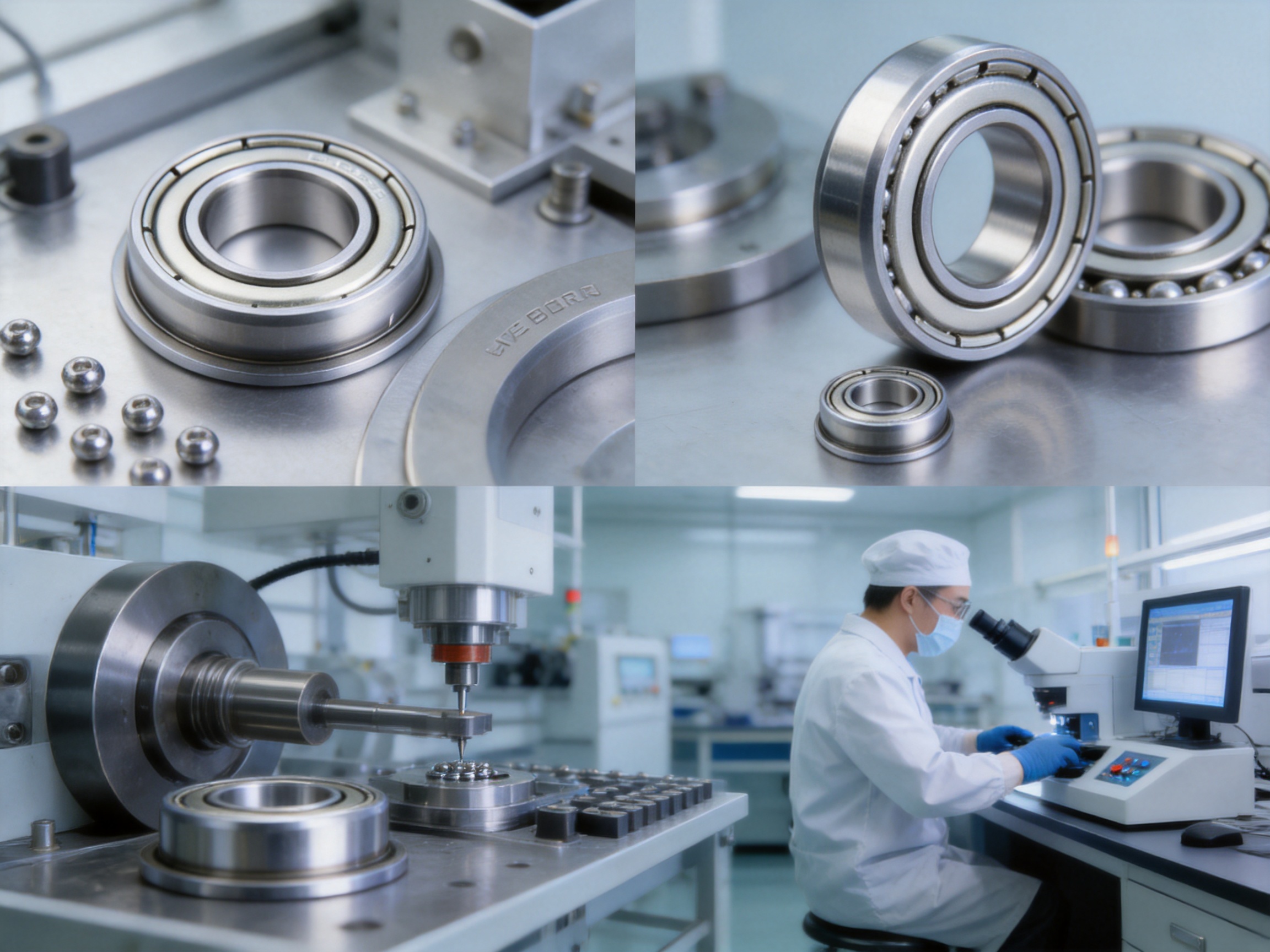
Producing miniature bearings requires a controlled and repeatable process. Although individual production details may vary by bearing series and material, the principal stages generally include material preparation, ring forming, heat treatment, precision grinding, superfinishing, ball selection, cage preparation, cleaning, assembly, lubrication, shielding, inspection, and packaging.

Material Preparation

Material preparation begins with the selection and verification of bearing-grade steel or the specified stainless-steel material. Chemical composition, cleanliness, hardness potential, and internal quality are important because the rings and rolling elements must withstand repeated contact stress.

Material traceability helps connect finished products with their production batches. This supports quality management and allows process teams to investigate any abnormal result or customer feedback systematically.

Ring Manufacturing

Inner and outer rings must be formed with accurate raceway profiles and controlled dimensions. The outer ring of the F688ZZ also incorporates the flange, which must be produced with consistent geometry so that it functions as a reliable locating surface.

The ring faces, bore, outside diameter, raceways, and flange all require dimensional control. Errors in roundness, width, or concentricity can influence mounting quality and rotational smoothness. In a miniature bearing, the available space for correction is limited, making precision at each stage especially important.

Heat Treatment

Heat treatment develops the hardness and structural properties required for rolling-contact service. The process must balance hardness, toughness, dimensional stability, and resistance to fatigue. Excessive distortion after heat treatment can create challenges for later grinding, so temperature control and process consistency are essential.

Properly treated components can resist raceway wear and repeated contact stress more effectively. Heat treatment also supports the long-term dimensional stability needed for a bearing that may operate continuously in a small motor or precision mechanism.

Precision Grinding and Superfinishing

Grinding is used to achieve the required dimensions, geometry, and surface condition of the rings. The bore, outside diameter, faces, and raceways must be processed accurately to support correct mounting and smooth rolling contact.

Superfinishing can further improve raceway surface quality by reducing microscopic irregularities. A smoother raceway may contribute to lower friction, lower operating noise, and more stable contact between the balls and rings. These benefits are particularly important in miniature bearings, where small surface imperfections can be more noticeable during high-speed or low-load operation.

Ball Selection and Internal Matching

The rolling elements must be selected and matched according to size, roundness, surface quality, and grade. Consistent balls help distribute the load evenly and support smooth rotation. Differences in ball size or quality can influence internal load distribution, torque, vibration, and noise.

Internal clearance is also important. The appropriate clearance depends on the intended speed, fit interference, temperature range, and operating load. A bearing with excessive interference or thermal expansion may operate with insufficient clearance, while excessive clearance may increase vibration or reduce running precision.

Cage, Lubrication, and Shield Assembly

The cage maintains separation between the balls and guides them around the raceways. Cage design and material must be compatible with the bearing size, speed, lubricant, and operating temperature.

Lubrication reduces friction and wear at the rolling contacts. The selected lubricant should be appropriate for the expected speed, temperature, and service environment. The amount of lubricant must also be controlled. Too little lubricant can increase wear and noise, while too much can raise starting torque and operating temperature.

The double metal shields are assembled after the internal components have been prepared and lubricated. Shield installation must provide consistent seating without damaging the ring or interfering with the rotating assembly. Clean assembly conditions are essential because miniature bearings are sensitive to dust and foreign particles.

Inspection and Testing Advantages

The manufacturer states that its products are strictly tested with advanced equipment and that its management systems follow ISO 9001 and ISO/TS 16949 requirements. These quality systems provide a structured framework for process control, documentation, inspection, corrective action, and continual improvement.

Inspection may cover dimensional accuracy, flange diameter, bore size, outside diameter, width, roundness, axial and radial runout, internal clearance, starting torque, running torque, noise, vibration, shield fit, and visual condition. The exact inspection plan can vary according to bearing type and customer requirements.

Noise and vibration testing are particularly meaningful for miniature bearings. A bearing can meet basic dimensional requirements while still producing unacceptable sound or vibration if its raceways, balls, cage, lubricant, or cleanliness are not properly controlled. Functional testing helps identify these issues before shipment.

Quality management also extends beyond final inspection. Preventive control at incoming material, machining, heat treatment, grinding, cleaning, assembly, and packaging stages can reduce variation more effectively than relying only on a final check.

The manufacturer’s experience in miniature deep groove ball bearings is an important strength. Long-term specialization allows production teams to build knowledge about small bearing geometry, application requirements, customer specifications, and common failure modes. This experience can support more effective communication during product selection and customization.

Advantages Compared with Conventional Unflanged Bearings

The principal advantage of the F688ZZ over a comparable unflanged miniature bearing is its integrated locating flange. A standard bearing may require a more complicated housing or an additional retaining component to establish its axial position. The F688ZZ can simplify this area of the design.

The flanged version may reduce assembly steps, especially when the housing includes a straightforward through-hole and a face against which the flange can seat. It can also reduce the possibility of incorrect axial placement during manual assembly.

The flange may provide greater design freedom in thin housings. Instead of machining a deep shoulder or adding an external retainer, the housing can be designed around the bearing’s flange diameter and seating face. This can reduce the number of parts and simplify maintenance or replacement.

Compared with larger bearings, the F688ZZ offers lower space and mass requirements. It can support compact product architecture and may help designers reduce the size of surrounding supports, covers, and frames.

Compared with plain bushings, the F688ZZ offers rolling contact, standardized dimensions, and a defined load rating. In many applications, this can provide lower friction, better repeatability, and more predictable rotational behavior. However, the best choice depends on speed, load, contamination, oscillation, cost, and maintenance requirements.

Applications Across Multiple Industries

Precision Instruments

Precision instruments often require smooth movement, compact installation, and controlled mechanical response. The F688ZZ can be considered for small adjustment mechanisms, instrument rollers, optical equipment supports, and compact rotary interfaces where the load is moderate and the environment is reasonably clean.

Small Motors

Small motors depend on bearings to support the rotor and maintain shaft alignment. The F688ZZ’s compact body can fit within small motor housings, while its low-friction rolling interface can support efficient rotation. Motor designers must confirm speed, temperature, preload, shaft fit, and electrical considerations before selecting the bearing.

Consumer Electronics

Consumer electronics frequently combine limited internal space with expectations for quiet operation. Miniature bearings may be used in small fans, rotating modules, compact actuators, office devices, and other mechanisms. The double metal shields provide a practical option for enclosed equipment that is not exposed to severe contamination.

Household Appliances

Small household appliances may use miniature bearings in compact drives, control mechanisms, rollers, and fan assemblies. The material option and shield configuration should be selected according to humidity, temperature, cleaning exposure, operating cycle, and expected service life.

Office Equipment

Printers, scanners, document-handling devices, and other office equipment use many small rollers and shafts. Smooth rotation, predictable positioning, and low noise are important in these systems. The flange can help simplify bearing placement in compact frames and molded housings.

Electric Tools and Compact Transmission Systems

Electric tools and compact transmission mechanisms may use miniature bearings in gear trains, auxiliary shafts, guide rollers, and control assemblies. These applications often experience variable loads and vibration, so designers should evaluate peak loads, impact, speed, and housing stiffness rather than relying only on average operating conditions.

Installation Recommendations

Correct installation is essential for achieving the expected performance of the F688ZZ. Before assembly, inspect the bearing, shaft, and housing for burrs, damage, dirt, corrosion, and dimensional problems. The bearing should remain in its original packaging until the surrounding components are ready.

The shaft and housing fits must be selected carefully. An interference fit can secure the rotating ring, but excessive interference may reduce internal clearance and increase friction. A loose fit may permit creep, fretting, or unwanted movement. The correct arrangement depends on which ring rotates relative to the load and how the load is directed.

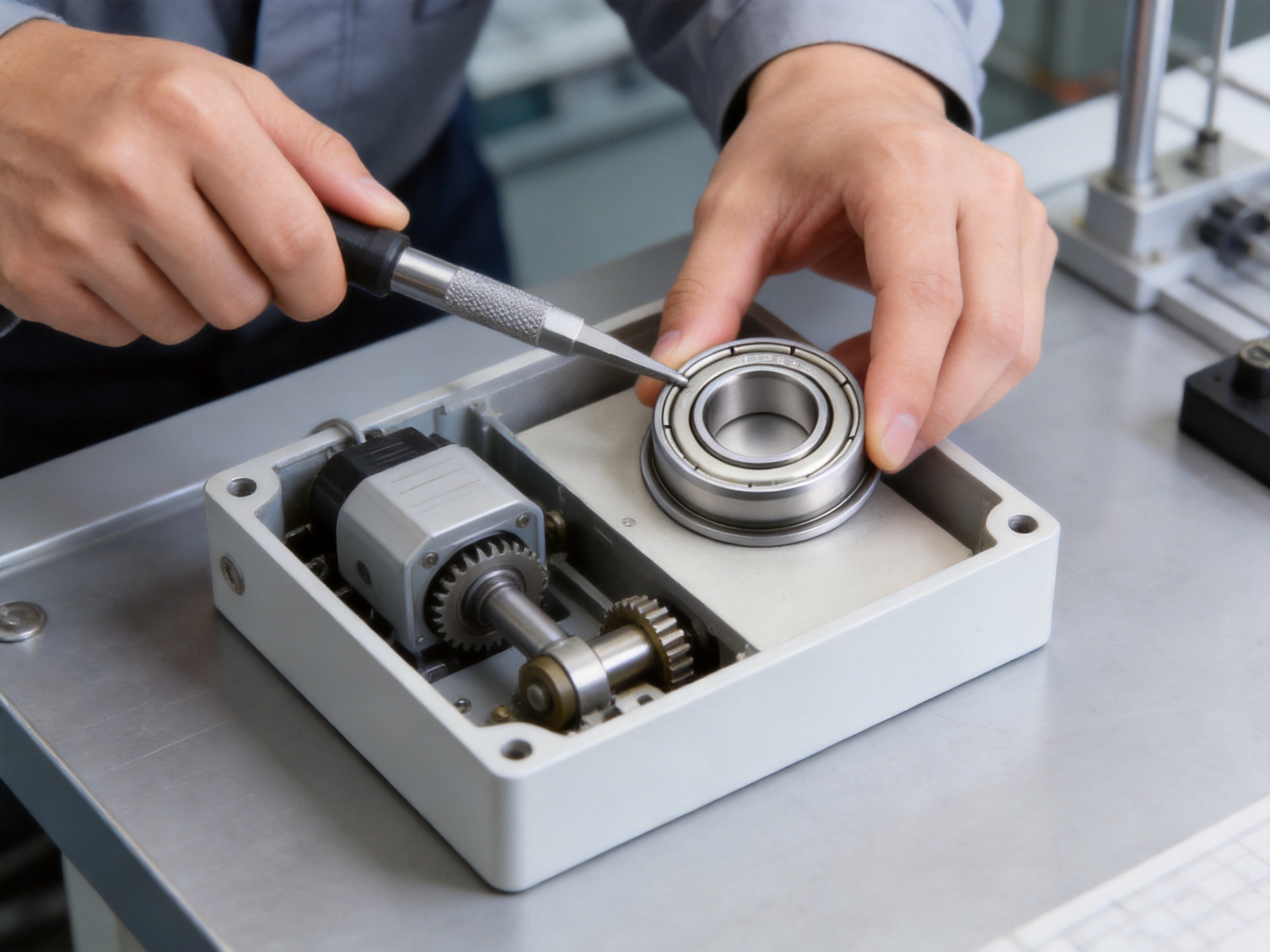
When pressing the bearing into a housing, apply force only to the ring being fitted. If the outer ring is being pressed into the housing, the installation force should be transmitted through the outer ring rather than through the balls and inner ring. Similarly, when mounting the bearing onto a shaft, force should be applied to the inner ring.

Do not strike the bearing directly with a hammer or use uncontrolled impact. Presses, suitable mandrels, and controlled assembly tools are preferable. The flange should be supported correctly and should not be used as an unintended pressing surface unless the tooling is designed for that purpose.

The housing face that contacts the flange should be flat, clean, and sufficiently rigid. If the flange is not seated evenly, the bearing may become tilted or the load may be distributed unevenly. Misalignment can increase torque, noise, and raceway stress.

After installation, rotate the shaft by hand where possible. The movement should be smooth and free from scraping, binding, or abnormal resistance. If the bearing is used in a motor or automated assembly, functional testing should include operating temperature, noise, vibration, current draw, and speed stability as appropriate.

Design Considerations for Long Service Life

Designers should begin with the actual operating conditions rather than selecting a bearing based only on bore and outside diameter. Important parameters include radial load, axial load, speed, acceleration, temperature, duty cycle, environmental contamination, shaft orientation, vibration, and expected service life.

Alignment is especially important for small bearings. A shaft that is bent or poorly supported can create uneven contact and increase the load on one side of the raceway. Housing distortion can have a similar effect. The bearing seat should be manufactured with suitable roundness, coaxiality, and surface quality.

Thermal conditions should also be considered. Temperature changes can affect internal clearance, lubricant viscosity, shaft dimensions, housing dimensions, and seal or shield behavior. If the bearing is installed in a compact enclosure, heat generated by the motor or electronics may raise the operating temperature beyond the ambient temperature.

Contamination control contributes significantly to miniature bearing life. During assembly, keep the bearing away from grinding dust, metal chips, fibers, moisture, and unfiltered compressed air. Packaging and storage should protect the bearing from humidity and corrosive atmospheres.

Where the bearing is installed near a belt, gear, or rotating contact surface, ensure that the transmitted forces are properly calculated. Excessive belt tension or gear misalignment can create loads far above those expected from the nominal product function.

OEM, ODM, and Custom Supply Capabilities

The company provides OEM and ODM services through its import and export department, Ningbo Hotex Mechanical & Electrical Technology Co., Ltd., established in 2016. This capability is valuable for customers who require more than a standard catalog bearing.

OEM support may include production according to customer drawings, packaging requirements, marking specifications, inspection standards, and delivery schedules. ODM cooperation may involve assistance with bearing selection, configuration, material choice, shield arrangement, application review, or product development.

For a miniature bearing project, early technical communication can prevent problems later in production. Customers should provide shaft and housing drawings, load data, speed, temperature, environment, duty cycle, noise requirements, installation method, and expected service life. With this information, the supplier can help determine whether the F688ZZ is suitable or whether another configuration would be preferable.

Consistent documentation is also important for international supply. Technical drawings, product specifications, inspection records, packaging instructions, and batch identification can help maintain consistency across repeat orders and different production lots.

How the F688ZZ Supports Cost-Effective Design

Cost effectiveness is not determined only by the purchase price of the bearing. The total cost may also include housing complexity, assembly labor, additional retainers, maintenance, failure-related downtime, inventory, and product size.

The flange can help reduce the need for separate positioning components. A smaller bearing may reduce material use in neighboring parts and allow a more compact product enclosure. Double metal shields can support a practical maintenance-free arrangement in suitable environments by retaining factory-applied lubricant and limiting ordinary particle entry.

Reliable production processes can also reduce the cost of variation. Consistent dimensions and running characteristics may reduce assembly rejection, troubleshooting, field returns, and unexpected service work. These benefits are especially relevant for manufacturers producing high volumes of compact equipment.

However, the bearing should not be intentionally undersized to reduce component cost. The correct approach is to compare the complete operating requirement with the bearing’s ratings and configuration. A bearing that is inexpensive but poorly matched to the load or environment may increase the total cost of ownership.

Quality Systems and Company Strengths

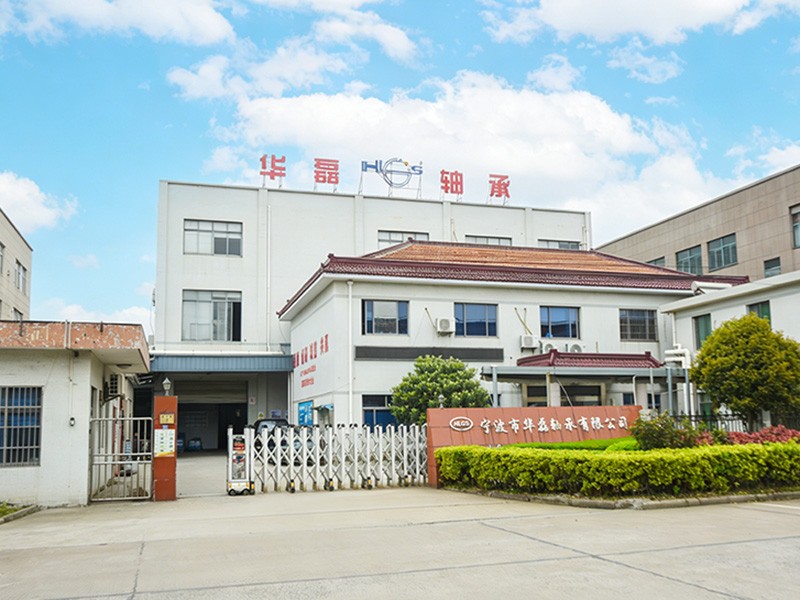
Ningbo Zhenhai Hualei Bearing Co., Ltd. was established in 2001 and focuses on the manufacture of miniature deep groove ball bearings. Its experience is supported by a broad product range and applications across food machinery, household appliances, automotive electromechanical systems, electric tools, mechanical transmission devices, and motors.

The company operates under the HLGS registered trademark and emphasizes sincere trust and efficient service. Its stated quality systems follow ISO 9001 and ISO/TS 16949 management requirements. These systems are designed to support controlled procedures, customer-focused quality objectives, corrective action, and process improvement.

One of the company’s strengths is its specialization. A supplier focused on miniature bearings can develop deeper knowledge of small bearing manufacturing, including raceway finishing, low-noise control, internal clearance, small-part handling, shield installation, cleanliness, and compact application requirements.

Another strength is its ability to serve both standard and customized requirements. Customers can source miniature deep groove ball bearings for regular production or discuss OEM and ODM arrangements for specialized equipment. This can be useful when a bearing must meet a particular dimensional, material, packaging, inspection, or performance requirement.

The company’s location in Ningbo provides access to an established manufacturing and export environment. Its import and export department supports communication and international cooperation with customers in different markets.

Recommended Selection Checklist

Before ordering the F688ZZ, verify that the 8 mm bore matches the shaft and that the 16 mm bearing body fits the housing. Confirm that the 17.5 mm flange diameter has sufficient clearance and that the housing face provides a suitable locating surface.

Review radial and axial loads, including transient loads. Compare expected operating conditions with the 1,260 N dynamic load rating and 590 N static load rating. If the mechanism experiences impact, strong vibration, high acceleration, or frequent reversals, include those conditions in the evaluation.

Confirm the required material. GCr15 bearing steel may be suitable for ordinary industrial environments, while stainless steel may be preferable where improved corrosion resistance is required. The selected material should be matched with the lubricant, temperature, and surrounding components.

Confirm that double metal shields are suitable for the environment. If the bearing will encounter water, abrasive dust, chemical exposure, or frequent washing, consider whether additional external protection or a different sealing design is necessary.

Verify the speed and noise requirements. A miniature bearing intended for a quiet consumer product may require more detailed noise and vibration evaluation than one used in a low-speed industrial mechanism.

Finally, confirm the mounting method, shaft and housing tolerances, flange seating arrangement, packaging, inspection requirements, and expected delivery schedule with the supplier.

Frequently Asked Questions

What is the F688ZZ bearing used for?

The F688ZZ is used in compact light-duty mechanisms such as small motors, precision instruments, consumer electronics, office equipment, household appliances, compact transmission systems, and other miniature rotating assemblies.

What does the “F” in F688ZZ mean?

The “F” identifies the flanged version of the bearing. The flange is integrated into the outer ring and provides a locating surface that can simplify positioning in a housing.

What does “ZZ” mean?

“ZZ” means the bearing has double metal shields, with one shield on each side. The shields help retain lubricant and reduce the entry of ordinary dust and particles while supporting low-friction rotation.

What are the dimensions of the F688ZZ?

The bearing has an 8 mm bore, a 16 mm outside diameter, and a 5 mm width. Its flange diameter is 17.5 mm.

Can the F688ZZ support axial loads?

As a deep groove ball bearing, the F688ZZ can support radial loads and moderate axial loads in both directions. The actual allowable axial load depends on speed, radial load, mounting conditions, internal clearance, and application requirements.

Is the F688ZZ suitable for high-speed operation?

The bearing may be suitable for certain high-speed miniature applications, but speed capability must be evaluated together with lubrication, temperature, internal clearance, fit, balance, and load. A specific maximum speed should be confirmed for the selected configuration and operating conditions.

Is the F688ZZ waterproof?

No. Double metal shields provide practical protection for clean or moderately protected environments, but they are not equivalent to fully sealed contact seals. Water, washdown, heavy dust, or chemical exposure may require a different bearing configuration or additional external protection.

Which material should be selected: GCr15 or stainless steel?

GCr15 bearing steel is commonly used for general-purpose rolling-contact applications and offers strong wear and fatigue characteristics. Stainless steel may be selected when corrosion resistance is more important. The decision should consider humidity, chemical exposure, load, speed, temperature, and the exact material specification available.

Can the flange replace a retaining ring?

The flange can replace some housing-side locating features when the housing is designed to seat against it. However, it does not automatically replace every retaining method. Applications with high axial forces, shock, vibration, or unusual loading may require additional retention.

How should the bearing be installed?

Use clean, controlled tooling and apply mounting force only to the ring being fitted. Avoid direct hammering and avoid transmitting installation force through the balls. Ensure that the shaft and housing are correctly sized and that the flange seats evenly against a clean, flat housing face.

Does the company provide OEM and ODM services?

Yes. The company provides professional OEM and ODM services through its import and export department. Customers can discuss drawings, materials, dimensions, packaging, inspection requirements, and application-specific needs.

What quality systems does the company follow?

The company states that it follows ISO 9001 and ISO/TS 16949 management systems and that its products are strictly tested with advanced equipment. Specific inspection documents and customer quality requirements should be confirmed for each project.

What information should be supplied when requesting a quotation?

Useful information includes the bearing number, quantity, shaft and housing dimensions, load, speed, temperature, operating environment, material preference, noise requirements, packaging requirements, and any OEM or ODM documentation requirements.

Conclusion

The F688ZZ flanged miniature deep groove ball bearing provides a compact and practical solution for small rotating mechanisms. Its 8×16×5 mm bearing body fits space-limited assemblies, while the 17.5 mm integrated flange simplifies positioning and can reduce housing and assembly complexity.

Double metal shields help retain lubricant and protect the internal rolling elements in suitable environments. The bearing’s deep groove design supports radial and moderate bidirectional axial loads, while its stated 1,260 N dynamic load rating and 590 N static load rating provide useful reference values for application design.

The product is supported by miniature bearing manufacturing experience, controlled production processes, advanced testing, ISO 9001 and ISO/TS 16949 management systems, and OEM and ODM service capabilities. These strengths make the F688ZZ a suitable candidate for precision instruments, small motors, consumer electronics, home appliances, office equipment, and compact mechanical systems.

As with any bearing, the best results depend on correct selection, fit, installation, lubrication, alignment, cleanliness, and operating control. When these factors are properly managed, the F688ZZ can contribute to smooth rotation, stable positioning, compact product design, and dependable light-duty service.

References

1. ISO 9001, Quality Management Systems—Requirements.

2. ISO/TS 16949, Quality Management Systems for Automotive Production and Relevant Service Parts Organizations.

3. ISO 281, Rolling Bearings—Dynamic Load Ratings and Rating Life.

4. ISO 76, Rolling Bearings—Static Load Ratings.

5. General engineering principles for miniature deep groove ball bearing selection, fitting, lubrication, and installation.

6. Manufacturer-provided technical specifications for the F688ZZ flanged miniature bearing.

Product: F688ZZ Flanged Mini Bearing Features a Space-Saving Design Ideal for Small Devices


Recent Articles