Zhao Xinyue — Product Sales Consultant
Home / Author / Zhao Xinyue — Product Sales Consultant / S688-2RS Ultra-Slim Stainless Steel Deep Groove Ball Bearing for Space-Constrained Applications

S688-2RS Ultra-Slim Stainless Steel Deep Groove Ball Bearing for Space-Constrained Applications

Miniature bearings play an essential role in equipment where every millimeter of installation space matters. In precision instruments, compact motors, office equipment, medical devices, consumer electronics, and small household appliances, a bearing must provide more than basic rotational support. It must fit accurately into a restricted housing, operate quietly, resist wear and corrosion, and maintain stable performance over an extended service life.

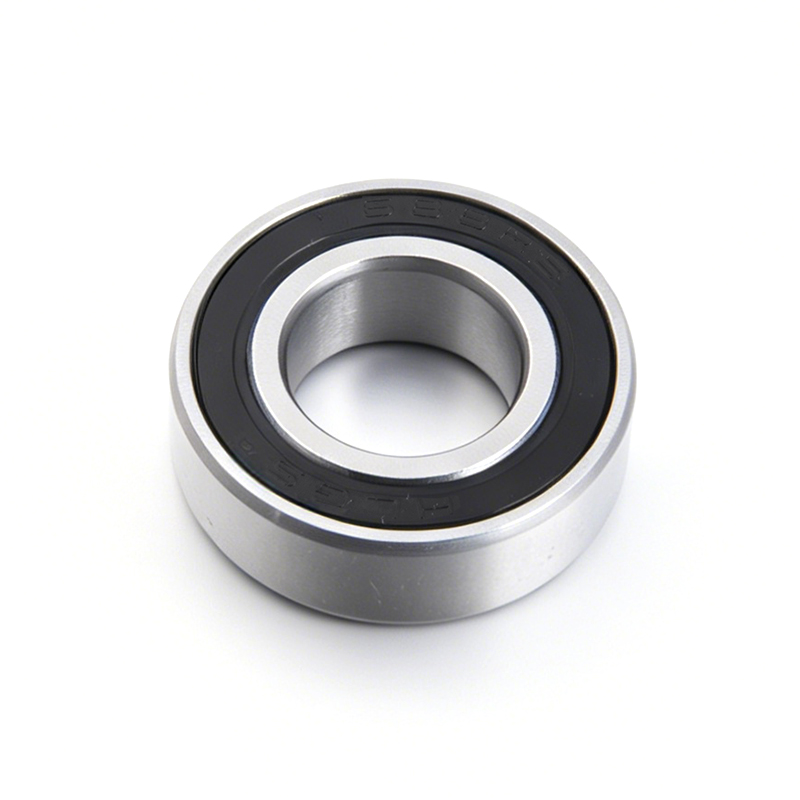
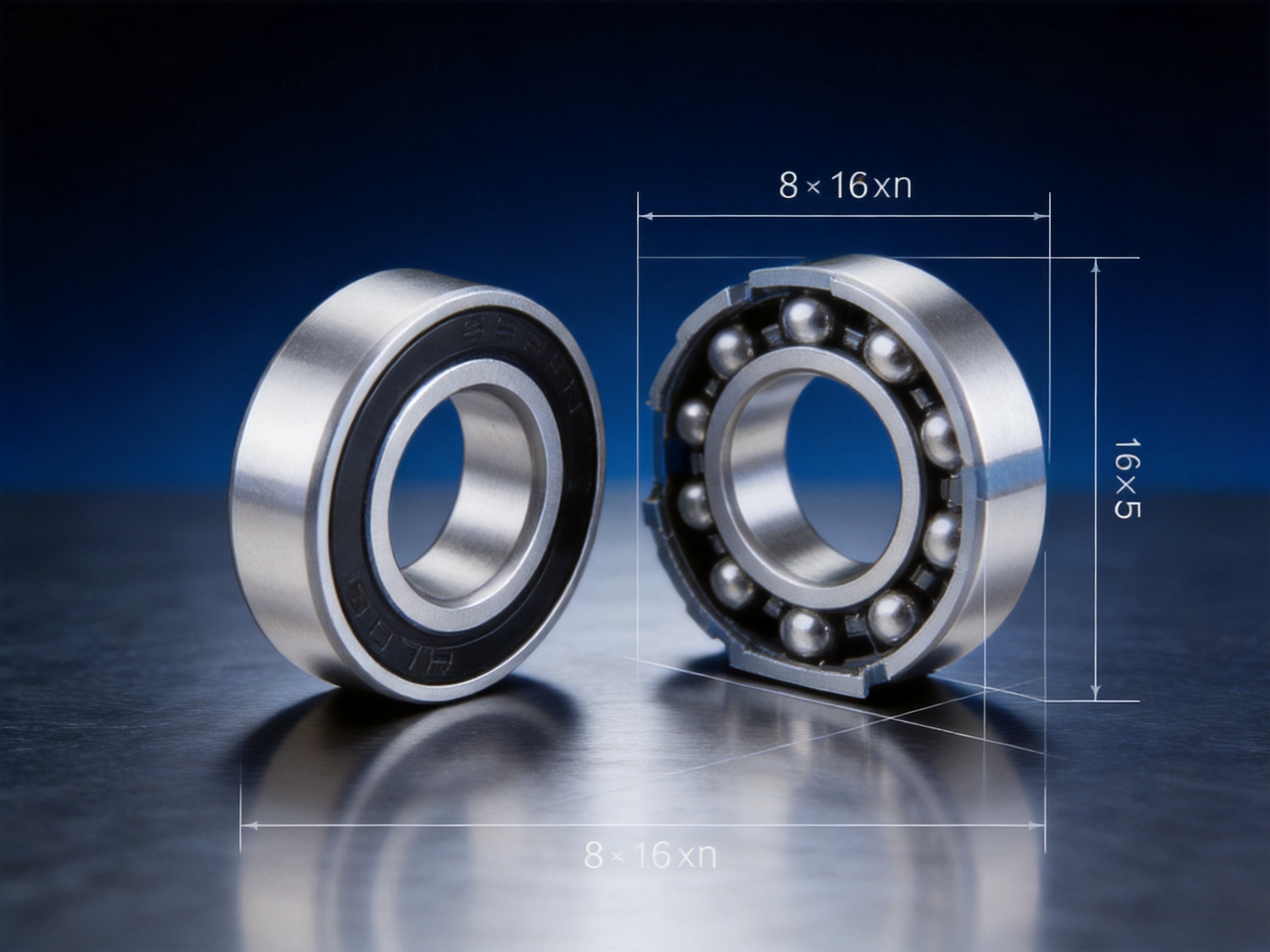
The S688-2RS is an ultra-slim stainless steel deep groove ball bearing designed for these demanding miniature applications. With a nominal bore diameter of 8 mm, an outer diameter of 16 mm, and a width of only 5 mm, it offers a compact 8 × 16 × 5 mm configuration. This thin profile allows equipment designers to reduce the size of bearing housings, simplify compact assemblies, and preserve valuable internal space for other components.

Although small in size, the S688-2RS is engineered for dependable operation under light-load conditions. Its stainless steel construction supports improved corrosion resistance compared with ordinary bearing steel, while its miniature deep groove design provides smooth radial rotation and practical versatility. The bearing has a rated dynamic load of approximately 830 N, a rated static load of approximately 400 N, and an approximate weight of only 0.003 kg.

This article examines the bearing’s structure, technical characteristics, application value, manufacturing considerations, quality-control advantages, and selection guidelines. It also explains how a specialized miniature-bearing manufacturer can provide greater consistency, customization support, and engineering assistance than general-purpose suppliers.

1. Product Overview

The S688-2RS belongs to the miniature stainless steel deep groove ball bearing family. Deep groove ball bearings are among the most widely used bearing types because their internal raceway geometry supports radial loads and can accommodate limited axial loads in both directions. This makes them suitable for many compact mechanisms in which a simple, low-friction, and reliable bearing arrangement is required.

The S688-2RS configuration is especially suitable where a standard bearing would be too large or too heavy. Its 5 mm width gives it a notably slim profile, while the 8 mm bore provides a practical shaft interface for miniature motors, rollers, fans, actuators, precision mechanisms, and compact transmission systems.

The bearing is produced from corrosion-resistant stainless steel, with the supplied technical information identifying stainless steel grades such as 440C or AISI 304. The exact material grade should be confirmed for each order because 440C and AISI 304 have different hardness, corrosion-resistance, and load-performance characteristics. A manufacturer can normally recommend the most appropriate grade according to load, speed, humidity, chemical exposure, temperature, and cleanliness requirements.

The product description identifies the bearing as an S688-2RS, a designation commonly associated with two rubber seals. However, the supplied specification table identifies the sealing arrangement as double metal shields, or ZZ. Because seal and shield configurations affect friction, contamination protection, lubrication retention, and operating temperature, customers should confirm the final configuration before purchase. This is an important technical point rather than a minor labeling issue: the correct suffix must match the actual construction supplied.

2. Main Technical Specifications

Parameter Specification Engineering Significance
Bearing number S688-2RS Identifies the miniature deep groove ball bearing configuration.
Bearing type Miniature stainless steel deep groove ball bearing Suitable for compact radial and limited axial-load applications.
Bore diameter 8 mm Fits an 8 mm nominal shaft or shaft arrangement.
Outer diameter 16 mm Supports a compact housing and reduced installation envelope.
Width 5 mm Provides an ultra-slim axial profile.
Sealing or shielding Double metal shields (ZZ) listed; configuration to be confirmed Helps retain lubricant and limit the entry of ordinary contaminants.
Material Stainless steel, listed as 440C/AISI 304 Provides corrosion resistance and supports miniature bearing durability.
Dynamic load rating Approximately 830 N Indicates the bearing’s basic dynamic load capacity under defined rating conditions.
Static load rating Approximately 400 N Indicates resistance to permanent deformation under stationary or slow-moving loads.
Approximate weight 0.003 kg Helps minimize moving mass and supports lightweight equipment design.

Load ratings are useful for preliminary design, but they should not be treated as a complete service-life prediction. Actual bearing life depends on speed, load direction, load magnitude, lubrication, contamination, mounting accuracy, shaft and housing tolerances, temperature, vibration, and duty cycle. In miniature equipment, assembly quality can be just as important as the nominal load rating.

3. Ultra-Slim Dimensions for Compact Machinery

The principal advantage of the S688-2RS is its compact dimensional envelope. An 8 mm bore, 16 mm outside diameter, and 5 mm width create a highly space-efficient bearing arrangement. When compared with wider or larger bearings, the S688-2RS can help engineers reduce housing width, shorten shaft length, lower assembly weight, and create more room for wiring, sensors, gears, circuit boards, or other mechanisms.

Space savings are especially valuable in products that must meet strict size and weight targets. A portable instrument, compact actuator, miniature fan, handheld device, or small office machine may have very little unused internal volume. In these applications, a bearing with excessive width can force a redesign of the shaft, housing, retaining structure, or neighboring components. The thin S688-2RS profile helps reduce these design constraints.

The reduced bearing width may also support simpler axial arrangements. For example, an engineer may be able to position two bearings closer together, create a shorter rotating assembly, or reduce the distance between a bearing and a driven component. However, such benefits must be evaluated against shaft deflection, alignment, preload, and load-distribution requirements. A slim bearing is not automatically suitable for every arrangement; the complete system must be analyzed.

Compared with larger standard bearings, the S688-2RS offers a practical balance between a useful 8 mm bore and a compact 16 mm housing diameter. This combination is often appropriate for small motors and rotating components that require a meaningful shaft diameter but cannot accommodate a large external bearing envelope.

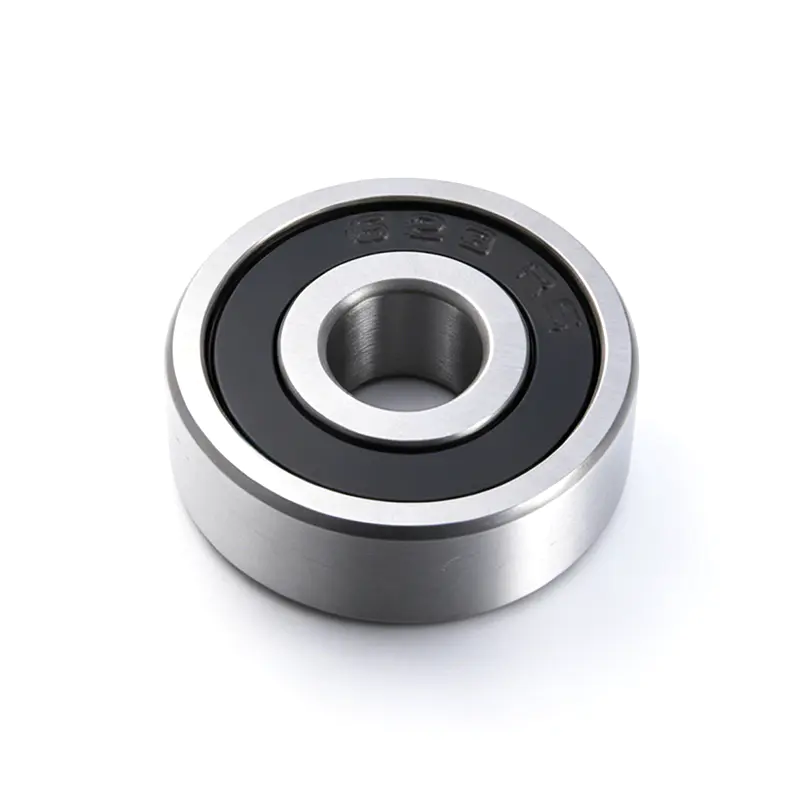
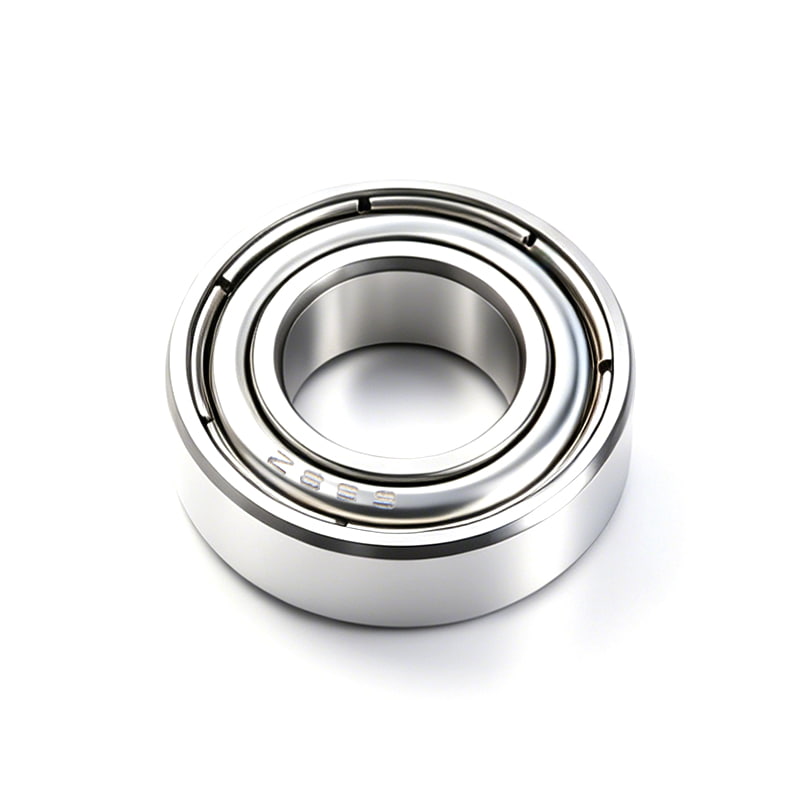
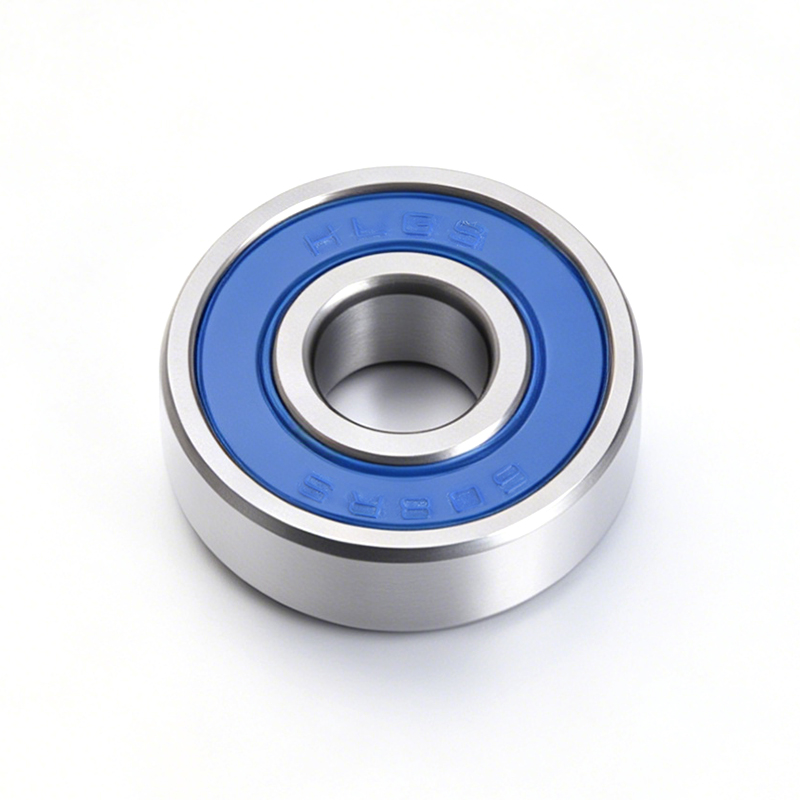
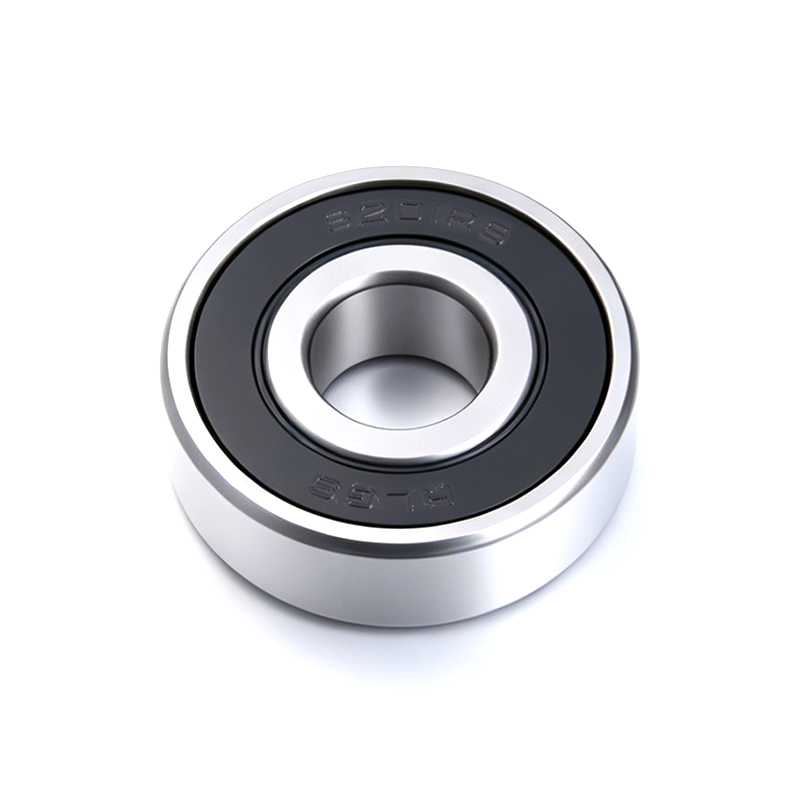
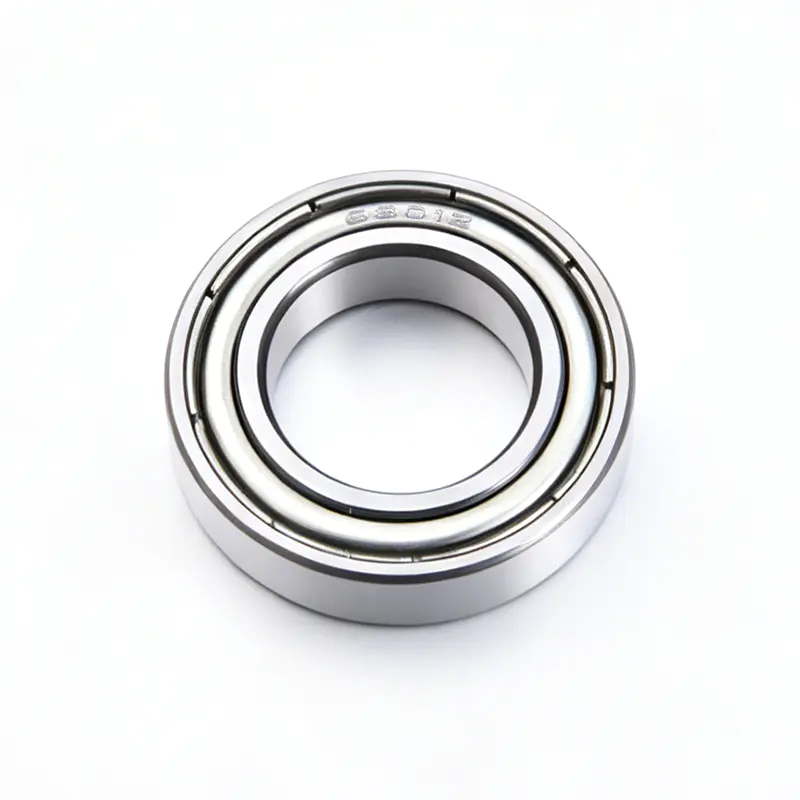
S688-2RS Ultra-Slim Deep Groove Ball Bearing Features a Thin Profile and Is Space-Saving

4. Stainless Steel Construction and Corrosion Resistance

Stainless steel is a major advantage in applications exposed to moisture, condensation, occasional splash, humid storage conditions, or corrosive operating environments. Ordinary bearing steel can provide excellent load capacity, but it may require additional environmental protection when exposed to water or corrosive substances. Stainless steel provides an additional level of material resistance that can help reduce surface oxidation and preserve functional reliability.

The product information refers to stainless steel grades including 440C and AISI 304. These grades are not interchangeable in every application. 440C is a hardened martensitic stainless steel commonly selected for bearing components because it can provide high hardness and wear resistance after suitable heat treatment. AISI 304 is an austenitic stainless steel known for strong general corrosion resistance, although its hardness and load-bearing characteristics differ from hardened bearing-grade materials.

For this reason, material selection should be matched to the intended operating conditions. A high-load, high-speed application may require a hardened bearing material and carefully controlled heat treatment. A corrosion-sensitive application may prioritize resistance to moisture or chemicals. In clean equipment, food-related machinery, laboratory instruments, or medical-adjacent mechanisms, the full material specification, lubricant type, seal material, and cleaning procedure should be reviewed together.

Stainless steel does not make a bearing immune to every form of corrosion. Chlorides, strong acids, alkaline cleaners, abrasive contaminants, and galvanic contact with dissimilar metals may still create risks. Proper storage, handling, lubrication, cleaning, and installation remain necessary. Nevertheless, stainless steel construction gives the S688-2RS an important advantage over basic carbon-chrome bearing options when environmental resistance is part of the design requirement.

5. Smooth Rotation and Low Operating Noise

Miniature bearings are frequently installed close to sensors, electronic components, microphones, optical elements, and user-facing surfaces. In these products, excessive vibration or bearing noise can reduce perceived quality and interfere with equipment operation. A properly manufactured S688-2RS is intended to provide smooth, stable rotation with low operating noise under suitable light-load conditions.

Low noise depends on several factors. Raceway geometry, ball size consistency, surface finish, internal clearance, cage design, lubricant quantity, sealing or shielding arrangement, and cleanliness all influence the final result. Even a high-quality bearing can become noisy if it is pressed into a distorted housing, mounted on an oversized shaft, contaminated during installation, or operated with excessive misalignment.

For miniature equipment, dimensional accuracy is particularly important because a small deviation can represent a significant proportion of the bearing’s total size. Controlled grinding and finishing of the raceways help support consistent contact between the balls and raceways. Consistent internal components help limit vibration and torque variation. Clean assembly helps prevent particles from creating localized damage or irregular running behavior.

Applications that benefit from quiet operation include compact electric motors, office equipment, precision instruments, miniature fans, optical mechanisms, medical equipment, and consumer electronics. The S688-2RS should still be tested in the actual assembly because system noise is affected by motor electromagnetic forces, gear meshing, housing resonance, shaft balance, and external vibration as well as the bearing itself.

6. Sealing, Shielding, and Lubricant Retention

The supplied information lists double metal shields, identified by the ZZ designation, while the product name includes the 2RS suffix. Both configurations are used to protect the internal rolling elements, but they function differently. Metal shields generally provide a non-contact barrier that limits the entry of larger particles and helps retain factory lubricant with relatively low friction. Rubber seals typically provide stronger contact protection against dust and moisture, but they may produce greater friction and heat at higher speeds.

Because the supplied data contains both descriptions, the final sealing arrangement should be verified on the drawing, quotation, purchase order, and inspection documentation. This confirmation is particularly important when the bearing is intended for dusty equipment, humid environments, high-speed operation, or applications with strict torque requirements.

A shielded arrangement may be suitable for clean or moderately protected equipment where low friction and compact construction are important. A sealed arrangement may be preferable where contamination or splash exposure presents a greater risk. The appropriate choice depends on the balance among contamination protection, speed, temperature, friction torque, lubricant life, and maintenance expectations.

Factory lubrication is another important consideration. Miniature bearings normally contain a carefully controlled quantity of grease or oil selected for the intended speed and temperature range. Too little lubricant may increase wear and noise, while too much lubricant may increase starting torque and operating temperature. Customers with specialized requirements should request information about lubricant type, operating temperature range, compatibility, and relubrication policy.

7. Load Capacity and Light-Load Performance

The S688-2RS has a listed dynamic load rating of approximately 830 N and a static load rating of approximately 400 N. These values show that the bearing is capable of supporting meaningful loads for a miniature bearing of its size. They also provide a useful basis for comparing candidate bearings during the preliminary design stage.

The dynamic load rating relates to bearing life calculations under rotating conditions. Engineers commonly use the rating together with the equivalent dynamic bearing load, rotational speed, operating conditions, and reliability target. The static load rating is used to evaluate stationary loads, slow oscillation, shock, or the risk of permanent indentation in the raceways and rolling elements.

In the intended light-load applications, the bearing can provide stable and efficient rotation when properly fitted and lubricated. Light-load service is common in miniature motors, instrument knobs, small rollers, office mechanisms, and low-power actuators. However, extremely light loads can sometimes create their own concerns, particularly at high speed, because the rolling elements may not maintain ideal traction. A suitable operating load, correct lubrication, and appropriate internal clearance should be considered.

Shock loads, belt tension, gear forces, axial preload, and cantilevered components may increase the actual equivalent bearing load. Engineers should calculate these loads rather than relying only on the weight of the rotating component. If the equipment experiences impact, vibration, frequent starts and stops, or sudden reversals, a safety factor should be included in the design.

8. Manufacturing Process and Engineering Control

The performance of a miniature bearing depends heavily on manufacturing precision. The small dimensions of the S688-2RS require careful control at every stage, from raw-material selection and ring forming to heat treatment, grinding, superfinishing, assembly, lubrication, and final inspection.

8.1 Material Preparation

Material preparation begins with the selection and verification of stainless steel suitable for the intended bearing components. Chemical composition, cleanliness, hardness potential, and material traceability are important. When different stainless steel grades are available, the manufacturer should match the material to the customer’s requirements rather than treating all stainless steel as identical.

Material certificates, incoming inspection, and batch identification help support traceability. This is especially valuable for OEM customers who need consistent production across multiple orders. Clear material documentation also helps identify the correct heat-treatment and finishing route.

8.2 Ring Machining

The inner and outer rings require accurate machining of the bore, outside diameter, raceways, shoulders, and side faces. The raceway profile must provide consistent contact with the balls while controlling friction and stress concentration. The bore and outside diameter must remain within the required dimensional tolerances so that the bearing can be installed correctly on the shaft and in the housing.

Grinding and finishing operations are used to improve roundness, dimensional consistency, and surface quality. In miniature bearings, small variations in roundness or raceway form can affect torque, noise, vibration, and service life. Controlled machining processes and calibrated measuring equipment are therefore essential.

8.3 Heat Treatment

Where a hardened stainless steel such as 440C is used, heat treatment must be carefully controlled. Hardness, dimensional stability, retained austenite, and resistance to distortion all affect the final bearing performance. Heat treatment parameters should be established according to the selected material grade and product requirements.

For stainless steel components, heat treatment is not only about achieving hardness. It must also preserve corrosion resistance and maintain the dimensional stability needed for miniature raceways. Improper treatment can create distortion, excessive brittleness, reduced hardness, or dimensional changes that compromise assembly accuracy.

8.4 Raceway Finishing

After heat treatment and rough grinding, precision finishing improves the raceway surface. Fine finishing can reduce surface roughness, support smoother rolling contact, and help lower vibration and friction. It also helps create a consistent contact pattern between the balls and the raceways.

For a compact bearing used in low-noise equipment, surface quality is especially important. A small roughness defect or localized damage can produce repetitive noise each time the affected area passes through the load zone. Careful finishing and inspection help reduce this risk.

8.5 Ball, Cage, and Retainer Control

The rolling elements must have consistent diameter, roundness, surface finish, and material quality. A miniature bearing contains very small components, and even minor variation among balls can influence load distribution and rotational smoothness. The cage or retainer must maintain appropriate ball spacing without introducing unnecessary friction.

Assembly procedures should control cleanliness, component matching, internal clearance, and lubricant quantity. Contamination from metal particles, dust, fibers, or moisture can reduce service life. A clean assembly environment and appropriate handling procedures are therefore important aspects of miniature-bearing production.

8.6 Shield or Seal Installation

Shield or seal installation must be consistent around the entire circumference. A deformed shield may rub against internal components or fail to provide the expected barrier. A damaged rubber seal may increase torque or allow contamination to enter. Proper tooling and visual inspection help ensure that the protective components are seated correctly.

As the supplied product data includes both a 2RS name and a ZZ specification, configuration control is particularly important for this model. A professional manufacturer should be able to distinguish the requested configuration in production documents, packaging labels, inspection records, and customer approvals.

8.7 Final Testing

Final inspection may include dimensional checks, rotational torque evaluation, noise and vibration testing, visual inspection, seal or shield verification, and sampling-based load or life assessment. The exact inspection plan depends on the customer’s quality requirements and the intended application.

Advanced testing equipment helps a manufacturer identify variations that cannot be detected by visual inspection alone. For miniature bearings, automated or instrumented testing can improve repeatability and provide more meaningful data for process improvement. The supplied company information states that products are strictly tested with advanced equipment and managed under ISO 9001 and ISO/TS 16949 systems.

9. Advantages Compared with Ordinary Competitor Options

The S688-2RS offers several advantages when compared with ordinary non-stainless, oversized, or inconsistently specified miniature bearings. The first is its highly compact form. A 5 mm width allows designers to reduce axial space without immediately moving to a much smaller bore that may weaken the shaft or limit the choice of mounting hardware.

The second advantage is stainless steel construction. In environments where humidity, condensation, or incidental exposure to moisture is possible, stainless steel can provide greater resistance to oxidation than standard carbon-chrome bearing steel. This can help protect running surfaces and preserve appearance and function in applications where corrosion would be unacceptable.

The third advantage is the balance between small size and practical load ratings. The listed 830 N dynamic rating and 400 N static rating provide a useful capacity for many compact mechanisms. The bearing is not intended to replace a larger bearing in heavy industrial service, but it can provide a strong miniature solution for appropriately sized loads.

The fourth advantage is application flexibility. The deep groove configuration is suitable for radial loads and limited axial loads in both directions. This allows a relatively simple bearing arrangement in many compact assemblies without requiring a more complex angular-contact or thrust-bearing design.

The fifth advantage is low weight. At approximately 0.003 kg, the bearing adds very little mass to a moving or portable assembly. Low bearing weight can contribute to reduced inertia, faster acceleration, lower energy consumption, and easier handling during production.

The sixth advantage is access to specialized manufacturing support. A company focused on miniature deep groove ball bearings can often provide more relevant engineering feedback than a broadline supplier whose primary products are large industrial bearings. Specialized support may include material recommendations, clearance selection, seal or shield selection, lubrication advice, sample development, OEM packaging, and production consistency.

These advantages should be evaluated through application testing rather than marketing claims alone. Competitor comparisons should include dimensional accuracy, rotational torque, noise, corrosion performance, load ratings, internal clearance, lubricant, sealing arrangement, documentation, delivery reliability, and total cost of ownership.

10. Applications

10.1 Precision Instruments

Precision instruments often contain small rotating knobs, scanning mechanisms, optical stages, miniature actuators, and sensor assemblies. The S688-2RS can support these mechanisms where smooth motion, compact dimensions, and stable operation are required. Stainless steel can also be beneficial where instruments are used in laboratories or environments subject to cleaning and humidity.

10.2 Micro Motors

Micro motors require bearings that fit within a limited rotor and housing envelope. The 8 mm bore and 16 mm outside diameter can be suitable for compact motor designs, depending on the shaft, rotor mass, speed, and load. Low noise and controlled rotational torque are important for fans, pumps, portable devices, and small automation systems.

10.3 Consumer Electronics

Consumer electronics often prioritize thinness, low weight, quiet operation, and a long service life with little maintenance. A slim miniature bearing can help designers reduce mechanical volume while maintaining a precise rotating interface. Possible uses include compact fans, adjustment mechanisms, hinges with rotary elements, small drive systems, and miniature positioning components.

10.4 Small Household Appliances

Small household appliances may contain compact motors, rollers, rotary selectors, and mechanisms exposed to variable temperature and humidity. Stainless steel construction can provide additional protection in suitable environments, although the bearing must still be protected from direct water jets, aggressive cleaners, and excessive contamination unless a suitable sealed configuration is confirmed.

10.5 Office Equipment

Printers, scanners, document feeders, compact copiers, and other office machines use many small rollers and rotating shafts. Low noise, reliable starting, and consistent torque are important because users may notice mechanical sounds immediately. The S688-2RS can be considered for compact roller assemblies and internal drive mechanisms where its load and speed limits are appropriate.

10.6 Medical and Laboratory Devices

Medical and laboratory equipment may require corrosion-resistant materials, quiet movement, compact installation, and repeatable performance. The bearing itself does not automatically satisfy medical-device regulations or sterilization requirements, so the complete material, lubricant, cleaning, and validation plan must be reviewed. Nevertheless, its stainless construction and miniature dimensions can make it a candidate for selected mechanisms.

10.7 High-Precision Miniature Machinery

Small automation equipment, inspection devices, pick-and-place mechanisms, compact measurement systems, and miniature transmission devices can benefit from an accurate deep groove bearing. In these applications, the bearing should be selected together with the shaft, housing, preload or clearance arrangement, and control system.

11. Company Manufacturing and Service Strengths

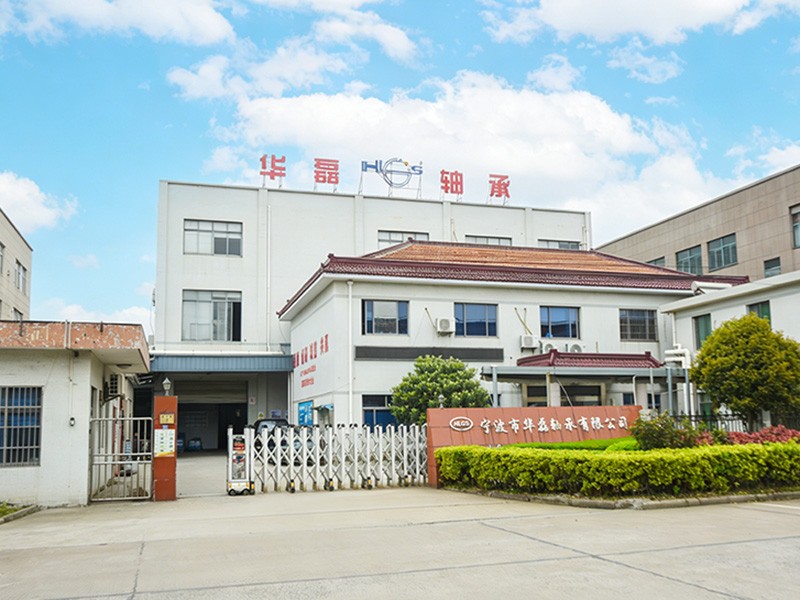
The manufacturer associated with this product was established in 2001 and specializes in miniature deep groove ball bearings. Long-term concentration in this product category can support practical process knowledge across material selection, miniature component production, assembly, inspection, and application engineering.

The company provides a range of deep groove ball bearings for food machinery, household appliances, automotive electromechanical systems, electric tools, mechanical transmission devices, and motors. This range indicates experience across different operating environments and customer requirements. Such experience can be useful when a customer needs more than a standard catalog bearing.

The company states that its products are tested using advanced equipment and that it follows ISO 9001 and ISO/TS 16949 management systems. ISO 9001 supports a structured quality-management approach, while ISO/TS 16949 was developed for automotive-related quality systems. Customers should request current certificates, scope statements, and applicable production records when formal compliance documentation is required.

The establishment of a dedicated import and export department in 2016 expanded the company’s ability to serve international customers. For overseas buyers, an experienced export function can help coordinate product specifications, packaging, documentation, shipping, customs information, and communication across time zones.

The company also provides OEM and ODM services. OEM support is valuable when a customer requires an existing bearing design with customer-specific labeling, packaging, documentation, or delivery arrangements. ODM support may be appropriate when a customer needs a modified bearing, a different material, a special clearance, a particular lubrication solution, or a configuration developed for a new mechanism.

Professional cooperation should include clear technical documentation. For the S688-2RS, the quotation or drawing should identify the exact dimensions, material grade, seal or shield arrangement, internal clearance, lubricant, tolerance class, noise requirements, load ratings, and inspection method. Confirming these items prevents misunderstandings caused by suffix differences or regional naming conventions.

12. Design and Installation Recommendations

Before selecting the bearing, calculate the actual radial and axial loads. Include the weight of rotating components, belt or gear forces, external operating loads, acceleration, shock, and any preload. Compare the calculated loads with the dynamic and static load ratings while applying a suitable safety factor.

Check the operating speed and temperature. A sealed bearing may have a different speed and friction profile from a shielded bearing. Grease type, seal material, internal clearance, and cage design can all affect temperature performance. If the application operates continuously at high speed, request a speed recommendation from the manufacturer.

Control the shaft and housing tolerances. An excessively tight fit can reduce internal clearance, increase friction, and generate heat. An excessively loose fit can allow creep, vibration, or fretting. The appropriate fit depends on the rotating ring, load direction, temperature, material, and required accuracy.

Keep the shaft and housing shoulders square to the bearing axis. Misalignment can place uneven loads on the balls and raceways. The housing bore should be clean, round, and free from burrs. The shaft should have a suitable chamfer so that the bearing ring is not damaged during installation.

Apply force only to the ring being fitted. If the bearing is pressed onto a shaft, apply installation force to the inner ring. If it is pressed into a housing, apply force to the outer ring. Transmitting pressing force through the balls can create raceway indentations and reduce service life.

Do not hammer directly on the bearing rings. Use a suitable press, mandrel, or installation sleeve. Avoid dropping miniature bearings, touching precision raceways with dirty hands, or exposing open packages to dust and moisture for extended periods.

After installation, check starting torque, rotational smoothness, noise, axial movement, and temperature rise. Early testing can identify incorrect fits, misalignment, excessive preload, contamination, or an incorrect seal configuration before the product enters mass production.

13. Procurement and Quality-Control Checklist

When purchasing the S688-2RS, the buyer should first confirm that the bearing number corresponds to the required dimensional series. The nominal dimensions are 8 mm bore, 16 mm outside diameter, and 5 mm width. The actual tolerance class and dimensional tolerance should be stated in the technical documentation.

The buyer should next confirm the exact material grade. If the application requires hardened 440C stainless steel, that requirement should not be replaced by a general statement such as “stainless steel.” If AISI 304 is requested for corrosion reasons, the buyer should confirm whether its mechanical properties are suitable for the expected load and speed.

The sealing or shielding arrangement must be confirmed. The supplied information refers to both 2RS and ZZ, so the customer should obtain a drawing or sample approval before placing a large order. The same configuration should appear consistently on the quotation, purchase order, packaging, inspection report, and product label.

Other useful quality documents may include material certificates, dimensional inspection reports, noise and vibration results, rotational torque data, lubricant information, batch traceability, and certificates related to the manufacturer’s quality-management systems. The level of documentation should be proportional to the risk and importance of the application.

For OEM programs, customers should also discuss annual demand, minimum order quantities, packaging format, labeling, delivery schedules, sample approval, change-control procedures, and nonconformance handling. Early clarification reduces the likelihood of production interruptions and helps ensure that the bearing remains consistent throughout the product life cycle.

14. Frequently Asked Questions

What are the dimensions of the S688-2RS?

The nominal dimensions are an 8 mm bore diameter, a 16 mm outer diameter, and a 5 mm width. This 8 × 16 × 5 mm size gives the bearing an ultra-slim profile for compact machinery and space-limited assemblies.

What type of bearing is the S688-2RS?

It is a miniature stainless steel deep groove ball bearing. The deep groove design is primarily intended for radial loads and can also accommodate limited axial loads in both directions when the application is correctly designed.

Is the S688-2RS made from stainless steel?

Yes. The supplied product information identifies stainless steel construction and lists 440C/AISI 304. Because these grades have different characteristics, the exact grade should be confirmed for the order and matched to the load, speed, corrosion, temperature, and cleanliness requirements.

Does the bearing have rubber seals or metal shields?

The product name uses the 2RS designation, while the specification table lists double metal shields, or ZZ. Customers should confirm the final configuration with the manufacturer before ordering. This distinction affects friction, contamination resistance, lubricant retention, and operating temperature.

What are the listed load ratings?

The listed dynamic load rating is approximately 830 N, and the listed static load rating is approximately 400 N. These values are useful for preliminary selection, but actual service life also depends on speed, load spectrum, lubrication, fit, alignment, contamination, vibration, and temperature.

What applications are suitable for this bearing?

Potential applications include precision instruments, micro motors, consumer electronics, small household appliances, office equipment, medical devices, laboratory mechanisms, and other high-precision miniature machinery. The final selection should be based on the actual load, speed, environment, and mounting conditions.

Can this bearing be used in wet environments?

Stainless steel construction can improve resistance to moisture-related corrosion compared with ordinary bearing steel. However, stainless steel alone does not guarantee waterproof performance. The seal or shield arrangement, lubricant, housing design, cleaning chemicals, and exposure conditions must all be evaluated.

What is the approximate weight?

The approximate weight is 0.003 kg, or about 3 grams. The low mass is beneficial for lightweight equipment and rotating assemblies where reduced inertia is desirable.

Can the bearing be customized?

OEM and ODM services are available according to the supplied company information. Possible areas for discussion may include material, internal clearance, lubrication, seal or shield configuration, packaging, labeling, inspection documentation, and other application-specific requirements. Any change should be confirmed through technical drawings and sample approval.

How should the bearing be installed?

Use a suitable press or installation tool and apply force only to the ring being fitted. Keep the shaft, housing, and bearing clean, remove burrs, maintain alignment, and avoid impacts through the balls. After installation, inspect torque, noise, temperature, and rotational smoothness.

Is the S688-2RS suitable for heavy industrial loads?

It is a miniature bearing intended primarily for compact equipment and light-load working conditions. Its listed load ratings may support moderate loads within its size class, but it should not be selected for heavy industrial duty without a complete engineering calculation and application test.

15. Conclusion

The S688-2RS ultra-slim stainless steel deep groove ball bearing provides a practical solution for machinery designers who need reliable rotation in a restricted installation space. Its 8 × 16 × 5 mm dimensions reduce the axial and radial envelope, while the stainless steel construction offers an advantage in applications where corrosion resistance is important.

Its listed dynamic load rating of approximately 830 N, static load rating of approximately 400 N, low operating noise, smooth rotation, wear resistance, and approximate weight of only 0.003 kg make it suitable for a broad range of miniature mechanisms. Potential uses include precision instruments, micro motors, consumer electronics, small household appliances, office equipment, medical devices, and compact high-precision machinery.

The product’s value also depends on manufacturing discipline. Precision machining, controlled heat treatment, raceway finishing, component matching, clean assembly, lubricant control, and final testing all contribute to miniature-bearing performance. A manufacturer with long-term specialization, structured quality systems, advanced testing equipment, and OEM or ODM capabilities can provide advantages beyond the bearing’s basic dimensions.

Before purchase, customers should confirm the exact stainless steel grade, seal or shield configuration, internal clearance, lubricant, tolerance class, operating speed, and inspection requirements. In particular, the difference between the 2RS designation in the product name and the ZZ configuration in the specification table should be clarified in writing. With accurate specification control and correct installation, the S688-2RS can support compact, quiet, corrosion-resistant, and dependable mechanical designs.

References

1. ISO 15, Rolling Bearings — Radial Bearings — Boundary Dimensions, International Organization for Standardization.

2. ISO 76, Rolling Bearings — Static Load Ratings, International Organization for Standardization.

3. ISO 281, Rolling Bearings — Dynamic Load Ratings and Rating Life, International Organization for Standardization.

4. ISO 9001, Quality Management Systems — Requirements, International Organization for Standardization.

5. ISO/TS 16949, Quality Management Systems — Particular Requirements for the Application of ISO 9001 for Automotive Production and Relevant Service-Part Organizations.

6. Manufacturer-supplied product specifications for the S688-2RS miniature stainless steel deep groove ball bearing.

7. General engineering principles for miniature rolling-bearing selection, installation, lubrication, and maintenance.

Product: S688-2RS Ultra-Slim Deep Groove Ball Bearing Features a Thin Profile and Is Space-Saving


Recent Articles