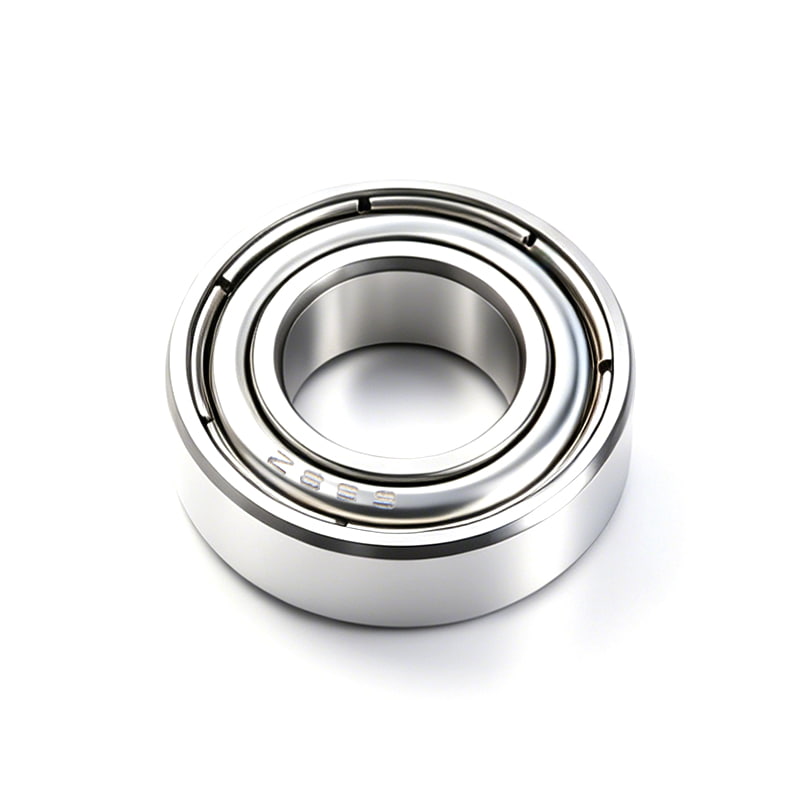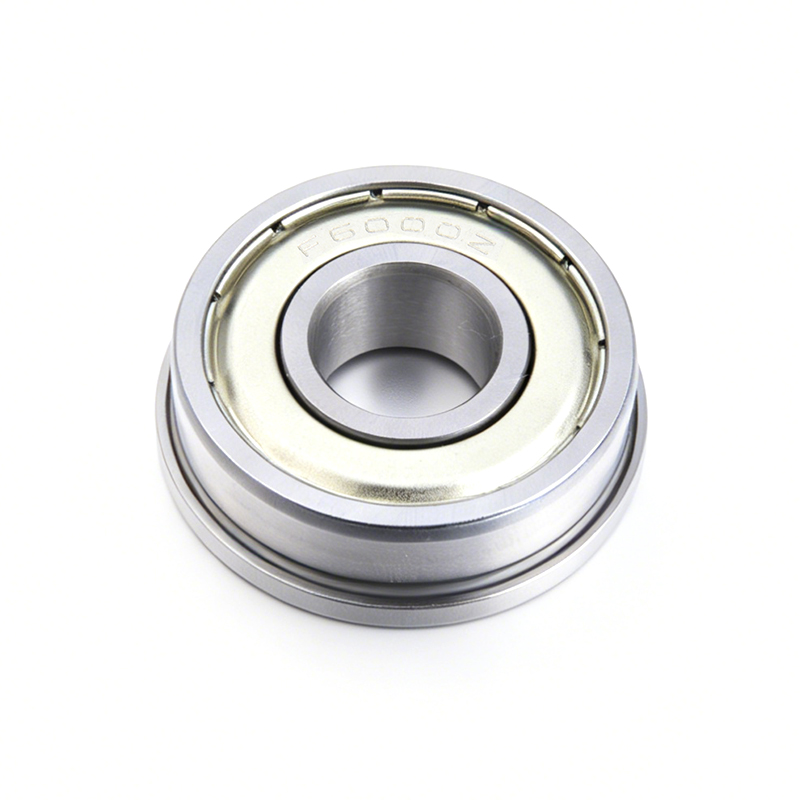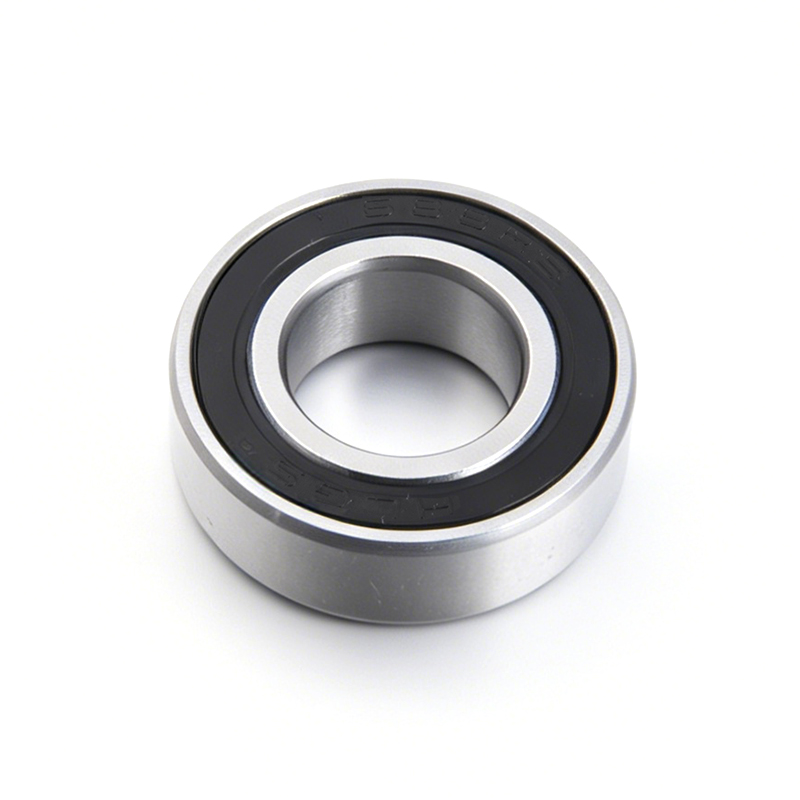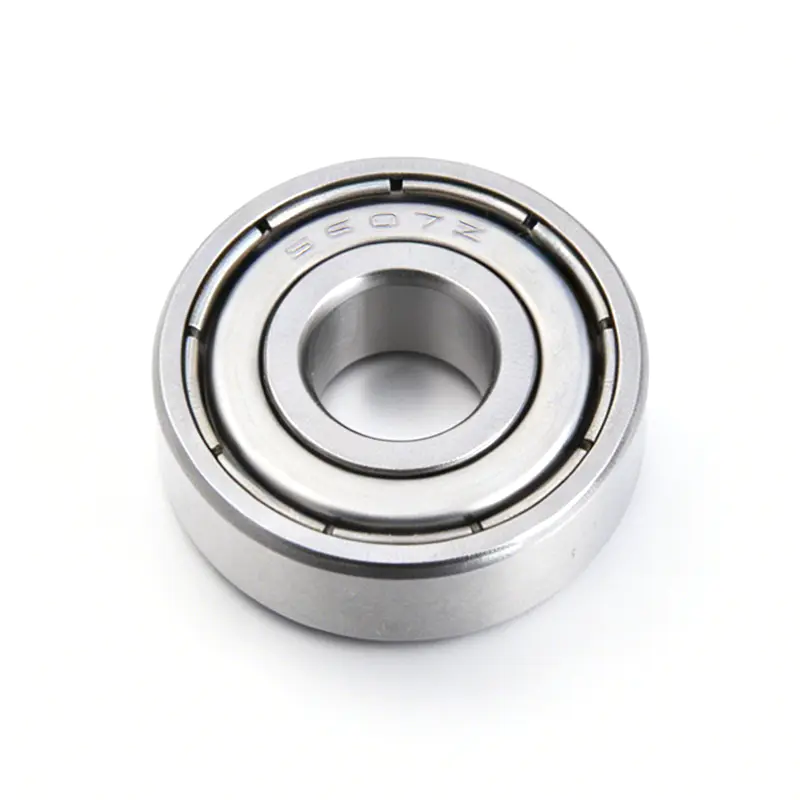
The 688ZZ deep groove ball bearing is a miniature bearing designed for equipment where space, operating noise, rotational speed, and dependable service are all important. With an 8 mm bore, a 16 mm outside diameter, and a 5 mm width, this bearing provides a practical solution for compact mechanisms that cannot accommodate a larger standard bearing. Its small envelope makes it suitable for miniature motors, electric toys, precision instruments, office equipment, and small household appliances.
Although miniature bearings occupy little physical space, they perform an important mechanical function. They support rotating shafts, reduce friction, maintain alignment, and help equipment operate smoothly over extended periods. A well-selected miniature bearing can influence the efficiency, sound level, temperature, service life, and overall reliability of an assembled product. The 688ZZ combines a single-row deep-groove configuration with double metal shields, high-grade GCr15 bearing steel, and a grease-lubricated limiting speed of up to 36,000 rpm.
This article examines the construction, performance, application range, selection advantages, manufacturing strengths, quality systems, and maintenance considerations associated with the 688ZZ. It also explains why a compact bearing with carefully controlled dimensions can outperform less specialized alternatives in demanding light-duty equipment.
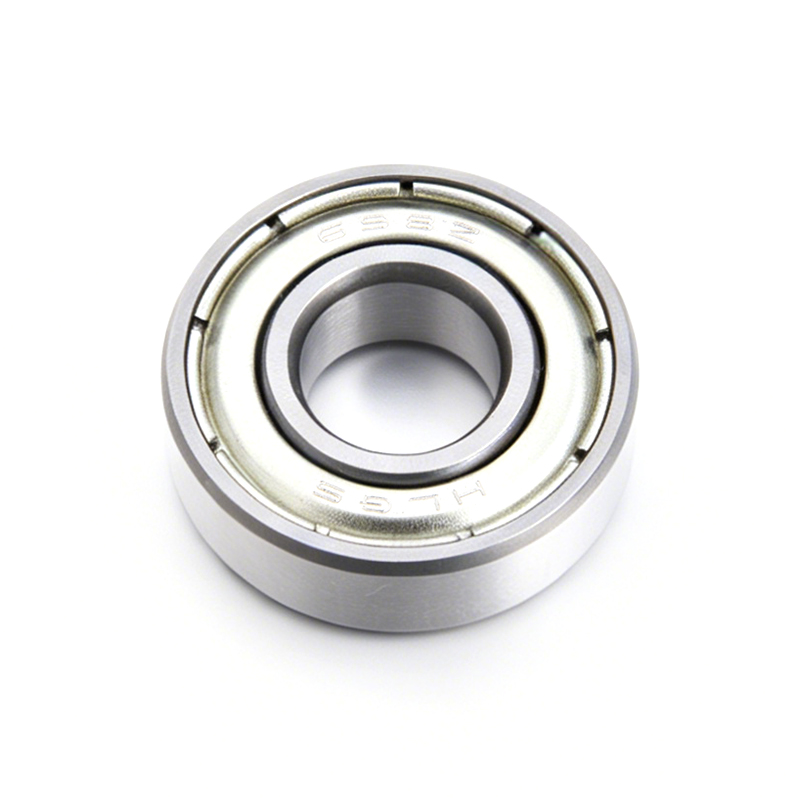
The 688ZZ is a miniature single-row deep-groove ball bearing. The “688” designation identifies the bearing series and basic size, while “ZZ” indicates that the bearing is fitted with two metal shields. These shields are positioned on both sides of the bearing to help limit the entry of dust and other external contaminants while retaining the factory-applied grease.
As a deep-groove bearing, the 688ZZ is designed primarily to support radial loads. It can also accommodate light axial loads in either direction, making it more versatile than a bearing intended only for one specific loading direction. This combination is useful in small motors and compact transmission systems, where the shaft may experience both radial forces from rotation and modest axial forces caused by assembly tolerances, gears, pulleys, fans, or other moving components.
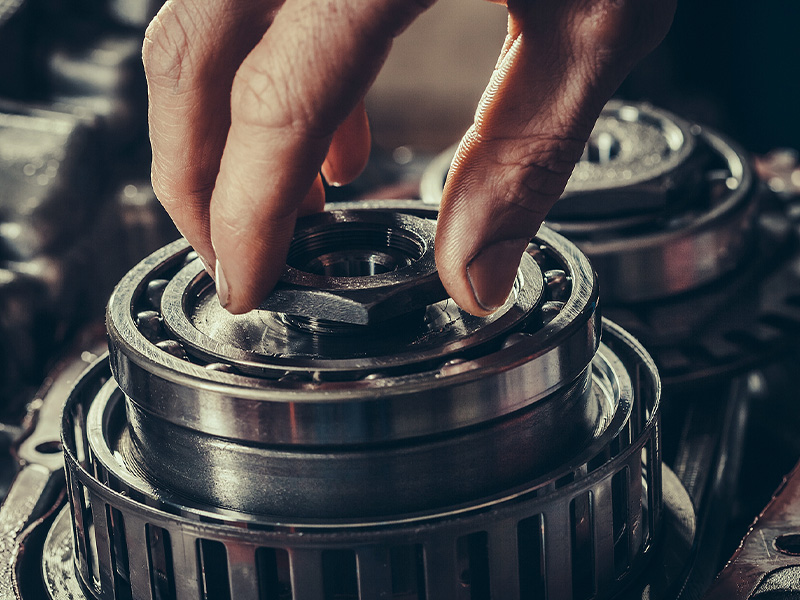
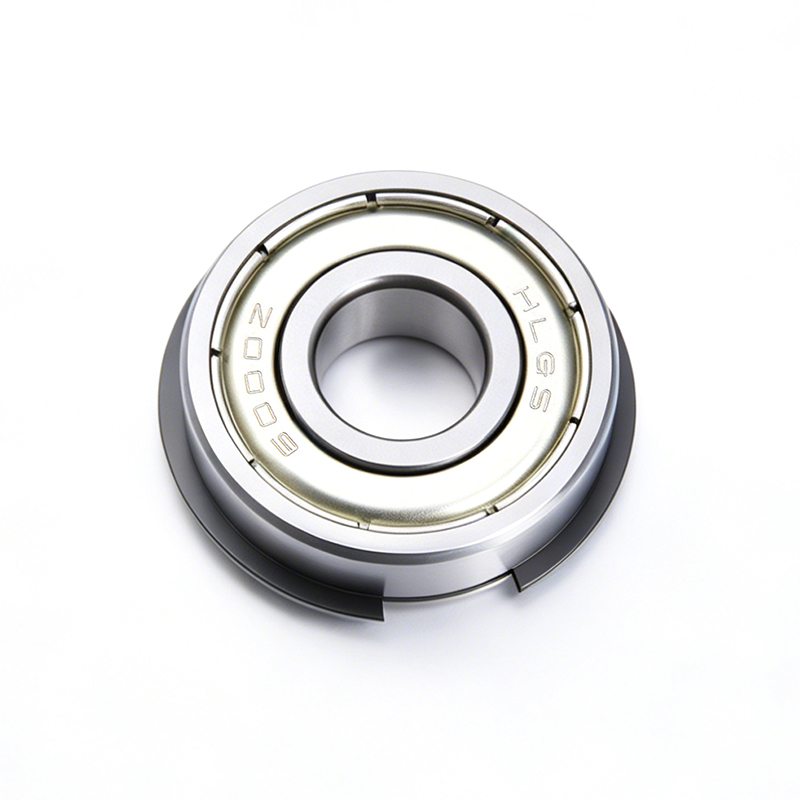
The bearing uses a conventional inner ring, outer ring, rolling balls, cage, and two metal shields. Each element contributes to dependable operation. The rings provide accurately finished raceways, the balls transfer load between the rings, the cage maintains ball spacing, and the shields help protect the internal lubricant and rolling elements from the surrounding environment.
| Parameter | Specification |
| Bearing number | 688ZZ |
| Configuration | Single-row deep-groove ball bearing |
| Bore diameter | 8 mm |
| Outside diameter | 16 mm |
| Width | 5 mm |
| Shield arrangement | Double metal shields, ZZ |
| Dynamic load rating | 1,260 N |
| Static load rating | 590 N |
| Material | GCr15 bearing steel |
| Grease-lubricated limiting speed | 36,000 rpm |
The dimensions of 8×16×5 mm make the 688ZZ especially useful when designers need a bearing with an 8 mm shaft fit but have limited radial and axial installation space. Its 5 mm width helps reduce the length of a bearing seat and can contribute to a smaller overall assembly. In compact products, saving several millimeters can make room for wiring, housings, sensors, gears, or other functional parts.

688ZZ Deep Groove Ball Bearing Features a Compact Design Ideal for Light-Duty Applications
The most immediate advantage of the 688ZZ is its compact geometry. Many small devices require reliable shaft support but do not generate the loads associated with large industrial machinery. Installing a larger bearing in such equipment can increase product size, mass, material consumption, and cost without providing a meaningful performance benefit. The 688ZZ is appropriately scaled for light-duty mechanisms and helps engineers use space efficiently.
Its 8 mm bore accommodates a common small shaft size, while the 16 mm outside diameter gives the housing designer a relatively small bearing seat. The 5 mm width is also advantageous in thin housings and narrow shaft arrangements. These dimensions may be particularly useful in portable equipment, miniature gearboxes, compact fans, small electric motors, robotic mechanisms, and precision assemblies.
A compact bearing can provide more than a dimensional advantage. Reducing the rotating mass and the size of associated components may help a motor reach operating speed more quickly. A smaller bearing seat can simplify housing design and reduce the amount of supporting material required. When many identical miniature bearings are used in a product family, a standardized size can also simplify procurement and production planning.
Compared with an oversized bearing, the 688ZZ can help avoid unnecessary frictional losses and installation complications. An oversized bearing may require a larger shaft, thicker housing, additional spacers, or modified seals. These changes can increase the total system cost and may make the equipment less efficient. By selecting a bearing that matches the actual load and available space, designers can achieve a more balanced mechanical design.
The deep-groove raceway profile gives the 688ZZ a broad range of practical uses. The raceways are formed to guide the balls smoothly while distributing applied loads across the rolling contacts. This design is well suited to radial loading, which is the primary load in many rotating shafts. Examples include the load created by a fan rotor, small pulley, gear, roller, or eccentric mechanism.
In addition to radial load capacity, the 688ZZ can support light axial loads in either direction. This capability is useful where the shaft may move slightly along its axis or where an assembly includes minor thrust generated by a helical gear, impeller, belt alignment, or thermal movement. The bearing should not be selected for heavy thrust duty beyond its intended rating, but its bidirectional axial capability adds flexibility in general-purpose miniature equipment.
The dynamic load rating of 1,260 N indicates the bearing’s capacity for repeated rolling contact under rotating conditions according to the applicable bearing rating methodology. The static load rating of 590 N relates to stationary or very slow-moving conditions and helps engineers evaluate the risk of excessive permanent deformation when loads are applied without normal rotation.
Load ratings should always be interpreted together with speed, lubrication, temperature, mounting accuracy, shaft and housing tolerances, and environmental conditions. A bearing operating near its speed limit or in a contaminated environment may not provide the same service life as one operating at a moderate speed in a clean, properly aligned assembly. Nevertheless, the stated ratings show that the 688ZZ offers useful load capability relative to its very small size.
Miniature bearings are frequently installed in motors and mechanisms that rotate faster than larger industrial assemblies. The 688ZZ has a grease-lubricated limiting speed of 36,000 rpm, making it suitable for many high-speed light-duty applications. This speed capability is a significant advantage where a bearing must rotate continuously without excessive heat generation or vibration.
Low friction is essential in miniature equipment. A small motor may have limited output power, so unnecessary bearing resistance can reduce available torque and electrical efficiency. In battery-powered products, lower mechanical resistance can help extend operating time. In precision equipment, smooth rolling can reduce disturbances that would otherwise affect measurement, positioning, or control accuracy.
The bearing’s low-friction performance depends on more than the bearing number alone. Correct shaft and housing fits, suitable grease quantity, proper alignment, adequate cooling, and reasonable preload all influence actual operating behavior. When these factors are controlled, the 688ZZ can support quiet, efficient rotation while helping minimize energy loss.
High-speed operation also requires careful attention to balance and installation. A shaft should be clean, straight, and free from burrs. Press-fitting force should be applied through the ring being fitted rather than transmitted through the rolling elements. Housing misalignment or excessive interference can create abnormal internal stress, increase temperature, and shorten service life. The compact size of the 688ZZ makes precise assembly especially important because small dimensional errors can have a noticeable effect on running performance.
The ZZ configuration means the bearing has two metal shields. These shields provide a practical barrier against dust, light particles, and general airborne contamination. They also help retain the grease inside the bearing, supporting long-term lubrication in applications where relubrication is difficult or unnecessary.
Metal shields are particularly suitable for clean or moderately protected environments. They offer low contact resistance because they do not normally rub directly against the inner ring. As a result, they can support high-speed rotation with relatively low friction. This makes the ZZ arrangement a logical choice for miniature motors, office equipment, electric toys, and household appliances where rotational speed and smoothness are important.
The shields should not be regarded as a complete barrier against water, corrosive chemicals, or heavy contamination. If a bearing is exposed to washdown, high humidity, abrasive dust, or liquid ingress, a contact-sealed bearing or another specialized design may be more appropriate. The 688ZZ performs best when installed in a reasonably clean housing with suitable protection from direct contamination.
Compared with an open bearing, the shielded design reduces the risk of lubricant loss and contamination during handling, assembly, and normal operation. Compared with some contact-sealed designs, metal shields can offer lower friction and higher speed potential. This balance between protection and rotational efficiency is one of the main reasons the ZZ configuration is widely used in small electromechanical products.
The 688ZZ is made from GCr15 bearing steel, a commonly used high-carbon chromium bearing steel selected for hardness, wear resistance, rolling-contact fatigue strength, and dimensional stability after heat treatment. Bearing rings and balls are exposed to repeated contact stress, so the material must withstand millions of rolling cycles without excessive pitting, spalling, or deformation.
GCr15 is widely recognized in bearing production because it provides a dependable balance of mechanical properties. When properly processed, it can produce hard, wear-resistant raceways and rolling elements while retaining the toughness needed for normal service. The quality of the final bearing depends not only on the steel grade but also on melting quality, forging, heat treatment, grinding, superfinishing, cleanliness, and inspection.
Material selection is especially important in miniature bearings. The small contact areas between balls and raceways create concentrated stresses. Any material inconsistency, surface defect, inclusion, or dimensional deviation can affect noise, vibration, fatigue life, and smoothness. For this reason, a miniature bearing manufacturer must maintain close control of material handling and process conditions throughout production.
GCr15 also provides a familiar material platform for customers who design products according to established bearing engineering practices. It is compatible with a broad range of conventional applications and can be integrated into standard procurement and maintenance systems. For general-purpose miniature equipment, this proven material choice reduces uncertainty during product development.
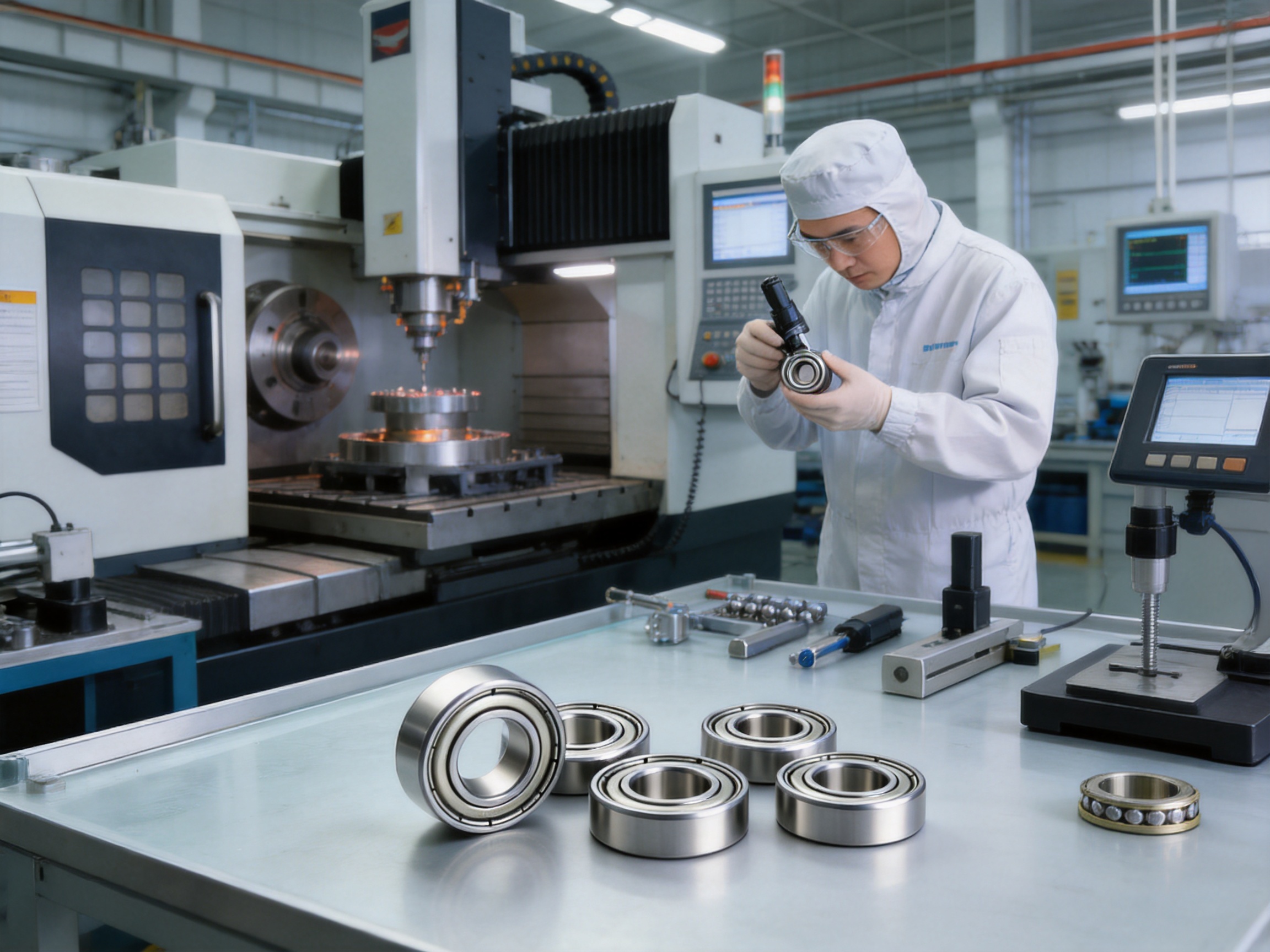
A miniature bearing may appear simple, but its performance is the result of numerous controlled manufacturing steps. The rings must be formed to the correct dimensions, heat treated to achieve the required hardness, ground to accurate raceway geometry, and finished to a smooth surface. Balls must be selected for size consistency and surface quality. The cage and shields must be produced and assembled without introducing deformation or contamination.
Manufacturing begins with suitable bearing steel and carefully controlled forming operations. Ring blanks are produced with sufficient material allowance for subsequent machining and finishing. Turning operations establish the basic ring profile, bore, outside diameter, and width. At this stage, accurate tooling and stable process control are necessary to ensure that later grinding operations can achieve consistent results.
Heat treatment is one of the most important stages in bearing production. It develops the hardness and structural properties needed for rolling-contact service. Excessive distortion during heat treatment can make it difficult to achieve final dimensional accuracy, so temperature control, holding time, cooling conditions, and batch management must be carefully monitored. Properly treated rings and balls provide the foundation for long service life.
After heat treatment, grinding operations bring the rings closer to their final dimensions and create accurate raceway surfaces. The bore and outside diameter must be compatible with the intended shaft and housing fits. Raceway roundness, curvature, waviness, and surface finish all influence friction, noise, vibration, and load distribution. In a miniature bearing, very small deviations can affect the way the balls move through the raceway.
Superfinishing and polishing can further improve the rolling surfaces. A smoother raceway reduces irregular contact and supports quiet operation. It can also help the lubricant form a more consistent film between the rolling elements and raceways. Surface quality is therefore not merely an appearance issue; it directly affects operating performance and fatigue behavior.
The balls are manufactured and graded to maintain consistent size, roundness, and surface finish. Uniform balls help distribute load evenly and reduce variation in internal running behavior. The cage must maintain the correct spacing between balls while allowing smooth movement and adequate lubricant circulation. Shields must be accurately formed and fitted so that they provide protection without contacting rotating components improperly.
Reliable bearing production requires inspection at multiple stages rather than relying only on a final check. Incoming material inspection helps verify steel quality and component specifications. In-process inspection can identify dimensional drift before a large quantity of parts is produced. Final inspection confirms that assembled bearings meet the required characteristics for size, appearance, running behavior, and packaging.
Important inspection areas may include bore diameter, outside diameter, width, roundness, radial clearance, shield fit, rotational torque, noise, vibration, and visual cleanliness. The exact inspection plan depends on product requirements and customer specifications. For miniature bearings, noise and vibration testing are particularly valuable because small irregularities can become noticeable in high-speed motors and precision instruments.
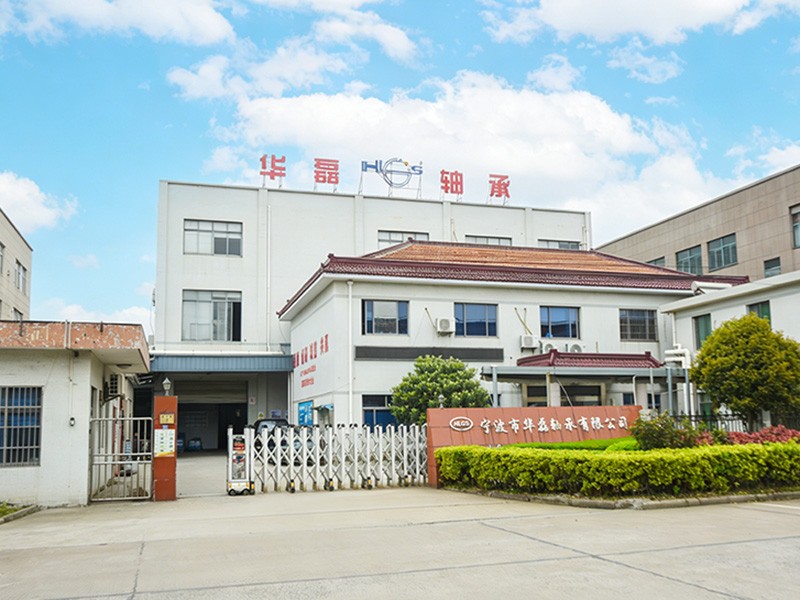
Ningbo Zhenhai Hualei Bearing Co., Ltd. states that its products are strictly tested with advanced equipment. The company follows ISO 9001 and ISO/TS 16949 management systems, demonstrating an emphasis on structured quality management and controlled production procedures. ISO-based systems support documented processes, traceability, corrective action, customer feedback management, and continual improvement.
The company was established in 2001 and has professional experience in miniature deep-groove ball bearing production. Its product range serves applications including food machinery, household appliances, automotive electromechanical systems, electric tools, mechanical transmission devices, and motors. This range of applications suggests practical familiarity with different requirements involving speed, noise, load, environment, and assembly volume.
For customers purchasing miniature bearings in production quantities, process consistency is as important as the specification of an individual sample. A bearing supplier should be able to maintain stable dimensions and operating characteristics across repeated batches. Consistency simplifies assembly, reduces adjustment requirements, and helps finished equipment perform uniformly from one production unit to the next.
The 688ZZ offers several advantages over generic or poorly matched alternatives. First, its dimensions are clearly defined and suitable for compact mechanisms. A larger bearing may consume unnecessary space, while an open bearing of the same size may provide less protection from dust and may require more attention to lubrication. The 688ZZ provides a balanced configuration for many clean, light-duty applications.
Second, the double metal shields support a cleaner operating environment inside the bearing. They help retain grease and reduce the entry of ordinary airborne particles. This can be more convenient than using an open bearing that requires additional external protection or periodic relubrication.
Third, the deep-groove configuration provides both radial support and light bidirectional axial capacity. A highly specialized bearing may be necessary for heavy thrust, extreme contamination, or unusual loads, but for general miniature mechanisms the 688ZZ can handle a broader range of ordinary loading conditions without complicating the design.
Fourth, the bearing combines compact dimensions with a high stated grease-lubricated speed limit. This makes it more suitable for small high-speed motors and rotating instruments than a basic bearing not designed with comparable speed performance in mind. Its low-friction behavior can also benefit battery-powered and low-power equipment.
Fifth, the use of GCr15 bearing steel provides a recognized material foundation for rolling-contact durability. When supported by accurate heat treatment, grinding, assembly, and testing, this material can provide stable performance in repeated operating cycles.
Finally, the supplier’s experience, quality systems, and OEM and ODM capabilities can offer advantages beyond the individual bearing. Customers may benefit from technical communication, production coordination, batch supply, packaging support, and cooperation on customized requirements. These factors can be important when the bearing is incorporated into a larger equipment program.
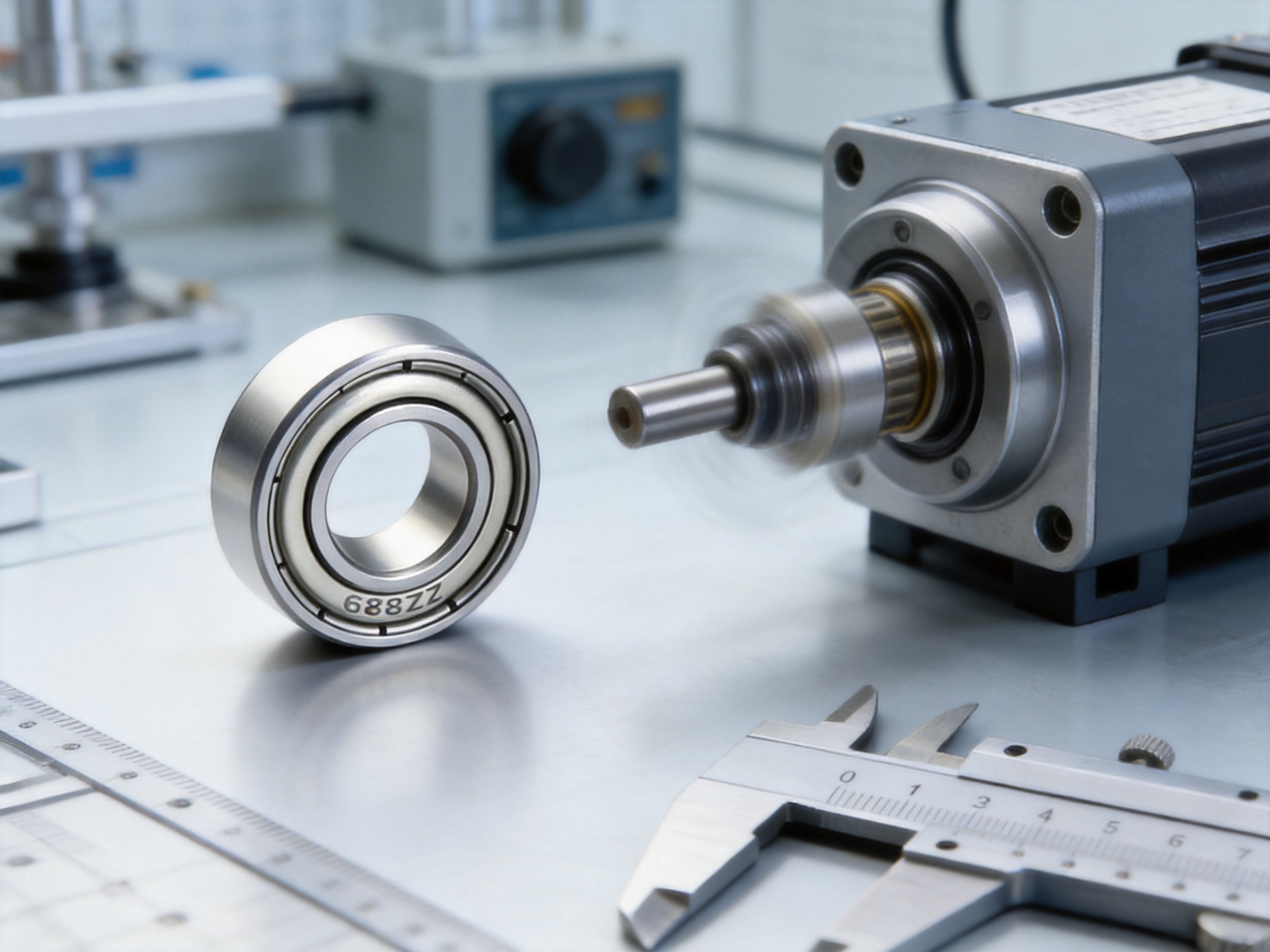
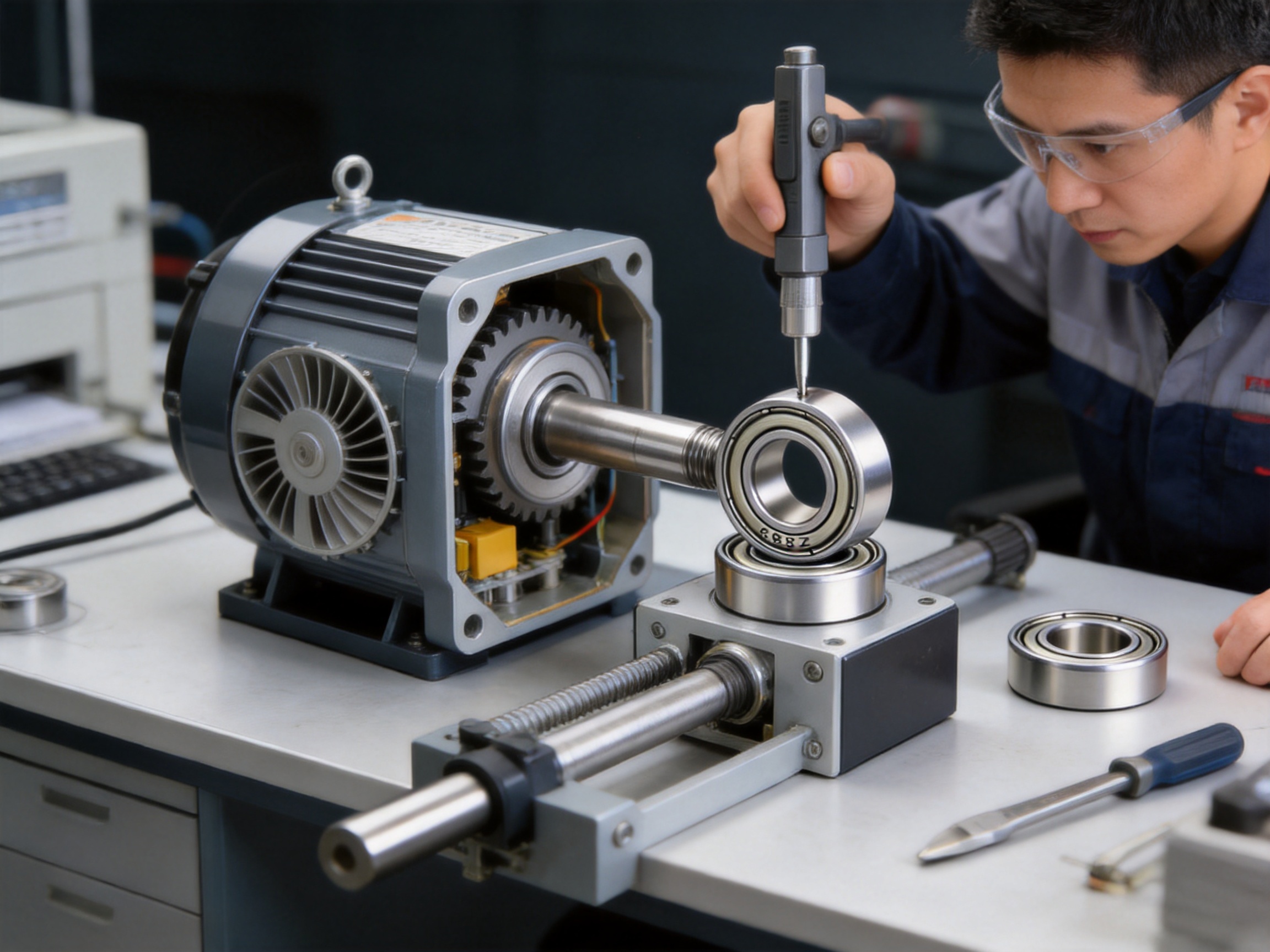
Miniature motors are among the most natural applications for the 688ZZ. Motors used in office equipment, small fans, toys, instruments, and household products often require bearings that occupy little space while supporting continuous rotation. The 8 mm bore can suit a compact motor shaft, and the 16 mm outside diameter can fit within a small end bracket or motor housing.
In a motor, the bearing helps maintain rotor alignment and limits shaft movement. A stable bearing arrangement can reduce vibration and prevent the rotor from contacting the stator or surrounding housing. Low friction helps the motor start efficiently and operate with less energy loss. The ZZ shields help protect the grease and internal surfaces from ordinary dust generated during product use.
Motor designers should still evaluate bearing load, speed, temperature, shaft fit, housing fit, and electrical considerations. In some motor constructions, stray electrical currents may require special insulation or alternative bearing solutions. The 688ZZ is most appropriate where the electrical and environmental conditions are compatible with a standard steel bearing.
Electric toys often include small motors, wheels, gear trains, steering mechanisms, or moving displays. These products benefit from quiet operation and compact dimensions. A noisy or rough bearing can be noticeable to users, especially when the product operates close to the ear or in a quiet room. The 688ZZ can help provide smooth rotation in appropriately designed toy mechanisms.
Small household appliances may use miniature bearings in fans, mixers, compact drives, oscillating mechanisms, or small pumps. The correct bearing choice depends on the specific load and environment. In dry, reasonably clean internal compartments, a metal-shielded bearing can offer a good combination of speed and protection. If the appliance is exposed to water, steam, food particles, or aggressive cleaning chemicals, the designer should assess whether a different sealing system and material specification are required.
Because appliances and toys are often produced in large quantities, stable supply and consistent quality are important. Variation in torque, noise, or dimensions can cause inconsistent finished-product performance. A supplier with established manufacturing systems and testing capabilities can help reduce this variation.
Precision instruments require smooth, predictable movement. Bearings may be found in small actuators, positioning systems, optical mechanisms, scanners, printers, document feeders, and other equipment. In these applications, low friction and low noise can be more important than maximum load capacity. The 688ZZ’s miniature envelope can support compact product architecture while its deep-groove design provides stable radial guidance.
Office equipment may operate for long periods and may include several rotating shafts. Bearing noise, vibration, and torque can affect user experience and the accuracy of paper handling or positioning. Properly installed 688ZZ bearings can support quiet movement in clean internal environments. The shields also help reduce contamination from ordinary office dust and particles, although the full equipment design should provide additional protection where necessary.
Precision applications require careful control of fits and alignment. A bearing should not be forced into position with impact loading. The shaft and housing should be manufactured within suitable tolerances, and the bearing should be supported evenly around the correct ring. Where multiple bearings are used, their alignment should be checked to prevent unwanted preload or skewing.
Small transmission devices may use the 688ZZ to support gears, rollers, pulleys, or other rotating components. The bearing can accommodate the radial loads generated by these elements and can accept light axial forces when the transmission arrangement produces limited thrust. Its compact design helps keep the gearbox or mechanism small.
When gears are involved, designers should calculate both radial and axial loads. Spur gears generally produce primarily radial loading, while helical gears can create additional thrust. Belt and pulley systems may generate radial loads based on belt tension. The 688ZZ is appropriate only when these loads remain within suitable limits and when the combined operating conditions do not exceed the bearing’s capabilities.
Transmission efficiency can be improved by reducing friction and ensuring accurate alignment. A bearing that is too large, poorly finished, contaminated, or incorrectly fitted can increase torque and generate heat. The 688ZZ provides a compact standard option, but the surrounding design must preserve the advantages of the bearing through correct installation and protection.
Proper installation is essential for achieving the intended performance of any miniature bearing. Before assembly, inspect the shaft, housing, and bearing. Remove burrs, chips, rust, and dirt. Confirm that the bearing number and dimensions match the design. Do not rotate a contaminated bearing unnecessarily, because particles can be drawn into the raceway.
When pressing the bearing onto a shaft, apply force to the inner ring if the inner ring is the interference-fit component. When pressing the bearing into a housing, apply force to the outer ring. Applying assembly force through the rolling elements can create brinelling or raceway damage. If both rings are interference fitted simultaneously, use suitable tooling that supports both rings evenly.
Avoid hammering directly on the shields, rings, or cage. Use a clean arbor press or an appropriate installation sleeve. Excessive force can alter the internal clearance, distort the rings, or damage the shield. For miniature bearings, even a small dent in a raceway may produce noticeable noise and vibration.
Alignment should be checked during installation. The shaft and housing axes should be sufficiently concentric, and the bearing should seat squarely against the proper shoulder. Excessive misalignment may cause uneven ball loading, increased friction, and premature fatigue. If the design requires a floating bearing arrangement, the appropriate ring should be allowed to accommodate thermal movement.
The 688ZZ is supplied as a shielded, grease-lubricated bearing. The factory lubricant supports convenient installation and normal operation without immediate relubrication. In many miniature products, the bearing is installed in a closed housing and operated for the expected service life of the equipment.
Grease quantity must be appropriate for the speed and temperature. Too little grease may reduce protection and increase wear, while too much grease can increase starting torque, operating temperature, and churning resistance. Users should not add random lubricants to a factory-greased miniature bearing without confirming compatibility. Mixing incompatible greases may cause softening, hardening, separation, or loss of performance.
The stated limiting speed of 36,000 rpm applies under specified grease-lubricated conditions and should not be treated as a universal operating target. Actual permissible speed depends on load, ambient temperature, lubrication, mounting, heat dissipation, vibration, and required service life. Continuous operation near the limit requires careful engineering validation.
Cleanliness is also important. Dust, abrasive particles, moisture, and chemical vapors can shorten bearing life. Although the ZZ shields provide useful protection, they are not designed to replace an environmental enclosure in severe conditions. Equipment housings should prevent direct exposure to contamination whenever possible.
Quiet operation is a major advantage in products such as electric toys, office equipment, instruments, and household appliances. Bearing noise can result from raceway waviness, ball variation, surface defects, contamination, cage movement, excessive clearance, poor fits, or shaft imbalance. Consistent manufacturing and clean assembly help minimize these sources.
Vibration may also originate outside the bearing. An unbalanced rotor, misaligned coupling, bent shaft, poorly machined housing, or gear error can produce vibration that is incorrectly attributed to the bearing. Troubleshooting should therefore examine the entire rotating system rather than replacing the bearing without identifying the root cause.
Service life is influenced by dynamic load, speed, lubrication, cleanliness, alignment, and temperature. Operating below the rated capacity does not guarantee unlimited life if the bearing is contaminated or improperly installed. Conversely, a properly installed bearing operating under moderate conditions can provide dependable service over a long period.
Regular monitoring may be appropriate for equipment that operates continuously or where failure would interrupt production. Changes in sound, temperature, torque, or vibration can indicate contamination, lubricant degradation, misalignment, or fatigue. Early detection allows maintenance personnel to replace the bearing before secondary damage occurs.
Many manufacturers need more than a standard catalog bearing. They may require specific packaging, batch labeling, inspection documentation, production scheduling, or technical coordination. Ningbo Zhenhai Hualei Bearing Co., Ltd. provides OEM and ODM services through its import and export department, Ningbo Hotex Mechanical & Electrical Technology Co., Ltd., established in 2016.
OEM cooperation can help customers source standard bearings under their own product or packaging requirements. ODM cooperation may involve coordinated development, application discussion, product selection, or adjustments to meet a particular equipment need. Any customized requirement should be evaluated technically before production, including load, speed, temperature, clearance, lubrication, shield configuration, and installation method.
A professional supplier can also support customers by helping verify whether the 688ZZ is appropriate for the intended application. This is valuable because miniature bearing selection is not based on dimensions alone. A bearing that fits physically may still be unsuitable if the speed, load, environment, or accuracy requirements exceed its design range.
The company’s stated philosophy of sincere trust and efficient service reflects the importance of communication in international bearing supply. Clear technical specifications, agreed inspection standards, documented packaging requirements, and reliable delivery coordination help reduce misunderstandings between manufacturers and customers.
When evaluating the 688ZZ, first confirm the required bore, outside diameter, and width. The bearing should match the shaft and housing design without forcing the assembly to use unsuitable adapters or modifications. If the 8×16×5 mm envelope is correct, the next step is to confirm the loading and speed conditions.
Calculate the expected radial and axial loads under normal operation, start-up, stopping, shock, and abnormal conditions. Compare the results with the dynamic and static load ratings. Consider whether the bearing will rotate continuously, intermittently, or only through small oscillating movements. Oscillation, shock, or frequent starts may produce different stress conditions from steady rotation.
Review the speed requirement and temperature range. A system operating at 10,000 rpm may have a generous speed margin, while a system operating close to 36,000 rpm requires more detailed validation. Examine heat generation, ventilation, grease behavior, shaft balance, and housing stiffness.
Evaluate the environment. The ZZ metal shields are well suited to clean and moderately protected conditions. For water exposure, heavy dust, corrosive chemicals, or frequent washdown, consider whether a different bearing construction is more appropriate. The correct choice should reflect the actual conditions throughout the product’s service life, not only the conditions in a laboratory.
Finally, define the required quality documentation and supply conditions. Buyers may need inspection reports, material information, batch traceability, packaging specifications, or samples for qualification. Discuss these requirements with the supplier before placing a production order.
Using a recognized bearing size such as 688ZZ can simplify design and maintenance. Standard dimensions make it easier to source replacements, compare suppliers, establish assembly tooling, and maintain inventory. Standardization also allows engineers to draw on existing application experience rather than developing an entirely new bearing arrangement.
For manufacturers producing several product models, a common miniature bearing size may reduce the number of parts that must be stocked. This can lower purchasing complexity and make maintenance training easier. If the bearing meets the technical requirements of multiple products, standardization may also support higher purchasing volumes and more stable production planning.
However, standardization should not replace engineering verification. Two bearings with the same basic number may differ in quality, internal clearance, lubricant, noise level, packaging, or inspection practice. Customers should specify the performance requirements that matter to their application and evaluate samples under representative conditions.
688ZZ identifies a miniature single-row deep-groove ball bearing with an 8 mm bore, a 16 mm outside diameter, a 5 mm width, and two metal shields. The ZZ suffix refers to the double-shield arrangement.
The bearing is designed primarily for radial loads and can also support light axial loads in both directions. Its stated dynamic load rating is 1,260 N, and its static load rating is 590 N. Actual suitability depends on speed, installation, lubrication, temperature, and operating conditions.
Yes. Its stated grease-lubricated limiting speed is 36,000 rpm. The actual operating speed should be selected with consideration for load, temperature, grease quantity, alignment, balance, and required service life.
The two metal shields help retain grease and limit the entry of dust and ordinary external particles. They are suitable for many clean or moderately protected applications but should not be treated as a complete waterproof or contamination-proof sealing system.
The bearing is made from GCr15 bearing steel. This material is widely used for bearing rings and rolling elements because of its hardness, wear resistance, and rolling-contact fatigue performance after suitable heat treatment.
Yes. Miniature motors are a common application, provided the motor’s shaft size, radial and axial loads, speed, temperature, and environmental conditions are compatible with the bearing’s characteristics.
It is supplied as a grease-lubricated, shielded bearing and normally does not require immediate additional lubrication. Adding lubricant without confirming compatibility can be harmful. Any relubrication program should be based on the equipment design and bearing operating conditions.
The ZZ configuration provides useful protection but is not intended for severe water exposure, heavy abrasive contamination, or aggressive chemicals. Such applications may require a different sealing arrangement, special materials, or additional external protection.
Keep the bearing, shaft, and housing clean. Apply installation force through the ring that has the interference fit, use suitable tooling, and avoid impact through the rolling elements. Confirm that the bearing is seated squarely and that the shaft and housing are properly aligned.
An OEM and ODM supplier can support customized packaging, production coordination, technical communication, inspection requirements, and application-specific cooperation. This can be valuable for customers purchasing bearings for large-volume or specialized equipment programs.
Customers should provide the supplier with the shaft and housing dimensions, load data, speed, temperature, environment, duty cycle, expected life, and installation method. Sample testing under actual or simulated operating conditions is recommended before full-scale production.
The 688ZZ deep groove ball bearing is a compact and versatile solution for light-duty rotating equipment. Its 8×16×5 mm dimensions make it suitable for space-constrained assemblies, while its single-row deep-groove construction supports radial loads and light axial loads in either direction. Double metal shields help retain grease and protect the internal components from ordinary dust, and the GCr15 bearing steel provides a proven material foundation for rolling-contact performance.
With a stated grease-lubricated limiting speed of 36,000 rpm, a dynamic load rating of 1,260 N, and a static load rating of 590 N, the bearing is well matched to many miniature motors, electric toys, instruments, office machines, small appliances, and compact transmission systems. Its low-friction and quiet-running characteristics can contribute to efficient, comfortable, and reliable equipment operation.
The performance of a miniature bearing depends on more than its catalog dimensions. Manufacturing accuracy, heat treatment, grinding, surface finishing, ball quality, cage assembly, shield fitting, cleanliness, inspection, and packaging all influence the final result. Ningbo Zhenhai Hualei Bearing Co., Ltd. brings professional experience dating from 2001, structured quality management under ISO 9001 and ISO/TS 16949 systems, advanced testing equipment, and OEM and ODM cooperation capabilities to the supply of miniature deep-groove ball bearings.
For engineers and purchasing teams, the 688ZZ offers a practical balance of compact size, speed capability, protection, material reliability, and application flexibility. When its operating limits are respected and installation is performed correctly, it can provide dependable support for the next generation of small, efficient, and precision-oriented mechanical products.
1. Manufacturer-provided 688ZZ product specifications, including dimensions, load ratings, shield arrangement, material, and limiting speed.
2. Manufacturer-provided company information concerning miniature deep-groove ball bearing production, testing, quality management systems, and OEM and ODM services.
3. ISO 9001, Quality Management Systems—Requirements.
4. IATF 16949, Quality Management System Requirements for Automotive Production and Relevant Service Parts Organizations.
5. General engineering principles for rolling bearings, including bearing load ratings, shaft and housing fits, lubrication, mounting, alignment, and operating life.
6. General materials engineering references concerning high-carbon chromium bearing steels and rolling-contact fatigue performance.
7. General maintenance guidance for miniature ball bearings used in motors, instruments, office equipment, appliances, and compact transmission mechanisms.
A spindle starts to leave a faint chatter mark at 8,000 rpm. The deep groove ball bearing meets its...
A motor that has run for years rarely announces a bearing failure early. The first sign is a low hu...
Picture a maintenance engineer holding a replacement bearing stamped 6204-2RS C3. The part looks id...
Fundamental Definitions and Classifications of Miniature Transmission Systems In modern precision me...