Amina Shen — Customer Support and Sales Specialist
Home / Author / Amina Shen — Customer Support and Sales Specialist / 698ZZ Deep Groove Ball Bearing for Compact, High-Speed Precision Applications

698ZZ Deep Groove Ball Bearing for Compact, High-Speed Precision Applications

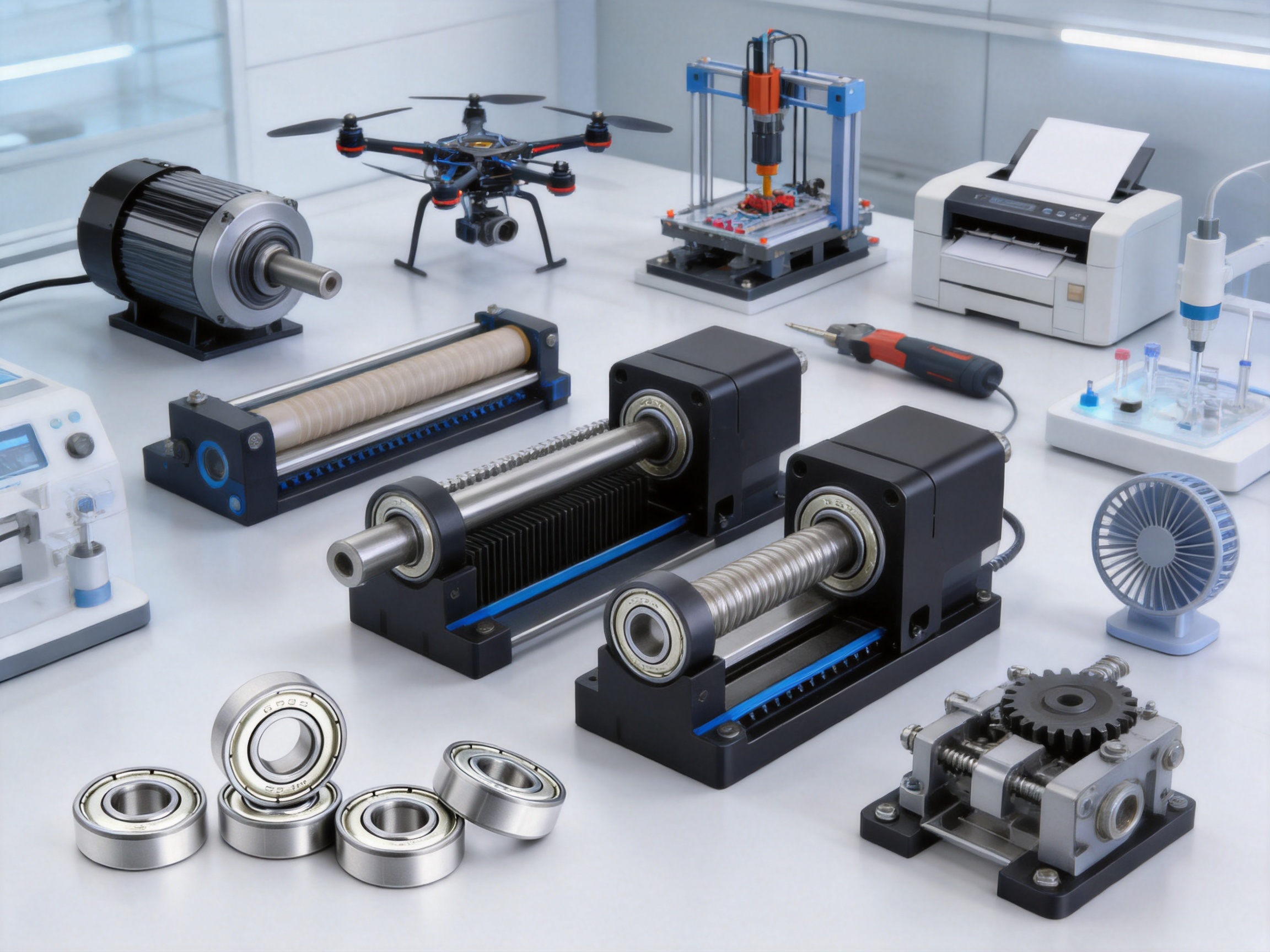
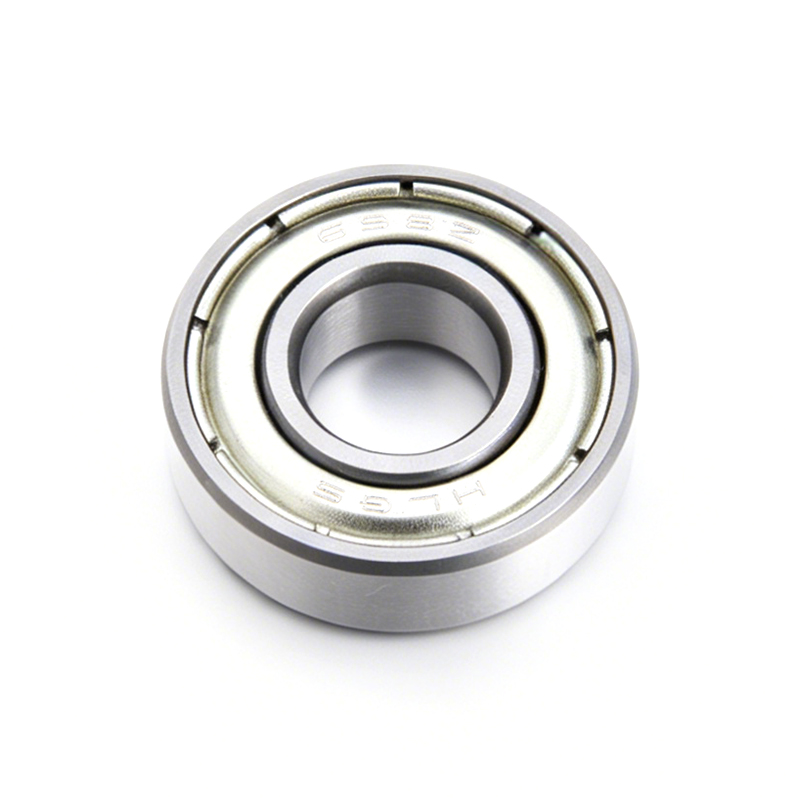
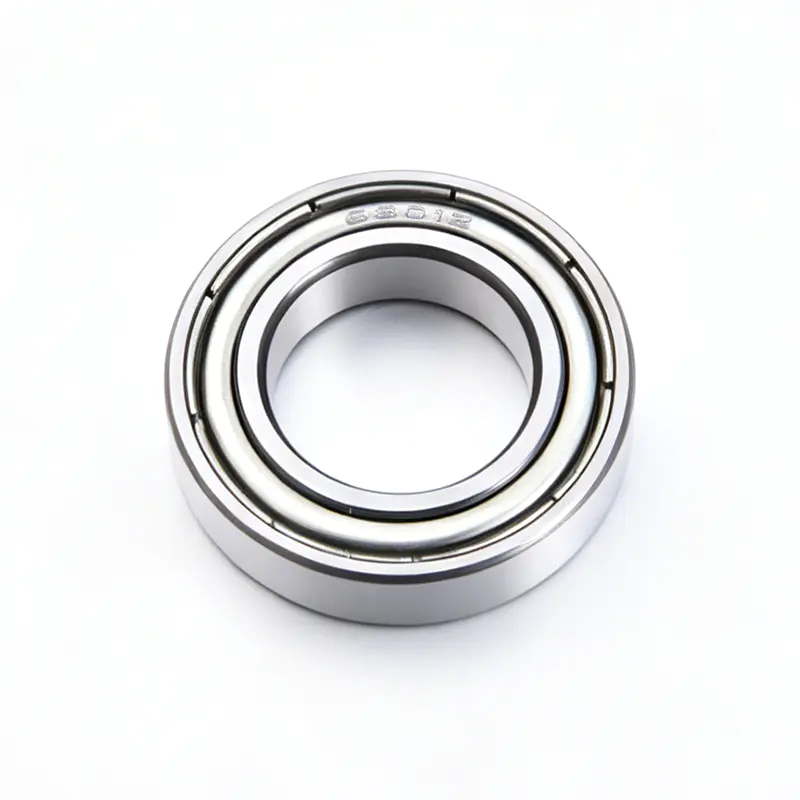
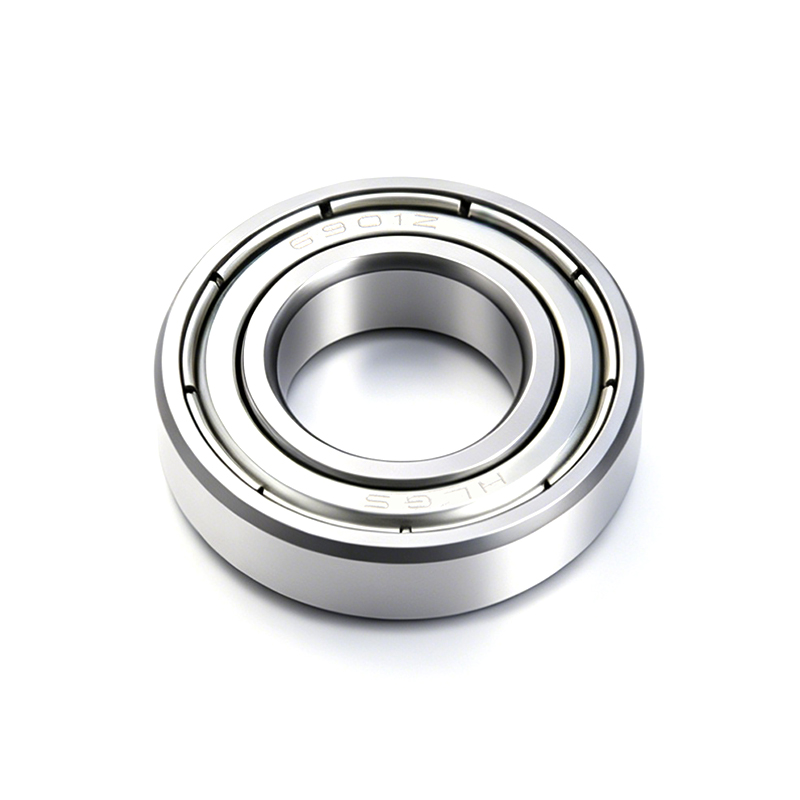
The 698ZZ deep groove ball bearing is a compact miniature bearing designed for equipment that requires dependable rotation, low friction, dimensional consistency, and efficient use of installation space. With an 8 mm bore, 19 mm outside diameter, and 6 mm width, this bearing provides a practical solution for small tools, precision mechanisms, electric motors, drones, 3D printers, office equipment, medical devices, and other applications in which every millimeter matters.

Although miniature bearings occupy very little physical space, their performance requirements are demanding. A small bearing must support rotating components accurately, control friction, limit noise, resist contamination, and maintain stable operation at elevated speeds. The 698ZZ addresses these requirements through a thin-wall 69-series design, hardened GCr15 bearing steel, double-sided metal shields, and manufacturing processes intended to deliver reliable dimensional and running performance.

This article examines the construction, operating characteristics, engineering advantages, application value, quality considerations, and manufacturing strengths associated with the 698ZZ. It also explains how buyers can select, install, lubricate, and maintain this type of miniature deep groove ball bearing for long and consistent service life.

Product Overview

The 698ZZ is a single-row miniature deep groove ball bearing. Its internal geometry allows it to accommodate primarily radial loads while also handling limited axial loads in both directions. This makes it more versatile than a bearing designed only for one loading direction.

The bearing has a nominal bore diameter of 8 mm, an outer diameter of 19 mm, and a width of 6 mm. These dimensions make it suitable for compact shafts and housings where a larger bearing would be unsuitable. The relatively thin cross-section helps designers reduce assembly size and total equipment weight without giving up the basic rigidity required for many small rotating mechanisms.

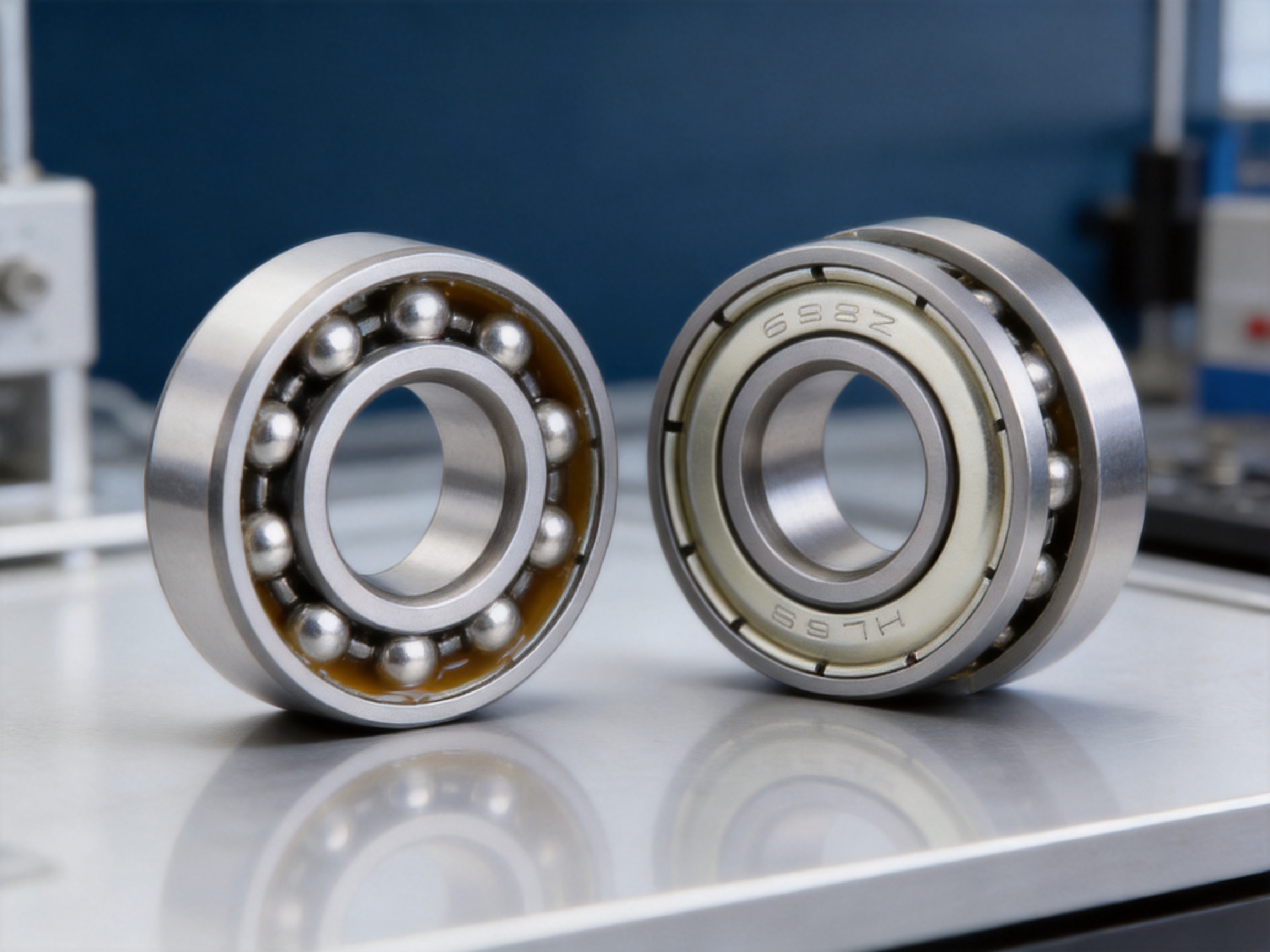
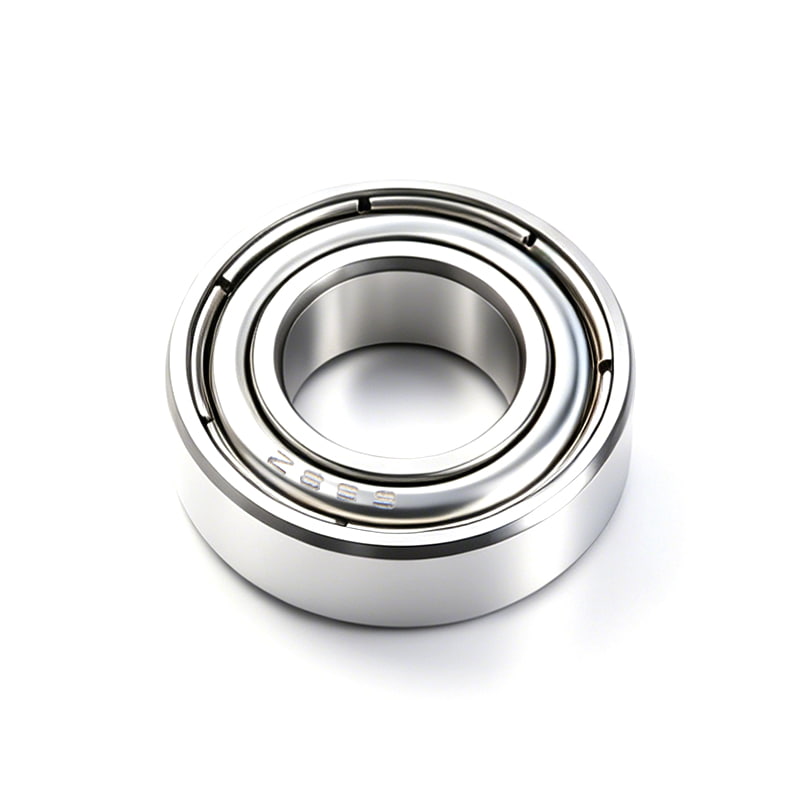
The “ZZ” suffix identifies two non-contact metal shields, one on each side of the bearing. These shields help prevent large dust particles and general airborne contaminants from entering the internal rolling area. Because the shields do not normally contact the inner ring, they can support lower frictional torque and higher speed capability than many contact-sealed arrangements.

The standard material is GCr15 bearing steel, a widely used high-carbon chromium bearing steel known for hardness, wear resistance, fatigue strength, and dimensional stability after appropriate heat treatment. The material is suitable for balls, rings, and other precision bearing components when processed under controlled conditions.

Parameter Specification
Bearing number 698ZZ
Type Single-row miniature deep groove ball bearing
Bore diameter 8 mm
Outside diameter 19 mm
Width 6 mm
Shield arrangement Double-sided metal shields, ZZ
Basic dynamic load rating Approximately 1,800 N for the listed specification
Basic static load rating Approximately 830 N
Material GCr15 bearing steel
Typical accuracy options ABEC-1 through ABEC-5, subject to configuration

Actual performance depends on load direction, speed, lubrication, fit, operating temperature, shaft and housing accuracy, contamination, and installation quality. The listed load values should therefore be used as reference ratings rather than as a substitute for application-specific bearing calculations.

698ZZ Deep Groove Ball Bearing Is Suitable for Small Tools and Precision Parts

Why the 698ZZ Design Is Valuable in Compact Equipment

Space-efficient dimensions

The primary advantage of the 698ZZ is its compact envelope. The 8 mm bore accommodates a small shaft, while the 19 mm outside diameter permits installation into relatively small housings. At only 6 mm wide, the bearing can be incorporated into assemblies where axial space is restricted.

Compact dimensions can benefit equipment designers in several ways. A smaller bearing arrangement may reduce the size of a motor, transmission, spindle, pulley, fan, wheel, or articulated joint. It can also simplify the overall housing and reduce the amount of supporting material required around the rotating element. In portable equipment, a smaller bearing can contribute to lower weight and improved energy efficiency.

Compared with larger bearings selected for the same general purpose, the 698ZZ can provide a more efficient use of internal space. Its 69-series thin-wall structure is particularly useful when the design objective is to balance load capacity and rigidity without increasing the external dimensions of the assembly.

Balanced radial and axial capability

Deep groove ball bearings are widely used because their raceway geometry provides a practical balance between radial load support and limited axial load handling. The 698ZZ is therefore appropriate for rotating parts that experience radial forces together with thrust generated by belts, gears, fans, small wheels, or minor assembly offsets.

A deep groove structure is often easier to integrate than a specialized bearing arrangement requiring separate radial and thrust components. For compact machinery, reducing the number of components can simplify assembly, shorten the axial stack-up, and reduce potential sources of misalignment.

The bearing should not be treated as a replacement for a dedicated angular-contact or thrust bearing when substantial axial force is present. However, for many small mechanisms with moderate combined loading, the deep groove configuration offers a useful and economical solution.

Low friction and efficient rotation

The non-contact metal shields used in the ZZ configuration help limit the entry of larger particles while avoiding the continuous rubbing contact associated with many contact seals. This design can support relatively low frictional torque, especially when the bearing is correctly lubricated and operated within its intended load and speed range.

Low friction is important in small motors, miniature fans, drone mechanisms, office machines, and battery-powered devices. A reduction in bearing resistance can help lower power consumption, reduce heat generation, improve battery endurance, and support smoother startup. It may also contribute to more consistent speed control in precision equipment.

Low friction does not mean that the bearing is friction-free. Rolling contact, lubricant viscosity, preload, seal or shield geometry, shaft fit, and external loading all influence operating torque. A correct specification and proper installation remain essential for achieving the expected benefit.

High-speed suitability

The compact rolling elements, thin-wall design, and non-contact metal shields make the 698ZZ suitable for medium- to high-speed applications. Under appropriate oil lubrication and favorable operating conditions, the limiting speed can exceed 30,000 revolutions per minute. The actual permissible speed depends on the lubricant, load, temperature, cage design, mounting condition, and required service life.

High-speed operation requires more than selecting a bearing with a high nominal speed value. The shaft must run concentrically, the housing must support the outer ring evenly, and the assembly must not introduce excessive preload. Lubricant quantity is also important. Too little lubricant can increase wear and temperature, while too much grease can create churning resistance and raise running temperature.

For high-speed applications, engineers should verify the speed rating under the exact lubrication and load conditions. If the equipment operates near its maximum speed continuously, testing under representative temperature, vibration, and load conditions is recommended before final production release.

Protection from ordinary dust

The two metal shields create a barrier around the rolling elements and retain the factory lubricant inside the bearing. They are effective against larger dust particles and help reduce the direct entry of common workshop or equipment contaminants.

Metal shields are especially useful in applications where low friction and rotational speed are more important than complete environmental sealing. Examples include small electric motors, office equipment, fans, light mechanisms, and enclosed transmission systems.

Because ZZ shields are not equivalent to fully contacting rubber seals, they should not be selected for heavy water exposure, abrasive slurry, corrosive chemicals, or open outdoor environments without additional protection. In such conditions, a sealed configuration, external labyrinth, protective housing, or application-specific bearing design may be more suitable.

Material and Internal Construction

GCr15 bearing steel

GCr15 is a conventional bearing steel used throughout the bearing industry. Its composition and heat-treatment potential allow manufacturers to produce rings and rolling elements with the hardness and wear resistance required for repeated rolling contact.

A miniature bearing places strict demands on material quality because its components are small and its contact areas are highly concentrated. Small imperfections can have a disproportionate influence on noise, vibration, fatigue life, or torque. For this reason, steel cleanliness, heat-treatment uniformity, grinding control, and surface finishing are important parts of the manufacturing process.

When properly processed, GCr15 offers a combination of hardness, fatigue resistance, dimensional stability, and cost efficiency. This makes it suitable for miniature bearings used in commercial machinery and industrial equipment where dependable performance is required without the cost of more specialized materials.

Precision rings and raceways

The inner and outer rings contain carefully ground raceways that guide the balls during rotation. Raceway geometry influences load distribution, contact stress, torque, noise, and service life. A consistent raceway surface allows the rolling elements to move smoothly and helps reduce localized stress concentration.

In miniature bearings, dimensional tolerances are closely related to the quality of the shaft and housing fit. An inner ring bore that is too tight can create excessive internal preload, while an overly loose fit can allow creep or unwanted movement. Similarly, a housing that is not round or coaxial can distort the outer ring and increase torque.

Manufacturing control of the rings therefore includes more than achieving nominal diameter. It also involves roundness, waviness, raceway form, surface roughness, parallelism, and consistency between production lots.

Rolling elements and cage function

The balls transfer load between the inner and outer rings while rolling through the raceways. Their diameter consistency, roundness, surface finish, and material condition influence the smoothness and noise level of the finished bearing.

The cage separates the balls, helps maintain their spacing, and guides them around the bearing. Correct cage operation reduces the likelihood of ball-to-ball contact and supports stable lubricant distribution. At high speed, cage balance and clearance become increasingly important because even small irregularities can produce vibration or temperature rise.

The 698ZZ is intended to provide stable operation in compact rotating assemblies. For applications with especially strict acoustic or vibration requirements, buyers should discuss the desired noise grade, internal clearance, accuracy class, lubrication, and inspection standard with the manufacturer before ordering.

Manufacturing Process and Quality Strengths

The performance of a miniature bearing is the result of a complete manufacturing chain rather than one isolated feature. Material preparation, forging or forming, heat treatment, turning, grinding, superfinishing, cleaning, assembly, lubrication, shielding, inspection, and packaging all affect the final product.

Controlled material preparation

Reliable bearing production begins with suitable bearing steel and controlled incoming-material inspection. Steel condition can influence heat-treatment response, fatigue resistance, and surface integrity. Consistent raw material helps manufacturers maintain repeatable component properties across batches.

For a supplier serving industrial customers, material traceability is valuable because it permits production lots to be connected with inspection and process records. Traceability also helps support corrective action if a customer identifies an unusual application problem or requests a technical review.

Heat-treatment control

Heat treatment provides the hardness and structural stability needed for rolling contact. The process must be controlled carefully because insufficient hardness can accelerate wear, while excessive distortion can make precision grinding more difficult.

Controlled heating, quenching, tempering, and stabilization help the rings and balls maintain their intended mechanical properties. The goal is not simply to make the material hard; it is to achieve a balanced combination of hardness, toughness, dimensional stability, and fatigue resistance.

Miniature rings have relatively thin sections, so heat-treatment distortion must be managed carefully. Stable process parameters and appropriate inspection help ensure that subsequent grinding can produce the required raceway geometry and dimensional accuracy.

Precision grinding and superfinishing

Grinding is used to bring the rings and raceways close to their final dimensions. At this stage, control of machine condition, wheel dressing, coolant, feed rate, and measurement is essential. Poor grinding control can create waviness, burn marks, uneven geometry, or excessive surface roughness.

Superfinishing can further improve the raceway surface. A smoother and more uniform raceway can reduce friction, limit vibration, and promote more consistent contact between the balls and rings. This is especially important in miniature bearings used in high-speed or low-noise equipment.

Advanced grinding and finishing processes are a competitive advantage because they influence both immediate running quality and long-term durability. Two bearings with the same nominal dimensions can perform differently if their raceway quality, roundness, waviness, or internal geometry is not equally controlled.

Automated or controlled assembly

During assembly, the rings, balls, cage, lubricant, and shields must be combined without introducing damaging particles, scratches, dents, or incorrect internal clearance. Clean assembly conditions are essential because miniature bearings have small internal spaces and highly sensitive rolling contacts.

Controlled assembly procedures can improve consistency in ball placement, cage installation, shield fitting, lubricant quantity, and final rotation. Where automated equipment is used, it can help reduce variation caused by manual handling. Skilled personnel remain important for process supervision, equipment adjustment, inspection, and response to abnormal results.

Inspection and testing

Inspection may include dimensional measurement, visual examination, rotation testing, noise and vibration evaluation, torque testing, clearance verification, material checks, and packaging inspection. The exact inspection plan depends on the product grade, customer requirements, and intended application.

Dimensional inspection confirms that the bore, outside diameter, width, and relevant tolerances are suitable for the specified mounting arrangement. Rotation testing can reveal abnormal friction, contamination, shield interference, cage instability, or raceway irregularity.

Noise and vibration control is particularly important for small motors, office machines, drones, optical mechanisms, and medical equipment. A bearing that meets basic dimensional requirements may still be unsuitable if its acoustic or vibration characteristics do not match the equipment.

The manufacturer identified in the supplied information operates under ISO 9001 and ISO/TS 16949 management systems and uses advanced testing equipment. These systems support process documentation, quality planning, inspection discipline, and continuous improvement. ISO-based management does not eliminate the need for application verification, but it provides a structured foundation for consistent manufacturing and customer support.

Advantages Compared with Alternative Miniature Bearings

Compared with open bearings

An open miniature bearing provides easy access to the rolling elements and may offer very low resistance in a clean, internally protected mechanism. However, it is more exposed to dust, handling debris, and lubricant loss. The double metal shields of the 698ZZ provide an additional barrier and help retain lubricant, making the bearing more practical for general equipment environments.

The appropriate choice depends on the housing and contamination level. An open bearing may be suitable inside a clean, sealed motor where the bearing is already protected. The 698ZZ can provide additional protection when the bearing area is not completely isolated from ordinary airborne particles.

Compared with contact-sealed bearings

Contact-sealed bearings generally provide stronger protection against moisture and fine contaminants because the seal rubs against a mating surface. The trade-off can include higher friction, greater starting torque, additional heat, and lower speed capability.

The 698ZZ uses non-contact metal shields, making it attractive when speed, low torque, and smooth rotation are more important than maximum environmental sealing. In a clean or moderately protected machine, the ZZ configuration can deliver an efficient balance between contamination control and rotational performance.

Compared with larger deep groove bearings

A larger bearing may offer higher load capacity and greater rigidity, but it also requires more installation space and may increase weight, cost, and housing size. The 698ZZ is advantageous where loads are moderate and the equipment designer wants a compact bearing arrangement.

Using an oversized bearing can sometimes create unnecessary design compromises. The shaft may need to be enlarged, the housing may become heavier, and the rotating assembly may have a higher moment of inertia. A correctly selected miniature bearing can support a more compact and responsive design.

Compared with specialized bearing types

Angular-contact, cylindrical roller, needle roller, and thrust bearings each provide benefits in specific loading conditions. However, they may require more complex installation, controlled orientation, matched pairs, or additional components.

The 698ZZ is a general-purpose solution for applications dominated by radial load with limited axial load. Its straightforward geometry, availability in common accuracy grades, and simple mounting arrangement can reduce design complexity and simplify replacement procedures.

Accuracy, Noise, and Running Quality

Miniature bearings may be supplied in accuracy classes ranging from ABEC-1 to ABEC-5, depending on the required configuration. Higher precision grades generally involve tighter control of dimensional and rotational characteristics. Selecting a higher grade is useful when equipment performance is sensitive to runout, vibration, shaft positioning, or noise.

However, bearing accuracy is only one part of system precision. A high-grade bearing installed on a bent shaft or in a distorted housing may not deliver high-quality rotation. Shaft concentricity, shoulder squareness, housing roundness, mounting force, lubricant condition, and rotor balance must also be controlled.

For ordinary small tools and general mechanisms, a standard accuracy grade may provide an appropriate balance between performance and cost. For precision spindles, optical instruments, medical mechanisms, or high-speed devices, an upgraded accuracy class and tighter assembly controls may be justified.

Noise is affected by raceway waviness, ball quality, cage movement, lubricant, internal clearance, shield condition, contamination, and surrounding structure. Buyers seeking quiet operation should specify their acoustic expectations rather than relying only on a nominal accuracy designation.

Application Areas

Small electric motors

The 698ZZ is suitable for small motors used in household appliances, office equipment, fans, instruments, and compact machines. Its small dimensions conserve motor space, while the shielded construction helps retain lubricant and limit ordinary dust entry.

Motor designers should confirm the operating speed, radial load from the rotor, axial magnetic force, temperature, shaft fit, and expected service life. Balanced rotors and accurate housings are especially important because vibration can quickly become noticeable in small motors.

Drones and miniature aerial equipment

Drones and other small aerial systems benefit from low mass and low rotational resistance. Bearings may be used in motors, gimbals, control mechanisms, wheels, and other compact assemblies. The 698ZZ can be considered where the bearing dimensions and speed requirements match the design.

Drone applications can involve rapid acceleration, vibration, temperature changes, and intermittent contamination. Bearing selection should therefore include evaluation of shock loads, installation security, lubricant behavior, and the protection provided by the surrounding structure.

3D printers

Three-dimensional printers use small bearings in guide systems, rollers, feed mechanisms, fans, and motion-control assemblies. Smooth rotation helps reduce unwanted vibration and supports consistent movement. The compact 698ZZ can be useful when the available installation space is limited.

Printer environments may include polymer dust, fine particles, and repeated start-stop cycles. The bearing should be positioned and protected appropriately, and maintenance procedures should prevent debris from reaching the shield area or shaft interface.

Office equipment

Printers, scanners, document feeders, compact fans, paper-handling mechanisms, and other office devices require bearings that operate quietly and reliably over repeated cycles. The 698ZZ can support these requirements when the load and environmental conditions are within its intended range.

For office equipment, low noise and consistent torque may be more important than maximum load capacity. Proper lubricant selection and controlled quality inspection can help maintain stable performance over the product’s operating life.

Medical and laboratory devices

Small medical and laboratory instruments often use miniature bearings in pumps, actuators, sample-handling mechanisms, fans, and precision drives. In these applications, smooth motion, predictable torque, clean manufacturing, and dimensional consistency are important.

The bearing itself is not automatically suitable for every medical application. Designers must consider sterilization, chemical exposure, cleanliness requirements, regulatory obligations, and the complete equipment validation process. Where the bearing is installed inside a protected mechanism and the material and lubricant requirements are satisfied, the 698ZZ may offer a practical miniature bearing solution.

Electric tools and compact machinery

Small electric tools and mechanical transmission devices may experience speed variation, vibration, shock, and intermittent loading. The 698ZZ can be used in suitable motor, fan, gear, or support positions where its load rating and speed capability are sufficient.

Tools exposed to heavy dust, impact, or moisture may require external sealing and more robust bearing protection. The ZZ configuration is most appropriate when the surrounding design limits contamination and the bearing is not exposed directly to harsh working conditions.

Installation Recommendations

Correct installation is essential for achieving the expected life of a miniature bearing. Before assembly, inspect the bearing, shaft, housing, shoulders, and surrounding components. All mating surfaces should be clean, dry where appropriate, and free from burrs, corrosion, chips, and sharp edges.

Never transmit installation force through the rolling elements. If the bearing is being fitted onto a shaft, apply force to the inner ring. If it is being pressed into a housing, apply force to the outer ring. When both rings are fitted simultaneously, use an installation method that distributes force through both rings without loading the balls.

Excessive press force can damage the raceways, distort the rings, or create indentation marks. These defects may produce rough rotation, noise, vibration, and premature fatigue. Light tapping with an unsuitable tool should be avoided, particularly with miniature bearings.

The shaft and housing fits must match the operating load and temperature. A rotating inner ring normally requires an appropriate interference or transition fit to prevent creep, while the outer ring may require a different fit depending on the load direction and housing arrangement. Excessive interference can reduce internal clearance and create undesirable preload.

After installation, rotate the assembly by hand where possible. It should turn smoothly without catching, grinding, or unusual resistance. Confirm that the bearing is seated squarely against the intended shoulder and that shields have not been deformed during assembly.

Lubrication and Operating Conditions

The 698ZZ is generally supplied with factory lubricant retained by the metal shields. Lubricant reduces rolling and sliding friction, limits wear, helps protect surfaces, and carries heat away from the contact area.

Grease is convenient for many general-purpose applications because it remains in place and provides long-term lubrication with limited maintenance. Oil may be preferred for very high-speed applications because it can produce lower churning resistance and improve heat dissipation when correctly supplied.

Oil lubrication can support limiting speeds above 30,000 rpm under suitable conditions, but this value should not be applied universally. The oil type, viscosity, supply method, quantity, bearing load, temperature, and surrounding design all affect the actual speed limit.

Over-lubrication is a common cause of temperature rise in high-speed miniature bearings. Too much grease can create churning, while incompatible lubricants can cause separation, hardening, softening, or chemical deterioration. Lubricant selection should consider operating temperature, speed, load, material compatibility, and expected service interval.

The ZZ shields are not intended to be routinely removed and replaced in the field. Removing the shields can damage them, contaminate the bearing, or alter the lubricant condition. If a different lubricant or seal arrangement is required, it is better to specify the correct bearing configuration before purchase.

Service Life and Reliability Considerations

Bearing service life is influenced by dynamic load, speed, lubrication, contamination, installation, alignment, internal clearance, temperature, vibration, and storage conditions. The basic dynamic load rating provides a standard reference for calculating fatigue life under rolling contact, but actual results may differ when contamination, poor lubrication, or severe shock is present.

The listed basic dynamic load rating for the 698ZZ specification is approximately 1,800 N, while the basic static load rating is approximately 830 N. Dynamic rating relates primarily to repeated rotating load and fatigue life. Static rating relates to permanent deformation risk when the bearing is stationary or subjected to slow movement and shock. These ratings should not be interpreted as simple maximum operating loads.

Static safety is especially important in equipment that experiences impact, sudden stops, transportation shock, or clamping forces. Even if the average operating load is low, a brief shock can cause raceway or ball indentation. Such damage may create noise and vibration during subsequent operation.

Contamination is one of the most common causes of early bearing failure. Fine abrasive particles can increase wear, while hard particles can create dents in the raceways. Moisture can promote corrosion and degrade lubricant. The shields reduce the risk of ordinary particle entry, but the complete machine design should provide additional protection when the environment is severe.

Purchasing and Customization Support

When purchasing 698ZZ bearings, customers should provide more information than the bearing number alone when the application is demanding. Useful details include speed, radial and axial load, operating temperature, duty cycle, lubricant preference, shaft and housing dimensions, contamination level, expected noise, accuracy requirement, and estimated service life.

The product is available in accuracy classes ranging from ABEC-1 to ABEC-5, with higher precision versions intended for applications requiring smoother operation and tighter running characteristics. Buyers should confirm the exact grade, internal clearance, lubricant, packaging, and inspection standard for each order.

Original equipment manufacturers may also require packaging customization, lot traceability, special marking, pre-lubrication, matched components, or dimensional reports. A technical discussion before mass production can help prevent mismatches between the selected bearing and the surrounding assembly.

The manufacturer described in the supplied information has operated since 2001 and specializes in miniature deep groove ball bearings. Its product range covers deep groove bearings used in food machinery, household appliances, automotive electromechanical systems, electric tools, mechanical transmission devices, and motors. This breadth of application experience can help support product selection for different equipment categories.

The company also established a dedicated import and export department in 2016 through Ningbo Hotex Mechanical & Electrical Technology Co., Ltd. This structure supports international customer communication, OEM and ODM cooperation, export coordination, and project-based purchasing requirements.

Company Manufacturing and Service Strengths

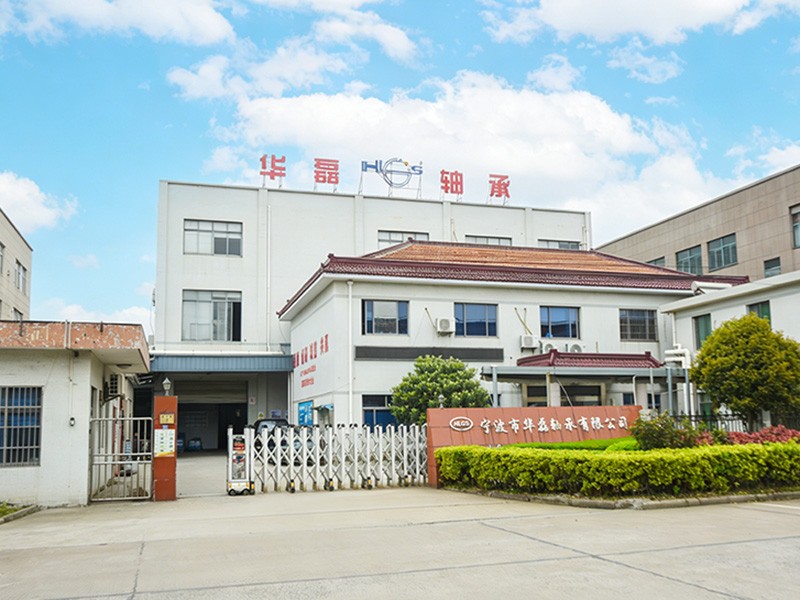
Ningbo Zhenhai Hualei Bearing Co., Ltd. has focused on miniature deep groove ball bearing production since its establishment in 2001. Long-term specialization can be valuable because miniature bearings require detailed control of small components, precision processes, cleanliness, assembly, and testing.

The company provides products under the HLGS trademark and serves a range of industries. Experience across multiple applications can contribute to a broader understanding of common bearing problems, including noise, torque instability, fit selection, contamination control, and high-speed performance.

Its stated quality management systems include ISO 9001 and ISO/TS 16949. ISO 9001 emphasizes documented quality management, process control, customer requirements, corrective action, and continual improvement. ISO/TS 16949, associated with automotive quality requirements, places additional emphasis on process consistency, defect prevention, traceability, and risk-based quality planning.

Advanced testing equipment supports the inspection of finished bearings and production processes. Testing capability is important because miniature bearing quality cannot be judged reliably by appearance alone. Dimensional accuracy, internal clearance, rotation torque, noise, vibration, and material condition may all require dedicated measurement.

The company’s OEM and ODM capabilities provide flexibility for customers whose requirements differ from standard catalog specifications. Customized services may involve bearing accuracy, clearance, lubricant, packaging, marking, inspection documentation, or production coordination. The feasibility of each customization should be confirmed technically before order placement.

A further strength is the combination of manufacturing experience and export support. International customers often require clear technical communication, consistent commercial documentation, stable packaging, and dependable shipment coordination. A dedicated import and export function can help organize these activities for overseas projects.

Quality Control Points for Professional Buyers

Professional buyers should evaluate miniature bearing suppliers using both product and process criteria. The first consideration is whether the supplier can provide stable dimensions and performance across repeated lots. Sample approval is useful, but it should be followed by ongoing batch control.

Buyers may request documentation covering material, dimensional inspection, internal clearance, noise or vibration grade, lubricant, and final inspection results. The specific documents depend on the application and contractual requirements.

Supplier evaluation should also consider production capacity, process equipment, quality systems, technical support, complaint handling, lead time, packaging, and traceability. A low purchase price may not represent the lowest total cost if inconsistent bearings cause assembly stoppages, field failures, or excessive sorting.

For high-volume applications, customers may conduct a production-part approval process. This can include dimensional studies, endurance testing, speed testing, temperature monitoring, noise evaluation, and compatibility checks with the customer’s shaft, housing, lubricant, and assembly method.

Design Guidance for Better Performance

Use the smallest bearing that safely meets the load and life requirements, but do not select a miniature bearing solely because it fits the available space. Confirm dynamic and static load conditions, including acceleration, impact, belt tension, gear force, and axial displacement.

Keep the shaft and housing shoulders accurately machined and square to the bearing seats. Misalignment can create uneven load distribution and increase torque. Avoid using the bearing to compensate for a poorly aligned assembly unless a self-aligning design has specifically been selected.

Provide adequate support around the thin-wall outer ring. A distorted or locally loaded housing can change the internal geometry and reduce performance. During design reviews, consider thermal expansion, mounting force, press depth, shoulder dimensions, and access for installation tools.

Control contamination throughout assembly. Store bearings in their original packaging until use, keep work surfaces clean, and avoid touching raceways or rolling elements with unclean hands. Do not wash a factory-lubricated ZZ bearing unless the manufacturer has provided a specific relubrication procedure.

For high-speed systems, evaluate the complete rotating assembly rather than the bearing in isolation. Rotor balance, shaft runout, cage stability, lubricant quantity, heat transfer, and motor electromagnetic forces can all affect bearing temperature and vibration.

Frequently Asked Questions

What does 698ZZ mean?

698 identifies a miniature deep groove ball bearing size series. The nominal dimensions are 8 mm bore, 19 mm outside diameter, and 6 mm width. ZZ indicates two metal shields, one on each side of the bearing.

Is the 698ZZ suitable for high-speed applications?

Yes, it can be suitable for medium- to high-speed applications. Under oil lubrication and favorable operating conditions, the limiting speed may exceed 30,000 rpm. The actual allowable speed must be confirmed according to load, lubricant, temperature, internal clearance, installation, and duty cycle.

What is the load rating of the bearing?

The listed specification provides a basic dynamic load rating of approximately 1,800 N and a basic static load rating of approximately 830 N. These are reference ratings for engineering calculations and should not be treated as universal maximum loads.

What material is used?

The bearing uses GCr15 bearing steel. This material is commonly used for precision bearing rings and rolling elements because it can provide high hardness, wear resistance, fatigue strength, and dimensional stability after controlled heat treatment.

What is the difference between ZZ and rubber-sealed versions?

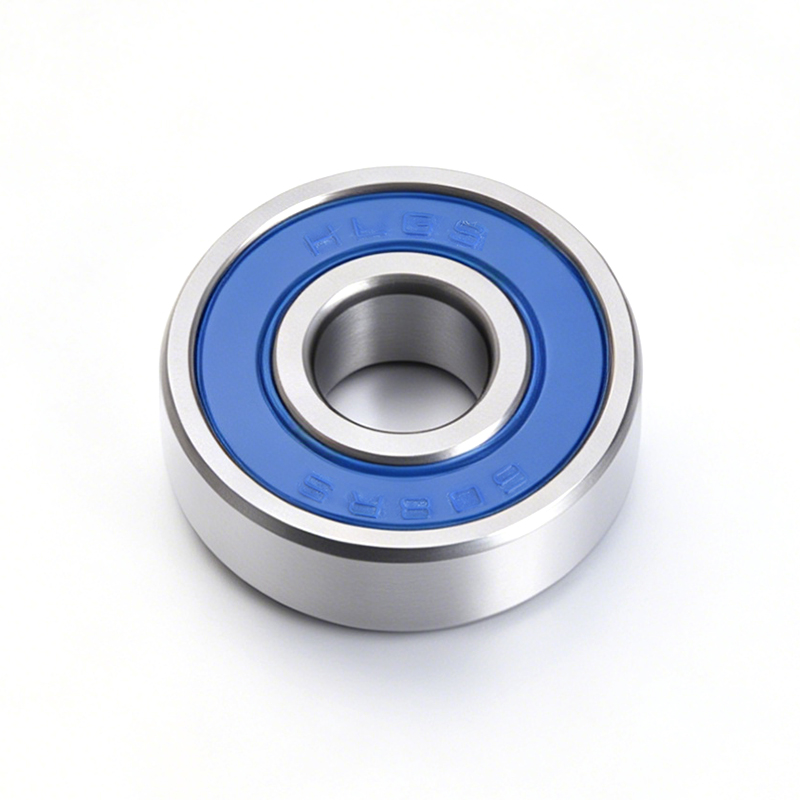
ZZ uses non-contact metal shields, which generally provide lower friction and better speed potential. Rubber-sealed versions usually provide stronger protection against fine dust and moisture but may produce more friction and heat. The correct choice depends on environmental sealing and speed requirements.

Can the 698ZZ carry axial load?

As a deep groove ball bearing, it can accommodate limited axial load in both directions in addition to radial load. If the axial load is substantial or continuous, a dedicated thrust or angular-contact bearing should be evaluated.

Is it suitable for 3D printers?

It can be suitable for guide rollers, feed mechanisms, fans, and other 3D printer components when the dimensions, load, speed, and environmental conditions match the application. Polymer dust and other particles should be controlled through suitable machine protection and maintenance.

Which accuracy grade should be selected?

ABEC-1 may be sufficient for general-purpose mechanisms, while ABEC-3 or ABEC-5 may be considered for applications with stricter requirements for runout, smoothness, or noise. The shaft, housing, rotor balance, and assembly process must also support the selected precision level.

Can the shields be removed for relubrication?

Removing the shields is generally not recommended because it may deform the shields, contaminate the bearing, or change the factory lubricant condition. If a different lubricant or sealing arrangement is required, specify the desired configuration before purchase.

How should the bearing be installed?

Use a clean, properly aligned installation method. Apply force only to the ring being fitted, and never transmit press force through the balls. Check the shaft and housing for burrs and confirm smooth rotation after installation.

What industries use this type of bearing?

Typical industries include small electric motors, household appliances, electric tools, office equipment, drones, 3D printers, medical devices, food machinery, automotive electromechanical systems, mechanical transmission equipment, and compact industrial machinery.

Does the manufacturer provide OEM and ODM services?

The supplied company information states that OEM and ODM services are available. Customers should provide drawings, performance requirements, packaging specifications, inspection needs, and expected quantities so that the manufacturer can review feasibility and prepare an appropriate production plan.

Conclusion

The 698ZZ deep groove ball bearing combines compact dimensions, double metal shields, GCr15 bearing steel, low-friction operation, and practical radial-load capability in a standardized miniature format. Its 8 mm bore, 19 mm outside diameter, and 6 mm width make it suitable for space-constrained assemblies, while its thin-wall 69-series structure supports a useful balance between size, rigidity, and load performance.

Compared with open bearings, it offers additional protection and lubricant retention. Compared with contact-sealed alternatives, its non-contact metal shields can support lower torque and higher speed. Compared with larger bearings, it helps reduce equipment size, weight, and installation requirements. These advantages make it a strong candidate for small motors, drones, 3D printers, office equipment, electric tools, medical mechanisms, and other precision systems.

Its final performance depends on more than the catalog designation. Proper shaft and housing fits, clean installation, correct lubrication, controlled loads, adequate environmental protection, and appropriate accuracy selection are necessary to obtain reliable service. For demanding projects, customers should confirm the exact load rating, clearance, tolerance class, lubricant, noise grade, speed requirement, and inspection documentation with the supplier.

Ningbo Zhenhai Hualei Bearing Co., Ltd. brings more than two decades of miniature deep groove bearing manufacturing experience, documented ISO-based quality management, advanced testing equipment, and OEM and ODM support. These capabilities provide a foundation for supplying standard and customized miniature bearing solutions to customers seeking consistent performance, technical cooperation, and long-term production support.

References

1. ISO 281, Rolling Bearings — Dynamic Load Ratings and Rating Life.

2. ISO 76, Rolling Bearings — Static Load Ratings.

3. ISO 9001, Quality Management Systems — Requirements.

4. ISO/TS 16949, Quality Management Systems for Automotive Production and Relevant Service Parts Organizations.

5. General engineering principles for miniature deep groove ball bearing selection, lubrication, mounting, and maintenance.

6. Product specifications and company information supplied for the 698ZZ deep groove ball bearing.

Product: 698ZZ Deep Groove Ball Bearing Is Suitable for Small Tools and Precision Parts


Recent Articles