Amina Shen — Customer Support and Sales Specialist
Home / Author / Amina Shen — Customer Support and Sales Specialist / F688ZZ Flanged Miniature Bearing: Compact Precision, Stable Installation, and Reliable Light-Duty Performance

F688ZZ Flanged Miniature Bearing: Compact Precision, Stable Installation, and Reliable Light-Duty Performance

Introduction

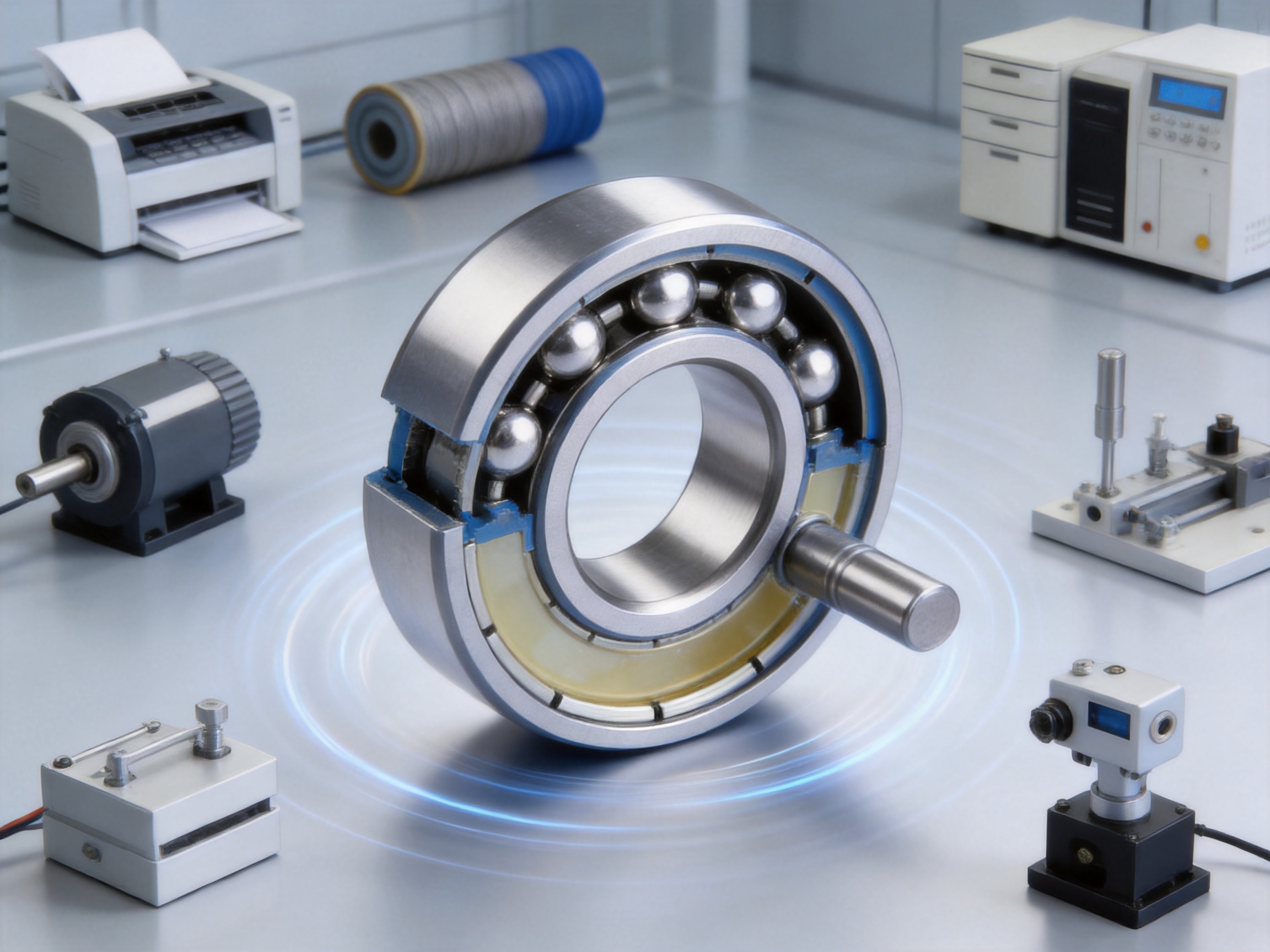
Miniature bearings are essential components in equipment where available space is limited but smooth, dependable motion is still required. Small motors, office machines, household appliances, precision instruments, consumer electronics, and compact mechanical assemblies all depend on bearings that can support rotating shafts without adding unnecessary bulk. In these applications, a bearing must do more than simply fit into a small housing. It must maintain accurate positioning, reduce friction, limit operating noise, resist wear, and provide consistent performance over extended periods.

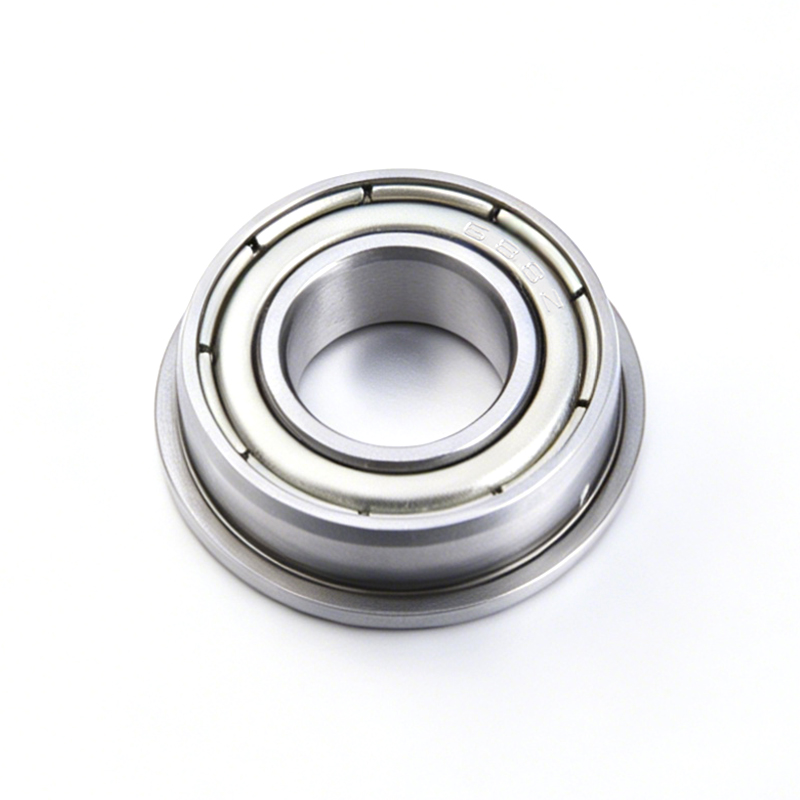
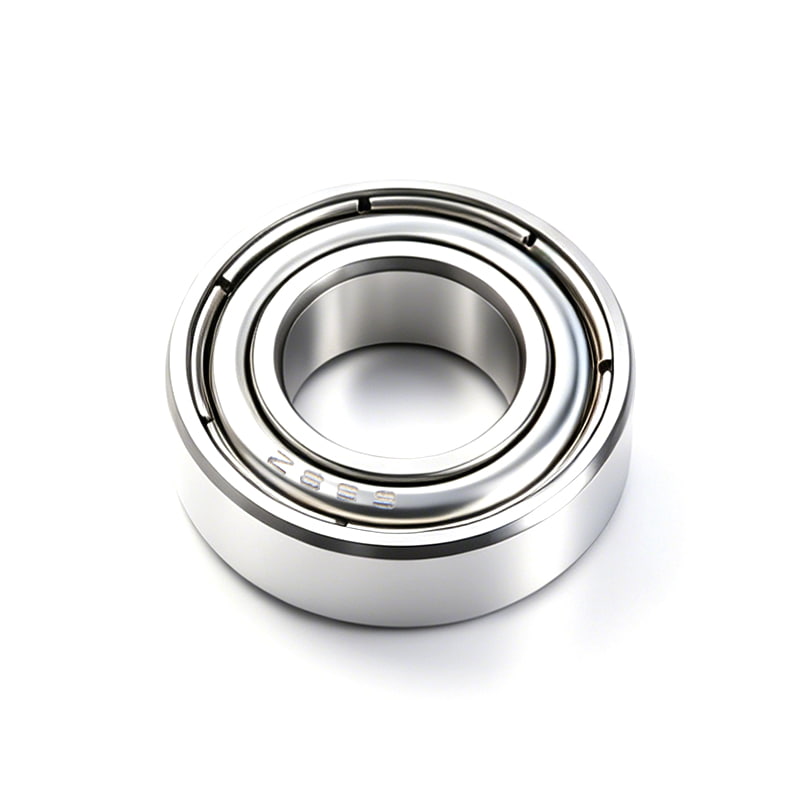
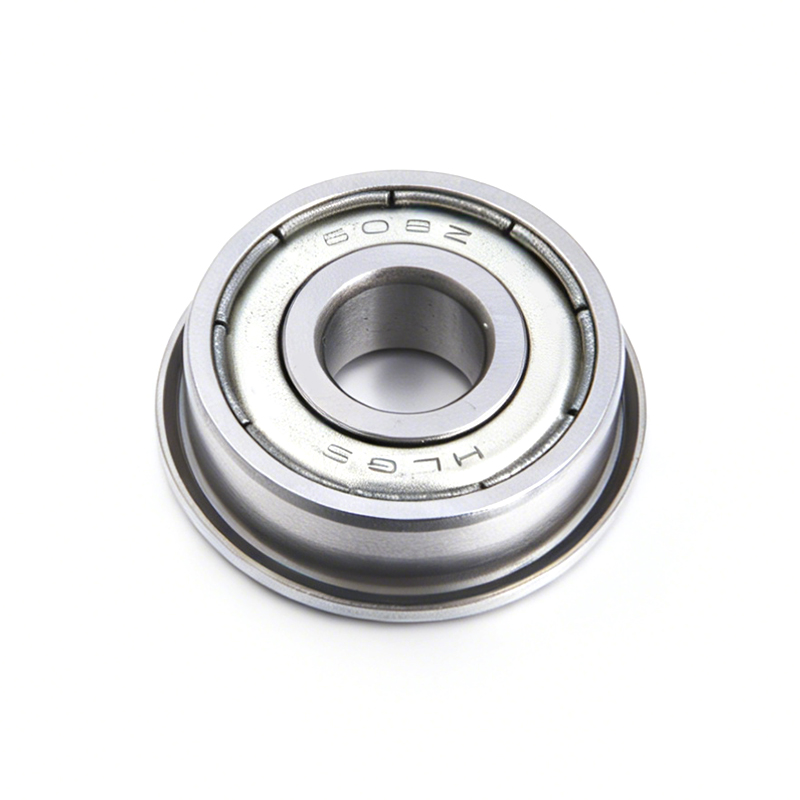
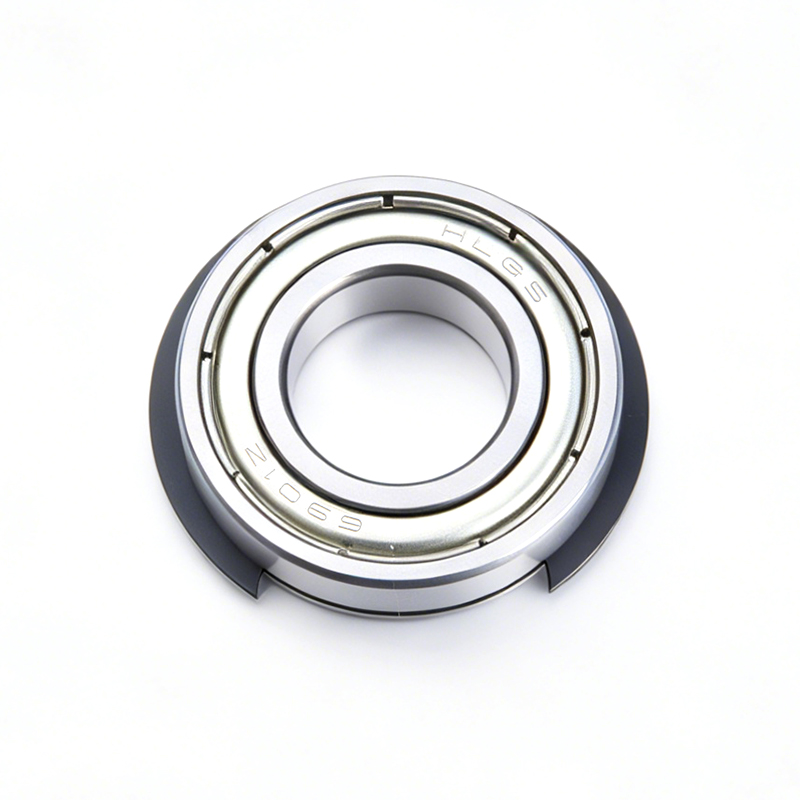
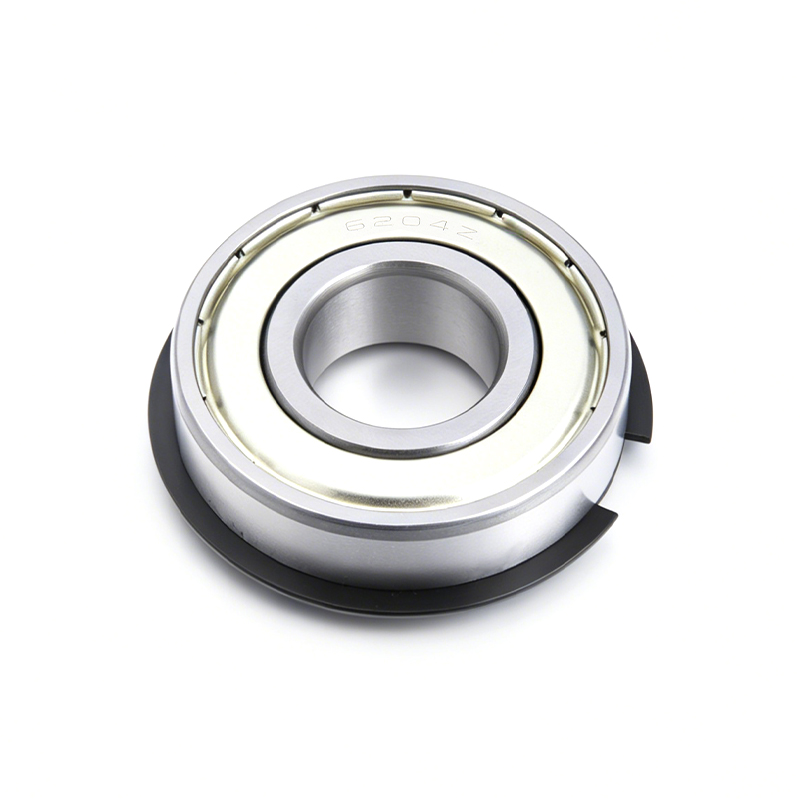
The F688ZZ flanged miniature deep groove ball bearing is designed for this type of demanding compact application. With an 8 mm bore, a 16 mm outside diameter, and a 5 mm width, it offers a slim radial profile suitable for space-constrained mechanisms. Its integrated 17.5 mm flange adds a practical installation feature that distinguishes it from standard miniature deep groove bearings. The flange can help position the bearing axially, simplify housing design, and improve installation stability when the surrounding structure is properly engineered.

In addition to its compact geometry, the F688ZZ uses double metal shields, identified by the “ZZ” suffix. These shields help reduce the entry of dust and other contaminants while retaining factory-applied lubrication. The bearing is manufactured from bearing-grade materials identified as GCr15 or stainless steel according to the required product configuration. With a dynamic load rating of 1,260 N and a static load rating of 590 N, it is suited to a broad range of light-duty and precision rotating applications.

The value of the F688ZZ lies in the combination of size, integrated positioning, shielding, load capacity, and manufacturing consistency. For equipment designers, this combination can reduce the number of supporting parts, simplify assembly, and support reliable operation in compact products. For distributors and original equipment manufacturers, the bearing offers a widely applicable miniature format that can be integrated into numerous mechanical designs.

F688ZZ Flanged Mini Bearing Features a Space-Saving Design Ideal for Small Devices

Product Overview

The F688ZZ belongs to the flanged miniature deep groove ball bearing family. It has a conventional deep groove raceway arrangement for supporting radial loads and accommodating limited axial loads in both directions. Unlike a basic 688ZZ bearing, the F688ZZ incorporates a flange around the outer ring. This flange does not change the basic bore and outer diameter dimensions of the bearing body, but it increases the external flange diameter to 17.5 mm.

The bearing’s principal dimensions are as follows:

Parameter Specification
Bearing number F688ZZ
Bore diameter, d 8 mm
Outer diameter, D 16 mm
Width, B 5 mm
Flange diameter 17.5 mm
Shield configuration Double metal shields, ZZ
Dynamic load rating, Cr 1,260 N
Static load rating, Cor 590 N
Material options GCr15 or stainless steel, according to configuration

The 8 mm bore is suitable for compact shafts commonly used in small motors, rollers, fans, actuators, optical mechanisms, and office equipment. The 16 mm outer diameter provides a small housing envelope, while the 5 mm width helps designers maintain a narrow assembly. The 17.5 mm flange diameter creates a locating shoulder that may be used to control axial placement within a supporting component.

Because the F688ZZ is a miniature bearing, it should be selected according to the actual operating conditions rather than by dimensions alone. Speed, load direction, shaft and housing tolerances, lubrication, temperature, vibration, contamination, and installation method all influence service life. The bearing is particularly well suited to light-duty continuous rotation and precision mechanisms where compactness and installation convenience are important.

Space-Saving Design for Compact Equipment

Space is often one of the most difficult constraints in modern product design. Electronic devices continue to become smaller, motors are packaged into tighter housings, and mechanical assemblies must fit around wiring, circuit boards, sensors, and structural supports. A bearing that occupies only a few millimeters of axial width can make a meaningful difference to the overall architecture of a product.

The F688ZZ has a 5 mm width, allowing it to be installed in narrow support structures. Its small 16 mm body diameter also helps minimize the radial envelope. This compact form can be advantageous when a designer needs to maintain clearance around a rotating shaft or accommodate a bearing inside a small wheel, pulley, gear, fan, roller, or actuator.

The integrated flange provides another space-saving benefit. In some designs, a separate retaining shoulder, spacer, snap ring, or additional locating component may be needed to prevent a bearing from moving axially. A flanged bearing can reduce the need for one or more of these parts when the housing is designed to work with the flange. This can simplify the assembly and reduce the number of components that must be purchased, stocked, positioned, and inspected.

Reducing component count can also improve production efficiency. Fewer individual parts may mean fewer opportunities for incorrect assembly, missing hardware, or misalignment. The flange can serve as a visual and mechanical reference during installation, helping operators or automated equipment seat the bearing at a predictable depth.

However, the flange should not be treated as a substitute for correct structural support. The housing must provide suitable contact, adequate stiffness, and proper tolerances. The flange is primarily a locating and retaining feature; it must not be exposed to loads beyond the bearing’s intended operating conditions. When properly integrated, it can provide a practical advantage over non-flanged alternatives.

Advantages of the Integrated Flange

Improved Axial Positioning

One of the most important benefits of the F688ZZ is its built-in flange. The flange can establish a defined axial reference between the bearing and its housing. This is especially helpful in assemblies where the shaft, rotor, wheel, or gear must remain in a controlled position.

A defined bearing position can help prevent unwanted axial movement during operation. It may also simplify the design of the housing because the engineer can incorporate a single locating surface rather than designing an independent retaining arrangement. In compact mechanisms, even a small amount of axial movement can affect gear engagement, sensor alignment, belt tracking, or contact with neighboring components.

More Stable Installation

During assembly, miniature bearings can be difficult to handle because of their small size. The flange provides a clear seating feature and can help reduce the risk of installing the bearing too deeply or too shallowly. It may also improve repeatability when the bearing is pressed into a correctly dimensioned housing.

Stable installation is important because miniature bearing rings can be damaged by uneven force. A properly designed flange and housing interface can help ensure that installation loads are applied in a controlled direction. This supports better alignment between the bearing, shaft, and surrounding components.

Reduced Need for Additional Retaining Hardware

Depending on the application, a flanged bearing can reduce reliance on circlips, shoulder rings, spacers, or separate collars. This does not mean that additional retention is never necessary. Rather, the flange gives the designer another option for holding the bearing in the correct location.

Reducing auxiliary hardware can lower assembly time and simplify maintenance. It can also create a cleaner internal layout, which is valuable in compact products where every component competes for available space.

Compatibility with Small Housings

The F688ZZ combines a small bearing body with a modest flange diameter. This makes it suitable for housings that need a locating surface without becoming substantially larger. Designers can retain the advantages of a flanged bearing while keeping the surrounding structure compact.

Deep Groove Ball Bearing Performance

The F688ZZ uses the deep groove ball bearing principle, a configuration known for versatility and smooth rotational performance. The raceway geometry allows the bearing to support primarily radial loads while also accommodating limited axial loads. This makes it useful in mechanisms where the direction of the applied load may vary or where a separate thrust bearing is not required.

Deep groove miniature bearings are widely used because they offer a practical balance between low friction, rotational accuracy, load support, and ease of integration. The F688ZZ follows this established format while adding the convenience of an outer-ring flange.

The stated dynamic load rating of 1,260 N indicates the bearing’s reference capacity for dynamic operating conditions under standardized rating methods. The static load rating of 590 N relates to stationary or very slow-moving loading and helps engineers evaluate the risk of excessive permanent deformation at the rolling contacts. Actual application limits depend on speed, lubrication, temperature, mounting, load distribution, and expected service life.

It is important to distinguish a load rating from a recommended operating load. A bearing’s load rating is used for engineering calculations and comparison. A real mechanism may require a lower working load to achieve the desired life, noise level, running accuracy, or reliability. In precision equipment, designers often consider vibration and sound requirements in addition to basic load capacity.

When the shaft and housing are correctly aligned, the F688ZZ can provide smooth motion with low friction. This supports efficient operation in small motors and moving mechanisms. Lower friction can reduce energy loss and heat generation, although operating temperature will still depend on rotational speed, lubricant condition, sealing, load, and surrounding airflow.

Double Metal Shields for Everyday Protection

The “ZZ” designation indicates that the F688ZZ has double metal shields. These shields are fitted on both sides of the bearing to help limit the entry of dust, particles, and other common contaminants. They also help retain the internal lubricant during normal operation.

Metal shields are useful in applications where moderate contamination protection is needed without the contact friction associated with some sealing arrangements. Because the shields are non-contact or designed with minimal contact, they can support smooth rotation and are often suitable for higher-speed miniature applications than heavily contacting seals, depending on the specific design and lubrication.

Shielded bearings are not completely sealed bearings. The F688ZZ should not be considered waterproof or suitable for direct exposure to large quantities of liquid, abrasive slurry, or severe contamination unless the complete assembly includes additional environmental protection. The surrounding housing, covers, labyrinth features, and maintenance program should be selected according to the environment.

For indoor equipment, office machines, small motors, consumer devices, and clean precision mechanisms, double metal shields provide a practical balance between protection and rotational efficiency. They can help reduce maintenance requirements because the factory-applied lubricant is retained within the bearing under normal conditions.

Material and Durability

The F688ZZ is identified as being available in GCr15 or stainless steel, depending on the required configuration. GCr15 is a widely used bearing steel known for hardness, wear resistance, fatigue strength, and suitability for precision rolling elements and raceways. It is commonly selected for standard bearing applications where the operating environment is relatively controlled.

Stainless steel may be selected when improved corrosion resistance is important. This can be beneficial in applications exposed to humidity, occasional moisture, or conditions where ordinary bearing steel would require additional protection. Material selection should be based on the actual environment, load, speed, temperature, and corrosion requirements.

The choice between GCr15 and stainless steel may involve trade-offs. Standard bearing steel can provide excellent rolling contact performance and is widely used for general-purpose applications. Stainless steel can offer better resistance to corrosion, but the exact load capacity, hardness, and performance depend on the stainless grade and manufacturing specification. Buyers should confirm the material configuration, rating, and technical documentation required for their application before placing an order.

Durability is also influenced by manufacturing precision. Even a high-quality bearing material cannot compensate for poor raceway geometry, inconsistent ball size, inadequate heat treatment, contamination during assembly, or incorrect lubrication. For this reason, the manufacturing process is a central part of product performance.

Manufacturing Strengths and Quality Management

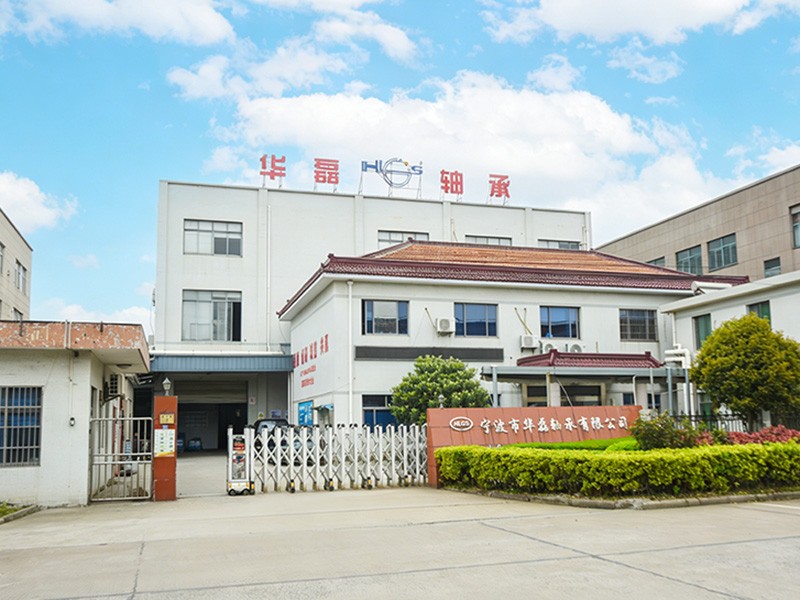
Ningbo Zhenhai Hualei Bearing Co., Ltd. was established in 2001 and specializes in miniature deep groove ball bearings. Its product range covers a wide selection of bearing types used in food machinery, household appliances, automotive electromechanical systems, electric tools, mechanical transmission equipment, and motors.

The company’s experience in miniature bearing production supports the development of products such as the F688ZZ. Miniature bearings require careful control because their small dimensions leave less room for manufacturing variation. Raceway accuracy, ball conformity, cage performance, shield installation, lubricant quantity, and cleanliness all have a direct effect on noise, friction, service life, and rotational consistency.

The company states that its products are strictly tested with advanced equipment. Testing is important for verifying dimensional conformity, rotation quality, vibration, noise, and other performance indicators. In a miniature bearing, small deviations can be significant. A controlled inspection process helps identify unsuitable components before shipment and supports consistency between production batches.

The company follows ISO 9001 and ISO/TS 16949 management systems. ISO 9001 provides a structured framework for quality management, process control, documentation, corrective action, and customer-focused improvement. ISO/TS 16949 is associated with the automotive supply chain and emphasizes defect prevention, process consistency, traceability, risk management, and continuous improvement.

These management systems are particularly valuable for customers that require stable supply, repeatable quality, and formal production controls. They can support OEM and ODM cooperation by creating a documented framework for technical communication, product approval, inspection, and change management.

A manufacturer’s strength is not limited to machinery. It also includes process discipline, workforce experience, supplier control, inspection procedures, technical communication, and the ability to respond to different customer requirements. The company’s long operating history and focus on miniature deep groove ball bearings provide a foundation for serving both standard product demand and customized projects.

Process Control for Miniature Bearings

A reliable miniature bearing manufacturing process generally begins with carefully selected raw materials. Bearing rings must be produced from material with suitable cleanliness, hardness, and fatigue resistance. Rolling elements must have controlled size, roundness, and surface finish. Cages and shields must be compatible with the intended operating conditions.

After forming and heat treatment, grinding and finishing operations establish the raceway geometry and dimensional accuracy. The quality of these surfaces affects rolling contact, friction, vibration, and noise. Precision inspection is used to verify the bore, outside diameter, width, flange diameter, and other critical dimensions.

Assembly requires a clean environment because miniature bearings have small internal clearances and finely finished contact surfaces. Foreign particles can increase noise, accelerate wear, or interfere with smooth rotation. Shield installation and lubrication must also be controlled to avoid damage or inconsistent running behavior.

Final testing helps confirm that the completed F688ZZ meets the applicable product requirements. Depending on the customer’s specification, inspection may include dimensional checks, rotational torque measurement, noise and vibration evaluation, visual inspection, and sampling-based life or load verification.

While individual production details may vary by product configuration, these general controls illustrate why experienced miniature bearing manufacturing is important. The smaller the bearing, the more carefully each stage must be managed.

Comparison with Non-Flanged Miniature Bearings

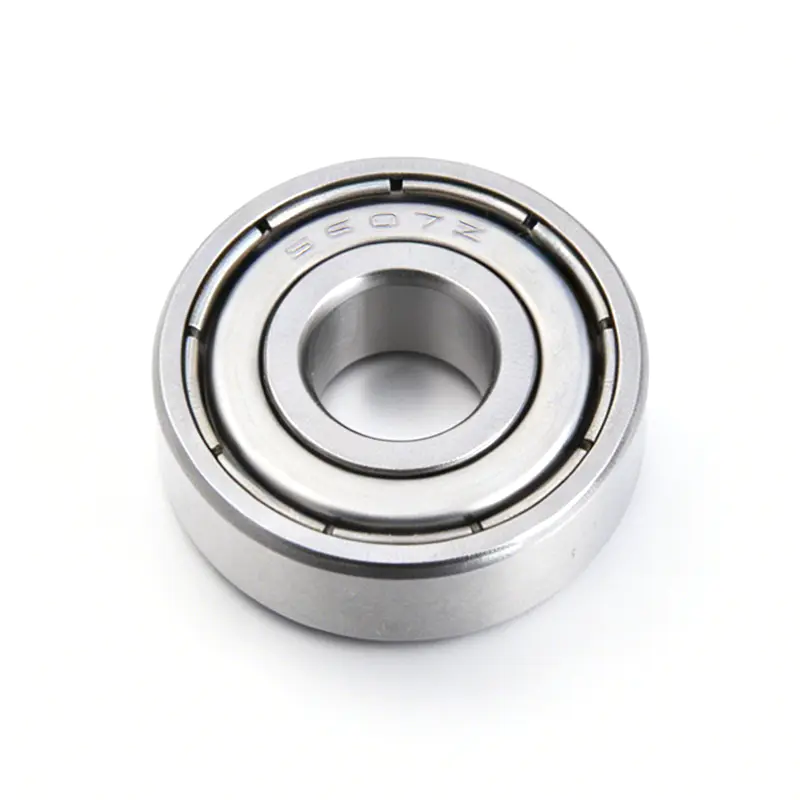
A standard 688ZZ bearing may have the same basic bore, outside diameter, and width as the F688ZZ, but it does not include the same integrated flange. The standard version may be appropriate when the housing already provides a suitable shoulder or when the application requires a completely plain outer ring.

The F688ZZ offers an advantage when axial positioning is a design priority. Its flange can simplify the housing and reduce dependence on separate retaining components. It may also shorten assembly time and improve seating consistency.

On the other hand, a non-flanged bearing may be preferable when the housing must allow axial movement, when the available mounting space does not accommodate the flange, or when the lowest possible outer profile is required. The correct choice depends on the mechanical design.

Compared with some sealed miniature bearings, the F688ZZ’s metal shields may provide lower friction and smoother high-speed operation in clean environments. Sealed designs can offer stronger protection against moisture and contaminants, but their contact seals may create additional drag. The F688ZZ is therefore most competitive where compactness, smooth rotation, and moderate contamination protection are more important than complete environmental sealing.

Compared with low-cost bearings of uncertain origin, the F688ZZ benefits from a defined product specification, documented manufacturing experience, and quality management systems. Buyers can evaluate its dimensions, load ratings, shield configuration, material options, and intended applications with greater confidence. Consistency is especially important for manufacturers assembling thousands of products, because even small differences in bearing performance can affect production yield and field reliability.

Application Areas

Precision Instruments

Precision instruments often require compact bearings that operate smoothly and generate limited vibration. The F688ZZ can be used in small rotational mechanisms, adjustment assemblies, optical equipment, measuring devices, and instrument actuators when the load and environmental conditions are appropriate.

Small Motors

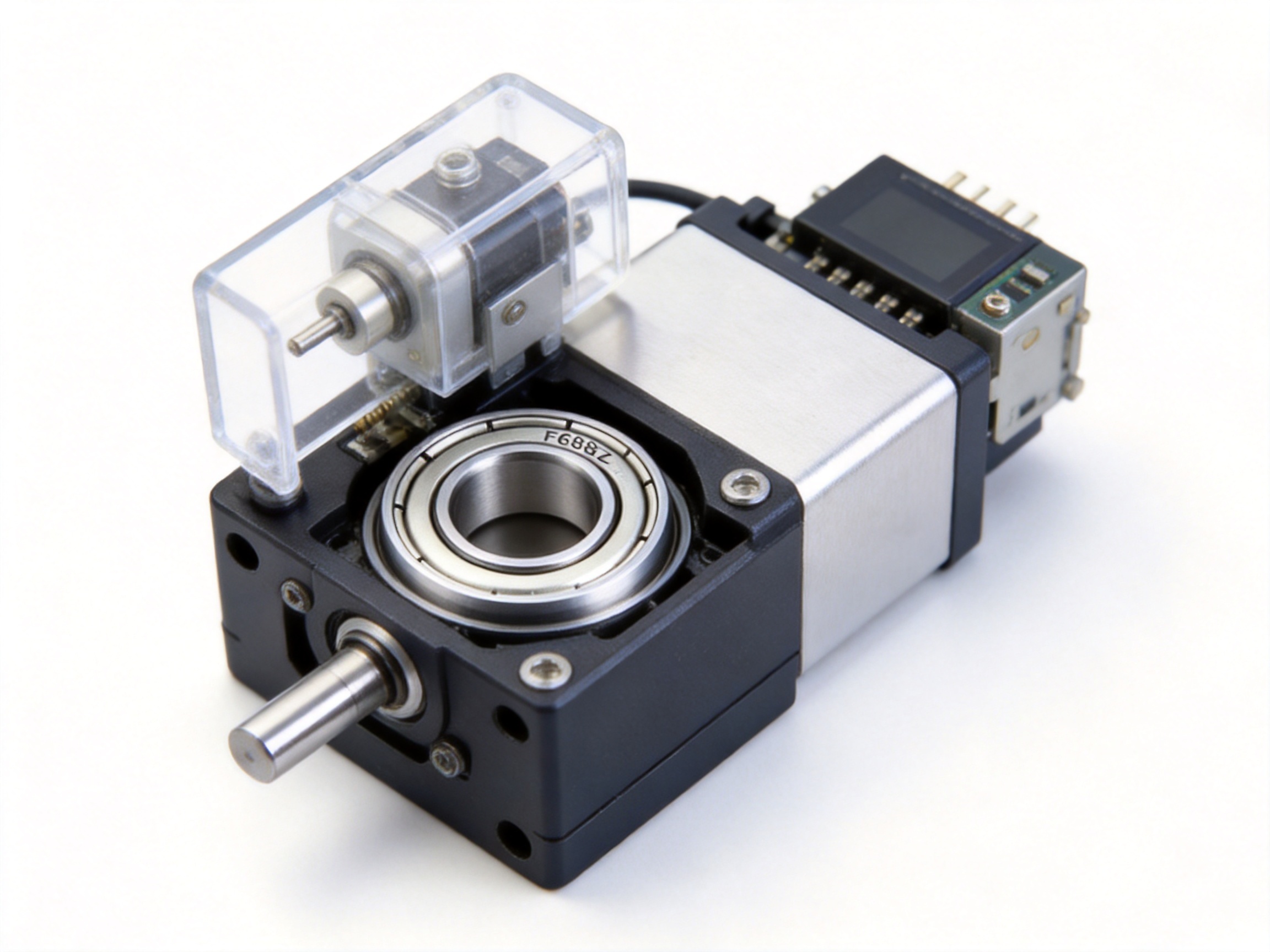
Small motors commonly use miniature bearings to support rotor shafts. The 8 mm bore and compact 16 mm outside diameter can suit motor architectures where radial space is restricted. The double metal shields help retain lubricant and limit ordinary dust entry, while the flange can assist with axial positioning inside a motor bracket or end cover.

Consumer Electronics

Compact electronic products may contain fans, rollers, hinges, optical modules, or other rotating elements. The F688ZZ can be considered for mechanisms that need low-friction motion without occupying significant internal volume. Its use should be evaluated against the product’s noise, speed, temperature, and contamination requirements.

Household Appliances

Small household appliances often combine motors, fans, switches, rollers, and moving actuators. In these products, the bearing must fit efficiently and withstand repeated operation. The F688ZZ is suitable for light-duty mechanisms where a flanged outer ring can simplify mounting.

Office Equipment

Printers, scanners, document handling systems, copiers, and other office equipment include many small rollers and shafts. Smooth rotation and stable axial positioning are important for accurate paper movement and reliable repetitive operation. The F688ZZ may help support these functions when its load and speed ratings match the design.

Compact Precision Mechanisms

Robotic assemblies, small transmission devices, hobby equipment, automatic controls, and laboratory mechanisms may benefit from the F688ZZ’s compact flanged form. In each case, the bearing should be selected after considering shaft fit, housing fit, expected life, operating temperature, and external contamination.

Installation Recommendations

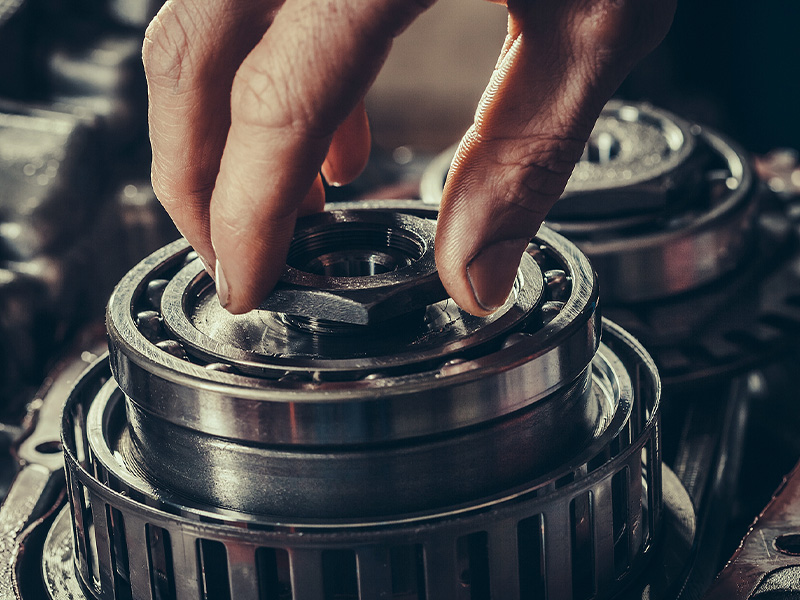
Correct installation is essential for achieving the expected performance of any miniature bearing. Before installation, the shaft, housing, tools, and surrounding parts should be clean and free from burrs. The bearing should be checked for visible damage, corrosion, or contamination.

The shaft and housing dimensions must be compatible with the intended fit. An excessively tight fit can reduce internal clearance and increase friction, while an excessively loose fit can permit unwanted movement, fretting, or vibration. The appropriate fit depends on the direction and magnitude of the load, the rotating ring, temperature, and the materials used for the shaft and housing.

When pressing the bearing onto a shaft, installation force should be applied to the inner ring. When pressing the bearing into a housing, force should be applied to the outer ring. Force should not be transmitted through the rolling elements because this may create brinelling, raceway damage, or premature fatigue.

The flange should be seated against the intended housing shoulder without excessive impact. If the flange is used as the locating surface, the housing should support it evenly. The assembly should not apply concentrated stress to the flange or distort the outer ring.

After installation, the shaft should be rotated by hand when possible. Unusual resistance, roughness, clicking, or irregular noise may indicate misalignment, contamination, excessive fit, shield interference, or damage during installation. A functional test under controlled operating conditions should follow the initial inspection.

Because the F688ZZ is supplied with double metal shields and factory-applied lubrication, unnecessary cleaning or relubrication should generally be avoided unless the application specification requires it. Opening a shielded miniature bearing can introduce contamination or alter the lubricant quantity. If special lubrication is needed, it should be agreed upon before production or procurement.

Design Considerations for Engineers

Engineers selecting the F688ZZ should begin with the required bore, outside diameter, width, and flange geometry. The 8×16×5 mm bearing body and 17.5 mm flange diameter must be checked against the complete assembly drawing, including clearances for shields, retaining features, tools, and neighboring components.

Load calculations should include both radial and axial forces. The deep groove design can accommodate limited axial loading, but excessive thrust or combined loading may require a different bearing arrangement. Shock loads, belt tension, gear forces, rotor imbalance, and installation preload should be considered rather than relying only on nominal operating loads.

Speed is another important factor. A small bearing may operate at high rotational speed, but the practical limit is influenced by lubrication, cage design, load, temperature, balance, and shield configuration. The expected speed should be compared with the manufacturer’s applicable limit for the selected material and lubricant.

Noise and vibration requirements should be addressed early in the design. In consumer electronics, office machines, and precision instruments, the acceptable sound level may be more restrictive than the basic load requirement. Shaft balance, housing stiffness, rotor geometry, electrical motor quality, and assembly alignment all affect the final system noise.

Environmental conditions determine whether ZZ shielding is sufficient. For clean indoor applications, the double metal shields may provide an effective balance between protection and low friction. For outdoor, washdown, dusty, chemically aggressive, or high-humidity applications, additional protection or a different sealing configuration may be needed.

Temperature affects lubricant viscosity, internal clearance, material behavior, and service life. The bearing should not be exposed to temperatures beyond the approved range for its material, lubricant, shields, cage, and surrounding components. If the application involves rapid temperature changes, thermal expansion of the shaft and housing should also be evaluated.

OEM and ODM Support

The company established Ningbo Hotex Mechanical & Electrical Technology Co., Ltd. in 2016 as its import and export department. This structure supports international communication and provides OEM and ODM services for customers with specific requirements.

OEM cooperation may involve supplying standard F688ZZ bearings for integration into a customer’s established product. ODM cooperation may involve adapting a bearing configuration, packaging solution, inspection standard, material option, lubrication specification, or production program to meet a particular application.

For an OEM or ODM project, customers should provide complete technical information whenever possible. Useful details include shaft and housing dimensions, load and speed, operating temperature, contamination level, noise requirements, expected service life, material preference, packaging requirements, and inspection criteria.

A clear technical agreement helps prevent misunderstandings. It can define the bearing designation, dimensional tolerances, flange geometry, shield type, material, lubricant, sampling plan, marking, packaging, and change-control procedure. For high-volume applications, it is also useful to establish approval samples and production traceability requirements.

The company’s focus on sincere trust and efficient service supports long-term cooperation. For international buyers, effective communication is particularly important because miniature bearings may be integrated into products with strict quality and delivery schedules. A manufacturer that can discuss technical details, production planning, documentation, and after-sales support adds value beyond the physical bearing itself.

Purchasing and Supply Advantages

For distributors, the F688ZZ is an attractive product because its dimensions and application range are widely useful. It can serve customers in motor manufacturing, automation, electronics, office equipment, appliance production, and general mechanical design.

For equipment manufacturers, sourcing from an experienced miniature bearing specialist can support more consistent product quality. A stable supplier can help reduce variation between batches, simplify incoming inspection, and support predictable assembly performance.

The product’s clearly defined specifications also make it easier to compare with competing bearings. Buyers can evaluate the bore, outside diameter, width, flange diameter, shield type, load ratings, and material. These details help prevent substitutions that appear dimensionally similar but differ in flange geometry, clearance, lubrication, or load capacity.

When comparing suppliers, customers should consider more than unit price. Important factors include production consistency, technical support, quality certification, inspection capabilities, packaging, delivery reliability, customization capacity, and communication. A low purchase price may not represent the lowest total cost if it leads to installation problems, early failures, noise complaints, or production interruptions.

Why Choose the F688ZZ

The F688ZZ is a strong choice for compact mechanisms that need a small bearing with a practical locating feature. Its key advantages include:

  • Compact 8×16×5 mm bearing dimensions for space-limited designs.

  • Integrated 17.5 mm flange for axial positioning and installation stability.

  • Deep groove configuration for versatile radial and limited axial load support.

  • Double metal shields for protection against ordinary dust and lubricant retention.

  • Dynamic load rating of 1,260 N and static load rating of 590 N.

  • Material options identified as GCr15 or stainless steel according to configuration.

  • Low-friction, low-noise performance for suitable light-duty applications.

  • Compatibility with precision instruments, motors, appliances, electronics, office equipment, and compact mechanisms.

  • Support from a manufacturer with long-term miniature bearing experience and formal quality management systems.

Compared with a plain miniature bearing, the flange can simplify mounting and improve positional control. Compared with a heavily sealed design, the ZZ shield arrangement can provide a low-friction solution for cleaner environments. Compared with products from suppliers without clearly documented manufacturing systems, the F688ZZ offers a more transparent basis for technical evaluation and sourcing decisions.

Q&A

What does F688ZZ mean?

F688ZZ is the designation for a flanged miniature deep groove ball bearing. The “F” identifies the flanged configuration, while “688” refers to the bearing size series. “ZZ” indicates double metal shields on both sides.

What are the dimensions of the F688ZZ?

The bearing has an 8 mm bore, a 16 mm outside diameter, and a 5 mm width. Its flange diameter is 17.5 mm.

What is the main advantage of the flange?

The flange can help locate the bearing axially, improve seating stability, and simplify housing design. It may reduce the need for separate retaining components when the housing is properly designed.

Is the F688ZZ suitable for high-speed applications?

It may be suitable for high-speed miniature mechanisms, but the allowable speed depends on lubrication, load, temperature, cage design, shaft balance, and the manufacturer’s specific operating limits. The application should be reviewed technically before final selection.

Is the F688ZZ waterproof?

No. The ZZ metal shields help limit ordinary dust entry and retain lubricant, but they do not make the bearing waterproof. Applications involving direct water exposure, washdown, or heavy contamination may require additional protection or a different sealing configuration.

What materials are available?

The listed material options are GCr15 and stainless steel. The correct option depends on the required corrosion resistance, load, operating environment, and product configuration. Customers should confirm the exact material grade before ordering.

Can the F688ZZ support axial loads?

As a deep groove ball bearing, it can accommodate limited axial loads in addition to radial loads. The allowable axial load depends on the magnitude, direction, speed, lubrication, and expected service life. Heavy thrust loads may require a different bearing design.

Where is the F688ZZ commonly used?

Typical applications include precision instruments, small motors, consumer electronics, household appliances, office equipment, rollers, fans, and compact precision mechanisms.

How should the bearing be installed?

The bearing should be installed with clean, correctly dimensioned components. Pressing force should be applied to the ring receiving the interference fit, and force should not pass through the rolling elements. The flange should be seated evenly against its intended locating surface.

Does the bearing require additional lubrication?

The bearing is generally supplied with factory-applied lubricant. Additional lubrication is not normally required for standard use unless the application specification calls for it. Any relubrication program should be based on operating conditions and manufacturer guidance.

How should buyers compare this bearing with competing products?

Buyers should compare complete specifications rather than dimensions alone. Important points include flange diameter, tolerances, internal clearance, shield construction, material, load ratings, lubricant, noise and vibration class, quality controls, packaging, and supplier consistency.

Can the bearing be used in OEM products?

Yes. The manufacturer provides OEM and ODM services. Customers can discuss product configuration, inspection requirements, packaging, material, lubrication, and other technical conditions for an OEM or ODM project.

Conclusion

The F688ZZ flanged miniature bearing provides a practical solution for compact equipment that requires smooth rotation, reliable positioning, and efficient use of installation space. Its 8×16×5 mm body fits small mechanical layouts, while the 17.5 mm flange can simplify axial location and improve mounting stability. Double metal shields support everyday protection and lubricant retention without adding the contact friction associated with some sealed designs.

With a dynamic load rating of 1,260 N, a static load rating of 590 N, and material options including GCr15 and stainless steel, the bearing can serve a broad range of light-duty precision applications. Its suitability extends across small motors, consumer electronics, household appliances, office equipment, instruments, and compact transmission mechanisms.

The product’s advantages are strengthened by the manufacturer’s experience in miniature deep groove ball bearings, formal quality management systems, testing capabilities, and OEM and ODM support. These strengths help customers evaluate the bearing not only as an individual component, but also as part of a dependable supply and manufacturing relationship.

For designers and buyers seeking a compact flanged bearing, the F688ZZ offers a balanced combination of small size, installation convenience, shielding, load capability, and manufacturing support. When selected and installed according to the actual operating conditions, it can contribute to quiet, stable, and durable performance in a wide variety of compact machines.

References

1. ISO 9001, Quality Management Systems—Requirements.

2. IATF 16949, Quality Management System Requirements for Automotive Production and Relevant Service Parts Organizations.

3. ISO 281, Rolling Bearings—Dynamic Load Ratings and Rating Life.

4. ISO 76, Rolling Bearings—Static Load Ratings.

5. General engineering principles for miniature deep groove ball bearing selection, mounting, lubrication, and maintenance.

6. Manufacturer-provided F688ZZ product specifications and company information.

Product: F688ZZ Flanged Mini Bearing Features a Space-Saving Design Ideal for Small Devices


Recent Articles