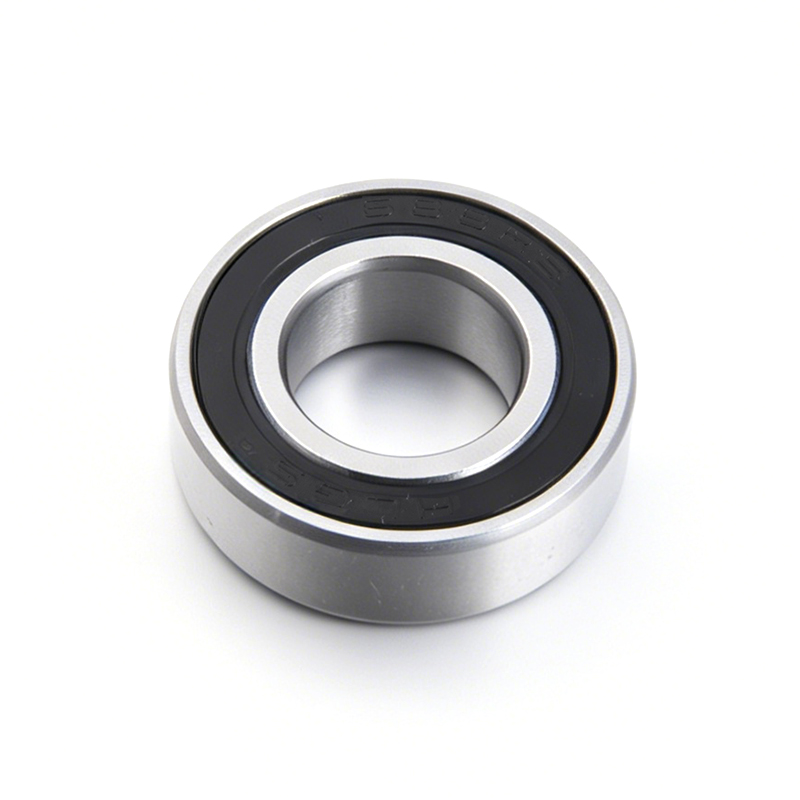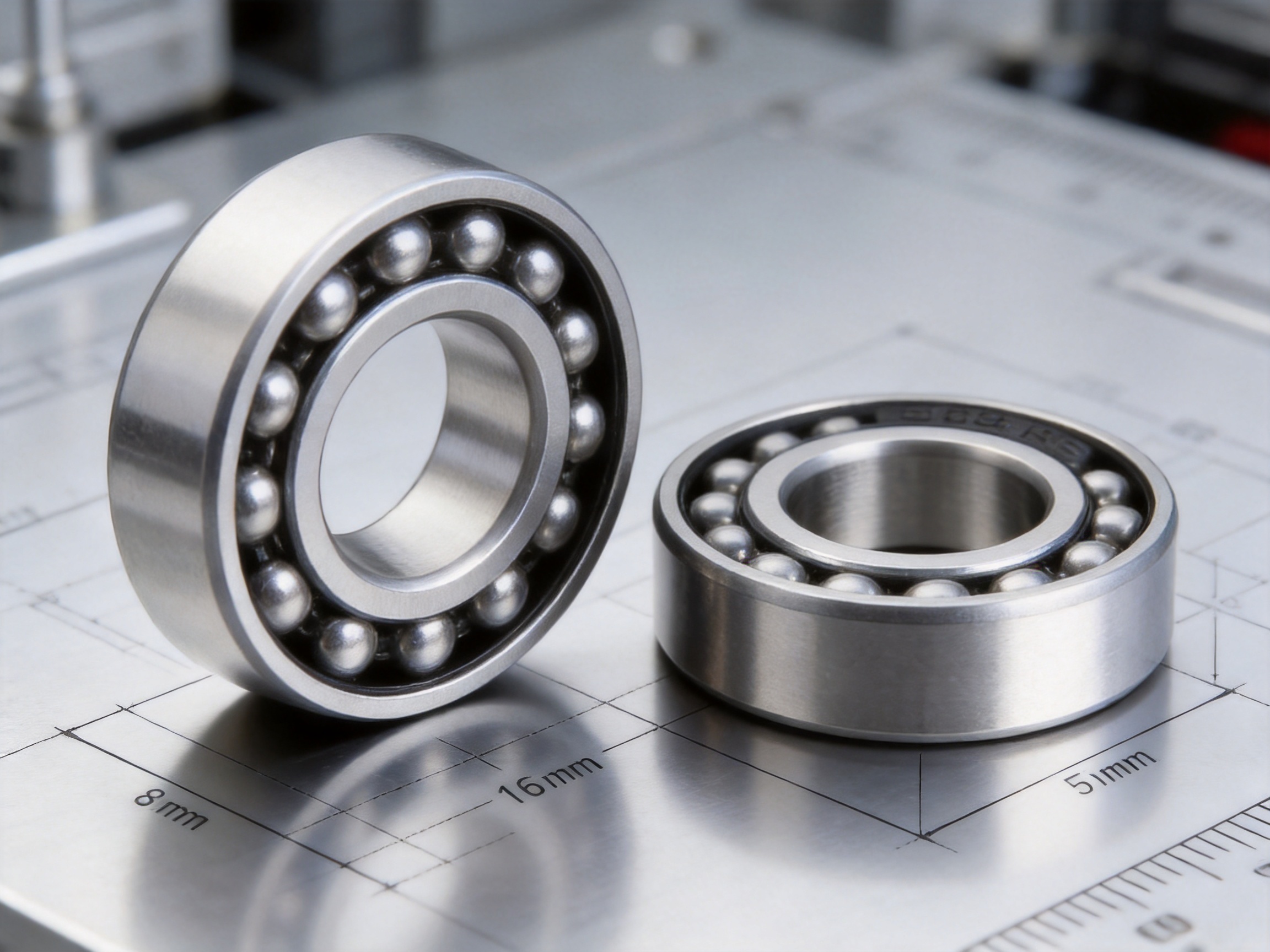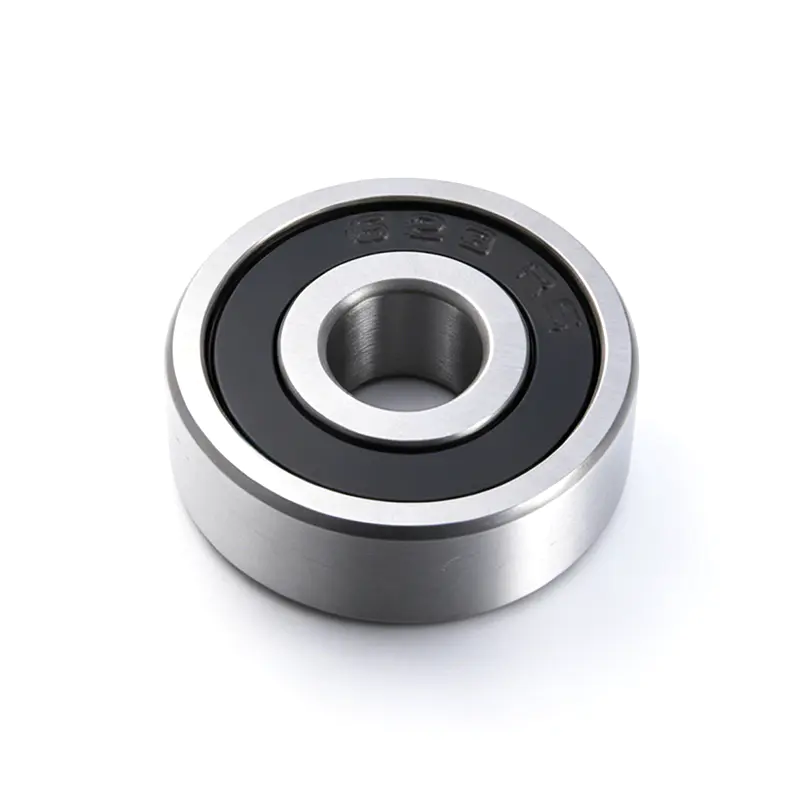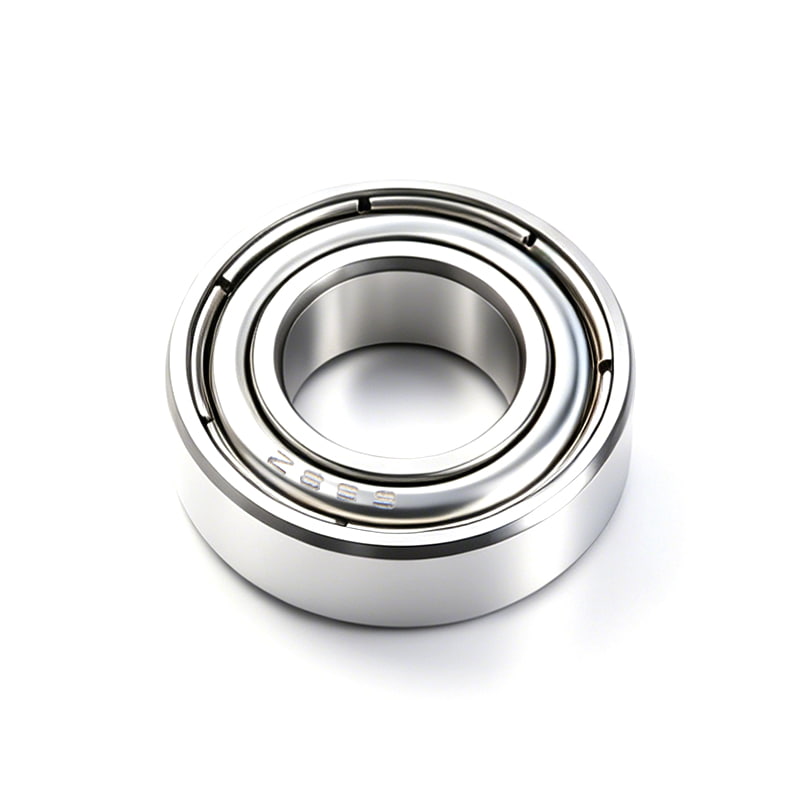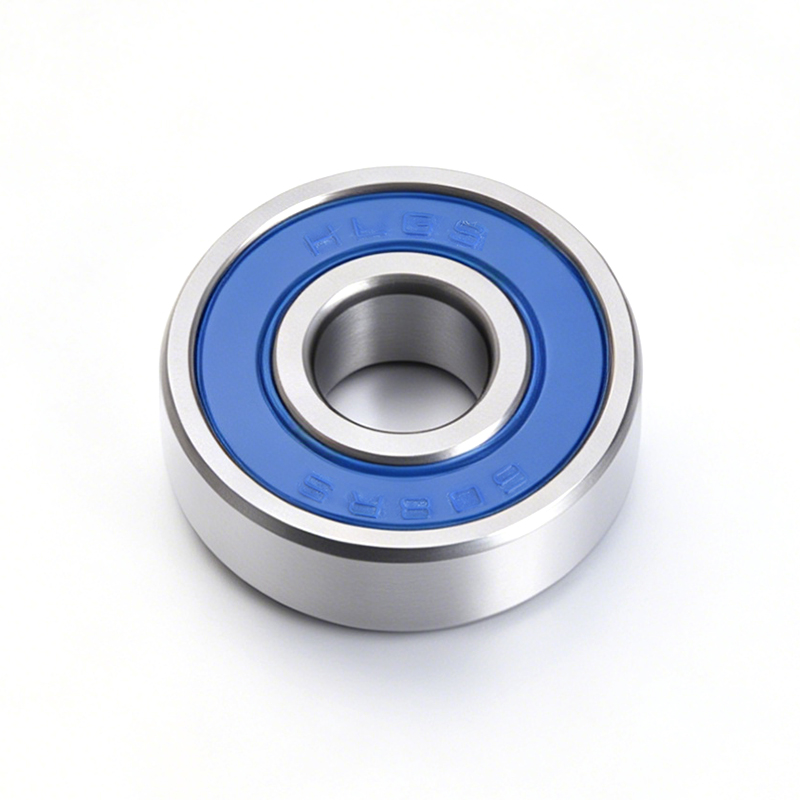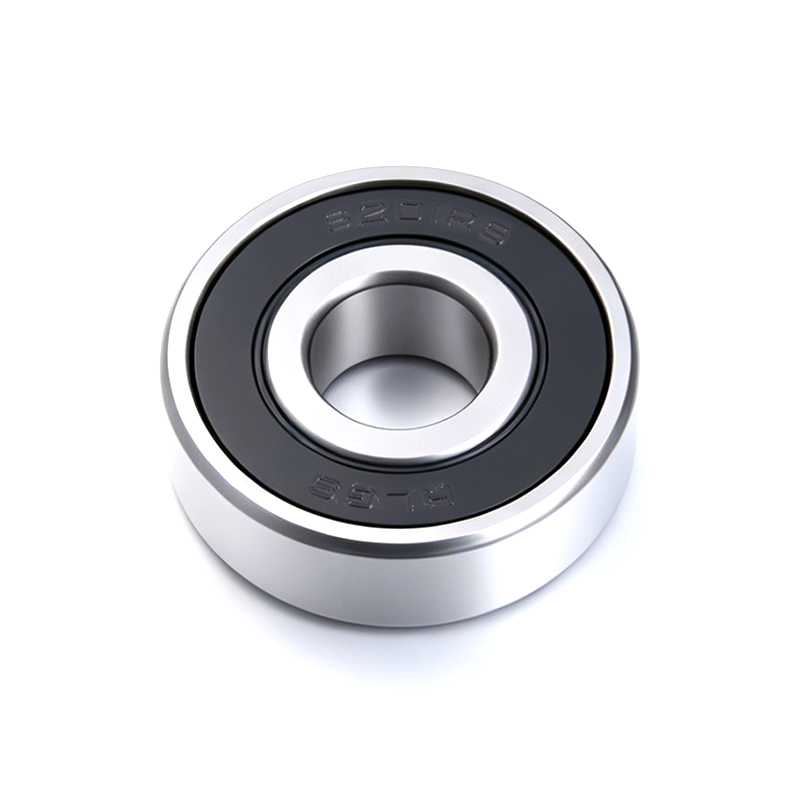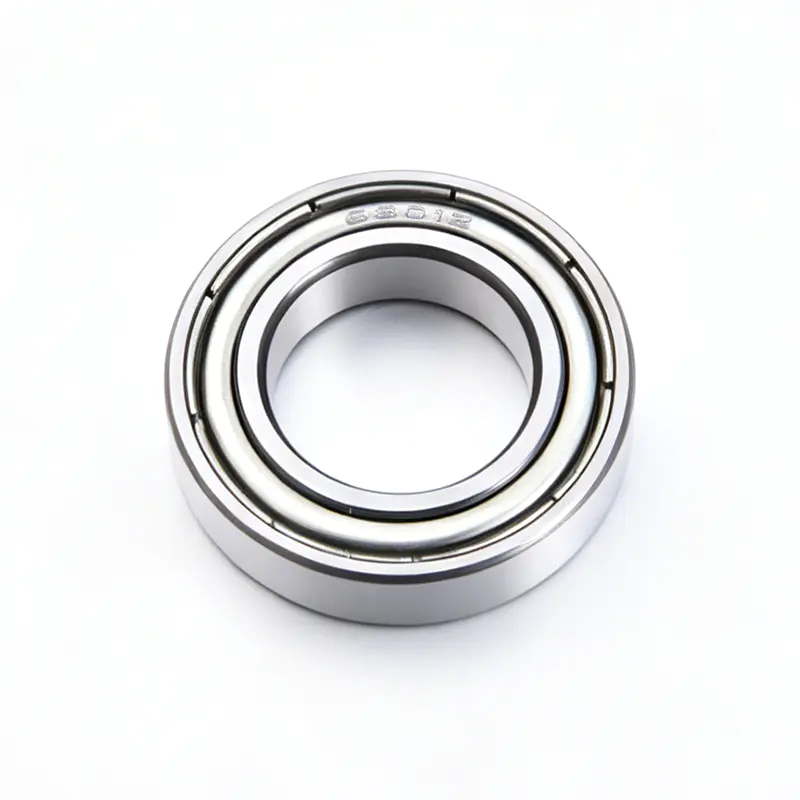
The S688-2RS is a miniature stainless steel deep groove ball bearing developed for applications where installation space is limited, operating smoothness is important, and dependable long-term rotation is required. With an 8 mm bore, 16 mm outside diameter, and 5 mm width, this ultra-slim bearing provides a practical combination of compact dimensions, corrosion resistance, low operating noise, and stable performance under light-load working conditions.
Miniature bearings are not simply reduced-size versions of larger bearings. Their small dimensions make manufacturing accuracy, surface quality, sealing, material selection, assembly control, and inspection especially important. A minor dimensional deviation, contamination particle, or raceway defect can have a noticeable effect on friction, noise, service life, and rotational precision. For this reason, the S688-2RS is designed for users who need more than a basic small bearing: they need a compact component manufactured with disciplined processes and supported by an experienced miniature-bearing supplier.
This article examines the S688-2RS in detail, including its construction, dimensional advantages, stainless steel material, sealing considerations, load ratings, application suitability, manufacturing strengths, quality controls, and selection guidelines. It also explains why the bearing is suitable for precision instruments, micro motors, consumer electronics, small household appliances, office equipment, medical devices, and other miniature mechanical systems.
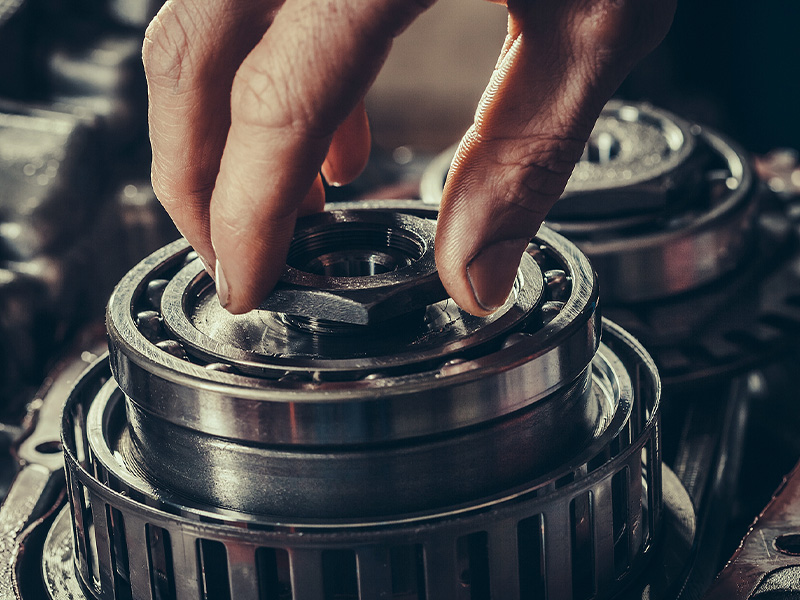
The S688-2RS belongs to the family of miniature deep groove ball bearings. Its basic design includes an inner ring, an outer ring, precision balls, a cage, lubricant, and protective closures. The deep groove raceway geometry allows the bearing to support radial loads while also accommodating limited axial loads in both directions. This makes it more versatile than a bearing designed only for one specific loading direction.
| Parameter | Specification |
| Bearing number | S688-2RS |
| Product type | Miniature stainless steel deep groove ball bearing |
| Bore diameter | 8 mm |
| Outside diameter | 16 mm |
| Width | 5 mm |
| Closure configuration | Double-sided protective closure; confirm 2RS or ZZ configuration when ordering |
| Material | Stainless steel, including 440C or AISI 304 options according to application and configuration |
| Dynamic load rating | 830 N |
| Static load rating | 400 N |
| Approximate weight | 0.003 kg |
The designation S688 generally identifies a thin-section miniature bearing with a nominal 8 mm bore, 16 mm outside diameter, and 5 mm width. The “2RS” suffix is commonly associated with rubber or elastomer contact seals on both sides, while “ZZ” is commonly used for non-contact metal shields on both sides. The supplied product information describes the bearing as S688-2RS but also lists double metal shields identified as ZZ. Because closure design affects friction, sealing, speed, and lubrication retention, purchasers should confirm the exact closure configuration before production release.
This specification point does not reduce the value of the product. Instead, it highlights the importance of accurate technical communication when selecting miniature bearings. A professional manufacturer or supplier should be able to confirm the closure type, material grade, internal clearance, lubrication, tolerance class, and other details required by the customer’s equipment design.
The most immediate advantage of the S688-2RS is its compact envelope. The 5 mm width allows designers to reduce the axial length of a rotating assembly, while the 16 mm outside diameter helps preserve space around the bearing seat. In small mechanisms, these few millimeters can influence the total size of the housing, the placement of gears, the length of a shaft, the position of a sensor, or the overall appearance of the finished product.
Equipment designers increasingly seek smaller and lighter products. Handheld electronics, compact actuators, medical instruments, laboratory devices, office equipment, and miniature automation assemblies often have very little room for conventional bearing arrangements. A full-size bearing may provide more capacity than necessary while consuming valuable space. The S688-2RS offers a more proportional solution for light-load rotating components.
A slim bearing can also simplify mechanical integration. When the bearing width matches the available housing shoulder, designers may reduce the number of spacers, washers, or additional positioning components. Fewer components can mean fewer assembly operations, lower part count, reduced weight, and less opportunity for alignment errors. However, the housing and shaft must still be designed with appropriate fits and shoulders so that the bearing is not subjected to excessive mounting stress.
The compact geometry is particularly useful in paired or multiple-bearing arrangements. Two miniature bearings can be installed at selected positions along a shaft without requiring a large bearing block. This may improve shaft support and reduce deflection in small mechanisms. Designers should evaluate the distance between bearings, shaft rigidity, load direction, speed, and alignment rather than assuming that simply adding more bearings will automatically improve performance.
Compared with generic miniature bearings made for general-purpose use, a carefully produced ultra-slim bearing can offer better dimensional consistency and more predictable installation. This is important because miniature assemblies frequently use precision-molded housings, thin-wall components, or small shafts that cannot tolerate large variations in fit. Stable dimensions help manufacturers maintain repeatable assembly quality.

S688-2RS Ultra-Slim Deep Groove Ball Bearing Features a Thin Profile and Is Space-Saving
Stainless steel is one of the defining characteristics of the S688-2RS. Compared with standard bearing steel, stainless steel provides improved resistance to moisture, oxidation, and many mildly corrosive environments. This makes it useful in equipment exposed to humid air, occasional condensation, cleaning agents, handling, or atmospheric contaminants.
The supplied information identifies stainless steel grades including 440C and AISI 304. These materials have different properties and should not be treated as interchangeable in every application. 440C is a hardened martensitic stainless steel commonly selected for bearing rings and rolling elements because it can provide high hardness, wear resistance, and suitable corrosion resistance after heat treatment. AISI 304 is an austenitic stainless steel known for strong general corrosion resistance and good cleanliness characteristics, although its hardness and load-carrying behavior differ from hardened bearing-grade materials.
For this reason, the exact material arrangement should be confirmed according to the bearing configuration. Rings and balls, for example, may require different material characteristics from seals, shields, or cages. Application conditions also matter. A bearing operating in a dry indoor office device may have different material priorities from one exposed to humidity, cleaning cycles, or light chemical contact.
Stainless steel does not mean that a bearing is immune to every corrosive substance. Strong acids, aggressive alkaline solutions, saltwater exposure, high temperatures, poor cleaning practices, and galvanic contact with dissimilar metals can still affect bearing performance. Correct material selection should consider the full environment, including temperature, humidity, liquid exposure, contaminants, cleaning chemicals, and expected service life.
When compared with ordinary carbon-chromium bearing steel, stainless steel can provide a meaningful advantage in applications where corrosion marks or discoloration would be unacceptable. Corrosion on a raceway can increase vibration, generate noise, damage rolling elements, and accelerate lubricant degradation. Preventing or reducing corrosion helps preserve smooth rotation and dimensional integrity.
Miniature bearings are often installed in products used close to people, such as office machines, medical devices, small appliances, consumer electronics, and precision instruments. In these products, noise and vibration may be more noticeable than in large industrial machinery. A bearing that operates with low friction and consistent rolling behavior can contribute to a quieter and more refined user experience.
The S688-2RS is described as providing exceptionally smooth and stable rotation, low operating noise, and consistent performance under light-load conditions. These properties depend on several factors working together. Raceway geometry must be accurately formed and finished. Rolling elements must have controlled size and roundness. The cage must maintain correct ball spacing. Seals or shields must be properly installed. Lubricant must be clean and appropriate for the intended speed and temperature.
Surface finish is especially significant in a miniature bearing. Rough or irregular raceways can increase rolling resistance and create vibration. Even when the bearing is able to rotate, uneven contact can produce acoustic peaks, torque variation, or premature wear. Fine finishing and controlled inspection help reduce these effects.
Low noise should always be evaluated in the complete assembly. Shaft imbalance, gear mesh, motor electromagnetic noise, housing resonance, incorrect fits, contamination, and misalignment may all produce sound that is incorrectly attributed to the bearing. The best results are achieved when the bearing, shaft, housing, lubricant, and operating conditions are designed as one system.
Light-load applications can present their own challenges. If the load is too low, the rolling elements may not maintain ideal contact under vibration or acceleration. This can lead to sliding, skidding, or unstable friction. A bearing should therefore be selected according to actual radial and axial loads, rotational speed, acceleration, mounting orientation, and vibration conditions rather than load capacity alone.
The S688-2RS has a listed dynamic load rating of 830 N and a static load rating of 400 N. These values are important reference points for preliminary design, but they should not be interpreted as a guaranteed working load in every application. Bearing ratings are used in calculations involving fatigue life, static safety, load direction, speed, lubrication, alignment, and operating environment.
The dynamic load rating is generally associated with the load a bearing can carry over a defined rating life under standardized conditions. It is used in bearing-life calculations when the bearing is rotating. The actual service life may be affected by contamination, inadequate lubrication, excessive preload, mounting damage, electrical current, vibration, temperature, or improper shaft and housing fits.
The static load rating relates to permanent deformation risk when the bearing is stationary or subjected to slow oscillation. A static safety factor should be considered when the bearing experiences shock loads, sudden stops, clamping forces, transportation vibration, or heavy stationary loads. Even a brief impact can damage a miniature raceway if the contact stress is sufficiently high.
Because the S688-2RS has an ultra-slim section, it is most appropriate for light-load and moderate-load miniature mechanisms rather than heavily loaded industrial shafts. Its strength lies in compactness, corrosion resistance, smooth rotation, and integration efficiency. Selecting a much larger bearing solely for greater capacity may unnecessarily increase product size, weight, friction, and cost.
For a reliable design, engineers should identify the radial load, axial load, combined load, rotating speed, duty cycle, acceleration, temperature, and expected life. They should also consider whether the load is constant, intermittent, reversing, or shock-related. A bearing supplier can assist with selection when the operating data and environmental requirements are clearly provided.
Protective closures help keep lubricant inside the bearing and reduce the entry of dust, fibers, moisture, and other contaminants. This is particularly important in miniature products because contamination particles can be relatively large compared with the clearance and contact dimensions inside the bearing.
Two common closure categories are rubber contact seals and metal shields. Contact seals normally provide stronger protection against contamination and lubricant leakage, but they may create more friction and heat. Metal shields generally offer lower friction and may support higher speed, but they are not equivalent to a fully contacting seal in environments with liquid, dust, or fine particles.
The product is identified as S688-2RS, while the supplied technical table refers to double metal shields and the code ZZ. This specification should be confirmed before ordering. The appropriate choice depends on the equipment’s priorities:
| Requirement | Potentially suitable closure priority | Design consideration |
| Very low friction and high rotational efficiency | Non-contact metal shields | May provide less protection against liquid and fine contaminants |
| Improved protection against dust and lubricant escape | Contact seals | May increase starting torque and operating friction |
| Humid or contamination-prone environment | Enhanced sealing configuration | Confirm seal material, temperature range, and chemical compatibility |
| High-speed miniature motor | Low-friction closure and suitable grease | Verify speed, heat generation, and lubricant life |
Lubricant selection is equally important. A miniature bearing may be supplied with grease selected for low noise, long life, high speed, low temperature, or general-purpose service. Grease quantity must be controlled because overfilling can increase friction and heat, while insufficient lubrication can accelerate wear. Customers with specialized requirements should specify speed, temperature, noise limits, duty cycle, and chemical exposure when requesting a quotation.
The performance of a miniature bearing depends heavily on manufacturing discipline. A bearing measuring only a few millimeters wide requires control at every stage, from raw material preparation to final packaging. Small components leave little margin for burrs, raceway waviness, dimensional variation, or assembly damage.
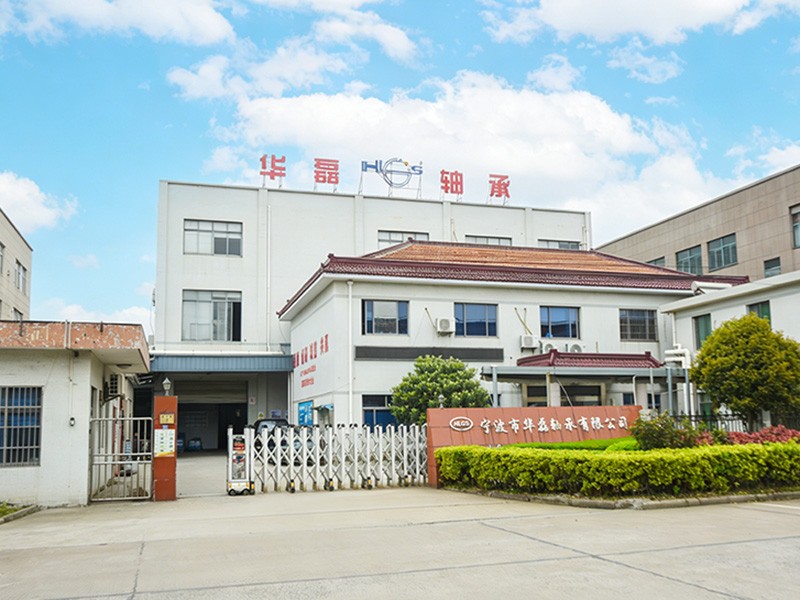
Ningbo Zhenhai Hualei Bearing Co., Ltd. was established in 2001 and is identified as a professional manufacturer of miniature deep groove ball bearings. Its product range includes deep groove ball bearings under the HLGS trademark. The company serves applications including food machinery, household appliances, automotive electromechanical systems, electric tools, mechanical transmission equipment, and motors.
Years of specialization in miniature deep groove bearings can provide practical advantages in process knowledge. These advantages may include a better understanding of miniature raceway production, small-ball handling, cage installation, seal or shield fitting, lubrication control, noise inspection, and packaging requirements. Experience is valuable because many bearing problems are not caused by a single major defect but by a combination of small process variations.
The company states that its products are strictly tested with advanced equipment and that it follows ISO 9001 and ISO/TS 16949 management systems. ISO 9001 supports structured quality management, documented processes, corrective action, traceability, and continual improvement. ISO/TS 16949 was developed for automotive quality management and emphasizes process control, defect prevention, variation reduction, and customer-specific requirements. Although certification or management-system compliance does not by itself guarantee that every bearing suits every application, it provides a framework for repeatable manufacturing and quality assurance.
A disciplined miniature-bearing process typically includes the following stages:
Suitable stainless steel material is selected according to the required hardness, corrosion resistance, dimensional stability, and load performance. Material certificates and incoming inspection can help verify chemical composition and mechanical properties. Proper storage also reduces the risk of corrosion, contamination, and material mix-ups.
Inner and outer rings are formed, machined, heat-treated where required, ground, and finished. Raceway geometry must be controlled carefully because the raceway determines contact with the balls. The bore, outside diameter, width, shoulder geometry, and chamfers must also meet the required dimensional tolerances.
Balls must have controlled diameter, roundness, surface finish, and grade. In a miniature bearing, the difference between rolling elements can influence internal load distribution and rotational smoothness. Clean handling is important because small surface particles can damage the raceways during assembly or operation.
The cage maintains spacing between the balls and supports stable rolling motion. Seals or shields are installed with controlled positioning so that they do not rub incorrectly, become distorted, or leave an excessive opening. The configuration must match the customer’s order and technical requirements.
Lubricant is applied in a controlled quantity and under clean conditions. For low-noise applications, grease cleanliness and consistency are important. For high-speed applications, viscosity, churning, heat generation, and compatibility with seals must be considered.
Inspection may include dimensional measurement, visual examination, rotational torque evaluation, noise and vibration testing, closure verification, material traceability, and sampling-based life or performance tests. The appropriate inspection plan depends on the product design, customer specification, and application risk.
Packaging protects the bearing from moisture, dust, impact, and mixed identification during storage and transportation. Correct labeling is especially important when similar miniature bearing numbers differ only by a suffix, closure type, clearance, material, or lubrication specification.
The S688-2RS can compete effectively with generic miniature bearings when customers value a combination of compact size, stainless steel construction, application support, and manufacturing consistency. Price is only one part of bearing value. A low-cost bearing that produces excessive noise, fails early, or causes assembly problems can generate higher total costs through rework, warranty claims, downtime, and redesign.
One advantage is the thin 5 mm width. Many competing products may use a wider section even when the bore and outside diameter are similar. A wider bearing can require a longer housing, reduce available space for adjacent components, or increase total assembly weight. The ultra-slim profile of the S688-2RS helps designers maintain a compact architecture.
A second advantage is stainless steel construction. In humid or corrosion-sensitive applications, stainless steel may provide a longer useful service period and more stable appearance than standard bearing steel. It can also reduce the risk that surface corrosion will produce noise, vibration, or contamination inside the product.
A third advantage is suitability for precision miniature equipment. The product description emphasizes smooth rotation, low noise, wear resistance, and stable light-load performance. These qualities are relevant to equipment in which the bearing is part of the user-facing performance, such as small motors, office devices, medical instruments, and consumer products.
A fourth advantage is the supplier’s manufacturing specialization. A manufacturer with long-term experience in miniature deep groove bearings may provide more consistent support for OEM and ODM programs than a general industrial distributor. Product customization can include packaging, lubrication, closure selection, material confirmation, tolerance requirements, and production documentation, subject to technical review.
A fifth advantage is quality-system orientation. The stated ISO 9001 and ISO/TS 16949 management systems indicate an emphasis on documented procedures, process control, and continual improvement. For customers building repeat-production equipment, this can be more valuable than an isolated sample that performs well but cannot be reproduced consistently in future batches.
These advantages should be evaluated against the customer’s exact requirements. A stainless steel miniature bearing may not be the best option for a heavily loaded shaft, a very high-temperature environment, or an application requiring special electrical insulation. Competitive selection should therefore compare load, speed, life, sealing, material, noise, fit, cost, delivery, and documentation rather than relying on a single feature.
Precision instruments often require small rotating knobs, rollers, positioning mechanisms, fans, or actuator components. The S688-2RS can help reduce assembly size while supporting smooth movement. Stainless steel is useful where clean appearance, corrosion resistance, and stable operation are important.
Micro motors used in instruments, fans, pumps, office equipment, toys, and compact automation products frequently require miniature bearings. The S688-2RS can support rotor shafts when the load, speed, temperature, and electrical conditions are within the bearing’s design limits. Motor designers should check starting torque, running torque, grease compatibility, rotor balance, and shaft fit.
Compact electronics may contain cooling fans, rotating adjustment mechanisms, small actuators, optical modules, or moving interfaces. Low noise and small size are particularly important in these products. The bearing should be protected from assembly contamination and selected with a lubricant compatible with the product’s operating temperature.
Small household appliances may experience humidity, intermittent operation, vibration, and repeated start-stop cycles. Stainless steel can help in environments where ordinary steel may be more vulnerable to oxidation. The designer must still consider cleaning agents, water exposure, shock loads, and the quality of surrounding seals.
Printers, scanners, document-handling systems, compact fans, and other office devices often rely on smooth and quiet rotary motion. A miniature bearing can reduce assembly size and support reliable movement in rollers, gears, and small motors. Stable manufacturing is important because office equipment is often produced in large volumes and requires repeatable performance.
Medical and laboratory equipment may require compact components with clean operation and corrosion resistance. Before using the bearing in a regulated device, the customer must evaluate material documentation, lubricants, cleaning procedures, sterilization conditions, biocompatibility requirements, traceability, and applicable regulatory standards. The product should be approved only after the complete device validation process.
Miniature automation, optical equipment, measuring instruments, and compact transmission systems can benefit from the bearing’s small envelope and smooth rotation. Correct alignment and installation are essential because precision mechanisms may be sensitive to even small mounting errors.
Correct installation is necessary to obtain the intended performance of any miniature bearing. The bearing should remain in its original protective packaging until it is ready for assembly. Work surfaces, tools, shafts, and housings should be clean. Small particles that may seem harmless can cause measurable damage inside a miniature bearing.
The mounting force should be applied only to the ring being fitted. If the inner ring is being pressed onto a shaft, force should be applied to the inner ring. If the outer ring is being installed into a housing, force should be applied to the outer ring. Applying force through the rolling elements can create raceway indentations and premature noise.
Shaft and housing fits must be selected according to the rotating ring, load direction, temperature, material expansion, and required precision. An excessively tight fit can reduce internal clearance and increase friction. An excessively loose fit can permit creep, fretting, or unstable positioning. Thin housing walls may deform during installation, so the housing should have adequate rigidity and support.
Shoulders, spacers, and retaining features should be designed to contact the appropriate bearing ring without interfering with seals or shields. The bearing should not be clamped beyond the manufacturer’s recommended limits. If axial preload is required, it should be calculated and controlled carefully because miniature bearings can be sensitive to even small changes in axial force.
When a bearing is installed near magnets, electrical motors, or high-frequency equipment, designers should consider electrical current and stray voltage. Electrical discharge through a bearing can cause fluting, pitting, and premature failure. If the application creates a risk of bearing current, electrical insulation or another suitable bearing solution may be necessary.
The expected service life of the S688-2RS depends on more than the listed load ratings. Rotation speed, load spectrum, lubrication, contamination, temperature, installation quality, misalignment, and vibration all affect the result. A bearing operating at low speed in a clean environment may perform very differently from the same bearing operating continuously at high speed in a hot or contaminated environment.
Temperature affects both materials and lubricant. At elevated temperatures, grease can soften, oxidize, or lose its useful properties. At low temperatures, grease may become more viscous and increase starting torque. Stainless steel, seals, cages, and lubricant should be reviewed together for the full operating temperature range.
Contamination is one of the most common causes of miniature bearing damage. Dust, metal particles, fibers, water, and cleaning residues can enter through openings or be introduced during installation. Protective closures reduce this risk but do not eliminate it in every environment. Housing seals and equipment-level protection should be used when the application is exposed to significant contaminants.
Vibration and shock can be especially harmful when the bearing is stationary or lightly loaded. Repeated oscillation can produce false brinelling or fretting marks. If the equipment is transported with strong vibration, the shaft may require temporary restraint or additional packaging protection.
Maintenance requirements depend on the closure and lubricant configuration. Many miniature sealed or shielded bearings are intended to be replaced rather than relubricated. Attempting to remove closures or add unsuitable grease can introduce contamination or damage the closure. A planned replacement interval may be more practical than field relubrication in compact consumer or medical equipment.
Ningbo Zhenhai Hualei Bearing Co., Ltd. established Ningbo Hotex Mechanical & Electrical Technology Co., Ltd. in 2016 as its import and export department. The company provides OEM and ODM services and seeks cooperation with customers worldwide. This structure can support international customers that require communication, product coordination, export documentation, and project follow-up.
OEM cooperation is useful when a customer needs a bearing produced according to an established drawing or specification. ODM cooperation may be appropriate when the customer needs technical assistance in selecting a bearing configuration for a new product. In either case, the most effective project begins with complete operating information.
Customers should provide the required bore, outside diameter, width, load, speed, temperature, environment, closure preference, material requirement, lubricant, noise target, internal clearance, tolerance class, packaging quantity, and expected annual demand. Samples, drawings, test reports, and inspection standards should be agreed before mass production.
For automotive or safety-related applications, customers may also require lot traceability, process approval, control plans, measurement records, change notification, and special characteristic management. The stated automotive-oriented quality management experience can be relevant to these expectations, but all customer-specific requirements must be reviewed and confirmed individually.
Quality assurance is most effective when it covers both product characteristics and process behavior. Final inspection is important, but it cannot replace controlled production. A reliable supply program should monitor incoming materials, machining processes, heat treatment, grinding, assembly, lubrication, packaging, and shipment identification.
For the S688-2RS, critical characteristics may include bore diameter, outside diameter, width, raceway quality, radial internal clearance, ball grade, closure position, rotational torque, noise, vibration, corrosion condition, and packaging integrity. The appropriate inspection frequency may vary according to production volume, customer requirements, and process capability.
Batch consistency is particularly important for miniature bearings used in motors and high-volume equipment. Small changes in friction or noise can affect the acoustic output and power consumption of the final product. Statistical process monitoring and documented corrective action can help identify trends before they become large-scale problems.
Traceability also supports efficient problem solving. If a customer reports unusual noise or premature wear, the manufacturer should be able to review the relevant production batch, material records, inspection data, assembly conditions, and shipment information. This structured approach can reduce investigation time and support continuous improvement.
Before placing an order for the S688-2RS, buyers should verify the basic dimensions and bearing number. The 8 mm bore, 16 mm outside diameter, and 5 mm width must match the shaft and housing design. The customer should also confirm whether the required closure is 2RS contact-sealed or ZZ shielded, because the supplied product information contains both descriptions.
The material specification should be clearly written. If the application requires 440C, AISI 304, or another stainless steel arrangement, the customer should request confirmation of which components use each material. Hardness, corrosion resistance, load performance, and temperature requirements should be considered together.
Buyers should confirm the dynamic and static load ratings, internal clearance, tolerance class, rotational speed, grease type, temperature range, and expected service life. If low noise is critical, the customer should define the test method, operating speed, load, and acceptable noise or vibration level.
Packaging requirements should also be discussed. High-volume customers may need individual packaging, tube packaging, tray packaging, batch labels, barcodes, desiccant, rust prevention, or special carton configurations. Clear packaging can reduce mix-ups between similar bearing sizes and suffixes.
Finally, buyers should request technical documentation appropriate to the application. This may include product drawings, material certificates, inspection reports, quality-system information, sample approval records, and change-control procedures. Good documentation is an important part of professional bearing procurement.
Standard chrome steel bearings are widely used because they offer strong load capacity, good hardness, and competitive cost. For clean, dry, indoor applications, they may be entirely suitable. However, they can be more vulnerable to corrosion if exposed to moisture or poor storage conditions. Stainless steel becomes more attractive when environmental resistance and appearance are important.
Ceramic or hybrid bearings may provide advantages in very high-speed, electrically sensitive, or specialized applications. Their cost and design requirements are usually higher, and they may not be necessary for ordinary light-load equipment. The S688-2RS offers a more economical stainless steel solution for many compact mechanisms that do not require ceramic rolling elements.
Polymer bearings can operate without conventional lubrication and may resist certain chemicals. However, they may have different load, speed, stiffness, dimensional stability, and temperature characteristics. A stainless steel deep groove ball bearing can provide lower rolling friction and greater dimensional rigidity when those properties are needed.
Plain bushings are another alternative. They may be simpler and less expensive in slow oscillating mechanisms, but they can produce more sliding friction and may require different lubrication or wear allowances. The S688-2RS is generally preferable where continuous rotation, low friction, compact size, and controlled running noise are priorities.
A prototype evaluation should measure the bearing in the actual assembly rather than relying only on catalog data. Relevant tests may include starting torque, running torque, temperature rise, rotational noise, vibration, speed stability, axial movement, and endurance. The test should use the intended shaft, housing, lubricant, load, and operating cycle.
For corrosion-sensitive applications, testing may include humidity exposure, condensation cycles, cleaning-agent compatibility, or salt-related environmental evaluation as appropriate. The exact test method should reflect the real environment and should not be assumed from the general term “stainless steel.”
For micro motor applications, the bearing should be evaluated with the motor’s rotor, winding, magnetic system, and housing. Bearing noise may interact with motor noise and housing resonance. Testing the bearing alone can identify basic defects, but complete motor testing is necessary for final acoustic validation.
For medical or laboratory equipment, additional validation may be needed for cleaning, disinfection, sterilization, particle generation, lubricant compatibility, and traceability. A bearing supplier can provide product information, but the equipment manufacturer remains responsible for validating the finished device.
The S688-2RS is a miniature stainless steel deep groove ball bearing with an 8 mm bore, 16 mm outside diameter, and 5 mm width. It is designed for compact rotating mechanisms and light-load applications.
The S688 designation generally refers to a miniature thin-section bearing with an 8 mm bore, 16 mm outside diameter, and 5 mm width. The exact closure, material, clearance, and lubrication should be confirmed from the supplier’s technical specification.
The product name identifies it as S688-2RS, which commonly indicates two rubber contact seals. However, the supplied information also lists double metal shields with the code ZZ. Customers should confirm whether the required version is 2RS or ZZ before ordering.
The product information identifies stainless steel materials including 440C and AISI 304. The appropriate grade depends on the required hardness, corrosion resistance, load, temperature, and component arrangement. The exact material specification should be confirmed for each order.
The listed dynamic load rating is 830 N, and the listed static load rating is 400 N. These values are reference ratings, not universal working-load limits. Actual bearing selection should consider load type, speed, life, shock, lubrication, alignment, and operating environment.
Typical applications include precision instruments, micro motors, consumer electronics, small household appliances, office equipment, medical devices, and high-precision miniature machinery. The bearing is especially suitable where space is limited and smooth, quiet, corrosion-resistant rotation is required.
Stainless steel and an appropriate closure can improve resistance to humidity and light moisture exposure, but the bearing is not automatically suitable for immersion, strong chemicals, or continuous water contact. The seal, material grade, lubricant, housing protection, and actual environmental conditions must be evaluated.
Suitability for high speed depends on the closure type, lubricant, internal clearance, temperature, load, and mounting arrangement. A shielded version may have lower friction than a contact-sealed version, but the supplier should confirm the allowable speed for the exact configuration.
OEM and ODM services are available according to the provided company information. Potential customization areas may include material, closure, lubrication, packaging, tolerances, and customer-specific documentation, subject to technical review and production feasibility.
Keep the bearing clean, align the shaft and housing carefully, and apply mounting force only to the ring being fitted. Do not transmit pressing force through the rolling elements. Avoid excessive interference, impact, contamination, and seal damage during installation.
No. Stainless steel improves corrosion resistance but does not resist every chemical or environmental condition. Strong chemicals, saltwater, high humidity, poor cleaning, high temperature, and galvanic contact can still cause damage. Application-specific material and sealing evaluation is necessary.
An inquiry should include quantity, dimensions, bearing number, closure type, material, load, speed, temperature, operating environment, lubricant requirements, noise expectations, packaging, delivery schedule, and any OEM or ODM documentation requirements.
The S688-2RS is a compact stainless steel deep groove ball bearing designed to meet the needs of modern miniature equipment. Its 8×16×5 mm size helps save space, reduce assembly length, and support lightweight product architectures. Stainless steel construction provides an advantage in humid or corrosion-sensitive environments, while the deep groove design supports versatile radial and limited axial loading.
Its stated benefits include smooth rotation, low operating noise, wear resistance, and stable performance under light-load conditions. These qualities make it suitable for precision instruments, micro motors, consumer electronics, household appliances, office equipment, medical devices, and miniature mechanical systems.
The product’s value is strengthened by the manufacturer’s long experience in miniature deep groove ball bearings, its broad application background, its OEM and ODM capabilities, and its stated ISO 9001 and ISO/TS 16949 quality-management systems. Advanced equipment, structured inspection, process control, material traceability, and careful assembly are all important for achieving consistent miniature-bearing performance.
Before final selection, customers should confirm the closure designation because the supplied information refers both to S688-2RS and to double metal shields identified as ZZ. They should also verify material grade, load, speed, lubricant, clearance, temperature, and environmental requirements. With those details properly matched to the application, the S688-2RS can provide an efficient, space-saving, and dependable bearing solution for precision rotating equipment.
1. ISO 9001, Quality Management Systems — Requirements.
2. ISO/TS 16949, Quality Management Systems for Automotive Production and Relevant Service-Part Organizations.
3. ISO 281, Rolling Bearings — Dynamic Load Ratings and Rating Life.
4. ISO 76, Rolling Bearings — Static Load Ratings.
5. ISO 492, Rolling Bearings — Radial Bearings — Geometrical Product Specifications and Tolerance Values.
6. General engineering principles for miniature deep groove ball bearing selection, installation, lubrication, and maintenance.
7. Product specification materials supplied for the S688-2RS stainless steel miniature deep groove ball bearing.
Direct Answer Stainless steel bearings are the correct choice whenever a rotating assembly must re...
A spindle starts to leave a faint chatter mark at 8,000 rpm. The deep groove ball bearing meets its...
Choosing between an angular contact ball bearing and a deep groove ball bearing often comes down to...
Picture a maintenance engineer holding a replacement bearing stamped 6204-2RS C3. The part looks id...