Zhao Xinyue — Product Sales Consultant
Home / Author / Zhao Xinyue — Product Sales Consultant / 6205ZZ Deep Groove Ball Bearing: Reliable Performance for Motors, Pumps, and Industrial Machinery

6205ZZ Deep Groove Ball Bearing: Reliable Performance for Motors, Pumps, and Industrial Machinery

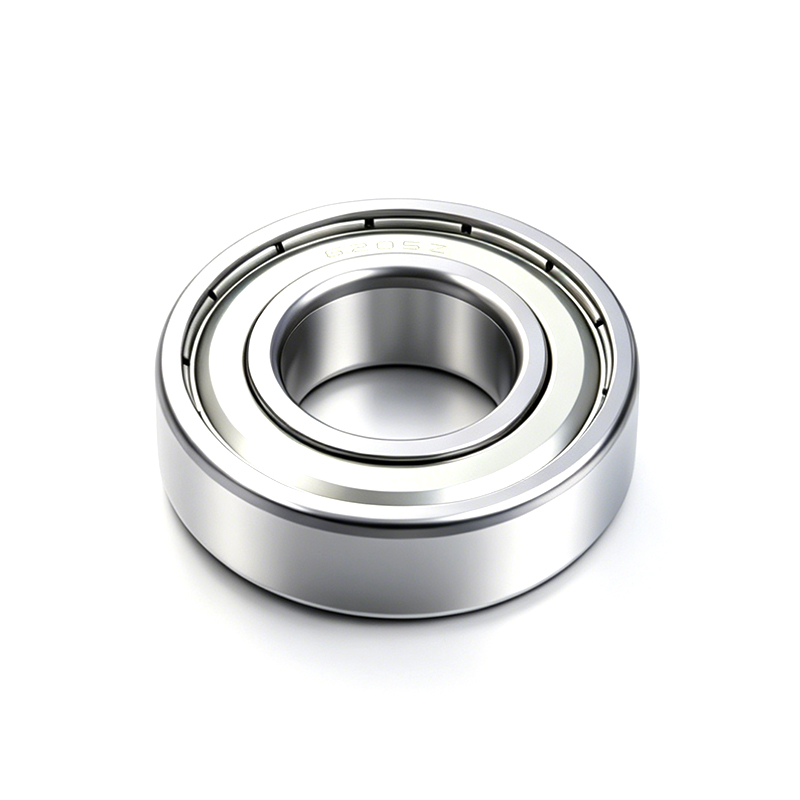
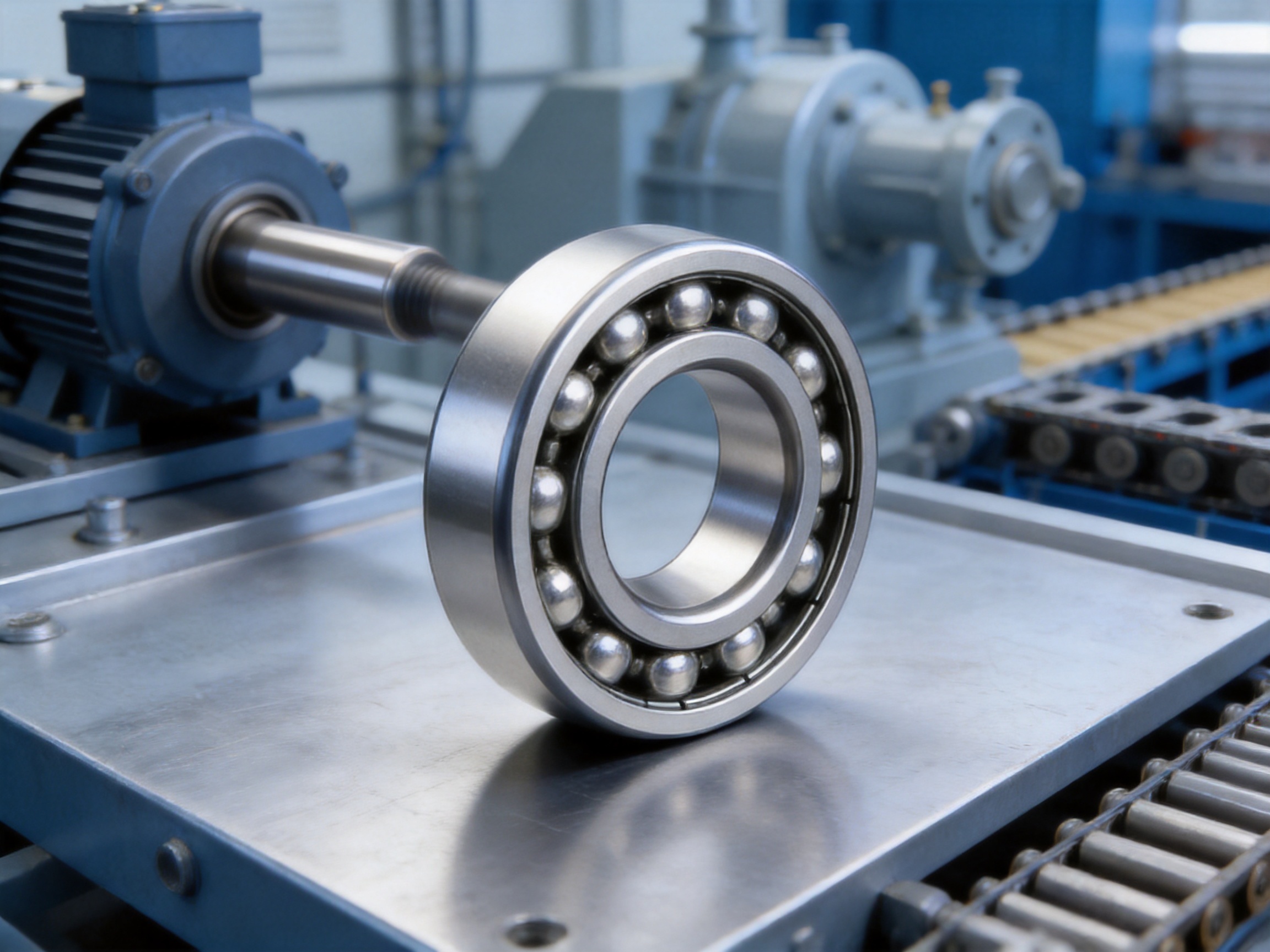
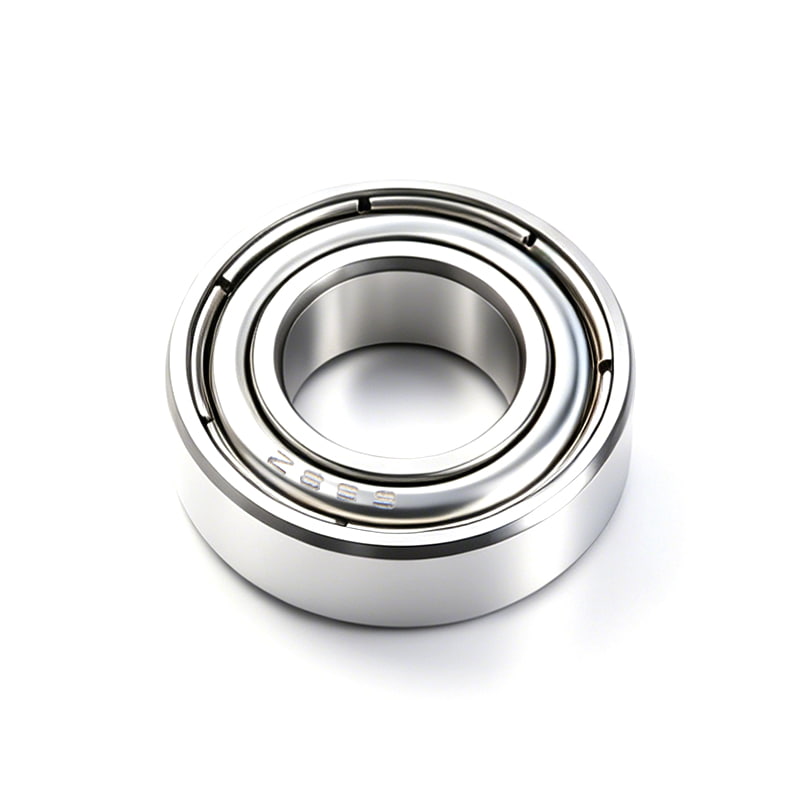
The 6205ZZ deep groove ball bearing is a versatile, medium-load bearing designed for dependable operation in electric motors, pumps, fans, conveyors, agricultural equipment, gearboxes, and general industrial machinery. With a 25 mm bore, 52 mm outer diameter, and 15 mm width, it offers a practical combination of load capacity, compact installation size, smooth rotation, and straightforward maintenance.

Its double metal shields, identified by the suffix “ZZ,” help prevent dust, airborne contaminants, and moisture from entering the bearing interior while helping retain the factory-applied lubricant. Manufactured from GCr15 bearing steel and precision-ground for consistent geometry, the 6205ZZ is built for applications that require stable radial-load performance, low friction, reduced operating noise, and long service life.

For equipment designers, maintenance teams, distributors, and original equipment manufacturers, the value of the 6205ZZ lies not only in its standardized dimensions. Its usefulness also comes from its broad interchangeability, robust construction, simple installation, and suitability for continuous operation under properly controlled conditions. When produced with close dimensional control and carefully managed inspection procedures, this bearing can provide a reliable alternative to less consistently manufactured products in the same size class.

Product Overview

A deep groove ball bearing is designed with raceway grooves in both the inner and outer rings. These grooves accommodate the rolling balls and allow the bearing to support primarily radial loads while also handling a certain level of axial load in either direction. This basic design makes deep groove ball bearings among the most widely used rolling bearings in industrial equipment.

The 6205ZZ is one of the most recognized bearing sizes in the 6200 series. Its internal geometry is intended to balance load-carrying capability with rotational efficiency. The 25 mm bore allows it to fit a broad range of motor shafts and machinery shafts, while the 52 mm outside diameter provides sufficient raceway size for medium-duty industrial applications. Its 15 mm width supports a compact axial installation without requiring excessive housing space.

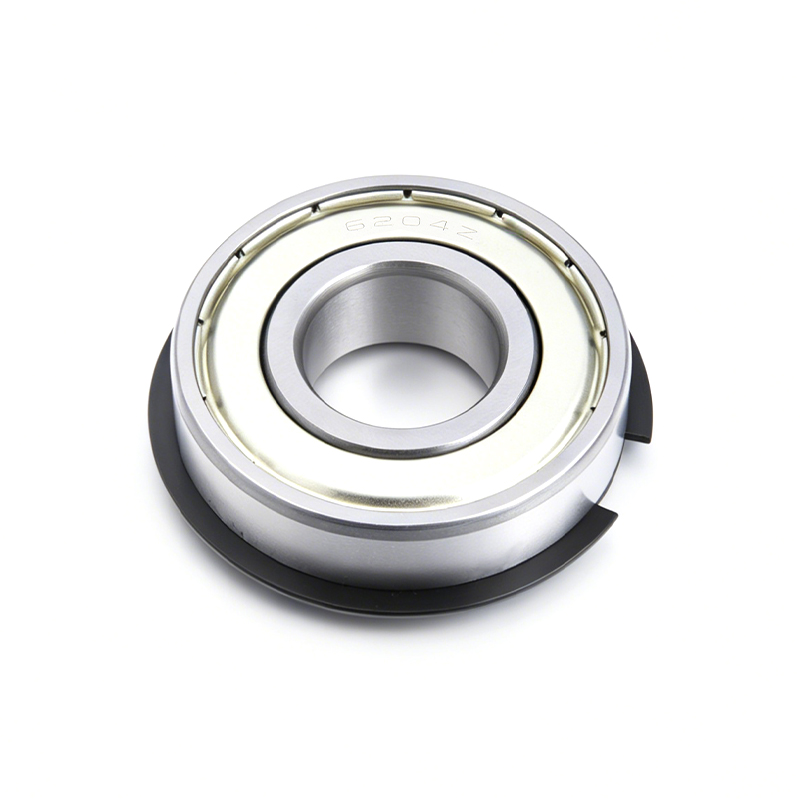
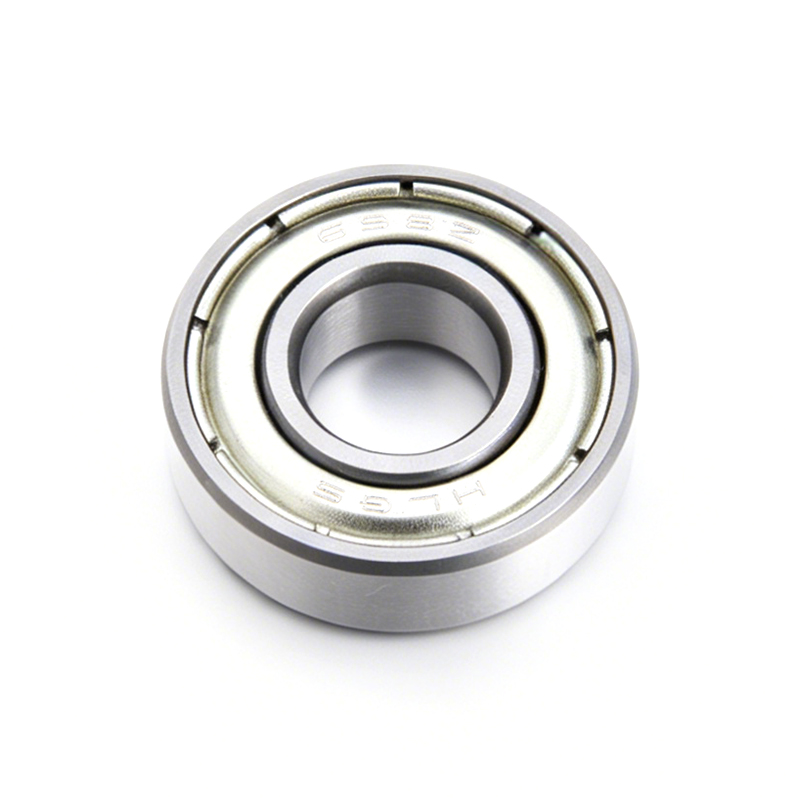
The “ZZ” designation indicates that the bearing is fitted with two non-contact metal shields, one on each side. Unlike contact seals, metal shields do not normally rub directly against the inner ring. This helps reduce friction and heat generation, making the configuration suitable for many higher-speed applications. At the same time, the shields provide a barrier against ordinary workplace dust, particles, and light contamination.

The 6205ZZ is generally supplied pre-lubricated for convenient installation. Because lubrication type, fill quantity, operating temperature, and speed limits can vary according to the manufacturer and application, users should confirm the specific technical requirements before installation in demanding environments.

ParameterSpecificationApplication Significance
Bearing number6205ZZIdentifies the bearing size and double metal-shield configuration
Bore diameter25 mmFits a nominal 25 mm shaft
Outer diameter52 mmMatches a nominal 52 mm housing bore
Width15 mmDefines the axial installation space
Shield arrangementDouble metal shieldsHelps retain lubricant and limit contamination entry
Dynamic load rating14,000 NIndicates rated capacity for rotating-load calculations
Static load rating7,850 NIndicates rated capacity for stationary or slowly rotating loads
MaterialGCr15 bearing steelSupports hardness, wear resistance, and rolling-contact durability

Why the 6205ZZ Design Is Widely Used

The popularity of the 6205ZZ comes from its ability to serve many equipment categories without requiring a complicated bearing arrangement. A single bearing type can be used in motors, rollers, fans, pumps, light machinery, and transmission assemblies. This simplifies inventory management and allows maintenance departments to standardize replacement parts across multiple machines.

Its deep groove geometry supports smooth rotation at both moderate and relatively high speeds. In an electric motor, for example, the bearing supports the rotor shaft and helps maintain alignment between the shaft, stator, fan, and housing. In a pump, it can support the rotating shaft while helping limit vibration caused by radial loads. In conveyors and agricultural machines, it can operate reliably when installation, sealing, alignment, and lubrication are properly controlled.

The standard dimensions also make the bearing convenient for replacement. Equipment manufacturers commonly design around recognized bearing series, and maintenance technicians can identify the required size using the bearing number and shaft dimensions. This reduces downtime and makes sourcing easier than with highly specialized or non-standard bearing designs.

Material Advantages of GCr15 Bearing Steel

GCr15 is a commonly used high-carbon chromium bearing steel. Its chemical composition and heat-treatment potential make it suitable for rolling elements and bearing rings that must withstand repeated contact stress. During operation, each ball repeatedly passes through the loaded zone between the raceways. This creates concentrated contact pressure, so material hardness, cleanliness, toughness, and dimensional stability are critical.

When correctly processed, GCr15 can provide a hard working surface with the wear resistance necessary for long-term rolling contact. It also offers a consistent foundation for precision grinding and superfinishing. These characteristics help the 6205ZZ maintain smooth raceway contact and resist premature wear under appropriate operating loads.

Material selection alone does not guarantee bearing quality. The final result depends on steel cleanliness, forging quality, heat-treatment consistency, machining accuracy, grinding control, assembly practices, lubrication, and inspection. A bearing made from an appropriate grade of steel but processed inconsistently may perform worse than a bearing produced through a controlled and traceable manufacturing system.

For this reason, the use of GCr15 should be considered together with the manufacturer’s process control. Properly controlled material preparation and heat treatment help reduce the risk of dimensional instability, surface damage, excessive noise, and early fatigue. They also provide a repeatable production base for OEM and replacement-market requirements.

6205ZZ Industrial Grade Ball Bearing for Motors, Pumps and Machinery

Precision Manufacturing and Process Control

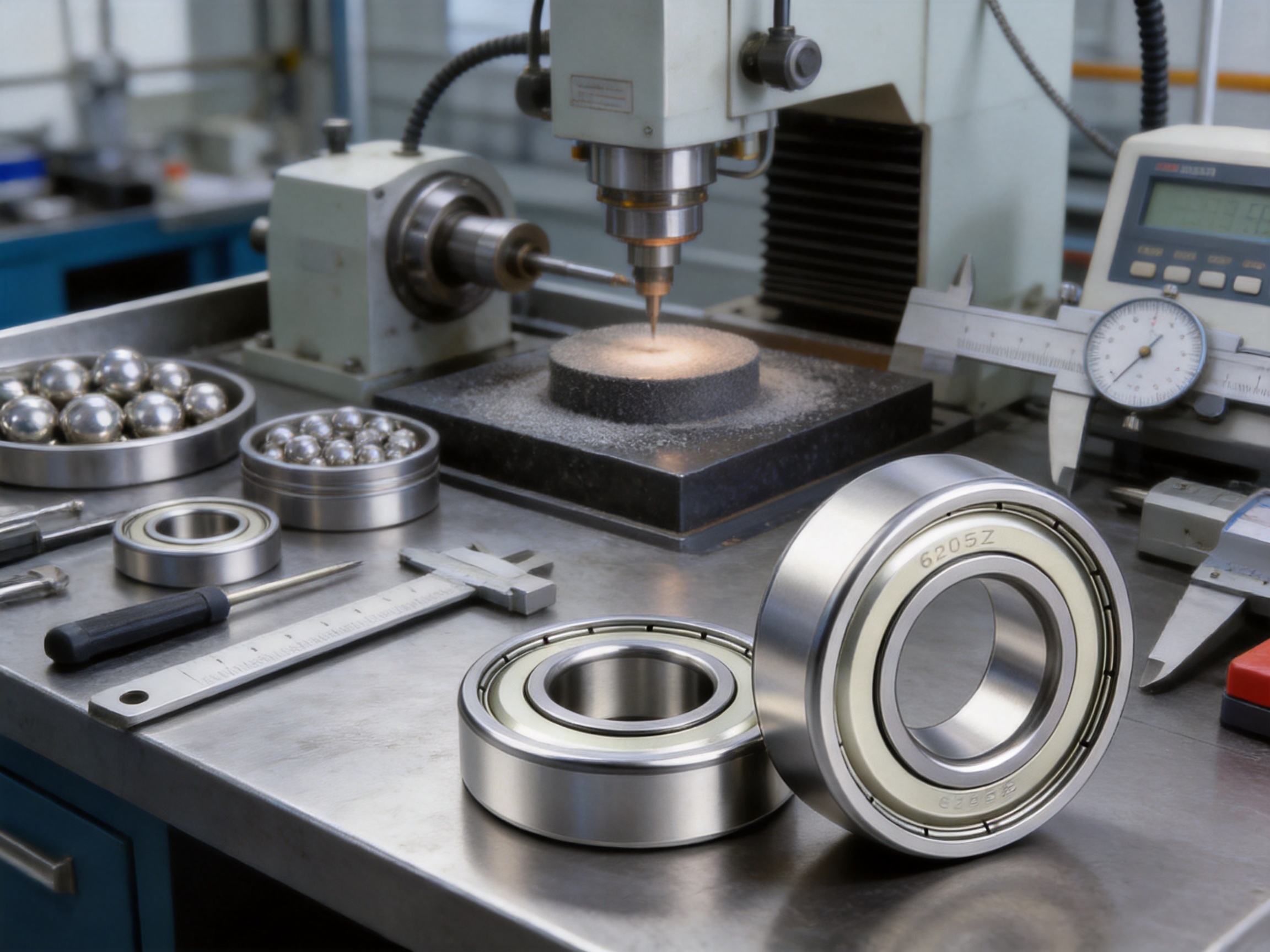
The performance of a deep groove ball bearing is determined by the relationship between many small manufacturing details. The inner ring, outer ring, and balls must work together as a matched rolling system. Even a minor deviation in roundness, raceway form, surface finish, or internal clearance can influence vibration, friction, temperature, and service life.

Ring Forming and Machining

Bearing rings begin with steel material prepared for forming and machining. Forging or other controlled forming operations help establish the basic ring structure and may improve material flow compared with simply machining a ring from an unsuitable blank. After forming, the rings undergo turning and other machining operations to create the required profiles and dimensions.

At this stage, process consistency is essential. The ring must retain sufficient material allowance for heat treatment and later grinding. Improper allowances may create distortion or reduce the ability to achieve the required raceway geometry. Controlled machining also helps ensure that the inner and outer rings remain suitable for later assembly.

Heat Treatment

Heat treatment develops the hardness and structural properties required for rolling contact. It must be controlled carefully because excessive distortion, inadequate hardness, or uneven metallurgical structure can reduce bearing performance. A well-managed process aims to achieve a balance between surface hardness, dimensional stability, and resistance to fatigue.

For bearings used in motors and machinery, consistent heat treatment is particularly important because these applications may involve long periods of continuous rotation. A bearing that performs acceptably during a short inspection may still fail early if its material structure is not stable under repeated contact stress.

Precision Grinding

Precision grinding establishes the final dimensions and raceway accuracy of the bearing rings. It also improves the surface condition where the balls contact the raceways. Controlled grinding helps reduce irregularities that could otherwise increase vibration, friction, or noise.

The 6205ZZ is described as precision-ground, which supports its intended use in equipment where stable rotation matters. In electric motors and fans, excessive bearing vibration can be transmitted into the machine and may contribute to noise. In pumps and gearboxes, poor rotational smoothness can influence shaft movement, seal loading, and overall equipment behavior.

Cleaning and Assembly

After machining and grinding, components must be cleaned carefully. Abrasive residue, metal particles, and other contaminants can damage the raceways or compromise lubricant cleanliness. The balls, rings, shields, and retaining cage must be assembled in a controlled environment so that the finished bearing meets the required functional standard.

Assembly also includes checking internal clearance, rotation feel, shield fit, and lubricant application. A correctly fitted shield should remain secure during normal operation. The cage must guide the balls smoothly without producing abnormal contact or noise. These details may appear small, but they are essential to consistent bearing performance.

Inspection and Testing

Advanced inspection equipment allows manufacturers to evaluate dimensional accuracy, rotational behavior, noise, vibration, and other quality characteristics. Testing can help identify deviations before products are shipped to customers. A systematic inspection program also supports production traceability and continuous improvement.

The manufacturer associated with this product states that its products are strictly tested with advanced equipment and that its management systems follow ISO 9001 and ISO/TS 16949 requirements. These systems provide a structured framework for process documentation, quality control, corrective action, customer requirements, and continual improvement.

Certification or management-system compliance should not be viewed as a substitute for product-specific technical verification. However, it does indicate that manufacturing and quality activities are organized around documented procedures rather than relying only on informal inspection. This is important for customers purchasing repeat batches, private-label products, or OEM components.

Double Metal Shields and Their Practical Benefits

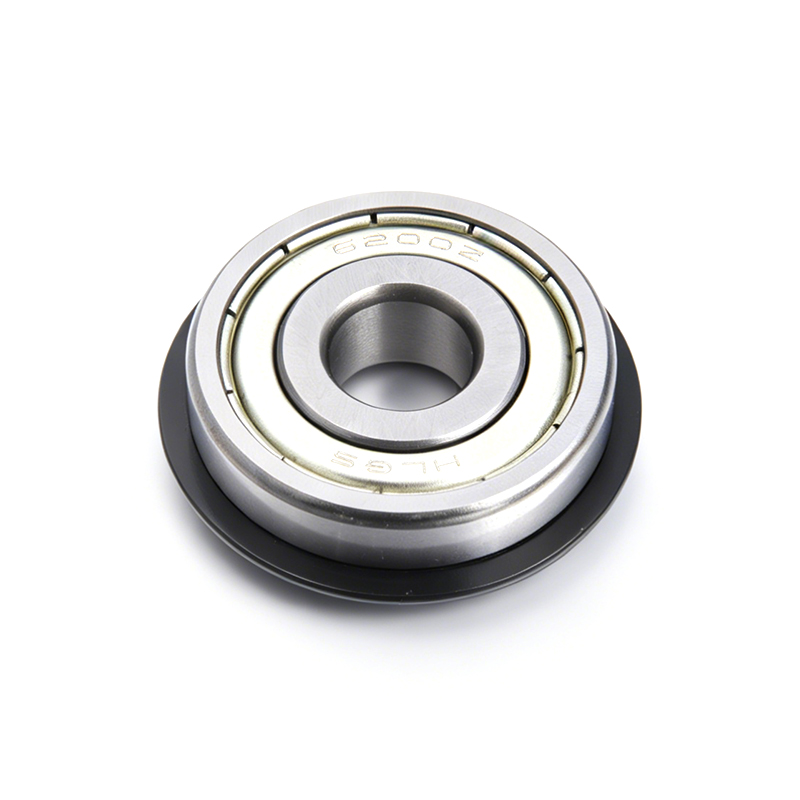
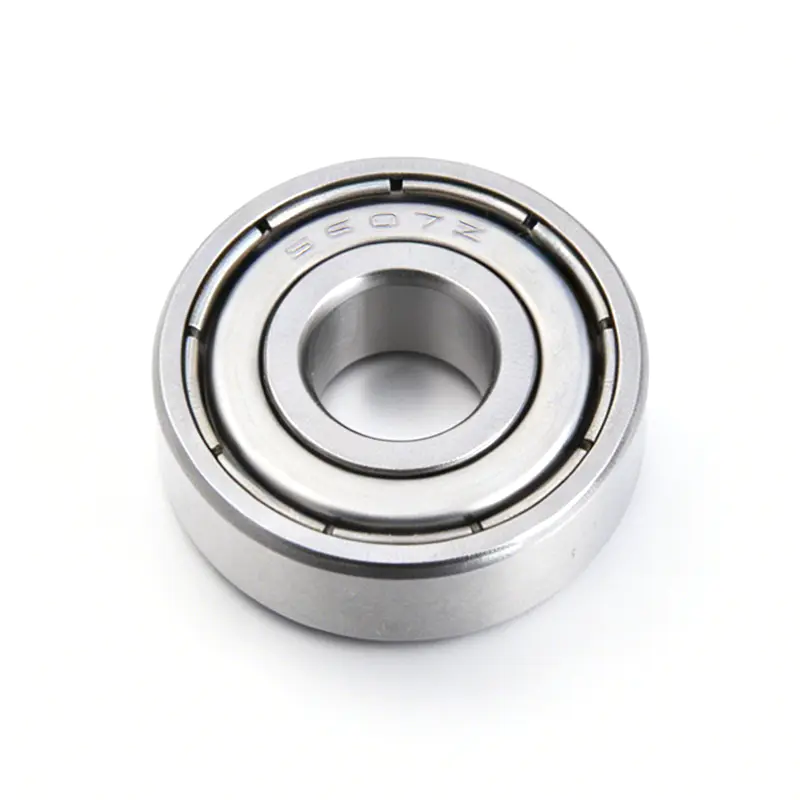
The two metal shields are one of the most important features of the 6205ZZ. They are designed to protect the bearing’s internal working area from common external contaminants while helping retain grease. Because the shields are generally non-contact, they can support relatively low friction compared with contact-sealed designs.

In a clean indoor motor, the shields can help reduce the entry of dust generated by normal equipment operation. In fans and conveyors, they help prevent airborne particles from reaching the rolling elements. In general machinery, they provide a practical barrier against light contamination and help protect the original lubricant during storage and use.

The ZZ configuration is not a universal substitute for a fully sealed bearing. Metal shields are not intended to withstand heavy water exposure, high-pressure washing, submerged conditions, or large quantities of abrasive dust. If the application involves significant water, chemical spray, mud, or fine particulate contamination, a contact-sealed configuration may be more suitable.

Users should also avoid removing the shields during installation. Altering the shields can allow contamination to enter, disturb the lubricant, and change the bearing’s operating characteristics. The bearing should be installed using clean tools and handled in a way that prevents scratches, dents, and contamination.

Load-Carrying Capability

The published dynamic load rating for the 6205ZZ is 14,000 N, while the static load rating is 7,850 N. These values are important reference points for equipment designers and maintenance engineers. The dynamic rating relates to bearing life calculations under rotating conditions. The static rating relates to the bearing’s capacity to resist permanent deformation when stationary or subjected to slow oscillation and heavy localized loading.

A load rating is not the same as a recommended operating load. Actual bearing life depends on the magnitude and direction of the load, rotational speed, lubrication, alignment, shaft and housing fits, operating temperature, contamination, vibration, and installation quality. The bearing’s service life may be reduced significantly if it is exposed to shock loads or misalignment beyond the design assumptions.

The 6205ZZ is primarily suited to radial loads, although a deep groove design can also support axial loads in both directions. When the axial load becomes substantial, engineers should evaluate the combined radial and axial loading carefully. A bearing arrangement with a different internal design may be preferable for heavy thrust, extreme moment loads, or severe misalignment.

For a basic selection process, the designer should first determine the radial and axial loads, speed, desired life, environmental conditions, shaft size, housing arrangement, and installation constraints. The bearing’s dynamic load rating can then be compared with the equivalent dynamic bearing load using an established bearing-life method.

Static safety should also be checked when the equipment experiences high stationary loads, repeated starts and stops, shock, vibration, or transportation loads. Permanent indentations in a raceway can create noise and vibration even if the bearing continues to rotate. This is why proper handling and correct preload or fit are important.

Performance in Common Applications

Electric Motors

Electric motors require bearings that can support rotor weight, maintain shaft alignment, and operate smoothly over extended periods. The 6205ZZ is suitable for many motor designs where the shaft and housing dimensions match its 25 × 52 × 15 mm envelope. Its metal shields help protect the internal lubricant from ordinary motor-enclosure dust while its non-contact arrangement supports efficient rotation.

Motor performance is influenced by more than bearing selection. Electrical currents, unbalanced rotors, excessive belt tension, poor alignment, and incorrect fits can all damage a bearing. Installation teams should therefore evaluate the complete motor system rather than treating the bearing as an isolated component.

Fans and Blowers

Fans and blowers often operate at relatively high rotational speeds and may run continuously. Low friction and balanced rotation are valuable because they help reduce unnecessary energy loss and operating noise. The 6205ZZ can serve in fan assemblies that operate in reasonably clean environments and within the appropriate speed and temperature range.

Fan balancing is especially important. An unbalanced impeller can apply cyclical loads to the bearing, causing vibration and reducing service life. Correct shaft alignment and secure housing installation are equally important for stable operation.

Pumps

In pumps, the bearing supports rotating components and helps maintain shaft position. The 6205ZZ may be used in pump assemblies where the bearing is not directly exposed to liquid or aggressive contamination. Its shields provide protection against ordinary external particles, but pump designers must ensure that water, process fluid, and chemical vapor do not reach the bearing.

Seal design, shaft deflection, coupling alignment, and hydraulic forces should be reviewed together. If the pump produces heavy axial thrust or operates in a wet environment, another bearing configuration or additional protection may be required.

Conveyors and Material-Handling Equipment

Conveyors often require numerous standardized bearings, making the 6205ZZ attractive for inventory and maintenance programs. It can be used in rollers, auxiliary shafts, drive assemblies, and other locations where medium radial loads are present.

Material-handling environments can be dusty, so the limits of metal shields must be respected. Clean installation, proper housing protection, and regular inspection can help maintain performance. Where abrasive dust is unavoidable, additional external seals or a more protective bearing design may be appropriate.

Agricultural Machinery

Agricultural equipment may experience vibration, intermittent shock, dust, moisture, and seasonal storage. The 6205ZZ can be suitable for protected internal mechanisms and cleaner assemblies. However, exposed positions may require additional sealing, corrosion protection, or specialized agricultural bearing units.

Before seasonal storage, equipment operators should protect the machinery from condensation and contamination. Bearings should remain in their original packaging until installation whenever possible. Replacement bearings should be stored in a clean, dry area away from corrosive materials.

Gearboxes and General Machinery

In gearboxes and mechanical transmission systems, the 6205ZZ can support shafts and auxiliary rotating elements when its load and speed capabilities match the design. Gearbox designers must account for gear forces, shaft deflection, oil or grease compatibility, and internal temperature.

If a gearbox uses oil lubrication rather than standard bearing grease, compatibility should be confirmed before installation. Not every shielded, pre-lubricated bearing is intended for every oil-lubricated arrangement. The correct choice depends on the manufacturer’s technical data and the gearbox design.

Advantages Over Less Consistent Alternatives

When comparing the 6205ZZ with lower-cost or less-controlled alternatives, customers should consider more than unit price. Bearing performance depends on consistency from one batch to another. A bearing with accurate dimensions, stable internal clearance, clean raceways, reliable shielding, and controlled lubrication can reduce installation problems and unexpected maintenance.

One advantage of a controlled 6205ZZ production process is repeatability. Standardized dimensions make it easier for customers to specify the same product across multiple machines. Consistent processing also helps reduce variation in noise, vibration, rotational feel, and service behavior.

Another advantage is material and process transparency. The stated use of GCr15 bearing steel gives buyers a clear basis for evaluating the product. Precision grinding and advanced inspection further support the expectation of stable raceway geometry. These features are especially valuable to OEM customers that need predictable assembly and performance.

The double-shield configuration also offers a useful balance between protection and rotational efficiency. A fully open bearing may allow lubricant to escape or contaminants to enter more easily. A contact-sealed bearing may provide stronger contamination resistance but can create additional friction. The 6205ZZ is a practical choice when the environment is moderately clean and low-friction operation is important.

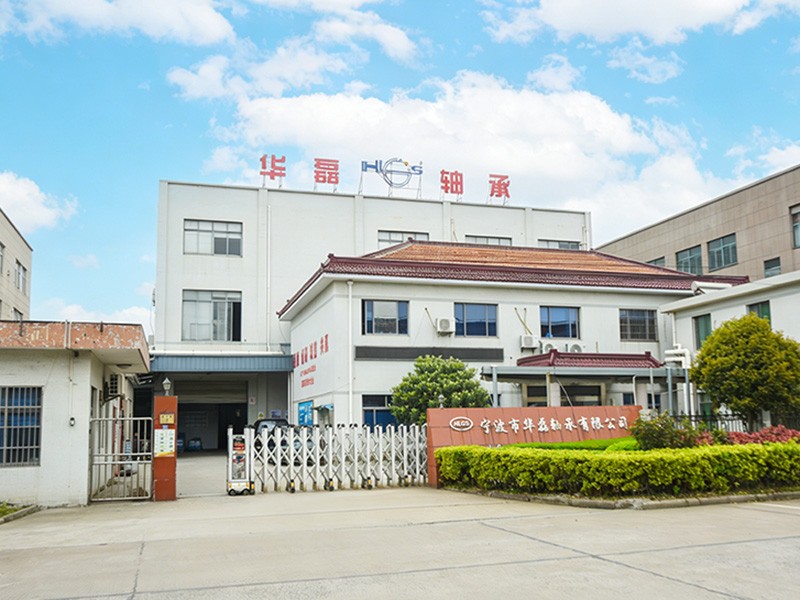
The manufacturer’s experience is another consideration. Ningbo Zhenhai Hualei Bearing Co., Ltd. was established in 2001 and specializes in deep groove ball bearings. Its product range serves food machinery, household appliances, automotive electromechanical systems, electric tools, mechanical transmission devices, and motors. Experience across these sectors can help support product familiarity, application communication, and production organization.

The company also states that it provides OEM and ODM services through its import and export department. This can benefit customers that require customized packaging, private labeling, coordinated documentation, or product programs designed around a particular equipment platform. OEM and ODM support should always be confirmed according to the specific order quantity, technical specification, quality agreement, and inspection requirements.

Quality Management and Manufacturing Strengths

A bearing manufacturer’s strength is reflected in the complete production chain rather than in a single feature. The ability to control raw materials, forming, heat treatment, grinding, cleaning, assembly, lubrication, inspection, packaging, and customer service creates a more dependable supply system.

The manufacturer’s stated adherence to ISO 9001 and ISO/TS 16949 management systems indicates an emphasis on structured quality practices. ISO 9001 is associated with quality management principles such as documented processes, customer focus, risk-based thinking, corrective action, and continual improvement. ISO/TS 16949 was developed for quality management in the automotive supply chain and places strong emphasis on process discipline, defect prevention, traceability, and variation reduction.

Although the 6205ZZ is used in many general industrial applications, these management principles are also useful outside automotive production. Customers benefit when manufacturing processes are measurable, documented, and repeatable. This is particularly important when bearings are installed in equipment that operates continuously or where failure can cause significant downtime.

Advanced testing equipment can support several stages of quality assurance. Dimensional instruments can verify bore, outside diameter, and width. Roundness and profile measurement can evaluate ring geometry. Noise and vibration testing can identify irregular rolling behavior. Hardness and metallurgical checks can help confirm heat-treatment results. Visual inspection can identify shield damage, corrosion, surface defects, and contamination.

A robust quality program should also include controls for packaging and shipment. Even a well-manufactured bearing can be damaged by impact, moisture, or improper storage. Protective packaging helps keep the bearing clean and prevents corrosion before it reaches the customer.

Installation Recommendations

Correct installation is essential for achieving the expected performance of the 6205ZZ. Before installation, confirm that the bearing number, dimensions, shield type, and quantity match the equipment requirements. Inspect the package for damage and keep the bearing sealed until the work area and tools are ready.

Cleanliness should be treated as a primary requirement. Dirt or metal particles introduced during installation may become trapped between the balls and raceways. Use clean gloves or suitable handling tools, and avoid placing the bearing directly on dirty benches or floors.

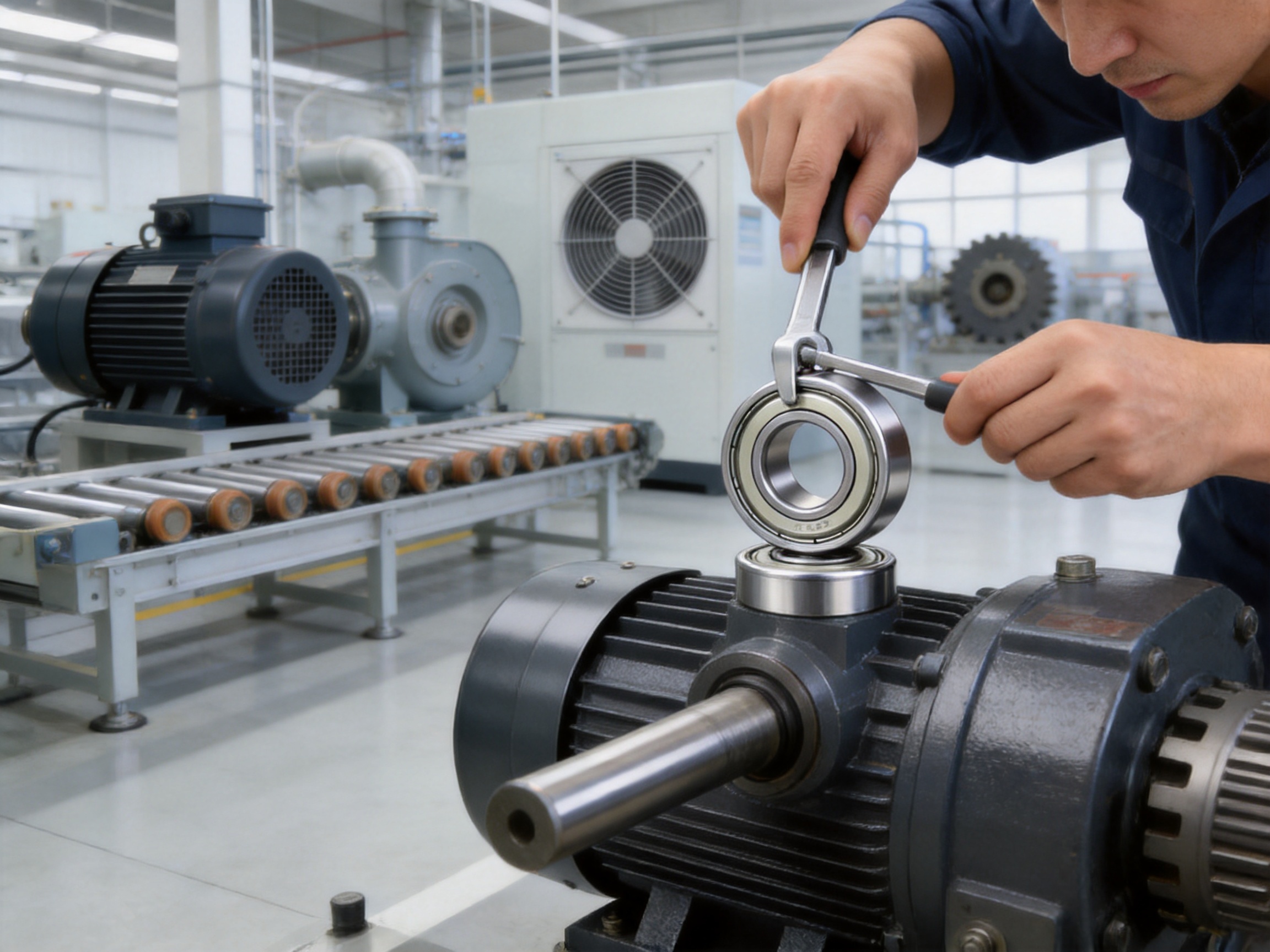
The mounting force should be applied only to the ring being fitted. If the bearing is being installed onto a shaft with an interference fit, force should be applied to the inner ring. If it is being fitted into a housing, force should be applied to the outer ring. Applying force through the rolling elements can create raceway damage known as brinelling or false brinelling.

Do not hammer directly on the bearing rings. Use an appropriate mounting sleeve, press, or induction-heating method where suitable. The mounting method should be selected according to the fit, equipment size, and maintenance procedure.

Shafts and housings should be checked for burrs, damage, corrosion, and dimensional wear. A worn shaft or distorted housing may prevent the bearing from sitting correctly. The mounting surfaces should be clean and properly aligned, and the bearing should not be forced into a position that creates excessive internal stress.

Because the 6205ZZ is shielded and commonly pre-lubricated, users should not wash out the factory lubricant or add incompatible grease without technical justification. Additional lubrication may cause excessive churning, heat, or grease leakage. If relubrication is required, the lubricant type and quantity should be selected according to the operating conditions and manufacturer guidance.

Maintenance and Service-Life Considerations

Maintenance teams can extend bearing life by monitoring operating temperature, noise, vibration, shaft movement, and lubricant condition. A gradual increase in vibration may indicate raceway damage, imbalance, misalignment, looseness, or contamination. Unusual noise may also indicate inadequate lubrication or surface distress.

Temperature should be interpreted in context. A temperature increase may result from excessive load, excessive speed, poor fit, inadequate lubrication, blocked cooling, or environmental heat. Comparing the bearing with its normal operating baseline is often more useful than relying on a single temperature value.

Periodic inspection is especially important in conveyors, agricultural machines, pumps, and other equipment exposed to contamination or shock. Operators should inspect adjacent seals, housings, retaining components, and shafts rather than replacing the bearing without identifying the original cause of failure.

Common causes of premature bearing damage include incorrect installation, excessive belt tension, shaft misalignment, electrical current passage, impact during handling, contaminated lubricant, corrosion, and loads beyond the design range. Correcting these causes is necessary if a replacement bearing is expected to achieve a long service life.

When removing a failed bearing, technicians should examine the raceways, balls, cage, shields, and mounting surfaces. Discoloration may suggest overheating. Smearing may indicate sliding or inadequate lubrication. Rust can point to moisture exposure. Regular evenly spaced indentations may suggest impact or vibration while stationary. Such evidence can help improve the next installation.

Selection Guidance for OEM and Industrial Buyers

OEM buyers should confirm the bearing’s complete specification before placing a production order. The 6205ZZ number identifies the general size and shield arrangement, but customers may also need to specify internal clearance, lubricant, noise level, packaging, inspection documentation, and any special tolerance requirements.

Application speed should be evaluated carefully. A bearing’s permissible speed depends on internal design, lubrication, temperature, load, cage construction, and operating environment. The 6205ZZ may be suitable for many motor and fan applications, but the actual speed limit should be confirmed for the intended product configuration.

Customers should also consider annual demand, batch consistency, delivery schedules, labeling, and traceability. A reliable supplier should be able to communicate production capacity and quality requirements clearly. For OEM programs, sample approval, process documentation, inspection standards, and change-control procedures can help reduce supply risk.

For distributors, the standardized size and broad application range make the 6205ZZ a practical inventory item. It can serve customers in multiple sectors while requiring relatively simple dimensional identification. Clear product descriptions should explain the difference between metal shields and contact seals so buyers can select the correct configuration for their environment.

For maintenance departments, purchasing decisions should include total operating cost. A lower-priced bearing may not be economical if it produces more downtime, inconsistent installation results, or early replacement. Product consistency, technical support, packaging quality, and reliable availability can be equally important.

Comparison with Other Shield and Seal Configurations

An open 6205 bearing has no shield or seal on either side. It may be appropriate for clean, protected assemblies where the equipment’s own lubrication system supplies the bearing. However, it offers less protection against external contamination and may require more careful lubricant management.

A 6205ZZ uses two non-contact metal shields. It is well suited to many clean or moderately clean applications where low friction and lubricant retention are important. The shields provide practical protection without the rubbing contact associated with many seal designs.

A bearing with rubber contact seals, often identified by a suffix such as 2RS, generally provides stronger protection against water and fine contamination. The trade-off may include greater friction, heat generation, or speed limitations depending on the seal design. The correct selection depends on the environment and operating priorities.

Special clearance or lubrication variants may be necessary for high-temperature motors, unusual fits, or specialized equipment. Customers should not assume that every standard 6205ZZ is interchangeable in every operating condition. The basic dimensions may be identical while the internal clearance or lubricant specification differs.

Frequently Asked Questions

What are the dimensions of the 6205ZZ bearing?

The 6205ZZ has a 25 mm bore, a 52 mm outside diameter, and a 15 mm width. These dimensions are commonly written as 25 × 52 × 15 mm.

What does ZZ mean on a bearing?

ZZ means that the bearing has two metal shields, one on each side. The shields help reduce the entry of ordinary dust and contaminants while helping retain the internal lubricant. They are generally non-contact shields.

Is the 6205ZZ suitable for electric motors?

Yes. Its standard dimensions, deep groove design, smooth rotation, and double metal shields make it suitable for many electric motors. The actual suitability depends on motor speed, shaft and housing fits, electrical conditions, load, temperature, and installation quality.

Can the 6205ZZ be used in a water-exposed application?

The ZZ shield provides useful protection against ordinary external contamination but is not intended for heavy water exposure, pressure washing, submerged operation, or severe chemical contamination. A contact-sealed bearing or an additional external sealing arrangement may be more appropriate in such conditions.

What material is used to manufacture this bearing?

The specified material is GCr15 bearing steel. When properly heat-treated and precision-processed, this steel provides the hardness, wear resistance, and structural stability required for rolling-contact applications.

What are the stated load ratings?

The stated dynamic load rating is 14,000 N, and the stated static load rating is 7,850 N. These values are reference ratings and should be evaluated together with the actual load, speed, alignment, lubrication, and service conditions.

Does the bearing arrive lubricated?

Shielded deep groove ball bearings are commonly supplied pre-lubricated. Users should confirm the exact lubricant specification and should not wash out or replace the factory lubricant unless the application requires it and compatibility has been verified.

How should the bearing be installed?

Use clean tools and apply mounting force to the ring being fitted. Press on the inner ring when fitting onto a shaft and on the outer ring when fitting into a housing. Avoid transferring installation force through the balls, and do not strike the bearing directly with a hammer.

What equipment commonly uses the 6205ZZ?

Common applications include electric motors, fans, pumps, conveyors, agricultural machinery, gearboxes, electric tools, mechanical transmission systems, and general industrial equipment.

Can the 6205ZZ handle axial loads?

Deep groove ball bearings can support radial loads and moderate axial loads in both directions. If axial thrust is high or continuous, the complete bearing arrangement should be reviewed by an engineer to determine whether another bearing type is more suitable.

What quality systems does the manufacturer follow?

The manufacturer states that its quality management follows ISO 9001 and ISO/TS 16949 systems. It also states that its products are tested with advanced equipment. Customers with specialized documentation or audit requirements should confirm the available records for the specific order.

Does the manufacturer provide OEM and ODM services?

The company states that it provides professional OEM and ODM services through its import and export department. Specific services, packaging requirements, labeling, tolerances, and order quantities should be discussed directly with the supplier.

Why Choose This 6205ZZ Bearing for Industrial Equipment?

The 6205ZZ combines a standardized 6200-series size with a robust GCr15 steel construction, precision-ground raceways, double metal shields, and published load ratings. These characteristics make it a practical solution for medium radial loads and continuous operation in a wide range of machinery.

Its strongest advantages are versatility, easy sourcing, compact dimensions, low-friction shield design, and compatibility with common shaft and housing arrangements. Compared with inconsistent alternatives, a product manufactured through controlled forming, heat treatment, grinding, cleaning, assembly, and inspection can offer greater predictability from batch to batch.

The manufacturer brings experience dating from 2001, a focus on deep groove ball bearings, stated compliance with recognized quality management systems, advanced testing equipment, and OEM and ODM capabilities. Together, these strengths support customers that need both standard replacement bearings and organized supply programs for equipment production.

For best results, users should match the bearing to the actual load, speed, environment, temperature, fit, and lubrication system. They should also install it with clean tools, avoid shock loading, protect it from unsuitable contamination, and investigate the cause of any premature failure. When these factors are managed correctly, the 6205ZZ can provide dependable, smooth, and economical service in many industrial applications.

References

1. ISO 15, Rolling Bearings — Radial Bearings — Boundary Dimensions, International Organization for Standardization.

2. ISO 281, Rolling Bearings — Dynamic Load Ratings and Rating Life, International Organization for Standardization.

3. ISO 76, Rolling Bearings — Static Load Ratings, International Organization for Standardization.

4. ISO 9001, Quality Management Systems — Requirements, International Organization for Standardization.

5. ISO/TS 16949, Quality Management Systems for Automotive Production and Relevant Service Part Organizations.

6. Bearing Steel and Heat-Treatment Principles, technical reference literature for rolling-element bearing manufacture.

7. Manufacturer-provided specifications for the 6205ZZ deep groove ball bearing, including dimensions, material, shield arrangement, and load ratings.

8. General Engineering Practice for Rolling Bearing Installation, Lubrication, Alignment, and Maintenance.

Product: 6205ZZ Industrial Grade Ball Bearing for Motors, Pumps and Machinery


Recent Articles