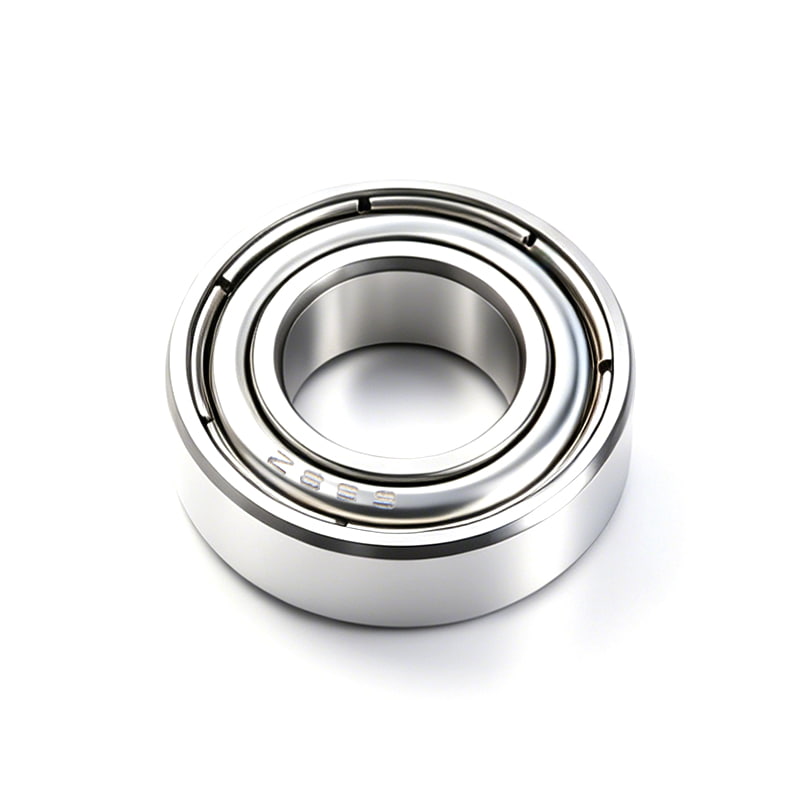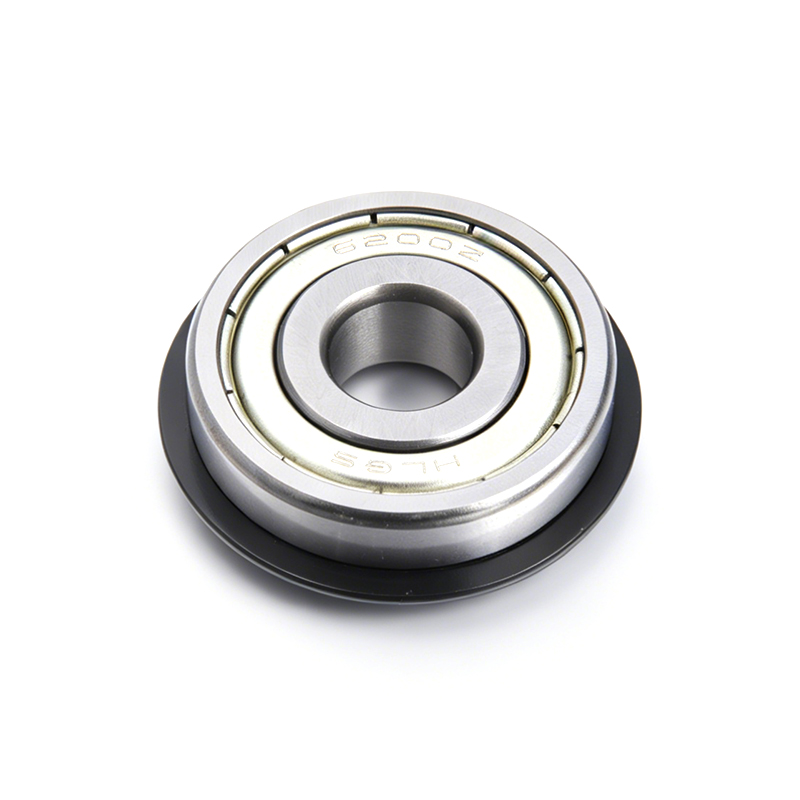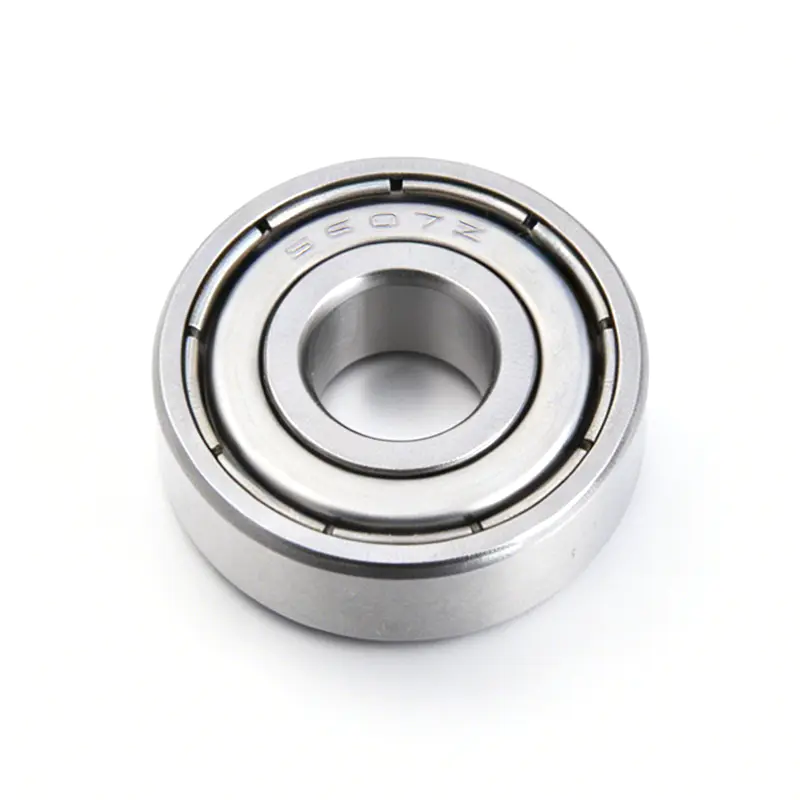
The 6205ZZ deep groove ball bearing is a practical and dependable bearing solution for medium-load applications across industrial machinery, electric motors, pumps, fans, conveyors, agricultural equipment, gearboxes, and general mechanical systems. With a standard 25 × 52 × 15 mm size, this bearing combines a 25 mm bore, a 52 mm outside diameter, and a 15 mm width in a compact configuration that is easy to specify, install, and replace.
Designed for continuous operation, the 6205ZZ provides stable radial load support, smooth rotation, low friction, and effective protection against common operating contaminants. Its double metal shields help retain internal lubricant while limiting the entry of dust and moisture. Manufactured from high-grade GCr15 bearing steel and precision-ground, it is intended to deliver consistent dimensional accuracy, dependable running performance, and a long operating life when correctly selected and maintained.
For equipment manufacturers, maintenance departments, distributors, and replacement-parts buyers, the value of the 6205ZZ lies in its balance. It is neither an oversized bearing designed only for extreme loads nor a highly specialized bearing limited to a narrow operating environment. Instead, it offers a widely used dimensional format and a versatile performance profile for many rotating assemblies.
Deep groove ball bearings are among the most widely used rolling bearings because their raceway geometry allows them to support radial loads while also accommodating a degree of axial load. The 6205ZZ follows this established design. Its deep raceways guide the balls securely and support stable rotation under normal industrial conditions.
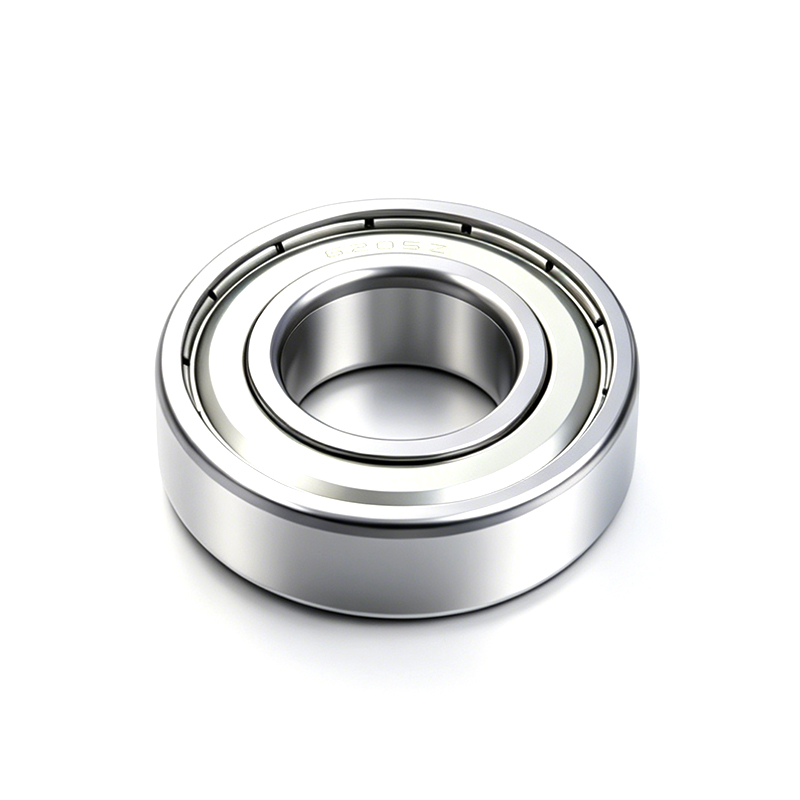
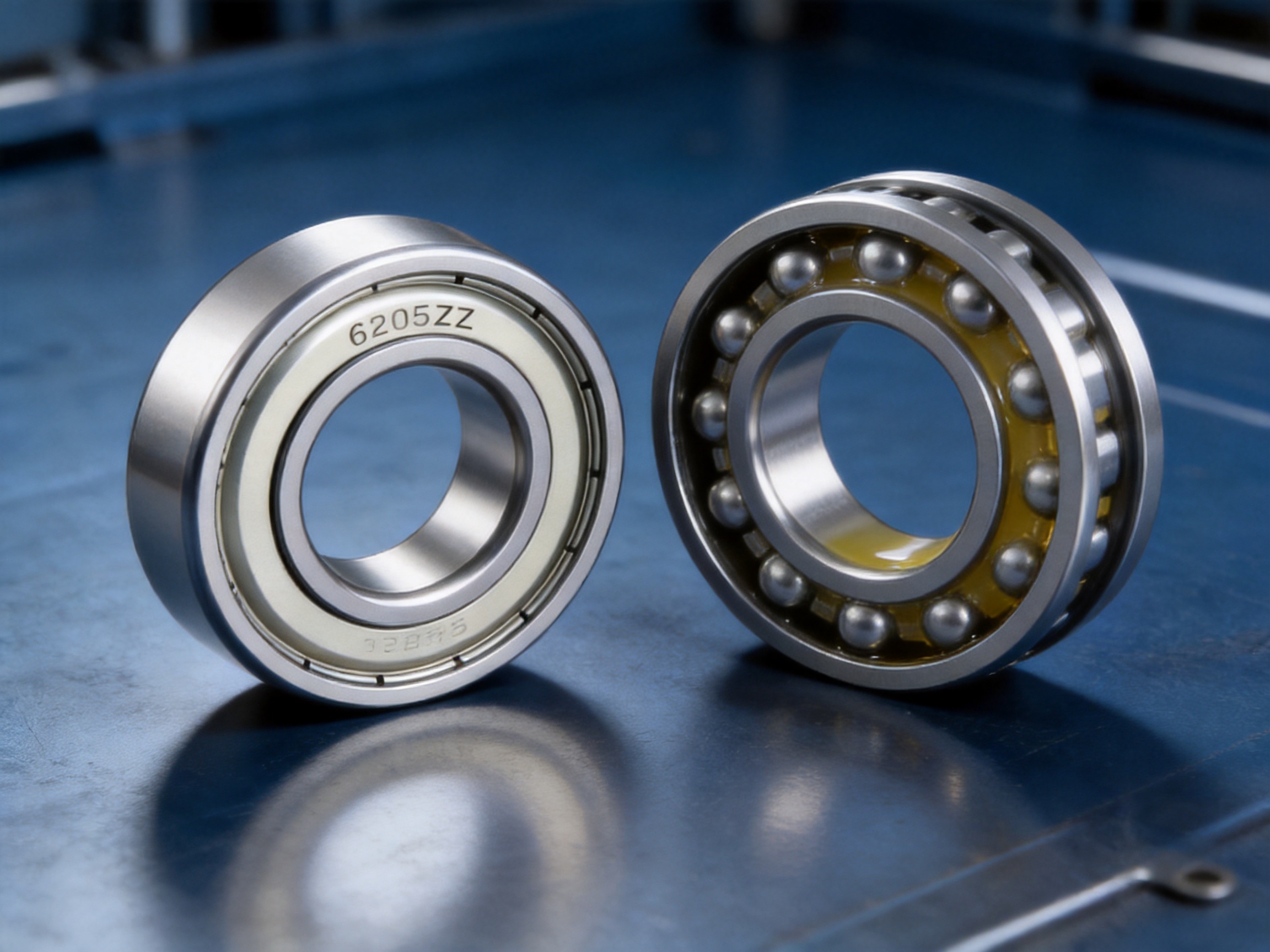
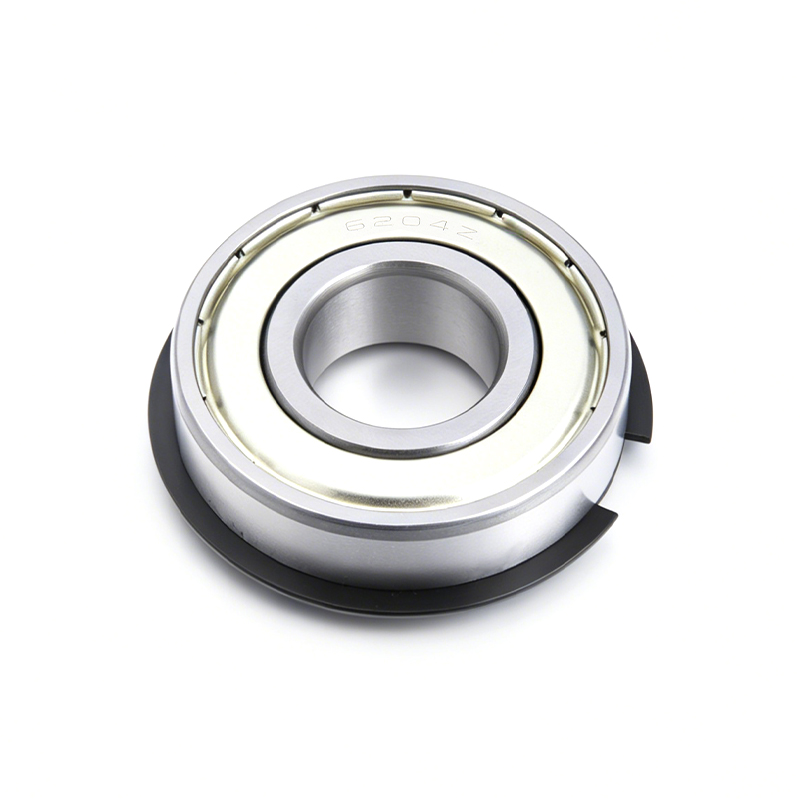
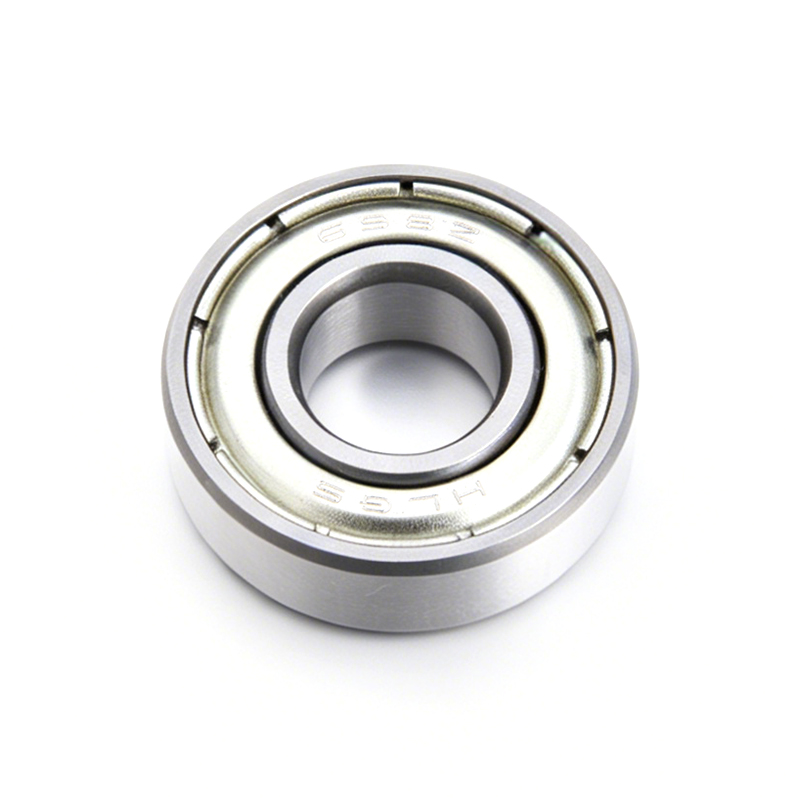
The “6205” designation identifies the basic bearing series and size. The “ZZ” suffix indicates double metal shields. These shields are non-contact protective covers mounted on both sides of the bearing. Unlike contact seals, metal shields do not normally rub directly against the inner ring, which helps reduce friction and heat generation. At the same time, they provide a useful barrier against airborne dust, dirt particles, and incidental moisture.
The bearing is supplied as a pre-lubricated unit for typical applications. Because the shields help preserve the internal lubricant, the bearing can often operate for extended periods without additional relubrication. Actual service life depends on speed, load, temperature, alignment, contamination, installation quality, and the operating environment.
| Parameter | Specification |
| Bearing number | 6205ZZ |
| Bore diameter | 25 mm |
| Outer diameter | 52 mm |
| Width | 15 mm |
| Closure | Double metal shields, ZZ |
| Dynamic load rating | 14,000 N |
| Static load rating | 7,850 N |
| Material | GCr15 bearing steel |
| Primary load direction | Radial, with limited axial-load capability |
| Typical applications | Motors, pumps, fans, conveyors, gearboxes, and general machinery |
The stated load ratings provide a useful basis for preliminary bearing selection. Engineers should still confirm the complete operating profile, including actual radial and axial loads, rotational speed, shaft and housing tolerances, temperature, vibration, and contamination levels before final approval.

6205ZZ Industrial Grade Ball Bearing for Motors, Pumps and Machinery
The 6205 size is popular because it fits a broad range of equipment designs. A 25 mm shaft diameter is common in small and medium-sized drive systems, while the 52 mm outside diameter provides an effective mounting envelope for many housings. The 15 mm width allows the bearing to be integrated into assemblies where axial space is limited but a stronger bearing is required than a smaller series can provide.
Standard dimensions also simplify procurement and maintenance. A machine builder can design around an established bearing envelope, and an industrial user can often keep a replacement unit in stock without requiring a custom component. Standardization reduces downtime, improves interchangeability, and makes it easier to compare supply options.
The 6205ZZ is especially useful when the application requires steady radial support rather than extreme thrust capacity. It is appropriate for shafts, rotors, pulleys, rollers, impellers, and other rotating elements where reliable alignment and low-resistance motion are important.
The inner and outer rings contain continuous deep grooves that guide the rolling balls. This geometry distributes contact forces over the raceways and allows the bearing to carry radial forces generated by belt tension, rotor weight, gear engagement, impeller rotation, and other common machine loads.
Compared with simpler bearing arrangements, the deep groove design offers a useful combination of versatility and compactness. It can carry radial loads efficiently and accommodate moderate axial forces in either direction, provided that the application remains within the bearing’s calculated capacity.
The balls separate the inner and outer rings and reduce sliding friction. Precision manufacturing of the rolling elements is important because variations in size, roundness, or surface finish can increase vibration, noise, and localized stress. Uniform rolling elements contribute to smoother rotation and more consistent load distribution.
The cage maintains the spacing of the balls and helps prevent contact between adjacent rolling elements. Consistent ball spacing supports stable operation at speed and helps the bearing maintain predictable internal movement. Proper cage performance is particularly important in motor, fan, and pump applications where continuous rotation is common.
The ZZ configuration places a metal shield on each side of the bearing. These shields help keep the factory-applied lubricant inside the bearing and reduce the risk of contamination entering through the sides. They are a practical choice for applications requiring low friction and moderate environmental protection.
Metal shields are not equivalent to fully contacting rubber seals. They are best suited to relatively clean or moderately dusty environments where the bearing is not exposed directly to heavy water spray, abrasive slurry, or aggressive chemical contamination. Selecting the correct closure is essential to achieving the expected service life.
The 6205ZZ is manufactured from GCr15 bearing steel, a high-carbon chromium steel widely used for bearing rings and rolling elements. The material is valued for its hardness, wear resistance, fatigue strength, and ability to achieve a controlled surface finish after heat treatment and grinding.
Rolling bearings are subjected to repeated contact stress as the balls pass through the raceways. Over time, insufficient material strength or poor heat treatment can lead to early fatigue, pitting, scoring, or dimensional instability. GCr15 is suitable for demanding rolling-contact applications because its metallurgical properties support a hard, wear-resistant working surface while maintaining the structural strength required for normal bearing loads.
Material quality alone does not determine bearing performance. The steel must be processed correctly, heat-treated consistently, ground accurately, and inspected throughout production. A reliable manufacturing system therefore treats material selection, process control, cleanliness, dimensional inspection, and final testing as connected parts of the product.
For buyers comparing bearings from different sources, the use of an established bearing steel is an important starting point. It should be considered together with production traceability, heat-treatment control, raceway accuracy, surface finish, cleanliness, and final quality inspection.
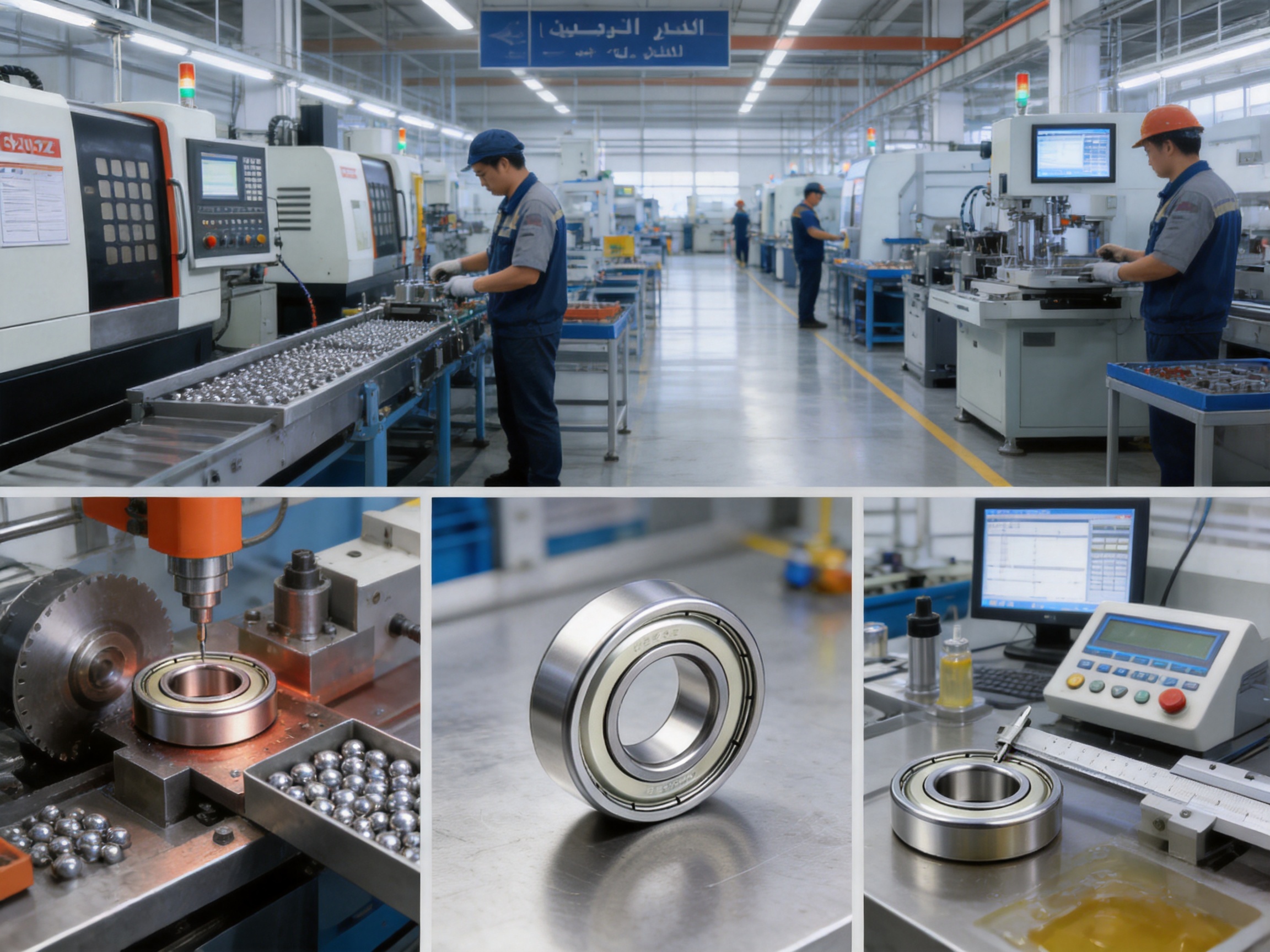
Consistent bearing performance begins with controlled manufacturing. The production of a 6205ZZ typically involves several connected stages, each affecting the finished bearing’s running accuracy and durability.
Suitable bearing steel is selected for the rings and rolling elements. Incoming material should be checked against the relevant technical requirements, including chemical composition, dimensions, surface condition, and traceability information. Controlled raw material preparation helps reduce the risk of inclusions, cracks, or inconsistent mechanical properties later in the process.
The inner and outer rings are formed and machined to create the required bearing geometry. Ring dimensions must be controlled carefully because the bore, outside diameter, width, raceway profile, shoulder dimensions, and shield location all affect installation and operation.
Machining operations establish the basic geometry before heat treatment and final finishing. Stable equipment, calibrated tooling, and process monitoring help maintain repeatability across production batches.
Heat treatment develops the hardness and mechanical properties required for rolling-contact service. The process must be controlled for heating temperature, holding time, atmosphere, cooling conditions, and subsequent tempering. Inconsistent heat treatment may result in excessive distortion, inadequate hardness, brittleness, or reduced fatigue resistance.
After heat treatment, the rings and rolling elements are evaluated as required to confirm that the processed material meets internal quality criteria. Maintaining stable heat-treatment conditions is one of the most important factors in achieving predictable bearing life.
Precision grinding brings the bearing rings and rolling elements to their final dimensions and surface condition. The grinding process controls the raceway profile, roundness, waviness, bore accuracy, outside diameter, and width. These characteristics influence vibration, noise, friction, load distribution, and mounting quality.
A precise raceway allows the balls to rotate smoothly and share the operating load more evenly. Better surface quality can reduce localized stress and support lower running resistance. This is particularly valuable in motors, fans, and pumps, where unnecessary friction can increase operating temperature and energy consumption.
After grinding, parts must be cleaned to remove residual abrasive particles, metal debris, and processing contaminants. Clean assembly is essential because even small foreign particles can damage raceways or increase operating noise.
The inner ring, outer ring, balls, cage, shields, and lubricant are assembled under controlled conditions. The double metal shields must be positioned securely and consistently to provide the intended protection without interfering with rotation.
The correct quantity and distribution of lubricant support smooth operation and help prevent metal-to-metal contact. Too little lubricant may increase wear and temperature, while too much can increase churning resistance and heat at higher speed. Controlled lubrication is therefore an important part of manufacturing consistency.
Finished bearings are checked for relevant dimensional, visual, rotational, noise, vibration, and functional characteristics. Inspection procedures help identify problems such as improper shield installation, rough rotation, contamination, dimensional variation, or abnormal sound.
The manufacturer described in the supplied materials uses advanced testing equipment and operates according to ISO 9001 and ISO/TS 16949 management systems. These systems support documented procedures, quality control, process monitoring, corrective action, and continual improvement. Certification does not eliminate the need for application-specific evaluation, but it demonstrates a structured approach to manufacturing and quality management.
The 6205ZZ offers several practical advantages when compared with lower-control or poorly matched alternatives. These advantages are not based only on the bearing number. They result from the combination of correct dimensions, suitable material, controlled processing, closure design, and application support.
With a dynamic load rating of 14,000 N and a static load rating of 7,850 N, the bearing is designed for a substantial range of medium-load applications. The ratings provide a useful reference for calculating expected fatigue life and checking static safety. A correctly selected bearing can support rotating shafts and machine components without requiring a larger and more expensive bearing than necessary.
Precision-ground raceways and rolling elements help reduce irregular contact and unnecessary sliding. This supports smooth rotation, lower mechanical resistance, and reduced operating noise. In motor and fan applications, smooth running can contribute to stable vibration levels and reliable continuous operation.
The two metal shields help protect the internal lubricant from airborne dust and moisture encountered in many indoor or sheltered industrial environments. They also reduce the likelihood of lubricant leakage during normal operation. This can lower maintenance requirements compared with open bearings used in the same environment.
High-quality bearing steel, controlled heat treatment, accurate grinding, and clean assembly all contribute to service durability. The bearing is designed for continuous operation when load, speed, temperature, lubrication, alignment, and contamination remain within suitable limits.
The 25 × 52 × 15 mm envelope is widely recognized, simplifying replacement planning. Maintenance personnel can identify the bearing by its bore, outside diameter, width, and shield configuration. This reduces the risk of selecting a bearing with the wrong fit or closure type.
A bearing that is too lightly specified may fail prematurely, while an unnecessarily oversized bearing may increase cost, space requirements, and installation complexity. The 6205ZZ provides a balanced option for many medium-duty systems. Its standardized design and broad availability can also support efficient inventory management.
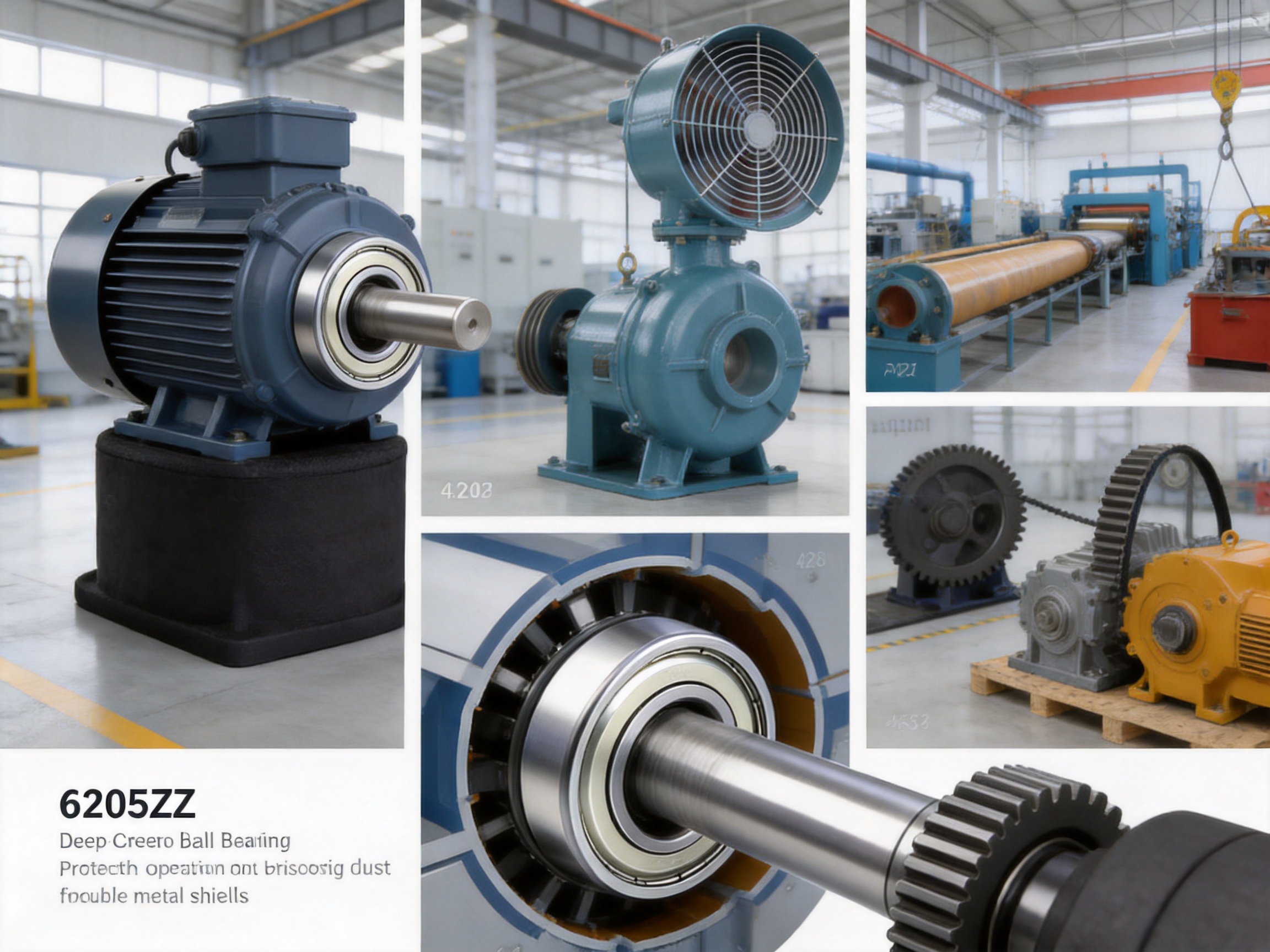
Electric motors are among the most common applications for 6205ZZ bearings. The bearing can support the motor shaft and maintain rotor position while allowing efficient rotation. Its low-friction design is suitable for motors used in pumps, fans, conveyors, machine tools, household equipment, and industrial automation.
Motor bearing performance depends on more than load rating. Electrical current passage, shaft grounding, vibration, rotor balance, belt tension, housing fit, and operating temperature may all affect service life. In systems where electrical fluting or stray current is a concern, engineers should consider whether an insulated or electrically isolated bearing is required instead of a standard steel bearing.
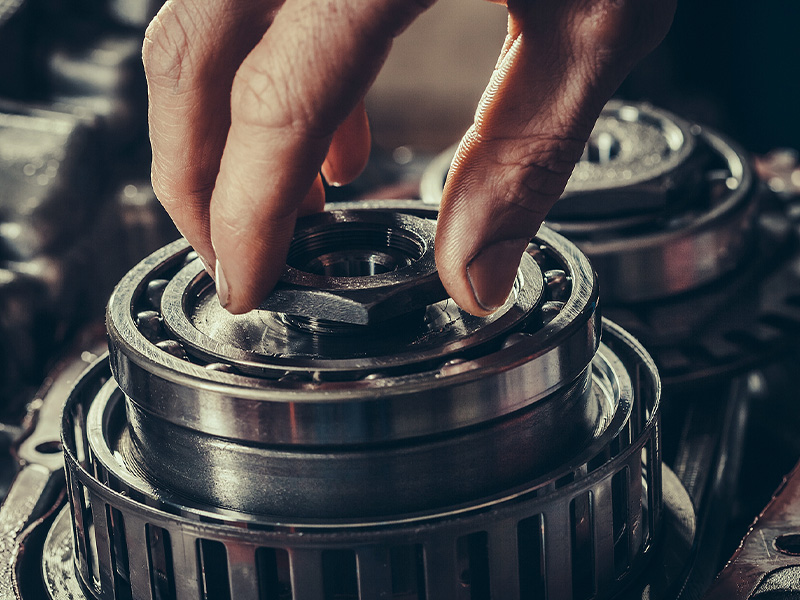
Correct installation is also critical. Excessive press force applied through the wrong ring can transmit damaging force through the rolling elements and create early raceway indentation. The mounting method should match the interference fit and the direction of the applied force.
Pumps and fans often operate continuously, making bearing stability and low friction particularly important. In a pump, the bearing supports the shaft and helps maintain the position of the impeller or coupling. In a fan, it supports the rotating assembly and helps control vibration generated by the impeller and airflow.
Before using a 6205ZZ in a pump, the designer should evaluate water exposure, chemical compatibility, shaft loading, pressure conditions, and the possibility of seal failure. Metal shields provide useful protection but are not intended to replace external sealing arrangements in wet or contaminated service.
Fan applications may involve high rotational speed and temperature variation. The lubricant, internal clearance, balancing condition, and housing design should be reviewed to ensure that the selected bearing is appropriate for the actual speed and thermal environment.
Conveyors place rolling bearings under repeated radial loads generated by rollers, pulleys, belt tension, and conveyed materials. The 6205ZZ can be used in suitable conveyor components where the load, speed, and environment remain within its operating range.
Agricultural machinery presents more challenging conditions because dust, soil, vibration, moisture, and temperature changes may be present. The double metal shields provide a basic barrier, but the entire machine design should include suitable external sealing, protective covers, correct lubrication, and regular inspection. In severe contamination, a contact-sealed bearing may be more appropriate.
The advantage of using a standard bearing in these applications is ease of replacement. Maintenance teams can establish replacement schedules, keep spare units available, and reduce equipment downtime when a bearing reaches the end of its service life.
Gearboxes may use deep groove ball bearings to support shafts, maintain gear alignment, and accommodate radial forces generated by the gear mesh. The 6205ZZ may be suitable for smaller gearbox assemblies, auxiliary drives, and general transmission equipment, provided that the bearing can handle the combined radial and axial loads.
In gearbox service, lubricant compatibility is especially important. The bearing’s factory grease must not be exposed to incompatible oils or additives without technical confirmation. If the bearing is intended to operate inside an oil-lubricated gearbox, the designer should verify whether the ZZ-shielded, pre-lubricated configuration is suitable or whether an open bearing designed for oil circulation is preferable.
General industrial equipment often benefits from the bearing’s versatility. It can be used in rollers, idlers, small shafts, electric tools, mechanical transmission devices, and other assemblies where a compact, standard deep groove bearing is required.
The shaft must match the 25 mm bore, the housing must accommodate the 52 mm outside diameter, and the available axial space must accept the 15 mm width. A dimensional match is necessary but does not by itself confirm suitability.
Determine the actual radial and axial loads, including shock loads, belt tension, gear forces, rotor weight, and any transient conditions. The dynamic load rating is used in fatigue-life calculations, while the static load rating is considered when the bearing is stationary or subject to heavy shock and slow movement.
Operating speed influences friction, heat, lubricant behavior, cage stability, and service life. The application should be compared with the manufacturer’s recommended speed limits and lubrication conditions. High-speed applications may require additional evaluation of balance, clearance, and temperature.
ZZ shields are appropriate for many clean and moderately dusty environments. They may not be the best choice for direct water spray, abrasive particles, corrosive chemicals, or submerged service. Environmental protection should be assessed at the machine level, including external seals, covers, drainage, and cleaning procedures.
Temperature affects lubricant viscosity, internal clearance, seal performance, and steel properties. Normal industrial conditions may be suitable for the standard bearing configuration, but elevated or rapidly changing temperatures require confirmation of the grease, clearance, and material limits.
Improper shaft or housing fits can cause ring creep, excessive internal preload, distortion, or premature fatigue. Misalignment can create uneven raceway loading and increase vibration. Shafts and housings should be manufactured and inspected according to the applicable bearing fit requirements.
Before installation, inspect the bearing package and verify the bearing number, shield configuration, dimensions, and visible condition. Do not install a bearing with damaged shields, corrosion, contamination, or abnormal roughness.
Keep the bearing in its original packaging until it is ready for installation. Work in a clean area and use clean tools. Avoid placing the bearing directly on dirty surfaces or exposing it unnecessarily to moisture and airborne particles.
When pressing a bearing onto a shaft, apply force to the inner ring if the fit is on the shaft. When pressing the bearing into a housing, apply force to the outer ring if the fit is in the housing. If both rings require interference fits, use a suitable installation tool that applies force to both rings at the same time.
Never strike the bearing rings directly with a hard metal hammer. Do not transmit installation force through the balls because this may create brinelling or raceway damage. Do not use excessive force to overcome a misaligned shaft or housing.
After installation, rotate the assembly by hand where possible. Check for abnormal resistance, scraping, roughness, or unusual sound. Confirm that the shaft is correctly positioned and that adjacent components do not contact the shields.
The 6205ZZ is designed to reduce maintenance through its shielded, pre-lubricated configuration, but no bearing is maintenance-free under every condition. Regular observation can identify problems before they cause an unexpected shutdown.
Maintenance personnel should monitor temperature, vibration, noise, shaft movement, and lubricant leakage. A gradual increase in vibration or operating temperature may indicate contamination, misalignment, insufficient lubrication, excessive load, improper fit, or damage to the raceways.
Do not wash a shielded bearing with solvents or inject lubricant through the shields unless a specific maintenance procedure permits it. Uncontrolled cleaning may remove or contaminate the factory lubricant. If the bearing has reached the end of its service life, replacement is normally more practical than attempting to rebuild it.
Storage conditions also matter. Bearings should be stored in a dry, clean, temperature-stable location. Packages should remain sealed until use. Long-term storage should be managed according to the lubricant and packaging recommendations of the supplier.
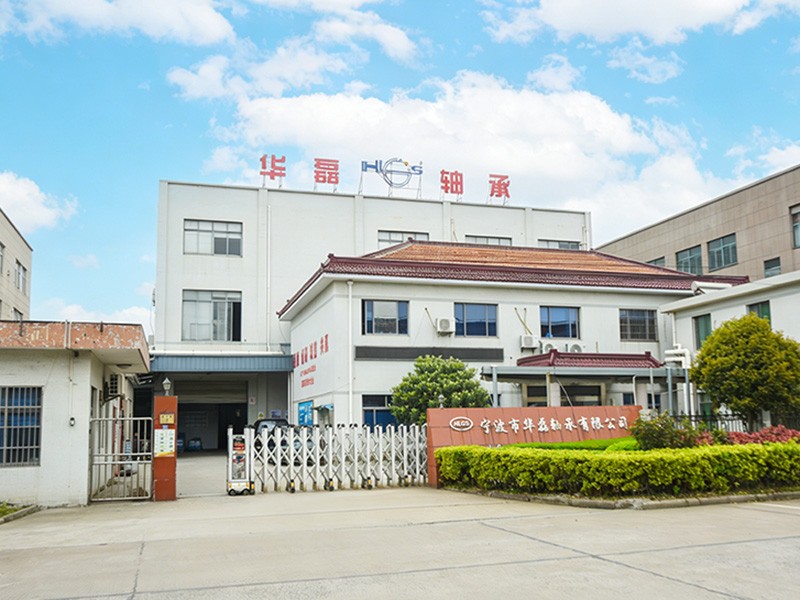
Ningbo Zhenhai Hualei Bearing Co., Ltd. was established in 2001 and specializes in the manufacture of deep groove ball bearings. According to the supplied company information, its products are used in food machinery, household appliances, automotive electromechanical systems, electric tools, mechanical transmission equipment, and motors.
The company’s manufacturing strength is supported by experience in bearing production, documented quality management, and the use of advanced inspection equipment. Its stated ISO 9001 and ISO/TS 16949 management systems provide a framework for process control and product consistency.
The company also provides OEM and ODM services through its import and export department. This capability can be valuable for customers requiring customized packaging, production coordination, application support, private labeling, or product specifications aligned with a particular equipment program.
For industrial buyers, a capable supplier offers more than a single bearing shipment. Reliable supply depends on stable production, repeatable dimensions, responsive communication, clear documentation, quality records, and the ability to support ongoing purchasing requirements. These factors can be as important as the initial unit price when bearings are used in high-volume equipment or critical maintenance programs.
The manufacturer’s stated philosophy of sincere trust and efficient service is consistent with the practical needs of bearing customers. Buyers generally require accurate specifications, predictable delivery, professional technical communication, and effective handling of quality questions. A supplier that combines manufacturing capability with export and OEM support can help reduce procurement risk.
The 6205ZZ is a strong choice when an application needs a standard deep groove ball bearing with reliable medium-load performance, low-friction operation, and basic contamination protection. Its size is widely used, its construction is familiar to maintenance teams, and its material is appropriate for rolling-contact service.
Its greatest advantage is the combination of versatility and practicality. It can be installed in many different types of rotating machinery without requiring a specialized design. It supports common radial loads, accommodates limited axial loading, and can operate continuously when properly selected and installed.
The product also benefits from the manufacturing approach described by the supplier: GCr15 bearing steel, precision grinding, controlled assembly, shield installation, lubrication, and testing. Together, these processes are intended to provide stable performance from one bearing to the next.
Compared with an unshielded bearing, the ZZ configuration can reduce exposure to everyday dust and help retain lubricant. Compared with an unnecessarily oversized bearing, it may reduce cost and space requirements. Compared with an inadequately manufactured generic product, controlled material and inspection processes can improve confidence in dimensional consistency and operating quality.
These advantages should always be considered alongside the actual application. No bearing designation can compensate for excessive loading, poor alignment, incorrect fits, water ingress, electrical damage, or unsuitable lubrication. Proper engineering selection remains essential.
6205 identifies the bearing’s series and standard dimensional size. ZZ indicates that the bearing has double metal shields, one on each side. The complete bearing has a 25 mm bore, a 52 mm outside diameter, and a 15 mm width.
The stated dynamic load rating is 14,000 N, and the stated static load rating is 7,850 N. These values are reference ratings for engineering calculations. The actual allowable load depends on speed, load direction, shock, temperature, lubrication, alignment, and required service life.
Yes, it is commonly suitable for many electric motor applications involving moderate radial loads. The motor designer must also check speed, temperature, shaft fit, vibration, rotor balance, and the possibility of electrical current passing through the bearing.
It can be used in suitable pump assemblies when the load, speed, temperature, and contamination conditions are compatible with a double-metal-shielded bearing. Direct water exposure, corrosive fluids, or heavy contamination may require a different closure or additional external protection.
No. ZZ metal shields help protect against dust and incidental moisture, but they are not a guarantee of waterproof performance. Applications involving water spray, flooding, washdown, or submerged conditions require a more suitable sealing arrangement.
It is normally supplied pre-lubricated and shielded, so routine relubrication is generally not required in ordinary service. Relubrication should not be attempted without confirming that the bearing design and maintenance procedure allow it.
The bearing is made from GCr15 bearing steel. This material is widely used for bearing rings and rolling elements because it can provide the hardness, wear resistance, and fatigue performance required for rolling contact.
Use clean tools and apply installation force to the ring with the interference fit. Do not transmit force through the rolling elements and do not strike the bearing directly. Confirm shaft and housing tolerances before installation.
Use the correct load and speed limits, maintain proper alignment, protect the bearing from contamination, control shaft and housing fits, avoid shock during installation, and monitor temperature and vibration during operation.
The basic dimensions may be the same among some 6205 variants, but closures, internal clearance, lubrication, materials, and performance specifications can differ. The replacement should match the original application requirements rather than relying only on the basic number.
It may be suitable for some high-speed applications, but the actual speed limit depends on lubrication, internal clearance, cage design, load, temperature, and mounting conditions. High-speed use should be confirmed through technical evaluation.
ZZ uses non-contact metal shields and generally offers low friction with moderate contamination protection. Rubber-sealed versions provide stronger sealing in many environments but may produce more friction and heat. The correct choice depends on contamination, speed, temperature, and service requirements.
The 6205ZZ deep groove ball bearing is a versatile industrial component designed for dependable medium-load operation. Its 25 × 52 × 15 mm dimensions make it suitable for many standard shafts and housings, while its deep groove geometry supports stable radial loading and limited axial loading in both directions.
Its double metal shields help retain lubricant and protect the internal components from common dust and moisture. GCr15 bearing steel provides a suitable foundation for durability, while precision grinding and controlled assembly support smooth rotation, low friction, and consistent operation.
The bearing is well suited to electric motors, pumps, fans, conveyors, agricultural machinery, gearboxes, electric tools, and general industrial equipment. Its standardized dimensions simplify sourcing and replacement, and its balanced performance can help reduce maintenance complexity.
Supported by a manufacturer with long-term bearing experience, advanced inspection equipment, ISO-based quality management, and OEM and ODM capabilities, the 6205ZZ offers a practical solution for customers seeking dependable industrial bearing supply. Correct application selection, clean installation, suitable fits, and appropriate environmental protection remain essential to achieving the best possible service life.
1. ISO 15, Rolling Bearings — Radial Bearings — Boundary Dimensions, International Organization for Standardization.
2. ISO 281, Rolling Bearings — Dynamic Load Ratings and Rating Life, International Organization for Standardization.
3. ISO 76, Rolling Bearings — Static Load Ratings, International Organization for Standardization.
4. ISO 9001, Quality Management Systems — Requirements, International Organization for Standardization.
5. ISO/TS 16949, Quality Management Systems — Particular Requirements for the Application of ISO 9001 for Automotive Production and Relevant Service Part Organizations.
6. Rolling Bearing Technical Principles, general guidance on bearing load, lubrication, installation, and service life.
7. GCr15 Bearing Steel Technical Data, general material guidance for high-carbon chromium bearing steel.
The Direct Answer: A Deep Groove Ball Bearing Supports Both Radial and Axial Loads Using a Simple, ...
Fundamental Definitions and Classifications of Miniature Transmission Systems In modern precision me...
What Do Flanged Bearings Do A flanged bearing supports a rotating shaft and locks it in a fixed axi...
The Direct Answer: Match Precision Class to Rotational Accuracy Needs, Not to the Highest Available...